

Calendar of Events
Upcoming events and things to do in Asheville, NC. Below is a list of events for festivals, concerts, art exhibitions, group meetups and more.
Interested in adding an event to our calendar? Please click the green “Post Your Event” button below.
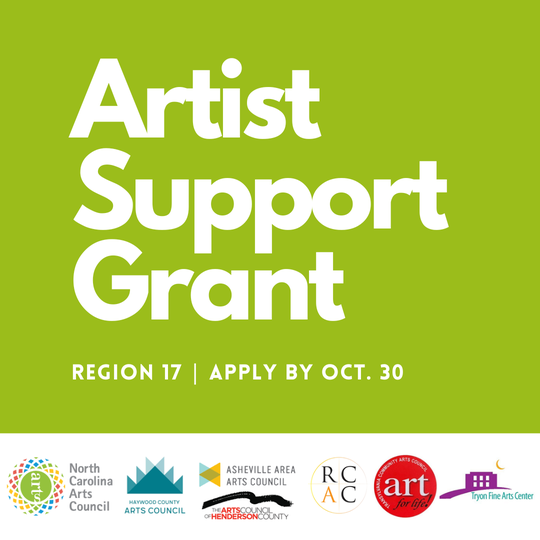
The Artist Support Grant provides funding emerging or established artists to create work, improve their business operations, or bring their work to new audiences. Grants range from $500-3,000.
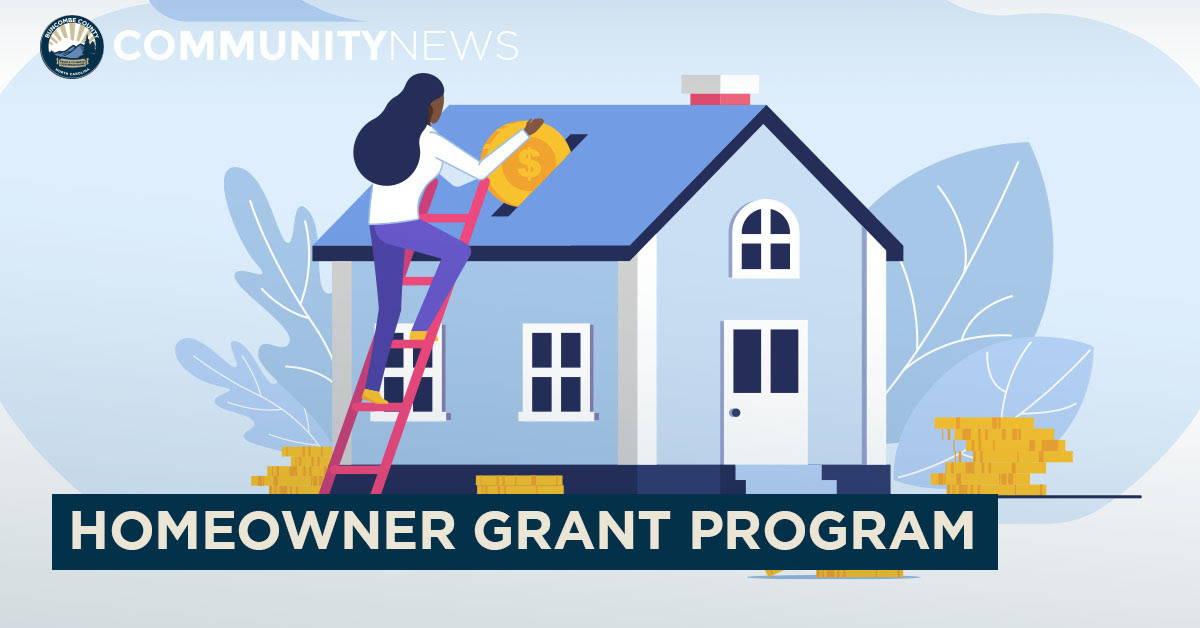
Buncombe County is excited to announce the inquiry process is now open for the 2022 Homeowner Grant Program. This program is officially in its second year, and qualified homeowners will have an opportunity to receive financial assistance for housing-related costs. The program website is now accepting inquiries for support, or homeowners can call (828) 250-5500. You must call or submit an inquiry to determine eligibility.
With the FY23 budget approval, the Board of Commissioners approved $300,000 for the program, and through a collaborative partnership, residents in the City of Asheville and the Town of Woodfin will be eligible to receive additional assistance. You may qualify for up to $300 in unincorporated Buncombe County, and up to $500 in City of Asheville and Woodfin. Please note that applicants who received grants last year will need to re-apply.
Through this program, residents who own residential property in Buncombe County that they have lived in as their primary residence for at least five years and who earn at or less than 80% of Area Median Income (AMI) as a household may be eligible to participate. Those who apply for the program and meet these criteria may receive up to $300 from Buncombe County and up to $200 from the City of Asheville or the Town of Woodfin.
If eligible, grantees may choose to have grant funds applied to their property tax bill and/or paid and applied to other housing-related obligations such as housing costs, mortgage, or homeowner’s insurance. Payments are made directly to the source of the approved bill. Payments will not be made directly to individuals. There are several new aspects to this year’s program including new eligibility requirements, and now mobile-home owners may receive the grants.
- You must have owned and lived in your home for 5 years or more
- Your home must by your primary and only residence
- Your household income is at or below 80% of area median income (AMI)
- Your household cannot already be receiving tax deferment assistance like elderly/disabled, or Veterans exemptions.
- You must not have more than $60,000 in liquid resources (for example: your cash on hand, checking & savings accounts combined, or other investments available to you within 7 days)
The inquiry process will be open through Sept. 30. Eligible homeowners can submit an inquiry on the homeowner grant website or call (828) 250-5500 to start the application process. Phone support is available in any language. Please note that we anticipate a high volume of calls and inquiries at the onset, and it may take a few weeks for a case manager to get back with you.
“If you think you may qualify, but you aren’t sure, please give our team a call,” says Economic Services Director Phillip Hardin. “We know there are a number of unique circumstances, and our staff will work with homeowners to help find solutions.”
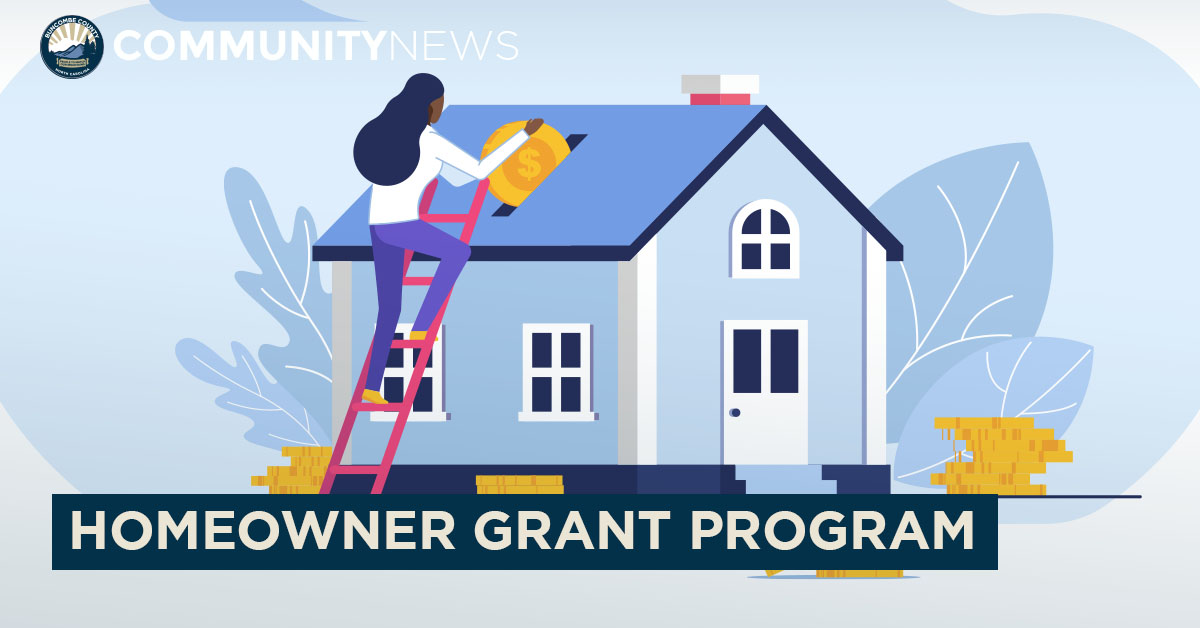
Buncombe County is excited to announce the inquiry process is now open for the 2022 Homeowner Grant Program. This program is officially in its second year, and qualified homeowners will have an opportunity to receive financial assistance for housing-related costs. The program website is now accepting inquiries for support, or homeowners can call (828) 250-5500. You must call or submit an inquiry to determine eligibility.
With the FY23 budget approval, the Board of Commissioners approved $300,000 for the program, and through a collaborative partnership, residents in the City of Asheville and the Town of Woodfin will be eligible to receive additional assistance. You may qualify for up to $300 in unincorporated Buncombe County, and up to $500 in City of Asheville and Woodfin. Please note that applicants who received grants last year will need to re-apply.
Through this program, residents who own residential property in Buncombe County that they have lived in as their primary residence for at least five years and who earn at or less than 80% of Area Median Income (AMI) as a household may be eligible to participate. Those who apply for the program and meet these criteria may receive up to $300 from Buncombe County and up to $200 from the City of Asheville or the Town of Woodfin.
If eligible, grantees may choose to have grant funds applied to their property tax bill and/or paid and applied to other housing-related obligations such as housing costs, mortgage, or homeowner’s insurance. Payments are made directly to the source of the approved bill. Payments will not be made directly to individuals. There are several new aspects to this year’s program including new eligibility requirements, and now mobile-home owners may receive the grants.
- You must have owned and lived in your home for 5 years or more
- Your home must by your primary and only residence
- Your household income is at or below 80% of area median income (AMI)
- Your household cannot already be receiving tax deferment assistance like elderly/disabled, or Veterans exemptions.
- You must not have more than $60,000 in liquid resources (for example: your cash on hand, checking & savings accounts combined, or other investments available to you within 7 days)
The inquiry process will be open through Sept. 30. Eligible homeowners can submit an inquiry on the homeowner grant website or call (828) 250-5500 to start the application process. Phone support is available in any language. Please note that we anticipate a high volume of calls and inquiries at the onset, and it may take a few weeks for a case manager to get back with you.
“If you think you may qualify, but you aren’t sure, please give our team a call,” says Economic Services Director Phillip Hardin. “We know there are a number of unique circumstances, and our staff will work with homeowners to help find solutions.”
Apply by September 27 | The Buncombe County Tourism Development Authority’s Festivals & Cultural Events Support Fund Grant is designed to provide financial support for events that serve both the residents of Buncombe County and the visitors who travel to the Asheville area.

The Buncombe County Juvenile Crime Prevention Council (JCPC) is now accepting proposals for the remainder of fiscal year 2022-2023. The JCPC announces the availability of small allocations totaling $84,902 in state funding for local nonprofits and public agencies working to serve youth involved in, or at-risk of becoming involved in the juvenile justice system. The JCPC addresses the gaps in youth services by promoting prevention, intervention, treatment and aftercare strategies and programs which strengthen families and support community safety.
Click here for Request for Proposals (RFP)
The JCPC is seeking innovative projects designed to address the identified needs in our community – highlighted in the 2021 Risk Needs Summary Report:
- Runaway from Home or Placement
- School Behavior/Adjustment
- Substance Use Within Past 12 Months
- Abuse Neglect History
- Sexual Behaviors During Past 12 Months
- Mental Health Needs
- Basic Physical Needs/Independent Living
- Conflict in the Home Within Past 12 Months
- Family Supervision Skills
Based on these factors and possible gaps in the Continuum of Services, the following program types will be considered for funding:
- Runaway/Temporary Shelter
- Comprehensive Clinical Assessments (CCAs)
- Restitution/Community Service
- Teen Court/Restorative Services
- Substance Use Services
- Parent / Family Skill Building
- Vocational Skills
- Interpersonal or Experiential Skills
- Structured Day / Tutoring / Academic Enhancement / Mentoring
Application Information
The Buncombe County Juvenile Crime Prevention Council (JCPC) is responsible for reviewing and allocating funds to programs designed to serve youth involved in, or at risk of becoming involved with the juvenile justice system, and to reduce the number of youth who enter the state’s youth development centers. Any nonprofits or public agency interested in applying for JCPC funds is required to send a representative to the applicant orientation.
NEW applicants are required to attend a mandatory orientation (prior applicants may also attend). For information about the program application workshop and other technical assistance contact Lorraine Williams, Area Consultant, Community Programs Western Area Office, 828-405-4056, [email protected].
Interested organizations are required to complete an online application through NC ALLIES (A Local Link to Improve Effective Services). Organizations can review application instructions here.
Current JCPC funded programs requesting additional funds should submit a budget revision in NC ALLIES and email JCPC Admin [email protected] a summary detailing the amount of the request and purpose for additional funds.
Private nonprofits are also required to submit in NC ALLIES, No Overdue Tax forms, Conflict of Interest Statements, and, if requested, proof of 501(c)(3) status.
Application submission deadline is Thursday, October 6th, 2022, by 5 pm. All applications must be submitted in NC Allies; once the application is submitted in NC Allies, send a copy via email to [email protected].
Applicants will be required to present their proposal during an Allocations Hearing. Applicants will be contacted with the date and time of this meeting upon submission.
For additional information regarding the application process contact Hannah Legerton, JCPC Administrator, (828) 250-4087
Please see the linked Request for Proposals and visit Buncombecounty.org/grants for more information.
Note: The JCPC had allocated $84,902 to Trinity Place Runaway and Homeless Youth Shelter for the upcoming year; unfortunately the program announced their closure effective 5/15/2022. The JCPC has until 12/31/2022 to reallocate funding that had been designated for Trinity Place.
Buncombe County is committed to building a healthy, safe, well-educated, and thriving community that is equitable and sustainable. Buncombe County invests in our community through eight grant programs supporting organizations working in support of the Buncombe 2025 Strategic Plan focus areas and goals. Equity, diversity, and inclusion are critical to our grants processes, and Buncombe County encourages participation from organizations led by and providing service to people of color/BIPOC individuals.
More about the Buncombe County Juvenile Crime Prevention Program
The North Carolina Department of Public Safety’s Division of Juvenile Justice partners with Juvenile Crime Prevention Councils in each county to galvanize community leaders, locally and statewide, to reduce and prevent youth involvement with the juvenile justice system. The intent is to provide community-based alternatives to youth development centers and to provide community-based programming, treatment, counseling or rehabilitation services for youth involved in, or at risk of becoming involved with the juvenile justice system.
This is an initiative of the NC Department of Public Safety, Division of Juvenile Justice, Juvenile Community Programming, and the Buncombe County Juvenile Crime Prevention Council.
The Artist Support Grant provides funding emerging or established artists to create work, improve their business operations, or bring their work to new audiences. Grants range from $500-3,000.
Buncombe County is excited to announce the inquiry process is now open for the 2022 Homeowner Grant Program. This program is officially in its second year, and qualified homeowners will have an opportunity to receive financial assistance for housing-related costs. The program website is now accepting inquiries for support, or homeowners can call (828) 250-5500. You must call or submit an inquiry to determine eligibility.
With the FY23 budget approval, the Board of Commissioners approved $300,000 for the program, and through a collaborative partnership, residents in the City of Asheville and the Town of Woodfin will be eligible to receive additional assistance. You may qualify for up to $300 in unincorporated Buncombe County, and up to $500 in City of Asheville and Woodfin. Please note that applicants who received grants last year will need to re-apply.
Through this program, residents who own residential property in Buncombe County that they have lived in as their primary residence for at least five years and who earn at or less than 80% of Area Median Income (AMI) as a household may be eligible to participate. Those who apply for the program and meet these criteria may receive up to $300 from Buncombe County and up to $200 from the City of Asheville or the Town of Woodfin.
If eligible, grantees may choose to have grant funds applied to their property tax bill and/or paid and applied to other housing-related obligations such as housing costs, mortgage, or homeowner’s insurance. Payments are made directly to the source of the approved bill. Payments will not be made directly to individuals. There are several new aspects to this year’s program including new eligibility requirements, and now mobile-home owners may receive the grants.
- You must have owned and lived in your home for 5 years or more
- Your home must by your primary and only residence
- Your household income is at or below 80% of area median income (AMI)
- Your household cannot already be receiving tax deferment assistance like elderly/disabled, or Veterans exemptions.
- You must not have more than $60,000 in liquid resources (for example: your cash on hand, checking & savings accounts combined, or other investments available to you within 7 days)
The inquiry process will be open through Sept. 30. Eligible homeowners can submit an inquiry on the homeowner grant website or call (828) 250-5500 to start the application process. Phone support is available in any language. Please note that we anticipate a high volume of calls and inquiries at the onset, and it may take a few weeks for a case manager to get back with you.
“If you think you may qualify, but you aren’t sure, please give our team a call,” says Economic Services Director Phillip Hardin. “We know there are a number of unique circumstances, and our staff will work with homeowners to help find solutions.”
Buncombe County is excited to announce the inquiry process is now open for the 2022 Homeowner Grant Program. This program is officially in its second year, and qualified homeowners will have an opportunity to receive financial assistance for housing-related costs. The program website is now accepting inquiries for support, or homeowners can call (828) 250-5500. You must call or submit an inquiry to determine eligibility.
With the FY23 budget approval, the Board of Commissioners approved $300,000 for the program, and through a collaborative partnership, residents in the City of Asheville and the Town of Woodfin will be eligible to receive additional assistance. You may qualify for up to $300 in unincorporated Buncombe County, and up to $500 in City of Asheville and Woodfin. Please note that applicants who received grants last year will need to re-apply.
Through this program, residents who own residential property in Buncombe County that they have lived in as their primary residence for at least five years and who earn at or less than 80% of Area Median Income (AMI) as a household may be eligible to participate. Those who apply for the program and meet these criteria may receive up to $300 from Buncombe County and up to $200 from the City of Asheville or the Town of Woodfin.
If eligible, grantees may choose to have grant funds applied to their property tax bill and/or paid and applied to other housing-related obligations such as housing costs, mortgage, or homeowner’s insurance. Payments are made directly to the source of the approved bill. Payments will not be made directly to individuals. There are several new aspects to this year’s program including new eligibility requirements, and now mobile-home owners may receive the grants.
- You must have owned and lived in your home for 5 years or more
- Your home must by your primary and only residence
- Your household income is at or below 80% of area median income (AMI)
- Your household cannot already be receiving tax deferment assistance like elderly/disabled, or Veterans exemptions.
- You must not have more than $60,000 in liquid resources (for example: your cash on hand, checking & savings accounts combined, or other investments available to you within 7 days)
The inquiry process will be open through Sept. 30. Eligible homeowners can submit an inquiry on the homeowner grant website or call (828) 250-5500 to start the application process. Phone support is available in any language. Please note that we anticipate a high volume of calls and inquiries at the onset, and it may take a few weeks for a case manager to get back with you.
“If you think you may qualify, but you aren’t sure, please give our team a call,” says Economic Services Director Phillip Hardin. “We know there are a number of unique circumstances, and our staff will work with homeowners to help find solutions.”
Apply by September 27 | The Buncombe County Tourism Development Authority’s Festivals & Cultural Events Support Fund Grant is designed to provide financial support for events that serve both the residents of Buncombe County and the visitors who travel to the Asheville area.
The Buncombe County Juvenile Crime Prevention Council (JCPC) is now accepting proposals for the remainder of fiscal year 2022-2023. The JCPC announces the availability of small allocations totaling $84,902 in state funding for local nonprofits and public agencies working to serve youth involved in, or at-risk of becoming involved in the juvenile justice system. The JCPC addresses the gaps in youth services by promoting prevention, intervention, treatment and aftercare strategies and programs which strengthen families and support community safety.
Click here for Request for Proposals (RFP)
The JCPC is seeking innovative projects designed to address the identified needs in our community – highlighted in the 2021 Risk Needs Summary Report:
- Runaway from Home or Placement
- School Behavior/Adjustment
- Substance Use Within Past 12 Months
- Abuse Neglect History
- Sexual Behaviors During Past 12 Months
- Mental Health Needs
- Basic Physical Needs/Independent Living
- Conflict in the Home Within Past 12 Months
- Family Supervision Skills
Based on these factors and possible gaps in the Continuum of Services, the following program types will be considered for funding:
- Runaway/Temporary Shelter
- Comprehensive Clinical Assessments (CCAs)
- Restitution/Community Service
- Teen Court/Restorative Services
- Substance Use Services
- Parent / Family Skill Building
- Vocational Skills
- Interpersonal or Experiential Skills
- Structured Day / Tutoring / Academic Enhancement / Mentoring
Application Information
The Buncombe County Juvenile Crime Prevention Council (JCPC) is responsible for reviewing and allocating funds to programs designed to serve youth involved in, or at risk of becoming involved with the juvenile justice system, and to reduce the number of youth who enter the state’s youth development centers. Any nonprofits or public agency interested in applying for JCPC funds is required to send a representative to the applicant orientation.
NEW applicants are required to attend a mandatory orientation (prior applicants may also attend). For information about the program application workshop and other technical assistance contact Lorraine Williams, Area Consultant, Community Programs Western Area Office, 828-405-4056, [email protected].
Interested organizations are required to complete an online application through NC ALLIES (A Local Link to Improve Effective Services). Organizations can review application instructions here.
Current JCPC funded programs requesting additional funds should submit a budget revision in NC ALLIES and email JCPC Admin [email protected] a summary detailing the amount of the request and purpose for additional funds.
Private nonprofits are also required to submit in NC ALLIES, No Overdue Tax forms, Conflict of Interest Statements, and, if requested, proof of 501(c)(3) status.
Application submission deadline is Thursday, October 6th, 2022, by 5 pm. All applications must be submitted in NC Allies; once the application is submitted in NC Allies, send a copy via email to [email protected].
Applicants will be required to present their proposal during an Allocations Hearing. Applicants will be contacted with the date and time of this meeting upon submission.
For additional information regarding the application process contact Hannah Legerton, JCPC Administrator, (828) 250-4087
Please see the linked Request for Proposals and visit Buncombecounty.org/grants for more information.
Note: The JCPC had allocated $84,902 to Trinity Place Runaway and Homeless Youth Shelter for the upcoming year; unfortunately the program announced their closure effective 5/15/2022. The JCPC has until 12/31/2022 to reallocate funding that had been designated for Trinity Place.
Buncombe County is committed to building a healthy, safe, well-educated, and thriving community that is equitable and sustainable. Buncombe County invests in our community through eight grant programs supporting organizations working in support of the Buncombe 2025 Strategic Plan focus areas and goals. Equity, diversity, and inclusion are critical to our grants processes, and Buncombe County encourages participation from organizations led by and providing service to people of color/BIPOC individuals.
More about the Buncombe County Juvenile Crime Prevention Program
The North Carolina Department of Public Safety’s Division of Juvenile Justice partners with Juvenile Crime Prevention Councils in each county to galvanize community leaders, locally and statewide, to reduce and prevent youth involvement with the juvenile justice system. The intent is to provide community-based alternatives to youth development centers and to provide community-based programming, treatment, counseling or rehabilitation services for youth involved in, or at risk of becoming involved with the juvenile justice system.
This is an initiative of the NC Department of Public Safety, Division of Juvenile Justice, Juvenile Community Programming, and the Buncombe County Juvenile Crime Prevention Council.
The Artist Support Grant provides funding emerging or established artists to create work, improve their business operations, or bring their work to new audiences. Grants range from $500-3,000.
Buncombe County is excited to announce the inquiry process is now open for the 2022 Homeowner Grant Program. This program is officially in its second year, and qualified homeowners will have an opportunity to receive financial assistance for housing-related costs. The program website is now accepting inquiries for support, or homeowners can call (828) 250-5500. You must call or submit an inquiry to determine eligibility.
With the FY23 budget approval, the Board of Commissioners approved $300,000 for the program, and through a collaborative partnership, residents in the City of Asheville and the Town of Woodfin will be eligible to receive additional assistance. You may qualify for up to $300 in unincorporated Buncombe County, and up to $500 in City of Asheville and Woodfin. Please note that applicants who received grants last year will need to re-apply.
Through this program, residents who own residential property in Buncombe County that they have lived in as their primary residence for at least five years and who earn at or less than 80% of Area Median Income (AMI) as a household may be eligible to participate. Those who apply for the program and meet these criteria may receive up to $300 from Buncombe County and up to $200 from the City of Asheville or the Town of Woodfin.
If eligible, grantees may choose to have grant funds applied to their property tax bill and/or paid and applied to other housing-related obligations such as housing costs, mortgage, or homeowner’s insurance. Payments are made directly to the source of the approved bill. Payments will not be made directly to individuals. There are several new aspects to this year’s program including new eligibility requirements, and now mobile-home owners may receive the grants.
- You must have owned and lived in your home for 5 years or more
- Your home must by your primary and only residence
- Your household income is at or below 80% of area median income (AMI)
- Your household cannot already be receiving tax deferment assistance like elderly/disabled, or Veterans exemptions.
- You must not have more than $60,000 in liquid resources (for example: your cash on hand, checking & savings accounts combined, or other investments available to you within 7 days)
The inquiry process will be open through Sept. 30. Eligible homeowners can submit an inquiry on the homeowner grant website or call (828) 250-5500 to start the application process. Phone support is available in any language. Please note that we anticipate a high volume of calls and inquiries at the onset, and it may take a few weeks for a case manager to get back with you.
“If you think you may qualify, but you aren’t sure, please give our team a call,” says Economic Services Director Phillip Hardin. “We know there are a number of unique circumstances, and our staff will work with homeowners to help find solutions.”
Buncombe County is excited to announce the inquiry process is now open for the 2022 Homeowner Grant Program. This program is officially in its second year, and qualified homeowners will have an opportunity to receive financial assistance for housing-related costs. The program website is now accepting inquiries for support, or homeowners can call (828) 250-5500. You must call or submit an inquiry to determine eligibility.
With the FY23 budget approval, the Board of Commissioners approved $300,000 for the program, and through a collaborative partnership, residents in the City of Asheville and the Town of Woodfin will be eligible to receive additional assistance. You may qualify for up to $300 in unincorporated Buncombe County, and up to $500 in City of Asheville and Woodfin. Please note that applicants who received grants last year will need to re-apply.
Through this program, residents who own residential property in Buncombe County that they have lived in as their primary residence for at least five years and who earn at or less than 80% of Area Median Income (AMI) as a household may be eligible to participate. Those who apply for the program and meet these criteria may receive up to $300 from Buncombe County and up to $200 from the City of Asheville or the Town of Woodfin.
If eligible, grantees may choose to have grant funds applied to their property tax bill and/or paid and applied to other housing-related obligations such as housing costs, mortgage, or homeowner’s insurance. Payments are made directly to the source of the approved bill. Payments will not be made directly to individuals. There are several new aspects to this year’s program including new eligibility requirements, and now mobile-home owners may receive the grants.
- You must have owned and lived in your home for 5 years or more
- Your home must by your primary and only residence
- Your household income is at or below 80% of area median income (AMI)
- Your household cannot already be receiving tax deferment assistance like elderly/disabled, or Veterans exemptions.
- You must not have more than $60,000 in liquid resources (for example: your cash on hand, checking & savings accounts combined, or other investments available to you within 7 days)
The inquiry process will be open through Sept. 30. Eligible homeowners can submit an inquiry on the homeowner grant website or call (828) 250-5500 to start the application process. Phone support is available in any language. Please note that we anticipate a high volume of calls and inquiries at the onset, and it may take a few weeks for a case manager to get back with you.
“If you think you may qualify, but you aren’t sure, please give our team a call,” says Economic Services Director Phillip Hardin. “We know there are a number of unique circumstances, and our staff will work with homeowners to help find solutions.”
Apply by September 27 | The Buncombe County Tourism Development Authority’s Festivals & Cultural Events Support Fund Grant is designed to provide financial support for events that serve both the residents of Buncombe County and the visitors who travel to the Asheville area.
The Buncombe County Juvenile Crime Prevention Council (JCPC) is now accepting proposals for the remainder of fiscal year 2022-2023. The JCPC announces the availability of small allocations totaling $84,902 in state funding for local nonprofits and public agencies working to serve youth involved in, or at-risk of becoming involved in the juvenile justice system. The JCPC addresses the gaps in youth services by promoting prevention, intervention, treatment and aftercare strategies and programs which strengthen families and support community safety.
Click here for Request for Proposals (RFP)
The JCPC is seeking innovative projects designed to address the identified needs in our community – highlighted in the 2021 Risk Needs Summary Report:
- Runaway from Home or Placement
- School Behavior/Adjustment
- Substance Use Within Past 12 Months
- Abuse Neglect History
- Sexual Behaviors During Past 12 Months
- Mental Health Needs
- Basic Physical Needs/Independent Living
- Conflict in the Home Within Past 12 Months
- Family Supervision Skills
Based on these factors and possible gaps in the Continuum of Services, the following program types will be considered for funding:
- Runaway/Temporary Shelter
- Comprehensive Clinical Assessments (CCAs)
- Restitution/Community Service
- Teen Court/Restorative Services
- Substance Use Services
- Parent / Family Skill Building
- Vocational Skills
- Interpersonal or Experiential Skills
- Structured Day / Tutoring / Academic Enhancement / Mentoring
Application Information
The Buncombe County Juvenile Crime Prevention Council (JCPC) is responsible for reviewing and allocating funds to programs designed to serve youth involved in, or at risk of becoming involved with the juvenile justice system, and to reduce the number of youth who enter the state’s youth development centers. Any nonprofits or public agency interested in applying for JCPC funds is required to send a representative to the applicant orientation.
NEW applicants are required to attend a mandatory orientation (prior applicants may also attend). For information about the program application workshop and other technical assistance contact Lorraine Williams, Area Consultant, Community Programs Western Area Office, 828-405-4056, [email protected].
Interested organizations are required to complete an online application through NC ALLIES (A Local Link to Improve Effective Services). Organizations can review application instructions here.
Current JCPC funded programs requesting additional funds should submit a budget revision in NC ALLIES and email JCPC Admin [email protected] a summary detailing the amount of the request and purpose for additional funds.
Private nonprofits are also required to submit in NC ALLIES, No Overdue Tax forms, Conflict of Interest Statements, and, if requested, proof of 501(c)(3) status.
Application submission deadline is Thursday, October 6th, 2022, by 5 pm. All applications must be submitted in NC Allies; once the application is submitted in NC Allies, send a copy via email to [email protected].
Applicants will be required to present their proposal during an Allocations Hearing. Applicants will be contacted with the date and time of this meeting upon submission.
For additional information regarding the application process contact Hannah Legerton, JCPC Administrator, (828) 250-4087
Please see the linked Request for Proposals and visit Buncombecounty.org/grants for more information.
Note: The JCPC had allocated $84,902 to Trinity Place Runaway and Homeless Youth Shelter for the upcoming year; unfortunately the program announced their closure effective 5/15/2022. The JCPC has until 12/31/2022 to reallocate funding that had been designated for Trinity Place.
Buncombe County is committed to building a healthy, safe, well-educated, and thriving community that is equitable and sustainable. Buncombe County invests in our community through eight grant programs supporting organizations working in support of the Buncombe 2025 Strategic Plan focus areas and goals. Equity, diversity, and inclusion are critical to our grants processes, and Buncombe County encourages participation from organizations led by and providing service to people of color/BIPOC individuals.
More about the Buncombe County Juvenile Crime Prevention Program
The North Carolina Department of Public Safety’s Division of Juvenile Justice partners with Juvenile Crime Prevention Councils in each county to galvanize community leaders, locally and statewide, to reduce and prevent youth involvement with the juvenile justice system. The intent is to provide community-based alternatives to youth development centers and to provide community-based programming, treatment, counseling or rehabilitation services for youth involved in, or at risk of becoming involved with the juvenile justice system.
This is an initiative of the NC Department of Public Safety, Division of Juvenile Justice, Juvenile Community Programming, and the Buncombe County Juvenile Crime Prevention Council.
The Artist Support Grant provides funding emerging or established artists to create work, improve their business operations, or bring their work to new audiences. Grants range from $500-3,000.
Buncombe County is excited to announce the inquiry process is now open for the 2022 Homeowner Grant Program. This program is officially in its second year, and qualified homeowners will have an opportunity to receive financial assistance for housing-related costs. The program website is now accepting inquiries for support, or homeowners can call (828) 250-5500. You must call or submit an inquiry to determine eligibility.
With the FY23 budget approval, the Board of Commissioners approved $300,000 for the program, and through a collaborative partnership, residents in the City of Asheville and the Town of Woodfin will be eligible to receive additional assistance. You may qualify for up to $300 in unincorporated Buncombe County, and up to $500 in City of Asheville and Woodfin. Please note that applicants who received grants last year will need to re-apply.
Through this program, residents who own residential property in Buncombe County that they have lived in as their primary residence for at least five years and who earn at or less than 80% of Area Median Income (AMI) as a household may be eligible to participate. Those who apply for the program and meet these criteria may receive up to $300 from Buncombe County and up to $200 from the City of Asheville or the Town of Woodfin.
If eligible, grantees may choose to have grant funds applied to their property tax bill and/or paid and applied to other housing-related obligations such as housing costs, mortgage, or homeowner’s insurance. Payments are made directly to the source of the approved bill. Payments will not be made directly to individuals. There are several new aspects to this year’s program including new eligibility requirements, and now mobile-home owners may receive the grants.
- You must have owned and lived in your home for 5 years or more
- Your home must by your primary and only residence
- Your household income is at or below 80% of area median income (AMI)
- Your household cannot already be receiving tax deferment assistance like elderly/disabled, or Veterans exemptions.
- You must not have more than $60,000 in liquid resources (for example: your cash on hand, checking & savings accounts combined, or other investments available to you within 7 days)
The inquiry process will be open through Sept. 30. Eligible homeowners can submit an inquiry on the homeowner grant website or call (828) 250-5500 to start the application process. Phone support is available in any language. Please note that we anticipate a high volume of calls and inquiries at the onset, and it may take a few weeks for a case manager to get back with you.
“If you think you may qualify, but you aren’t sure, please give our team a call,” says Economic Services Director Phillip Hardin. “We know there are a number of unique circumstances, and our staff will work with homeowners to help find solutions.”
Buncombe County is excited to announce the inquiry process is now open for the 2022 Homeowner Grant Program. This program is officially in its second year, and qualified homeowners will have an opportunity to receive financial assistance for housing-related costs. The program website is now accepting inquiries for support, or homeowners can call (828) 250-5500. You must call or submit an inquiry to determine eligibility.
With the FY23 budget approval, the Board of Commissioners approved $300,000 for the program, and through a collaborative partnership, residents in the City of Asheville and the Town of Woodfin will be eligible to receive additional assistance. You may qualify for up to $300 in unincorporated Buncombe County, and up to $500 in City of Asheville and Woodfin. Please note that applicants who received grants last year will need to re-apply.
Through this program, residents who own residential property in Buncombe County that they have lived in as their primary residence for at least five years and who earn at or less than 80% of Area Median Income (AMI) as a household may be eligible to participate. Those who apply for the program and meet these criteria may receive up to $300 from Buncombe County and up to $200 from the City of Asheville or the Town of Woodfin.
If eligible, grantees may choose to have grant funds applied to their property tax bill and/or paid and applied to other housing-related obligations such as housing costs, mortgage, or homeowner’s insurance. Payments are made directly to the source of the approved bill. Payments will not be made directly to individuals. There are several new aspects to this year’s program including new eligibility requirements, and now mobile-home owners may receive the grants.
- You must have owned and lived in your home for 5 years or more
- Your home must by your primary and only residence
- Your household income is at or below 80% of area median income (AMI)
- Your household cannot already be receiving tax deferment assistance like elderly/disabled, or Veterans exemptions.
- You must not have more than $60,000 in liquid resources (for example: your cash on hand, checking & savings accounts combined, or other investments available to you within 7 days)
The inquiry process will be open through Sept. 30. Eligible homeowners can submit an inquiry on the homeowner grant website or call (828) 250-5500 to start the application process. Phone support is available in any language. Please note that we anticipate a high volume of calls and inquiries at the onset, and it may take a few weeks for a case manager to get back with you.
“If you think you may qualify, but you aren’t sure, please give our team a call,” says Economic Services Director Phillip Hardin. “We know there are a number of unique circumstances, and our staff will work with homeowners to help find solutions.”
Apply by September 27 | The Buncombe County Tourism Development Authority’s Festivals & Cultural Events Support Fund Grant is designed to provide financial support for events that serve both the residents of Buncombe County and the visitors who travel to the Asheville area.
The Buncombe County Juvenile Crime Prevention Council (JCPC) is now accepting proposals for the remainder of fiscal year 2022-2023. The JCPC announces the availability of small allocations totaling $84,902 in state funding for local nonprofits and public agencies working to serve youth involved in, or at-risk of becoming involved in the juvenile justice system. The JCPC addresses the gaps in youth services by promoting prevention, intervention, treatment and aftercare strategies and programs which strengthen families and support community safety.
Click here for Request for Proposals (RFP)
The JCPC is seeking innovative projects designed to address the identified needs in our community – highlighted in the 2021 Risk Needs Summary Report:
- Runaway from Home or Placement
- School Behavior/Adjustment
- Substance Use Within Past 12 Months
- Abuse Neglect History
- Sexual Behaviors During Past 12 Months
- Mental Health Needs
- Basic Physical Needs/Independent Living
- Conflict in the Home Within Past 12 Months
- Family Supervision Skills
Based on these factors and possible gaps in the Continuum of Services, the following program types will be considered for funding:
- Runaway/Temporary Shelter
- Comprehensive Clinical Assessments (CCAs)
- Restitution/Community Service
- Teen Court/Restorative Services
- Substance Use Services
- Parent / Family Skill Building
- Vocational Skills
- Interpersonal or Experiential Skills
- Structured Day / Tutoring / Academic Enhancement / Mentoring
Application Information
The Buncombe County Juvenile Crime Prevention Council (JCPC) is responsible for reviewing and allocating funds to programs designed to serve youth involved in, or at risk of becoming involved with the juvenile justice system, and to reduce the number of youth who enter the state’s youth development centers. Any nonprofits or public agency interested in applying for JCPC funds is required to send a representative to the applicant orientation.
NEW applicants are required to attend a mandatory orientation (prior applicants may also attend). For information about the program application workshop and other technical assistance contact Lorraine Williams, Area Consultant, Community Programs Western Area Office, 828-405-4056, [email protected].
Interested organizations are required to complete an online application through NC ALLIES (A Local Link to Improve Effective Services). Organizations can review application instructions here.
Current JCPC funded programs requesting additional funds should submit a budget revision in NC ALLIES and email JCPC Admin [email protected] a summary detailing the amount of the request and purpose for additional funds.
Private nonprofits are also required to submit in NC ALLIES, No Overdue Tax forms, Conflict of Interest Statements, and, if requested, proof of 501(c)(3) status.
Application submission deadline is Thursday, October 6th, 2022, by 5 pm. All applications must be submitted in NC Allies; once the application is submitted in NC Allies, send a copy via email to [email protected].
Applicants will be required to present their proposal during an Allocations Hearing. Applicants will be contacted with the date and time of this meeting upon submission.
For additional information regarding the application process contact Hannah Legerton, JCPC Administrator, (828) 250-4087
Please see the linked Request for Proposals and visit Buncombecounty.org/grants for more information.
Note: The JCPC had allocated $84,902 to Trinity Place Runaway and Homeless Youth Shelter for the upcoming year; unfortunately the program announced their closure effective 5/15/2022. The JCPC has until 12/31/2022 to reallocate funding that had been designated for Trinity Place.
Buncombe County is committed to building a healthy, safe, well-educated, and thriving community that is equitable and sustainable. Buncombe County invests in our community through eight grant programs supporting organizations working in support of the Buncombe 2025 Strategic Plan focus areas and goals. Equity, diversity, and inclusion are critical to our grants processes, and Buncombe County encourages participation from organizations led by and providing service to people of color/BIPOC individuals.
More about the Buncombe County Juvenile Crime Prevention Program
The North Carolina Department of Public Safety’s Division of Juvenile Justice partners with Juvenile Crime Prevention Councils in each county to galvanize community leaders, locally and statewide, to reduce and prevent youth involvement with the juvenile justice system. The intent is to provide community-based alternatives to youth development centers and to provide community-based programming, treatment, counseling or rehabilitation services for youth involved in, or at risk of becoming involved with the juvenile justice system.
This is an initiative of the NC Department of Public Safety, Division of Juvenile Justice, Juvenile Community Programming, and the Buncombe County Juvenile Crime Prevention Council.
The Artist Support Grant provides funding emerging or established artists to create work, improve their business operations, or bring their work to new audiences. Grants range from $500-3,000.
Buncombe County is excited to announce the inquiry process is now open for the 2022 Homeowner Grant Program. This program is officially in its second year, and qualified homeowners will have an opportunity to receive financial assistance for housing-related costs. The program website is now accepting inquiries for support, or homeowners can call (828) 250-5500. You must call or submit an inquiry to determine eligibility.
With the FY23 budget approval, the Board of Commissioners approved $300,000 for the program, and through a collaborative partnership, residents in the City of Asheville and the Town of Woodfin will be eligible to receive additional assistance. You may qualify for up to $300 in unincorporated Buncombe County, and up to $500 in City of Asheville and Woodfin. Please note that applicants who received grants last year will need to re-apply.
Through this program, residents who own residential property in Buncombe County that they have lived in as their primary residence for at least five years and who earn at or less than 80% of Area Median Income (AMI) as a household may be eligible to participate. Those who apply for the program and meet these criteria may receive up to $300 from Buncombe County and up to $200 from the City of Asheville or the Town of Woodfin.
If eligible, grantees may choose to have grant funds applied to their property tax bill and/or paid and applied to other housing-related obligations such as housing costs, mortgage, or homeowner’s insurance. Payments are made directly to the source of the approved bill. Payments will not be made directly to individuals. There are several new aspects to this year’s program including new eligibility requirements, and now mobile-home owners may receive the grants.
- You must have owned and lived in your home for 5 years or more
- Your home must by your primary and only residence
- Your household income is at or below 80% of area median income (AMI)
- Your household cannot already be receiving tax deferment assistance like elderly/disabled, or Veterans exemptions.
- You must not have more than $60,000 in liquid resources (for example: your cash on hand, checking & savings accounts combined, or other investments available to you within 7 days)
The inquiry process will be open through Sept. 30. Eligible homeowners can submit an inquiry on the homeowner grant website or call (828) 250-5500 to start the application process. Phone support is available in any language. Please note that we anticipate a high volume of calls and inquiries at the onset, and it may take a few weeks for a case manager to get back with you.
“If you think you may qualify, but you aren’t sure, please give our team a call,” says Economic Services Director Phillip Hardin. “We know there are a number of unique circumstances, and our staff will work with homeowners to help find solutions.”
Buncombe County is excited to announce the inquiry process is now open for the 2022 Homeowner Grant Program. This program is officially in its second year, and qualified homeowners will have an opportunity to receive financial assistance for housing-related costs. The program website is now accepting inquiries for support, or homeowners can call (828) 250-5500. You must call or submit an inquiry to determine eligibility.
With the FY23 budget approval, the Board of Commissioners approved $300,000 for the program, and through a collaborative partnership, residents in the City of Asheville and the Town of Woodfin will be eligible to receive additional assistance. You may qualify for up to $300 in unincorporated Buncombe County, and up to $500 in City of Asheville and Woodfin. Please note that applicants who received grants last year will need to re-apply.
Through this program, residents who own residential property in Buncombe County that they have lived in as their primary residence for at least five years and who earn at or less than 80% of Area Median Income (AMI) as a household may be eligible to participate. Those who apply for the program and meet these criteria may receive up to $300 from Buncombe County and up to $200 from the City of Asheville or the Town of Woodfin.
If eligible, grantees may choose to have grant funds applied to their property tax bill and/or paid and applied to other housing-related obligations such as housing costs, mortgage, or homeowner’s insurance. Payments are made directly to the source of the approved bill. Payments will not be made directly to individuals. There are several new aspects to this year’s program including new eligibility requirements, and now mobile-home owners may receive the grants.
- You must have owned and lived in your home for 5 years or more
- Your home must by your primary and only residence
- Your household income is at or below 80% of area median income (AMI)
- Your household cannot already be receiving tax deferment assistance like elderly/disabled, or Veterans exemptions.
- You must not have more than $60,000 in liquid resources (for example: your cash on hand, checking & savings accounts combined, or other investments available to you within 7 days)
The inquiry process will be open through Sept. 30. Eligible homeowners can submit an inquiry on the homeowner grant website or call (828) 250-5500 to start the application process. Phone support is available in any language. Please note that we anticipate a high volume of calls and inquiries at the onset, and it may take a few weeks for a case manager to get back with you.
“If you think you may qualify, but you aren’t sure, please give our team a call,” says Economic Services Director Phillip Hardin. “We know there are a number of unique circumstances, and our staff will work with homeowners to help find solutions.”
Apply by September 27 | The Buncombe County Tourism Development Authority’s Festivals & Cultural Events Support Fund Grant is designed to provide financial support for events that serve both the residents of Buncombe County and the visitors who travel to the Asheville area.
The Buncombe County Juvenile Crime Prevention Council (JCPC) is now accepting proposals for the remainder of fiscal year 2022-2023. The JCPC announces the availability of small allocations totaling $84,902 in state funding for local nonprofits and public agencies working to serve youth involved in, or at-risk of becoming involved in the juvenile justice system. The JCPC addresses the gaps in youth services by promoting prevention, intervention, treatment and aftercare strategies and programs which strengthen families and support community safety.
Click here for Request for Proposals (RFP)
The JCPC is seeking innovative projects designed to address the identified needs in our community – highlighted in the 2021 Risk Needs Summary Report:
- Runaway from Home or Placement
- School Behavior/Adjustment
- Substance Use Within Past 12 Months
- Abuse Neglect History
- Sexual Behaviors During Past 12 Months
- Mental Health Needs
- Basic Physical Needs/Independent Living
- Conflict in the Home Within Past 12 Months
- Family Supervision Skills
Based on these factors and possible gaps in the Continuum of Services, the following program types will be considered for funding:
- Runaway/Temporary Shelter
- Comprehensive Clinical Assessments (CCAs)
- Restitution/Community Service
- Teen Court/Restorative Services
- Substance Use Services
- Parent / Family Skill Building
- Vocational Skills
- Interpersonal or Experiential Skills
- Structured Day / Tutoring / Academic Enhancement / Mentoring
Application Information
The Buncombe County Juvenile Crime Prevention Council (JCPC) is responsible for reviewing and allocating funds to programs designed to serve youth involved in, or at risk of becoming involved with the juvenile justice system, and to reduce the number of youth who enter the state’s youth development centers. Any nonprofits or public agency interested in applying for JCPC funds is required to send a representative to the applicant orientation.
NEW applicants are required to attend a mandatory orientation (prior applicants may also attend). For information about the program application workshop and other technical assistance contact Lorraine Williams, Area Consultant, Community Programs Western Area Office, 828-405-4056, [email protected].
Interested organizations are required to complete an online application through NC ALLIES (A Local Link to Improve Effective Services). Organizations can review application instructions here.
Current JCPC funded programs requesting additional funds should submit a budget revision in NC ALLIES and email JCPC Admin [email protected] a summary detailing the amount of the request and purpose for additional funds.
Private nonprofits are also required to submit in NC ALLIES, No Overdue Tax forms, Conflict of Interest Statements, and, if requested, proof of 501(c)(3) status.
Application submission deadline is Thursday, October 6th, 2022, by 5 pm. All applications must be submitted in NC Allies; once the application is submitted in NC Allies, send a copy via email to [email protected].
Applicants will be required to present their proposal during an Allocations Hearing. Applicants will be contacted with the date and time of this meeting upon submission.
For additional information regarding the application process contact Hannah Legerton, JCPC Administrator, (828) 250-4087
Please see the linked Request for Proposals and visit Buncombecounty.org/grants for more information.
Note: The JCPC had allocated $84,902 to Trinity Place Runaway and Homeless Youth Shelter for the upcoming year; unfortunately the program announced their closure effective 5/15/2022. The JCPC has until 12/31/2022 to reallocate funding that had been designated for Trinity Place.
Buncombe County is committed to building a healthy, safe, well-educated, and thriving community that is equitable and sustainable. Buncombe County invests in our community through eight grant programs supporting organizations working in support of the Buncombe 2025 Strategic Plan focus areas and goals. Equity, diversity, and inclusion are critical to our grants processes, and Buncombe County encourages participation from organizations led by and providing service to people of color/BIPOC individuals.
More about the Buncombe County Juvenile Crime Prevention Program
The North Carolina Department of Public Safety’s Division of Juvenile Justice partners with Juvenile Crime Prevention Councils in each county to galvanize community leaders, locally and statewide, to reduce and prevent youth involvement with the juvenile justice system. The intent is to provide community-based alternatives to youth development centers and to provide community-based programming, treatment, counseling or rehabilitation services for youth involved in, or at risk of becoming involved with the juvenile justice system.
This is an initiative of the NC Department of Public Safety, Division of Juvenile Justice, Juvenile Community Programming, and the Buncombe County Juvenile Crime Prevention Council.
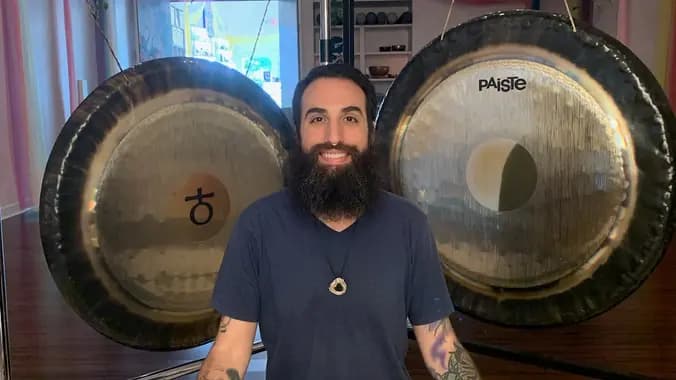
Cedar Bear has been trained in the lineage of Richard Rudis who created the original “Gong Bath™”. Cedar’s Gong Bath’s and concerts include elements from Nada Yoga, DJ mixing, drumming, Tibetan Buddhism, Tantric Hinduism, sacred geometry, and Reiki. This creates a meditative experience in which each participant is acoustically guided via harmonic overtones, into realms of physical & mental/emotional well-being as well as cellular healing. Carefully designed vibrational constructs are used to further entice the brain into Alpha/Theta/Delta wave-scapes of clarity, peace, and wholeness which promotes physIcal, mental, and spiritual awakening, wisdom, and healing.
:: How to Prepare/What to Bring ::
-yoga mat or something soft to lie on and or a pillow.
-we have chairs and back jacks for sitting
-avoid wearing any heavy scents or oils
For more info visit: www.torencollective.com/sound-healing
Beginner’s workshop lesson at 7:30 P.M., then 8-11 P.M. Contra Dance with Country Waltzing at the break and the final dance. This is a partner dance but it’s not necessary to come with a partner. We have different live bands and callers.
The Artist Support Grant provides funding emerging or established artists to create work, improve their business operations, or bring their work to new audiences. Grants range from $500-3,000.
Buncombe County is excited to announce the inquiry process is now open for the 2022 Homeowner Grant Program. This program is officially in its second year, and qualified homeowners will have an opportunity to receive financial assistance for housing-related costs. The program website is now accepting inquiries for support, or homeowners can call (828) 250-5500. You must call or submit an inquiry to determine eligibility.
With the FY23 budget approval, the Board of Commissioners approved $300,000 for the program, and through a collaborative partnership, residents in the City of Asheville and the Town of Woodfin will be eligible to receive additional assistance. You may qualify for up to $300 in unincorporated Buncombe County, and up to $500 in City of Asheville and Woodfin. Please note that applicants who received grants last year will need to re-apply.
Through this program, residents who own residential property in Buncombe County that they have lived in as their primary residence for at least five years and who earn at or less than 80% of Area Median Income (AMI) as a household may be eligible to participate. Those who apply for the program and meet these criteria may receive up to $300 from Buncombe County and up to $200 from the City of Asheville or the Town of Woodfin.
If eligible, grantees may choose to have grant funds applied to their property tax bill and/or paid and applied to other housing-related obligations such as housing costs, mortgage, or homeowner’s insurance. Payments are made directly to the source of the approved bill. Payments will not be made directly to individuals. There are several new aspects to this year’s program including new eligibility requirements, and now mobile-home owners may receive the grants.
- You must have owned and lived in your home for 5 years or more
- Your home must by your primary and only residence
- Your household income is at or below 80% of area median income (AMI)
- Your household cannot already be receiving tax deferment assistance like elderly/disabled, or Veterans exemptions.
- You must not have more than $60,000 in liquid resources (for example: your cash on hand, checking & savings accounts combined, or other investments available to you within 7 days)
The inquiry process will be open through Sept. 30. Eligible homeowners can submit an inquiry on the homeowner grant website or call (828) 250-5500 to start the application process. Phone support is available in any language. Please note that we anticipate a high volume of calls and inquiries at the onset, and it may take a few weeks for a case manager to get back with you.
“If you think you may qualify, but you aren’t sure, please give our team a call,” says Economic Services Director Phillip Hardin. “We know there are a number of unique circumstances, and our staff will work with homeowners to help find solutions.”
Buncombe County is excited to announce the inquiry process is now open for the 2022 Homeowner Grant Program. This program is officially in its second year, and qualified homeowners will have an opportunity to receive financial assistance for housing-related costs. The program website is now accepting inquiries for support, or homeowners can call (828) 250-5500. You must call or submit an inquiry to determine eligibility.
With the FY23 budget approval, the Board of Commissioners approved $300,000 for the program, and through a collaborative partnership, residents in the City of Asheville and the Town of Woodfin will be eligible to receive additional assistance. You may qualify for up to $300 in unincorporated Buncombe County, and up to $500 in City of Asheville and Woodfin. Please note that applicants who received grants last year will need to re-apply.
Through this program, residents who own residential property in Buncombe County that they have lived in as their primary residence for at least five years and who earn at or less than 80% of Area Median Income (AMI) as a household may be eligible to participate. Those who apply for the program and meet these criteria may receive up to $300 from Buncombe County and up to $200 from the City of Asheville or the Town of Woodfin.
If eligible, grantees may choose to have grant funds applied to their property tax bill and/or paid and applied to other housing-related obligations such as housing costs, mortgage, or homeowner’s insurance. Payments are made directly to the source of the approved bill. Payments will not be made directly to individuals. There are several new aspects to this year’s program including new eligibility requirements, and now mobile-home owners may receive the grants.
- You must have owned and lived in your home for 5 years or more
- Your home must by your primary and only residence
- Your household income is at or below 80% of area median income (AMI)
- Your household cannot already be receiving tax deferment assistance like elderly/disabled, or Veterans exemptions.
- You must not have more than $60,000 in liquid resources (for example: your cash on hand, checking & savings accounts combined, or other investments available to you within 7 days)
The inquiry process will be open through Sept. 30. Eligible homeowners can submit an inquiry on the homeowner grant website or call (828) 250-5500 to start the application process. Phone support is available in any language. Please note that we anticipate a high volume of calls and inquiries at the onset, and it may take a few weeks for a case manager to get back with you.
“If you think you may qualify, but you aren’t sure, please give our team a call,” says Economic Services Director Phillip Hardin. “We know there are a number of unique circumstances, and our staff will work with homeowners to help find solutions.”