
Upcoming events and things to do in Asheville, NC. Below is a list of events for festivals, concerts, art exhibitions, group meetups and more.

Interested in adding an event to our calendar? Please click the green “Post Your Event” button below.

Thursday, December 30, 2021
Be an Arts Ally Raffle
Dec 30 all-day
online

Be an Arts Ally

Join or renew your arts council membership between now and December 31st for your chance to win this raffle package, including a Wheel Thrown Shape vase from East Fork, truffles from Chocolate Fetish, a card set from Noir Collective, and two bottles wine from Marked Tree vineyard.

Curatorial Fellowship
Dec 30 all-day
online with Center for Craft

Fellowship program supporting emerging craft curators to explore and test new ideas about craft.

Details

  • Award Amount:
  • Up to $5,000
  • Grant Period:
  • Through 2023

Timeline

  • Applications Open:
  • Nov 16, 2021
  • Orientation:
  • January 14, 2022
  • Deadline:
  • Feb 14, 2022
  • Notification:
  • Apr 2022
  • Grant Period begins:
  • May 2022
  • Grant Period ends:
  • Through 2023
The Asheville Art Museum Fall Annual Fund
Dec 30 all-day
Online w/ Asheville Art Museum
The Asheville Art Museum is a 501(c)3 nonprofit organization supported by your generous contributions. As our Fall Annual Fund wraps up at the end of the year, we ask you to join us in our vision: to transform lives through art.

If you have been positively impacted by the Museum’s exhibitions and/or programming, show your appreciation through a gift to the Annual Fund. A gift of any amount is immensely appreciated and allows us to continue to provide meaningful art, education, and experiences to the people of Western North Carolina and the many visitors to our region. Contributions to the Annual Fund are tax deductible.

We can only do what we do through your support. Make your gift today and help us continue to make a difference in our community.

Van Gogh Alive at Biltmore Estate
Dec 30 all-day
Biltmore Estate

See the source image

Various times

His masterworks have been displayed around the world for over a century… but never like this. Described as “an unforgettable multi-sensory experience,” Van Gogh Alive is a powerful and vibrant symphony of light, color, sound, and scent that compels you to leave the world behind and immerse yourself in Van Gogh’s paintings. Simultaneously enchanting, entertaining, and educational, Van Gogh Alive stimulates all the senses and opens the mind.

The Omni Grove Park Inn 29th Annual National Gingerbread House Competition Display
Dec 30 @ 7:00 am – 9:00 pm
The Omni Grove Park Inn

The National Gingerbread House Competition™

The 29th Annual National Gingerbread House Competition™ – the largest in the world – will be held at the resort on Monday, November 22, 2021. This year, the Competition will be a combination of aspects from The 2020 National Gingerbread House Competition™, while bringing back the in-person events that make this experience so special to the competitors, Gingerbread enthusiasts, and the hotel. It is our mission to ensure that the Competition’s legacy built on design, innovation and tradition continues for future generations.

Like last year, the Competition will conduct the first round of judging virtually. This will enable documentation of the creation process, enhance the first round of the judging experience, and ensure the competition will continue safely, even if unforeseen circumstances were to arise. The first round is meant to give the judges a visual idea of the creation by showcasing a framework and different portions of the piece that highlight the story behind it- even if your final product is not yet completed. More details on this below.

The second round of judging will be done in-person at the hotel in the Grand Ballroom as in years past. The Omni Grove Park Inn is thrilled to once again display all Gingerbread entries at the Resort for public viewing to celebrate the hard work and dedication that goes into these edible works of art. All Gingerbread entries will be reviewed in-person during the second round to ensure the integrity of the Gingerbread creation physically meets the criteria.

For those who may not travel this season, the hotel will continue, “The 12 Days of Gingerbread” by releasing one of the Top 12 finalists, per day, on the hotel’s Facebook (@omnigroveparkinn) and Instagram (@omnigrovepark) channels from December 1 – 12, 2021 to spark Ginger-love for all during the happiest season of the year! This provides an in-person and virtual way for all to enjoy.

The winning creations will be on display Sunday, November 28, 2021 – Sunday, January 2, 2022. The Omni Grove Park Inn invites guests not staying at the Resort to view the display after 3:00 p.m. on Sundays or anytime Monday through Thursday, based on parking availability and excluding holidays and the following dates: December 23, 24, 25, 29, 30, 31 and January 1. Public viewing on December 26 and January 2 will reopen after 3:00 p.m. Please note that only Registered Resort Pets will be permitted. No outside pets will be allowed.

Arbor Huescapes: Paintings by Michael Fowler
Dec 30 @ 9:00 am – 5:00 pm
The North Carolina Arboretum

Artist Michael Fowler creates evocative abstract landscape paintings by incorporating vibrant colors with subtle, complex details. His semi-large-scale approach invites viewers to step into his work and build a sense of wonder and contemplation surrounding the natural world. Fowler’s artistic response in contemplating nature is to capture something of a landscape’s pleasantness, which is often unexpected harmonies of color and shape. In his latest exhibit, Arbor Huescapes, Fowler highlights the distinctive vegetation – primarily trees – and topography of North and South Carolina’s midlands and piedmont regions.

Fowler received his Bachelor of Arts from Harding University in Searcy, Arkansas with a focus in Advertising Design. He then attended the University of Nebraska where he received a Master’s degree in Fine Arts in Painting and Drawing with a minor in Art History. From there, he attended the University of Memphis where he earned a Doctorate in Higher Education. Based in North Augusta, South Carolina, Fowler is currently an associate professor of design and computer graphics and serves as the Mary Durban Toole Chair of Art at the University of South Carolina in Aiken. His paintings are in a number of public and private collections nationally, and he actively exhibits in regional and national shows.

Please note: Arbor Huescapes has been rescheduled due to the COVID-19 crisis and will now open in fall 2021. The exhibit is on display daily September 18, 2021 – January 9, 2022, from 9 a.m. to 5 p.m. inside the Baker Exhibit Center. All works are available for purchase and a portion of sales will be donated to The North Carolina Arboretum Society.

“Weaving Across Time”
Dec 30 @ 10:00 am – 6:00 pm
Center for Craft

Bringing thousands of years of tradition into conversation with contemporary practice, the Center for Craft’s exhibition ᎢᏛᏍᎦ ᏫᏥᏤᎢ ᎠᎵᏰᎵᏒ Weaving Across Time showcases the works of nine Eastern Band Cherokee basket makers. Touching on the dynamic evolution of lineage, sustainability, and cultural expression, the exhibition opens on December 13. This exhibition is supported in part by the Cherokee Preservation Foundation, the National Endowment for the Arts, and AARP, Mountain Region North Carolina.

The artists’ work with two of the oldest materials in Cherokee basket making tradition, mountain rivercane and white oak, both of which have been used for thousands of years by Southeastern tribes. The end results are both beautiful and functional – entries in an evolving craft tradition that began tens of thousands of years ago and is experiencing a resurgence. The labor-intensive process of basket making, which includes harvesting materials, gathering plants for dyes, and deciding on intricate patterns, itself becomes a key component of the final object, which interweaves ecology, culture, land, and identity.

These plants, particularly rivercane, are at the heart of Cherokee tradition and culture. The subject of serious conservation efforts, rivercane is also a vital plant for water quality and erosion mitigation, as well as a habitat for riparian species. Despite its importance, the effects of climate change and continually encroaching development in rivercane habitats has contributed to its depletion, both as a material for artists and a plant essential for environmental health. Basket makers harvesting rivercane for splints approach the plant with deep reverence and knowledge of its centrality to the ecosystem, sometimes traveling hundreds of miles to harvest it sustainably.

Other materials, selected with just as much care, reveal elements of process and the natural environment, including the plants available to harvest in particular seasons. White oak can be gathered year-round, but is easiest to process in spring and summer when sap runs up the tree. Dyes used for the baskets, sourced from plants including bloodroot, butternut, and walnut, add rich color to final pieces while also revealing information about harvest time and supply. The laborious, intensive process links generations of basket makers across centuries.

As Cherokee lands have been stolen or transformed beyond recognition, materials are harder to come by, but the rewards are rich. As basket maker ᏚᏍᏓᏯᎫᎾᏱ Gabriel Crow, explains, “When you’re taking that extra step, going out and doing this completely by hand, you’re a basket maker, not just a weaver. My hands are rough and calloused over because I make the splints myself.” Crow makes an average of just 20 baskets a year and, like other basket makers, wastes no scraps, instead making mats, miniature pieces, or, as a last resort, using them for kindling.

The baskets in the exhibition, all of which were created in the last two decades, connect lineages across time and space in a vibrant, living tradition. Patterns based on rhythmic numerical sequences are passed down from teacher to student. Basket makers also borrow from contemporaries and innovate to create pieces in their own recognizable styles. Basket maker ᎺᎵ ᏔᎻᏏᏂ Mary W. Thompson, who is also the consulting artist for The Basket public art parklet, finds inspiration in designs she sees on her travels to visit other tribes in North and South America. For her, baskets are symbolic of Cherokee resilience. “The Cherokee have always been able to change and adapt with time,” she says, “so our artwork and art forms have changed and evolved along with us.”

The exhibition will be on view until April 22. Visitors can reserve 30-minute time slots for unguided visits to explore the current exhibitions, learn more about the Center’s national impact, and enjoy interactive activities. The Center is open to the public Monday – Friday, 10 am – 6 pm. Hours of operation may be subject to change.

Center for Craft is monitoring the effects of COVID-19 on the community and following the instruction of federal, state, and local health departments. Our top priority is always the health and safety of our staff, coworkers, and visitors. At this time, the Center requires the use of masks or face coverings by all visitors, including children. The Center reserves the right to refuse entry to any visitor that will not comply.

BLACK + WHITE 4
Dec 30 @ 10:00 am – 5:00 pm
Folk Art Center

Main Gallery show featuring members of the Southern Highland Craft Guild.

Black in Black on Black: Making the Invisible Visible Exhibition
Dec 30 @ 10:00 am – 6:00 pm
Center for Craft

three images of works from Black in Black on Black Exhibition at the Center for Craft

In-Person

The Center is offering free, unguided visits and affordable tours of its exhibitions to the public. Guests can reserve a 30-minute visit to explore the current exhibitions, learn more about the Center’s national impact in their Craft Research Fund Study Collection, and enjoy interactive activities. The Center is open to the public Monday-Friday, 10 am – 6 pm. Hours of operation may be subject to change.

Center for Craft is monitoring the effects of COVID-19 on the community and following the instruction of federal, state, and local health departments. Our top priority is always the health and safety of our staff, coworkers, and visitors. At this time, the Center can only allow a maximum of five guests in its public space at once and will require the use of masks or face coverings by all visitors, including children. The Center reserves the right to refuse entry to any visitor that will not comply.

Heart of Health Art and Social Science Exhibit: WNC African American Lives
Dec 30 @ 10:00 am – 6:00 pm
John Cram Partner Gallery at the Center for Craft
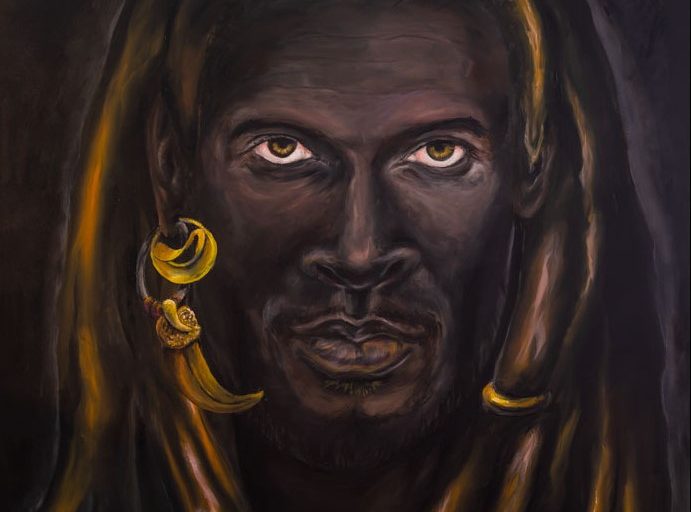
“He”, by artist Ann Miller Woodford, will be on display as part of the Black in Black on Black exhibit in downtown Asheville, NC’s John Cram Partner Gallery at the Center for Craft

Black in Black on Black: Making the Invisible Visible 

On September 6th, UNC Asheville, the Asheville Buncombe Institute of Parity Achievement (ABIPA), and partners will launch a new exhibit, Black in Black on Black: Making the Invisible Visible in the John Cram Partner Gallery at the Center for Craft. The new exhibit is a visual conversation about the lives and contributions of Black/African American communities in Western North Carolina (WNC).

Bringing together stunning artwork and visual design by WNC-based artists Ann Miller Woodford, Ronda Birtha, Viola Spells, and Reggie Tidwell, with social science data and stories, this exhibit invites audiences into an often invisible history of our region. As Woodford states, “My emphasis has been on people who have dedicated their lives to humanity, but have been overlooked, ignored, and often forgotten.”

Deeply personal art is integrated with charts and quotes from the Heart of Health: Race, Place, and Faith in Western North Carolina project. Heart of Health is a three-year community-participatory research study that seeks to better understand the role and impact of race and racism on health through secondary data analyses and interviews. It is co-led by researchers from UNC Asheville, ABIPA, and Sparrow Research, and community partners from around WNC. “One of our first findings was that much of the data on African Americans and drivers of health and inequities, for example, land and business ownership, have been suppressed due to small populations or other reasons. This collaborative research seeks to highlight and encourage responsible collection and use of data and stories,” said Ameena Batada, UNC Asheville professor of health and wellness and one of the co-leads on the Heart of Health project.

Visitors to the exhibit, both in-person and online, are invited to a multisensory and interactive experience, including paintings, photographs, narrative text, quotes and graphics, sculptural pieces, digital data visualization, and music. The exhibit also invites visitors to learn about the ways in which African Americans and others in WNC are working to reduce racism and build community through grassroots and organizational efforts. JéWana Grier McEachin, executive director of ABIPA, co-lead on the Heart of Health project, and member of exhibit partner The LINKS Incorporated, remarked, “The gathering of data and translation of research through Black in Black on Black has been influenced by the connections of the Artists, WNC Research Team and Community Advisory Board. This sort of six degrees of separation between the research exhibit and active change agents through Organizations in Western North Carolina is impactful and invaluable.”

Black in Black on Black: Making the Invisible Visible will be up in the John Cram Partner Gallery at the Center for Craft at 67 Broadway Street in Asheville, NC from September 6, 2021 – January 7, 2021, and a virtual tour soon online. Support for this project was provided by a grant from the Robert Wood Johnson Foundation Interdisciplinary Research Leaders program. Interdisciplinary Research Leaders is a national program of the Robert Wood Johnson Foundation led by the University of Minnesota. The views expressed here do not necessarily reflect those of the Foundation or the University of Minnesota.

Learn more about the exhibit, artists, and research at: heartofhealthwnc.wordpress.com/annstree.comthinlyfoldedegg.comwww.facebook.com/ZenobiaStudio/, and pro16productions.com.
Winter Wonderland
Dec 30 @ 10:00 am – 5:00 pm
North Carolina Glass Center

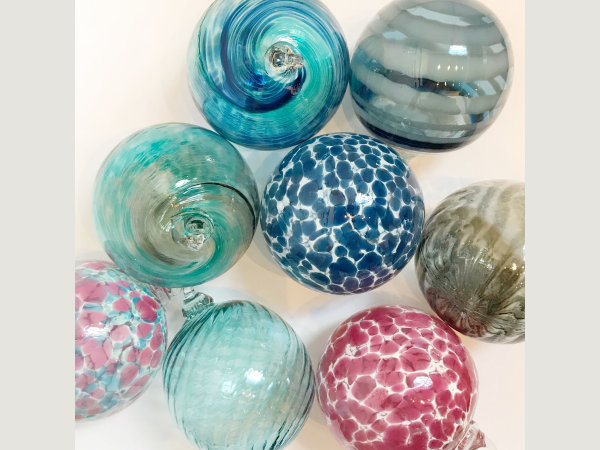
Come celebrate the season at our first Winter Wonderland! Our D Space Gallery, will be adorned with glass ornaments, snowflakes, snowmen, candy canes, and whatever else Asheville area glassblowers dream up. Shop for holiday gifts or festive decor for your home while watching live glassblowing in our studio. Winter Wonderland will be open during our normal gallery hours. The opening of this show coincides with River Arts District Studio Stroll, so there will be plenty to do and see in the area. NCGC is a non-profit glassblowing studio and gallery. Your purchases help to support local artists and our mission of education, exploration, and collaboration in all forms of glass.

A Dance of Images and Words: The Nancy Graves/Pedro Cuperman Tango Portfolio Art Exhibition
Dec 30 @ 11:00 am – 6:00 pm
Asheville Art Museum
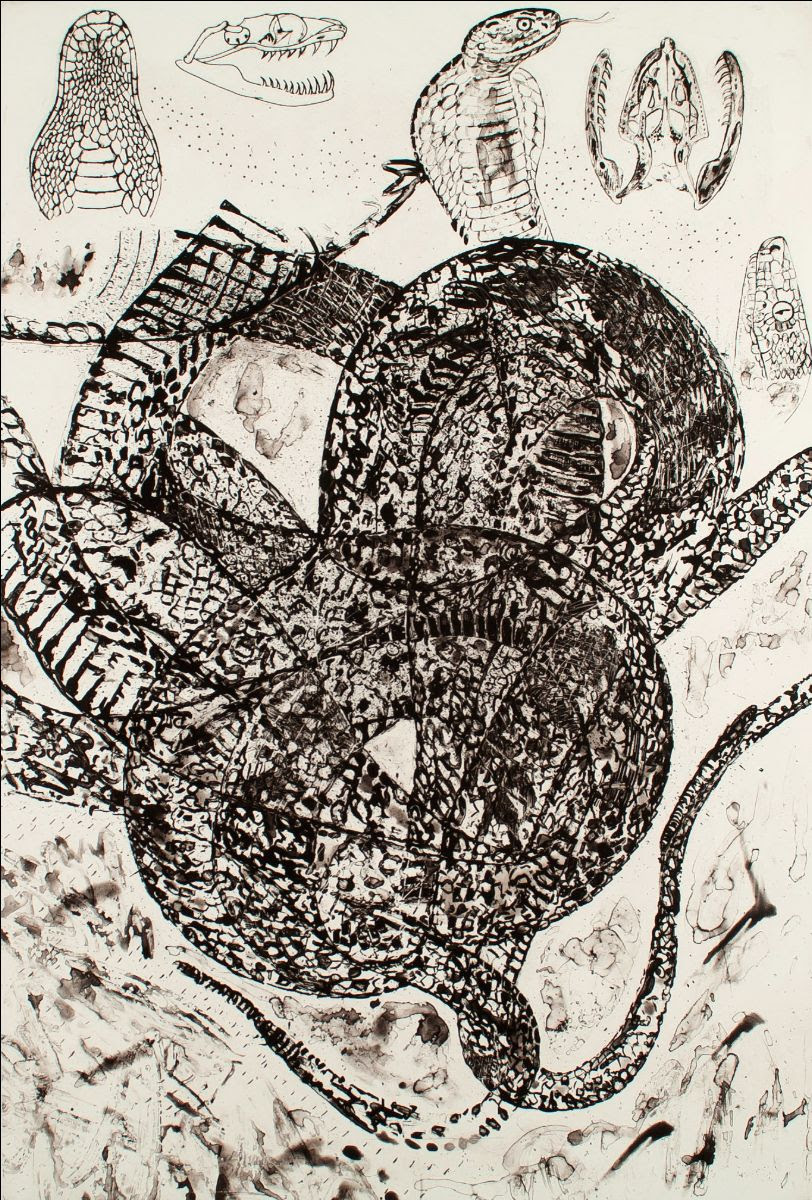
Nancy Graves, Parable of Nostalgia from the Tango portfolio, 1991, intaglio on cotton rag paper, edition 12/26, publisher: Iris Editions, New York, image: 26 × 17 5/8 inches, sheet: 35 3/4 × 26 inches. Asheville Art Museum. © Nancy Graves Foundation, Inc. / Licensed by VAGA at Artists Rights Society (ARS), NY.


A Dance of Images and Words: The Nancy Graves/Pedro Cuperman Tango Portfolio features a series of eight intaglio prints that depict plants and animals alongside eleven sheets of prose that explore the steps of the Argentinian dance, the tango. Organized by the Asheville Art Museum from the Museum’s Collection and curated by Hilary Schroeder, assistant curator, this exhibition will be on view in The Van Winkle Law Firm Gallery at the Museum from September 29, 2021 through January 10, 2022.

The common idiom “it takes two to tango” is immediately called into question in both the imagery and words of the Tango portfolio. The portfolio is an expression of artist Nancy Graves (Pittsfield, MA 1939–1995 New York, NY) writer Pedro Cuperman’s (1936–2016 Buenos Aires, Argentina) meditations on the dance. Their imagery and words become paired in an illustrated book though their explorations take different formats and directions. Both Graves and Cuperman look towards humankind and nature as a place where beings come together in the experience of living. This exhibition presents Graves’s eight prints alongside the portfolio frontispiece and a page of Cuperman’s text to immerse visitors in the collaborative dance of the tango.

A Living Language: Cherokee Syllabary and Contemporary Art
Dec 30 @ 11:00 am – 6:00 pm
Asheville Art Museum

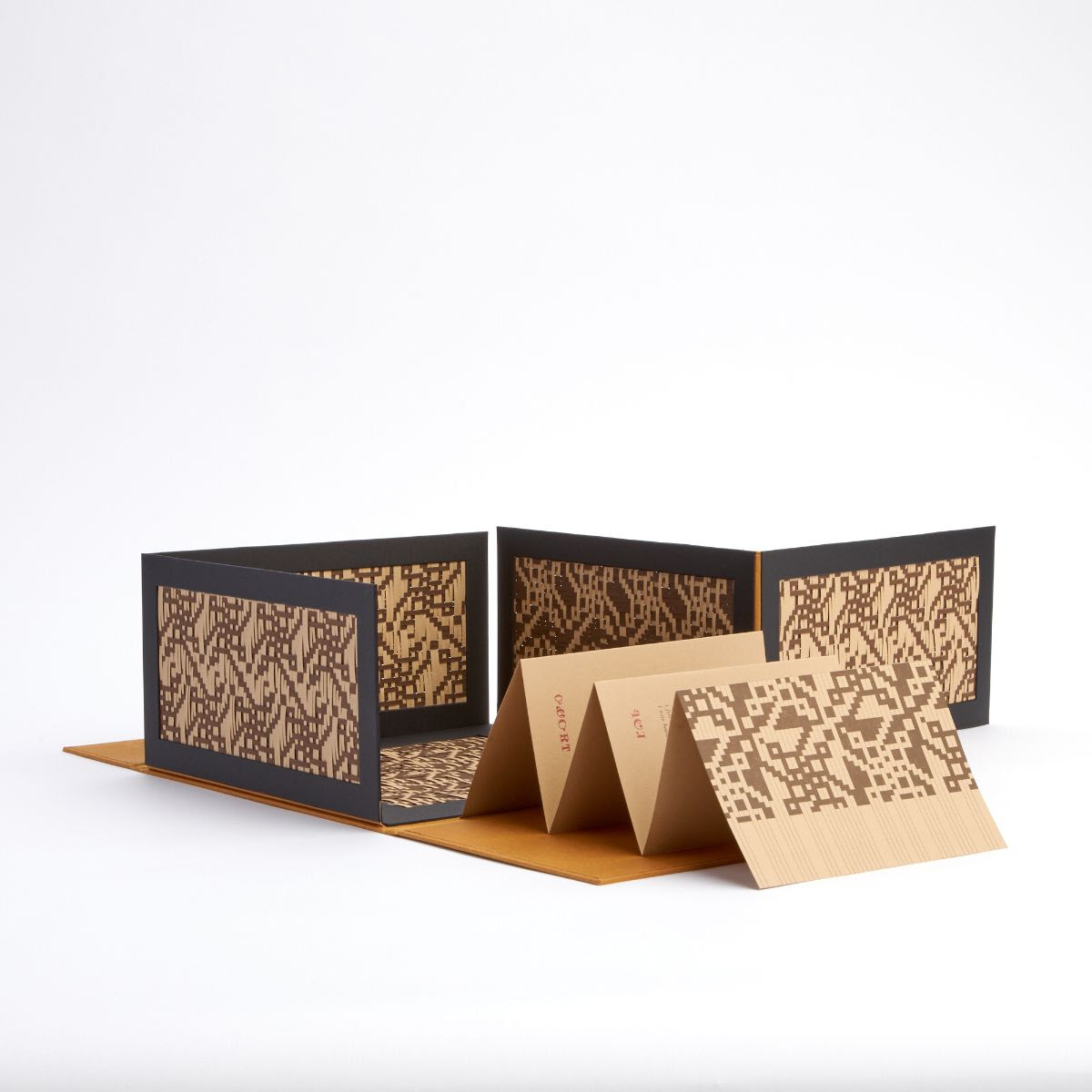
Rhiannon Skye Tafoya (Eastern Band of Cherokee Indians), Ul’nigid’, 2020, letterpress (photopolymer and Bembo & Cherokee Syllabary metal type) printed on handmade & color plan paper with paperweaving, closed: 11 × 11 ¼ inches, assembled: 23 ½ × 11 ¼ × 5 ⁵⁄₈ inches. Courtesy the Artist. © Rhiannon Skye Tafoya, image Rhiannon Skye Tafoya.
 Living Language: Cherokee Syllabary and Contemporary Art features over 50 works of art in a variety of media by 30+ Eastern Band of Cherokee Indians (EBCI) and Cherokee Nation artists. The exhibition highlights the use of the written Cherokee language, a syllabary developed by Cherokee innovator Sequoyah (circa 1776–1843). Cherokee syllabary is frequently found in the work of Cherokee artists as a compositional element or the subject matter of the work itself. The exhibition will be on view at the Museum of the Cherokee Indian in Cherokee, NC from June 12, 2021 to October 31, 2021, and in the Asheville Art Museum’s Appleby Foundation Exhibition Hall from November 19, 2021 to March 14, 2022.

The Cherokee Syllabary is a system of writing developed by Sequoyah in the early 1800s prior to the Removal period. Through Sequoyah’s innovative work, Cherokee people embraced the writing system as an expedient form of communication and documentation. During the Removal period, the syllabary was used as a tactic to combat land dispossession. Cherokee people continue to use the syllabary as a form of cultural expression and pride, which is showcased in the contemporary artwork of the Cherokee Citizens in this exhibition.

“We’re pleased to host this gathering of works from contemporary Cherokee artists, who perfectly illustrate how our language is a living and evolving part of who we are. It’s moving to see how each artist finds inspiration in their own way from this language that connects us as Cherokee people,” said Shana Bushyhead Condill, executive director of the Museum of the Cherokee Indian.

“The Asheville Art Museum and the Museum of the Cherokee Indian have been long-term collaborators, and we are delighted to further our partnership by working together to manage an open call to Cherokee artists and subsequently curate this exciting exhibition of contemporary works that take inspiration from, celebrate, preserve and interpret the syllabary,” said Pamela L. Myers, executive director of the Asheville Art Museum. “On view at both museums, we hope the exhibition engages a wide and diverse audience in dialogue with these extraordinary works.”

A Living Language: Cherokee Syllabary and Contemporary Art is organized by the Asheville Art Museum and Museum of the Cherokee Indian, and curated by Hilary Schroeder, assistant curator at the Asheville Art Museum, with assistance from curatorial consultant Joshua Adams (Eastern Band of Cherokee Indians). Special thanks to S. Dakota Brown, education director at the Museum of the Cherokee Indian, and Alexis Meldrum, curatorial assistant at the Asheville Art Museum, for their support in the planning of this exhibition. This project is made possible in part by a grant from the Blue Ridge National Heritage Area Partnership, and sponsored in part by the Cherokee Preservation Foundation and Kevin Click & April Liou in memory of Myron E. Click.

Eastern Band of Cherokee Indians artists include Joshua Adams, Jody Lipscomb Bradley, Nathan Bush, Kane Crowe, John Henry Gloyne, Shan Goshorn, Luzene Hill, Christy Long, Louise Bigmeat Maney, Christopher McCoy, Tara McCoy, Joel Queen, Sean Ross, Jakeli Swimmer, Rhiannon Skye Tafoya, Mary Thompson, Stan Tooni Jr.,  Alica Wildcatt, and Fred Wilnoty.

Cherokee Nation artists include Roy Boney Jr., Jeff Edwards, Joseph Erb, Raychel Foster, Kenny Glass, Camilla McGinty, Jessica Mehta, America Meredith, Jane Osti, Lisa Rutherford, Janet L. Smith, Jennifer Thiessen, and Jennie Wilson.

About the Museum of the Cherokee Indian

Established in 1948, the Museum of the Cherokee Indian is one of the longest operating tribal museums. Recognized for its innovative storytelling, the Museum features exhibits, artwork, and hands-on technology that brings over 15,000 years of Cherokee history to life. Located in Cherokee, NC, the Museum is open daily except Thanksgiving, Christmas, and New Year’s Day. Learn more by visiting mci.org.

Art Exhibit “Joyful Light”
Dec 30 @ 11:00 am – 6:00 pm
Asheville Gallery of Art

The Asheville Gallery of Art greets Winter with the exhibit, “Joyful Light,” a group show featuring images to welcome the joy and light of the season.  “Joyful Light” runs from December 1-31 with a Meet the Artists event on First Friday, December 3, 5-8 pm at the gallery, 82 Patton Avenue.  Please join us!

Each of us would benefit by having more joy and light into our lives and our world, after the last two difficult years.  The December exhibit at the Asheville Gallery of Art focuses on visual images that remind us to welcome the joy and light of the season into our hearts and homes.

“Joyful Light” runs from December 1-31 during gallery hours, 11am-6pm, and features works by numerous artists in a variety of mediums.  A gathering to meet the artists will be held on First Friday, December 3 from 5-8pm at the gallery at 82 Patton Avenue.  Please join us during this special time of year to view the wonderful medley of offerings!

Raquel Egosi – “Terpsichore”, Acrylic

“While mostly abstract, this painting is inspired by the dynamic flow of the joy of dance, the exuberance of life, and the creativity of performance and stage lights.”

Patricia Veatch – “Merry Berry”, Oil

“Christmas has always been my favorite time of year.  I love Christmas most of all for the opportunity to be with family and share our traditions.  After a very isolated zoom Christmas last year, our family is going to celebrate with gusto!”

Robin Altman – “Mountain Sunflower”, Acrylic
“This little painting is a reminder to get up each day with the intent to shine a light on the world in some way. Just as nothing stops nature, we must stand up and be counted.”

Sally Lordeon – “Sunlight Thru the Trees”, Acrylic

“As the days shorten, we are reminded of nature’s eternal gift of gleaming sunlight that shines through the thickest forest and brings us the joy of another beautiful day.”

The Asheville Gallery of Art is open 7 days a week.  For more information about this show, contact the gallery at (828) 251-5796, visit the gallery website at www.ashevillegallery-of-art.com, or go to the gallery’s Facebook page.

December 1st to December 31st, 2021 Daily from 11am to 6 pm


Gestures: Mid-Century Abstraction from the Collection and Modernist Design at Black Mountain College to Open at Asheville Art Museum
Dec 30 @ 11:00 am – 6:00 pm
Asheville Art Museum
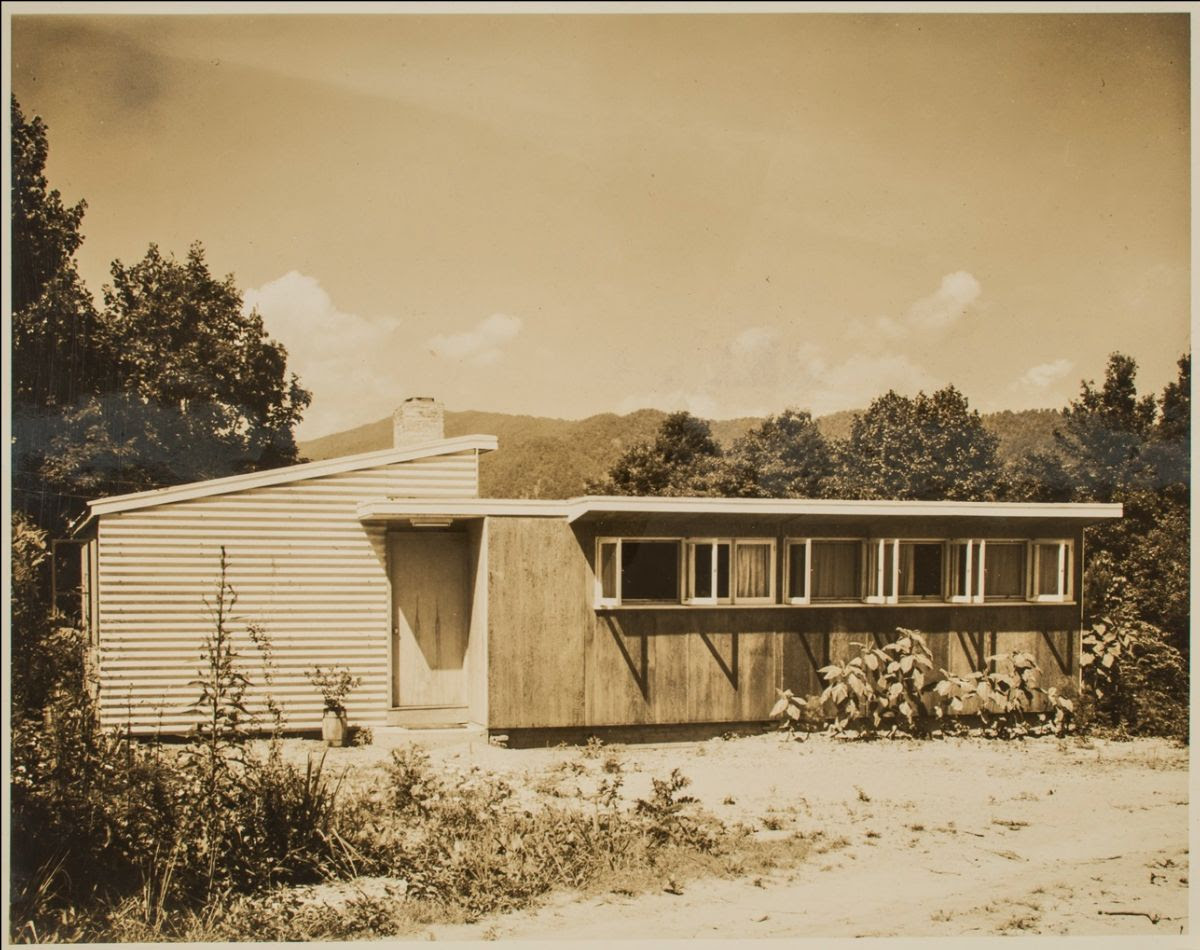
Claude Stoller, Jalowetz Cottage, 1942, gelatin silver print on paper, 8 × 10 inches. Asheville Art Museum. © Claude Stoller, image David Dietrich.

The Asheville Art Museum is proud to announce two new companion exhibitions highlighting artworks from the Collection. GesturesMid-Century Abstraction from the Collection explores works in a variety of media that speak to the vibrant abstract experiments in American art making during the middle of the 20th century. Modernist Design at Black Mountain College features the Museum’s collection of groundbreaking designs from Black Mountain College (BMC)—including architecture, furniture, ceramics, textiles, and more—and situates them in the context for BMC’s influences and surroundings. Artists featured in the two exhibitions include Anni Albers, Josef Albers, Ruth Asawa, Jorge Fick, Buckminster Fuller, Mary “Molly” Gregory, Karen Karnes, A. Lawrence Kocher, Albert Lanier, Jo Sandman, Mim Sihvonen, Robert Turner, Gerald Van de Wiele, and more. The exhibitions will be on view in the Museum’s Explore Asheville Exhibition Hall from October 22, 2021 through January 24, 2022.

Modernist Design at Black Mountain College Art Exhibit
Dec 30 @ 11:00 am – 6:00 pm
Asheville Art Museum
Mary “Molly” Gregory, Lazy-J Chair, circa 1945, ash, leather, and brass, 26 3/4 × 17 1/8 × 24 1/2 inches. Asheville Art Museum. © Estate of Mary Gregory, image David Dietrich. | Mary “Molly” Gregory, Stool, circa 1941–1945, stained oak, 15 1/2 × 18 × 15 inches each. Asheville Art Museum. © Estate of Mary Gregory, image David Dietrich.
Asheville, N.C.Modernist Design at Black Mountain College will feature works of design from the Asheville Art Museum’s Collection by Black Mountain College artists including Anni Albers, Josef Albers, A. Lawrence Kocher, Buckminster Fuller, Karen Karnes, Robert Turner, Mary “Molly” Gregory, Ruth Asawa, Albert Lanier, Mim Sihvonen, and more. The exhibition will be on view in the Museum’s Explore Asheville Exhibition Hall from October 22, 2021 through January 24, 2022.

The experiment known as Black Mountain College (BMC) began in 1933 in the Blue Ridge Mountains of Western North Carolina. The country was in the midst of the Great Depression and headed towards World War II; budgets were low, but creativity was high. When Josef & Anni Albers emigrated from Germany to the United States, they left the Bauhaus school of art and design behind but brought with them their modern aesthetic and design prowess. As faculty leaders at BMC, they attracted well known architects like A. Lawrence Kocher and Buckminster Fuller, among others, to teach architecture and design.

Perhaps most progressive of their actions was to hire a woman, Mary “Molly” Gregory, to head the furniture workshop. An openness to creativity and a smart resourcefulness—on the part of both faculty and students (like Ruth Asawa, Albert Lanier, and Mim Sihvonen)—meant an artistic output of groundbreaking designs including architecture, furniture, ceramics, textiles, and more that has yet to be fully assessed. This exhibition highlights the Asheville Art Museum’s collection of design from BMC, like the rarely seen Gregory furniture, and situates it in the context of its influences and surroundings at BMC.

“This exhibition combines artworks from the Museum’s Collection and on loan to explore a particular aspect of Black Mountain College that hasn’t been considered in depth: its design,” says Asheville Art Museum’s Associate Curator Whitney Richardson. “From the chairs used at the Blue Ridge Assembly to the architecture built at the Lake Eden Campus, the story of the design elements utilized by the faculty and students, and what they created within those contexts and environments, helps us look back at this place and time to proclaim BMC’s importance in the historical timeline of design. The aspect of this exhibition that excites me the most is displaying all of the Museum’s Molly Gregory furniture together for the first time since the Museum acquired it in 2017. Gregory’s ability to instruct BMC students on how to make their own furniture—mixed with her resourcefulness in using what the inadequately funded college could provide and the production of simple, modernistic furniture that has stood the test of time—astounds me.”

Ruminations on Memory Exhibition
Dec 30 @ 11:00 am – 6:00 pm
Asheville Art Museum
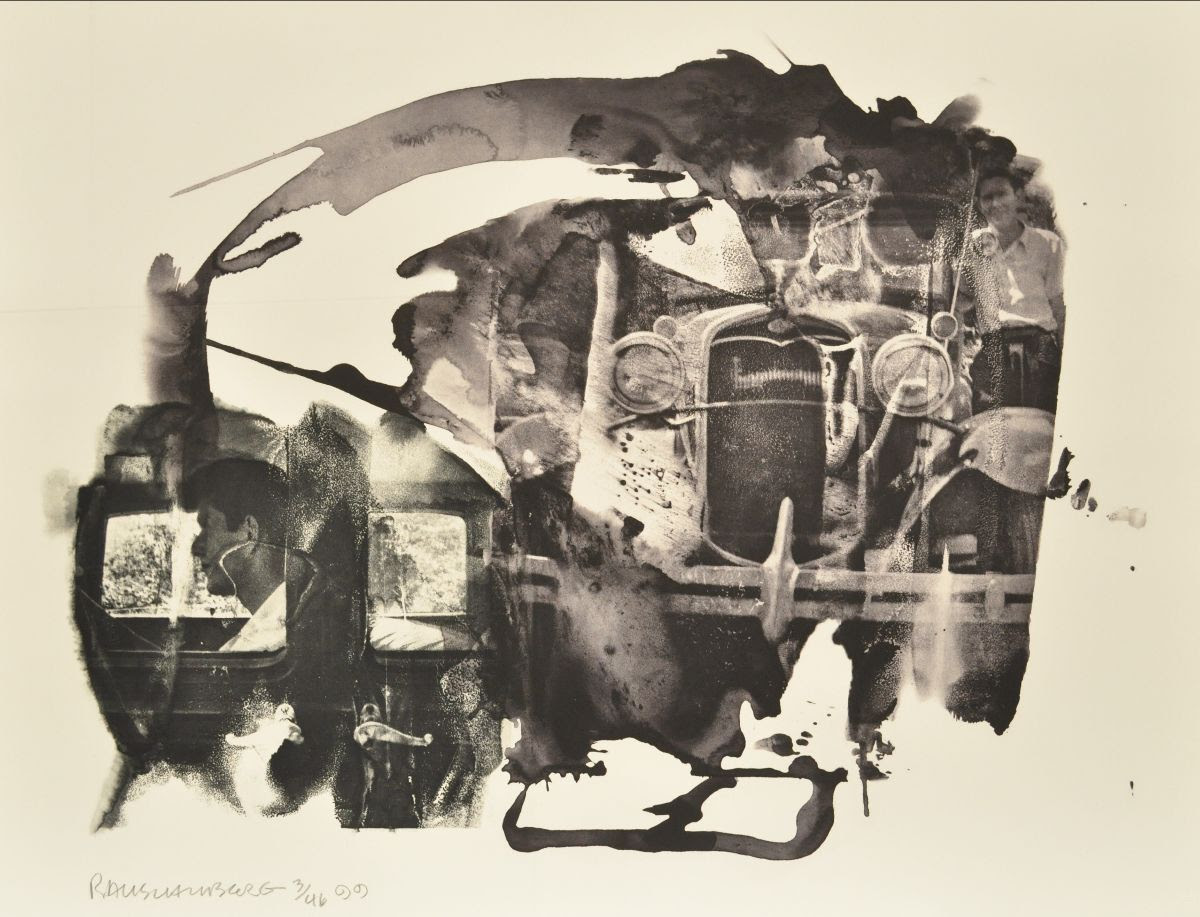
Robert Rauschenberg, John from the Ruminations series, 1999, photogravure on paper, edition 3/46, publisher: Universal Limited Art Editions, Bay Shore, NY, 29 ½ × 38 7/8 inches. Asheville Art Museum. © Robert Rauschenberg Foundation / VAGA at Artists Rights Society (ARS), New York.

Ruminations on Memory contends with the act of remembrance and reflection, featuring a rare presentation of all nine prints from Robert Rauschenberg’s Ruminations portfolio, Judy Chicago’s Retrospective in a Box portfolio, and selections from the Museum’s Collection. Organized by the Asheville Art Museum and curated by Hilary Schroeder, assistant curator, this exhibition will be on view in Appleby Foundation Exhibition Hall at the Museum from November 19, 2021 through March 14, 2022 in conjunction with A Living Language: Cherokee Syllabary and Contemporary Art

Artworks are vessels for processing, recalling, and reflecting on the past. Artists often draw upon materials from their own pasts and grasp at fleeting moments in time in the creation of an object. For the viewer, observation of an artwork can draw out personal memories.

Artworks in a variety of media explore various ways of remembering, including individual memories that focus on the moments from an artist’s past; generational memory that looks back to one’s ancestors, whether recent or long past; and collective memory, wherein in an image might evoke bygone times that balance between constructed and real. Through these artworks that ruminate upon the past, viewers may discover the stirrings of their own thoughts and recollections prompted by the works before them.

Ruminations on Memory offers a unique opportunity to experience the entirety of a major print portfolio by American painter Robert Rauschenberg (Port Arthur, TX 1925–2008 Captiva, FL). Rauschenberg was a student at Black Mountain College in NC for the 1948–1949 and 1951–1952 academic sessions and for the 1951 and 1952 summers. His Ruminations series consists of nine color photogravures which were printed in 1999 and reflect on Rauschenberg’s early life, his friends and family, and the memories he held dear. The series represents especially significant mature work by Rauschenberg that looks back to his most formative moments as an artist including his time at Black Mountain College and the friendships and ideas formed there.

Also presented in the exhibition is an important series of prints by Judy Chicago (born Chicago, IL 1939). Five decades into her career, Chicago stands as one of the foremost artists of the 20th and 21st centuries, having committed to socially minded work, uplifting in particular experiences salient to her feminine and Jewish identities. Retrospective in a Box consists of seven prints and a portfolio created in collaboration with the master printers at Landfall Press, and provides an overview of her major motifs and ideas, including the print Spring the Dinner, a nod to her seminal 1979 work The Dinner Party.

In addition to the artworks from the Museum’s Collection, visitors will be able to experience Felix Gonzales-Torres’s “Untitled” (L.A.), on loan from the Art Bridges collection. “Untitled” (L.A.) is one of the artist’s iconic interactive candy installations where memories are engaged not only through sight but through sound, touch, taste, and smell as well.

Learn more about Ruminations on Memory and A Living Language: Cherokee Syllabary and Contemporary Art at ashevilleart.org.

Walter B. Stephen Pottery: Cameo to Crystalline
Dec 30 @ 11:00 am – 6:00 pm
Asheville Art Museum

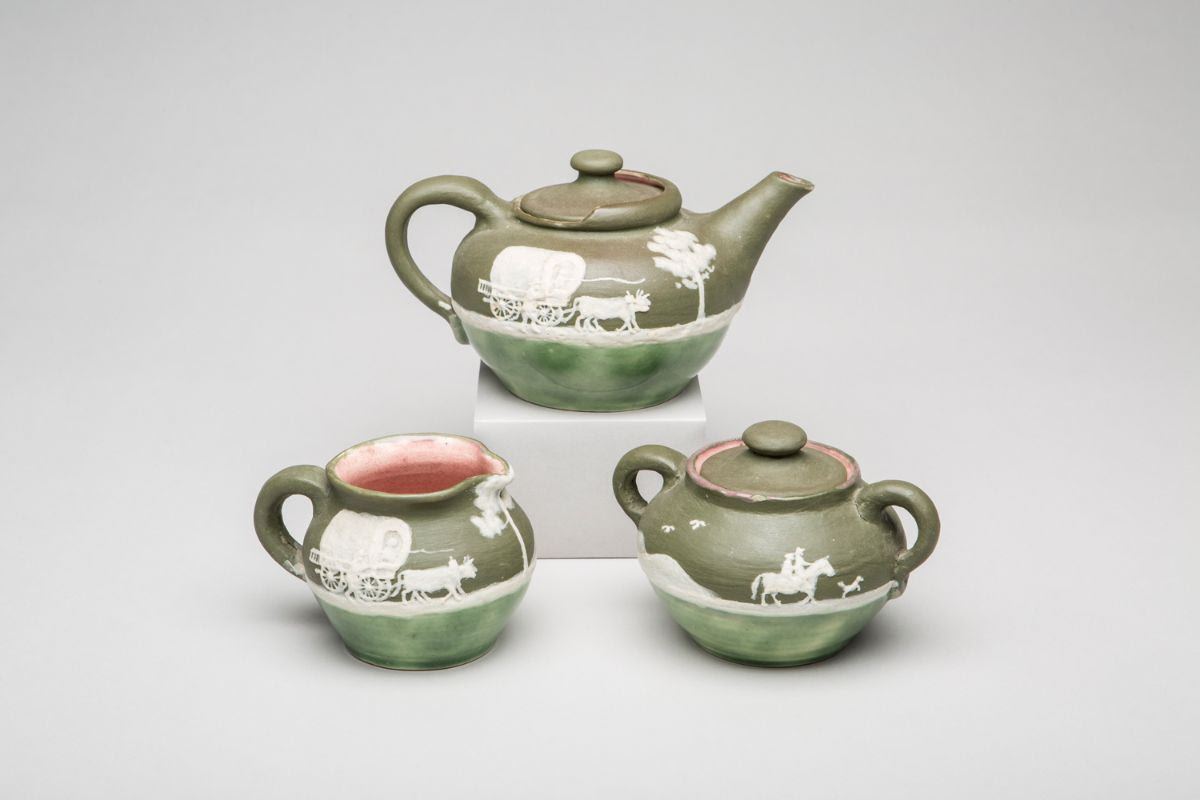
Artist Walter B. Stephen (Clinton, IA 1875–1961 Asheville, NC) contributed to Western North Carolina’s identity as a flourishing site for pottery production and craftsmanship in the early 20th century. Walter B. Stephen Pottery: Cameo to Crystalline features art pottery and functional vessels from each stage of Stephen’s career, from his origins discovering the medium alongside his mother Nellie C. Randall Stephen in Shelby County, TN from 1901 through 1910 to his multi-decade production just outside of Asheville. This exhibition will be on view in the Asheville Art Museum’s Debra McClinton Gallery July 28, 2021 through January 17, 2022.

In 1926, Stephen founded his third and last pottery studio, Pisgah Forest, in Arden, NC, which he operated until his death in 1961. It was at this studio that the artist perfected the “cameo” decoration technique for which he became best known. His hand-painted images, achieved with layers of white translucent clay, often feature American folk imagery, from covered wagons and livestock to cabins and spinning wheels. A selection of works from the Museum’s Collection showcase his innovation in form and in decorative surface details, including experimentation with crystalline glazing.

Holiday Arts Extravaganza 2021
Dec 30 @ 1:00 pm – 4:00 pm
Asheville Art Museum

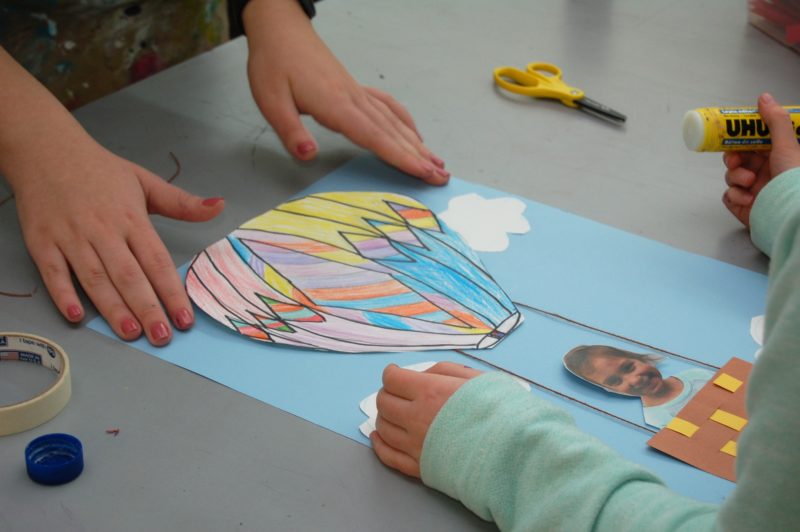
Let art turn your child’s holiday into an adventure to remember! Students in grades 1–4 are invited to join our educators for one or both afternoons of art-filled fun. Students spend their time in the Museum’s Education Center creating art of all kinds.

Please note:

  • Space is limited to small groups; pre-registration is required.
Friday, December 31, 2021
Asheville Art Museum From Home
Dec 31 all-day
online
WORK OF THE WEEK
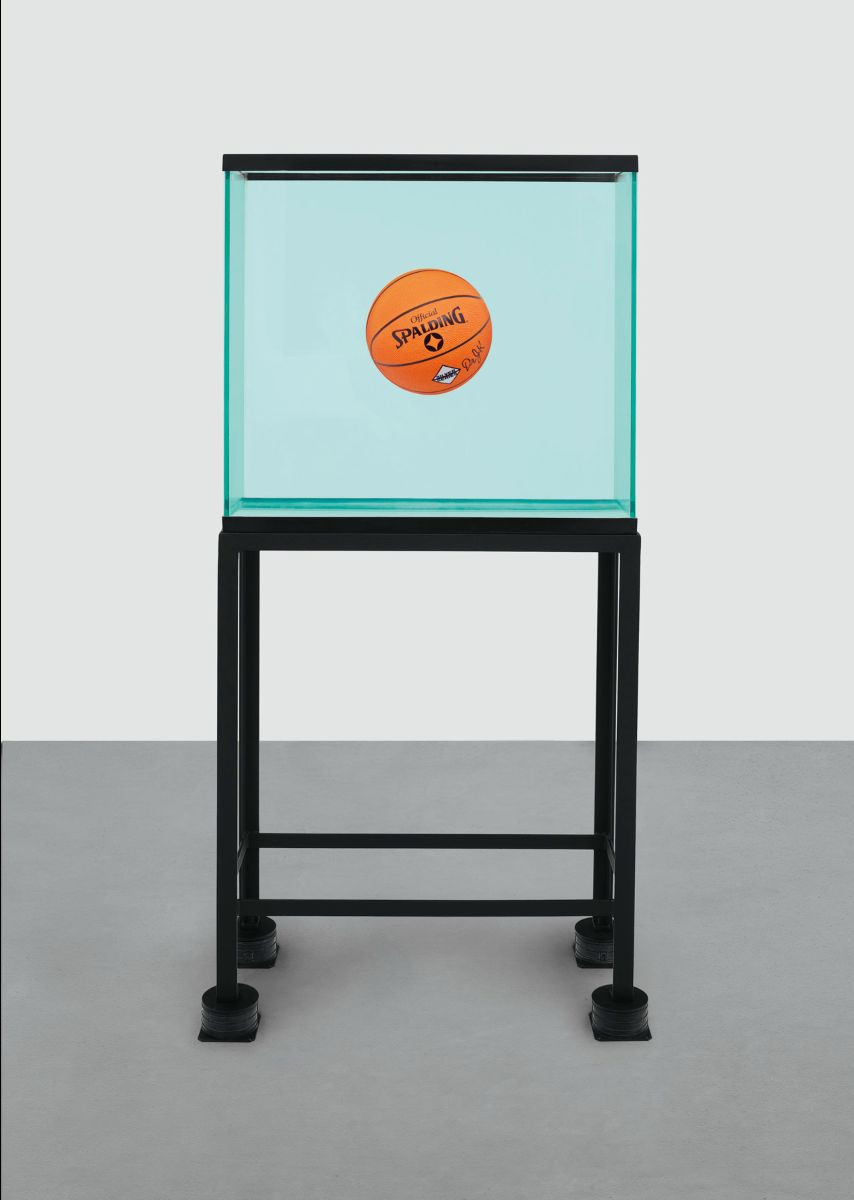
Jeff Koons’s One Ball Total Equilibrium Tank (Spalding Dr. J Silver Series) is currently on view in the Museum’s Artistic Tribute: Representation of the Athlete exhibition. Keira Ezzo, summer 2021 communications – multimedia storytelling intern, shares her take on this work for our Work of the Week. Read more about this work on the blog.

ENGAGE WITH THE MUSEUM FROM HOME

Check back often for new content that provides inspiration, calm, comfort, and yes, even some fun during this unprecedented time.

Asheville Art Museum Holiday Gift Guide 2021
Dec 31 all-day
Online w/ Asheville Art Museum

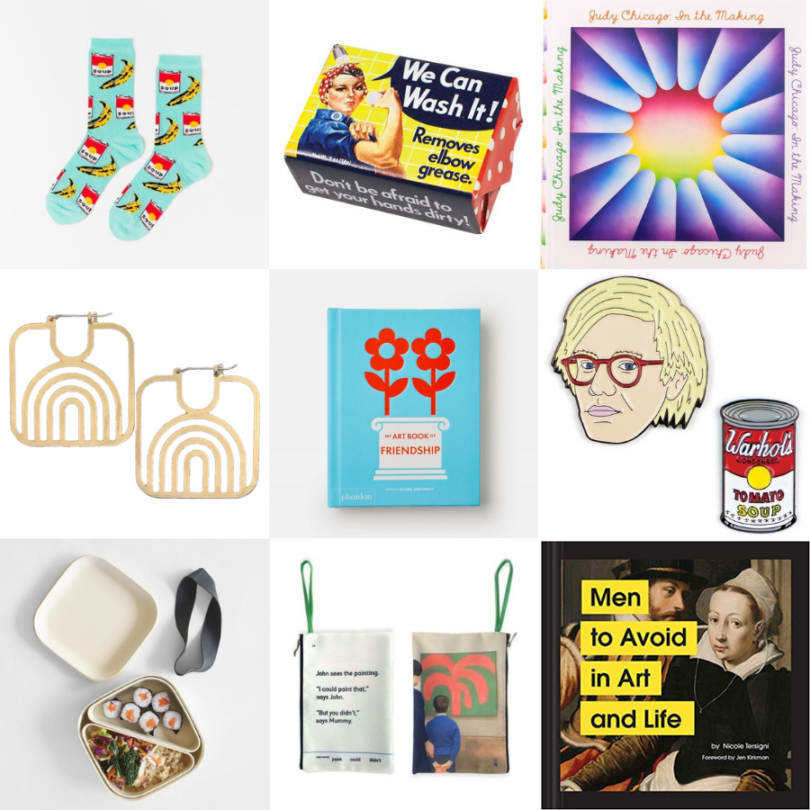
The holiday shopping season has begun and we’re here to help with gift ideas! From kids and students, to teachers, art lovers, bookworms, and that person who has everything, you’re sure to find something unique at the Museum for those on your list. Scroll down for a selection of our favorite ideas!


Asheville Gallery of Art’s December Exhibit, Joyful Light
Dec 31 all-day
Asheville Gallery of Art

Asheville Gallery of Art

December 2021 Exhibit

“Joyful Light”

Each of us would benefit by having more joy and light into our lives and our world, after the last two difficult years. The December exhibit at the Asheville Gallery of Art focuses on visual images that remind us to welcome the joy and light of the season into our hearts and homes.

“Joyful Light” runs from December 1-31 during gallery hours, 11am-6pm, and features works by numerous artists in a variety of mediums. A gathering to meet the artists will be held on First Friday, December 3 from 5-8pm at the gallery at 82 Patton Avenue. Please join us during this special time of year to view the wonderful medley of offerings!

Patricia Veatch – “Merry Berry”, Oil
“Christmas has always been my favorite time of year. I love Christmas most of all for the opportunity to be with family and share our traditions. After a very isolated zoom Christmas last year, our family is going to celebrate with gusto!”

Sally Lordeon – “Sunlight Thru the Trees”, Acrylic

“As the days shorten, we are reminded of nature’s eternal gift of gleaming sunlight that shines through the thickest forest and brings us the joy of another beautiful day.”

Raquel Egosi – “Terpsichore”, Acrylic

“While mostly abstract, this painting is inspired by the dynamic flow of the joy of dance, the exuberance of life, and the creativity of performance and stage lights.”

Robin Altman – “Mountain Sunflower”, Acrylic
“This little painting is a reminder to get up each day with the intent to shine a light on the world in some way. Just as nothing stops nature, we must stand up and be counted.”

The Asheville Gallery of Art is open 7 days a week. For more information about this show, contact the gallery at (828) 251-5796, visit the gallery website at www.ashevillegallery-of-art.com, or go to the gallery’s Facebook page.

Be an Arts Ally Raffle
Dec 31 all-day
online

Be an Arts Ally

Join or renew your arts council membership between now and December 31st for your chance to win this raffle package, including a Wheel Thrown Shape vase from East Fork, truffles from Chocolate Fetish, a card set from Noir Collective, and two bottles wine from Marked Tree vineyard.

Curatorial Fellowship
Dec 31 all-day
online with Center for Craft

Fellowship program supporting emerging craft curators to explore and test new ideas about craft.

Details

  • Award Amount:
  • Up to $5,000
  • Grant Period:
  • Through 2023

Timeline

  • Applications Open:
  • Nov 16, 2021
  • Orientation:
  • January 14, 2022
  • Deadline:
  • Feb 14, 2022
  • Notification:
  • Apr 2022
  • Grant Period begins:
  • May 2022
  • Grant Period ends:
  • Through 2023
The Asheville Art Museum Fall Annual Fund
Dec 31 all-day
Online w/ Asheville Art Museum
The Asheville Art Museum is a 501(c)3 nonprofit organization supported by your generous contributions. As our Fall Annual Fund wraps up at the end of the year, we ask you to join us in our vision: to transform lives through art.

If you have been positively impacted by the Museum’s exhibitions and/or programming, show your appreciation through a gift to the Annual Fund. A gift of any amount is immensely appreciated and allows us to continue to provide meaningful art, education, and experiences to the people of Western North Carolina and the many visitors to our region. Contributions to the Annual Fund are tax deductible.

We can only do what we do through your support. Make your gift today and help us continue to make a difference in our community.

Van Gogh Alive at Biltmore Estate
Dec 31 all-day
Biltmore Estate

See the source image

Various times

His masterworks have been displayed around the world for over a century… but never like this. Described as “an unforgettable multi-sensory experience,” Van Gogh Alive is a powerful and vibrant symphony of light, color, sound, and scent that compels you to leave the world behind and immerse yourself in Van Gogh’s paintings. Simultaneously enchanting, entertaining, and educational, Van Gogh Alive stimulates all the senses and opens the mind.

Arbor Huescapes: Paintings by Michael Fowler
Dec 31 @ 9:00 am – 5:00 pm
The North Carolina Arboretum

Artist Michael Fowler creates evocative abstract landscape paintings by incorporating vibrant colors with subtle, complex details. His semi-large-scale approach invites viewers to step into his work and build a sense of wonder and contemplation surrounding the natural world. Fowler’s artistic response in contemplating nature is to capture something of a landscape’s pleasantness, which is often unexpected harmonies of color and shape. In his latest exhibit, Arbor Huescapes, Fowler highlights the distinctive vegetation – primarily trees – and topography of North and South Carolina’s midlands and piedmont regions.

Fowler received his Bachelor of Arts from Harding University in Searcy, Arkansas with a focus in Advertising Design. He then attended the University of Nebraska where he received a Master’s degree in Fine Arts in Painting and Drawing with a minor in Art History. From there, he attended the University of Memphis where he earned a Doctorate in Higher Education. Based in North Augusta, South Carolina, Fowler is currently an associate professor of design and computer graphics and serves as the Mary Durban Toole Chair of Art at the University of South Carolina in Aiken. His paintings are in a number of public and private collections nationally, and he actively exhibits in regional and national shows.

Please note: Arbor Huescapes has been rescheduled due to the COVID-19 crisis and will now open in fall 2021. The exhibit is on display daily September 18, 2021 – January 9, 2022, from 9 a.m. to 5 p.m. inside the Baker Exhibit Center. All works are available for purchase and a portion of sales will be donated to The North Carolina Arboretum Society.

“Weaving Across Time”
Dec 31 @ 10:00 am – 6:00 pm
Center for Craft

Bringing thousands of years of tradition into conversation with contemporary practice, the Center for Craft’s exhibition ᎢᏛᏍᎦ ᏫᏥᏤᎢ ᎠᎵᏰᎵᏒ Weaving Across Time showcases the works of nine Eastern Band Cherokee basket makers. Touching on the dynamic evolution of lineage, sustainability, and cultural expression, the exhibition opens on December 13. This exhibition is supported in part by the Cherokee Preservation Foundation, the National Endowment for the Arts, and AARP, Mountain Region North Carolina.

The artists’ work with two of the oldest materials in Cherokee basket making tradition, mountain rivercane and white oak, both of which have been used for thousands of years by Southeastern tribes. The end results are both beautiful and functional – entries in an evolving craft tradition that began tens of thousands of years ago and is experiencing a resurgence. The labor-intensive process of basket making, which includes harvesting materials, gathering plants for dyes, and deciding on intricate patterns, itself becomes a key component of the final object, which interweaves ecology, culture, land, and identity.

These plants, particularly rivercane, are at the heart of Cherokee tradition and culture. The subject of serious conservation efforts, rivercane is also a vital plant for water quality and erosion mitigation, as well as a habitat for riparian species. Despite its importance, the effects of climate change and continually encroaching development in rivercane habitats has contributed to its depletion, both as a material for artists and a plant essential for environmental health. Basket makers harvesting rivercane for splints approach the plant with deep reverence and knowledge of its centrality to the ecosystem, sometimes traveling hundreds of miles to harvest it sustainably.

Other materials, selected with just as much care, reveal elements of process and the natural environment, including the plants available to harvest in particular seasons. White oak can be gathered year-round, but is easiest to process in spring and summer when sap runs up the tree. Dyes used for the baskets, sourced from plants including bloodroot, butternut, and walnut, add rich color to final pieces while also revealing information about harvest time and supply. The laborious, intensive process links generations of basket makers across centuries.

As Cherokee lands have been stolen or transformed beyond recognition, materials are harder to come by, but the rewards are rich. As basket maker ᏚᏍᏓᏯᎫᎾᏱ Gabriel Crow, explains, “When you’re taking that extra step, going out and doing this completely by hand, you’re a basket maker, not just a weaver. My hands are rough and calloused over because I make the splints myself.” Crow makes an average of just 20 baskets a year and, like other basket makers, wastes no scraps, instead making mats, miniature pieces, or, as a last resort, using them for kindling.

The baskets in the exhibition, all of which were created in the last two decades, connect lineages across time and space in a vibrant, living tradition. Patterns based on rhythmic numerical sequences are passed down from teacher to student. Basket makers also borrow from contemporaries and innovate to create pieces in their own recognizable styles. Basket maker ᎺᎵ ᏔᎻᏏᏂ Mary W. Thompson, who is also the consulting artist for The Basket public art parklet, finds inspiration in designs she sees on her travels to visit other tribes in North and South America. For her, baskets are symbolic of Cherokee resilience. “The Cherokee have always been able to change and adapt with time,” she says, “so our artwork and art forms have changed and evolved along with us.”

The exhibition will be on view until April 22. Visitors can reserve 30-minute time slots for unguided visits to explore the current exhibitions, learn more about the Center’s national impact, and enjoy interactive activities. The Center is open to the public Monday – Friday, 10 am – 6 pm. Hours of operation may be subject to change.

Center for Craft is monitoring the effects of COVID-19 on the community and following the instruction of federal, state, and local health departments. Our top priority is always the health and safety of our staff, coworkers, and visitors. At this time, the Center requires the use of masks or face coverings by all visitors, including children. The Center reserves the right to refuse entry to any visitor that will not comply.

BLACK + WHITE 4
Dec 31 @ 10:00 am – 5:00 pm
Folk Art Center

Main Gallery show featuring members of the Southern Highland Craft Guild.

Black in Black on Black: Making the Invisible Visible Exhibition
Dec 31 @ 10:00 am – 6:00 pm
Center for Craft

three images of works from Black in Black on Black Exhibition at the Center for Craft

In-Person

The Center is offering free, unguided visits and affordable tours of its exhibitions to the public. Guests can reserve a 30-minute visit to explore the current exhibitions, learn more about the Center’s national impact in their Craft Research Fund Study Collection, and enjoy interactive activities. The Center is open to the public Monday-Friday, 10 am – 6 pm. Hours of operation may be subject to change.

Center for Craft is monitoring the effects of COVID-19 on the community and following the instruction of federal, state, and local health departments. Our top priority is always the health and safety of our staff, coworkers, and visitors. At this time, the Center can only allow a maximum of five guests in its public space at once and will require the use of masks or face coverings by all visitors, including children. The Center reserves the right to refuse entry to any visitor that will not comply.