Upcoming events and things to do in Asheville, NC. Below is a list of events for festivals, concerts, art exhibitions, group meetups and more.

Interested in adding an event to our calendar? Please click the green “Post Your Event” button below.

Sunday, July 3, 2022
Art exhibit: Hybrid by Marco Reichert
Jul 3 @ 10:00 am – 6:00 pm
Bender Gallery
Hybrid
Marco Reichert
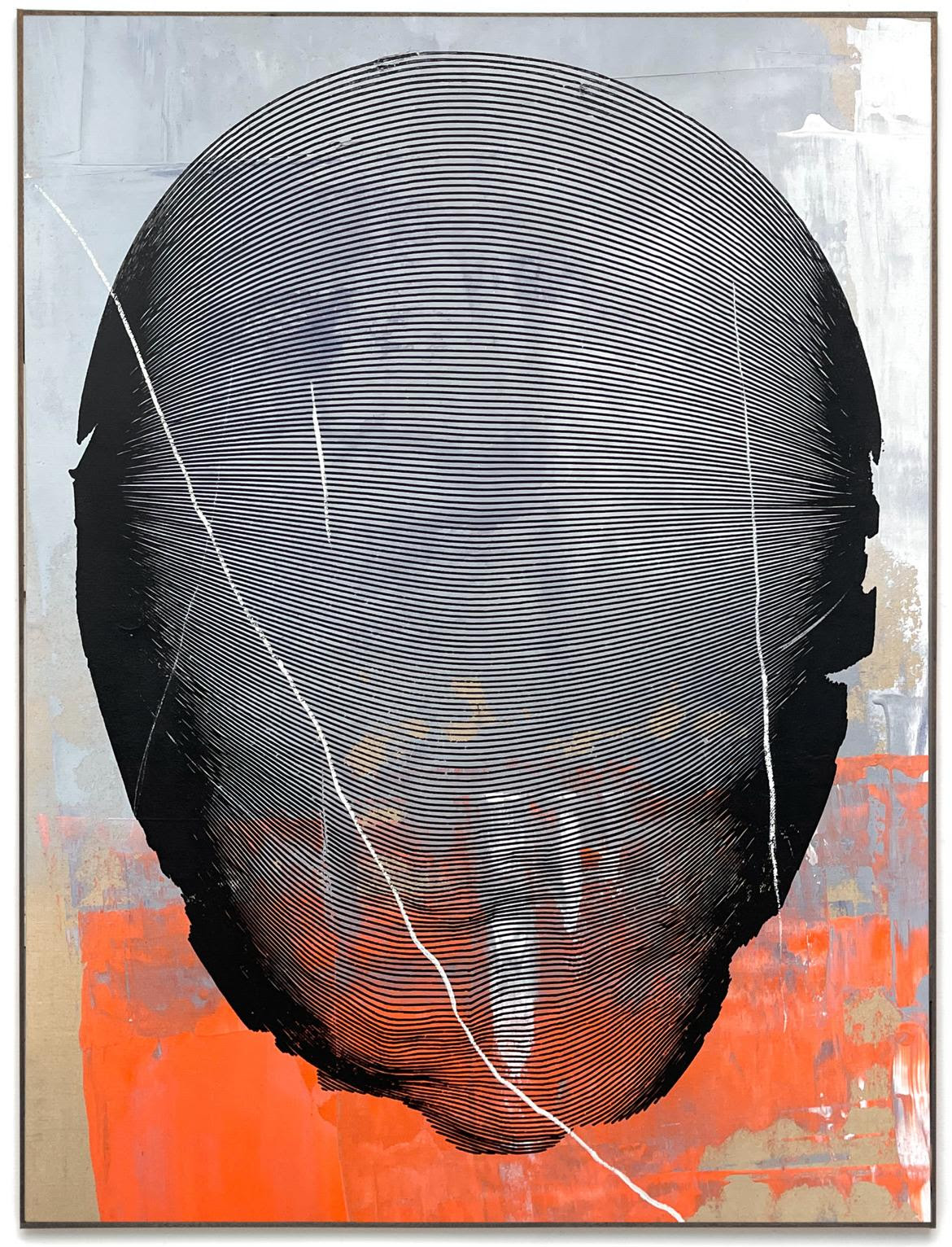
Bender Gallery is proud to announce Hybrid, a solo exhibition for Berlin based abstract painter Marco Reichert.
This solo exhibition highlights Reichert’s brand new ground breaking paintings made in conjunction with his own invented “painting machines.”
Mon – Sat 10 – 6 Sun 12 – 5
Earth’s Gifts | Focus Gallery Exhibition
Jul 3 @ 10:00 am – 5:00 pm
Folk Art Center

purple patchwork lap quilt

Featured Artists: Jude Stuecker (fiber) Erica Bailey (jewelry) Mary Dashiell (clay) Steve Miller (wood) Rex Redd (clay)

Haywood Community College’s Professional Crafts Program Graduate Exhibition
Jul 3 @ 10:00 am – 5:00 pm
Folk Art Center
Haywood Community College’s Professional Crafts Program Graduate Exhibition
Jul 3 @ 10:00 am – 5:00 pm
Folk Art Center
American Perspectives: Stories from the American Folk Art Museum Collection
Jul 3 @ 11:00 am – 6:00 pm
Asheville Art Museum
 

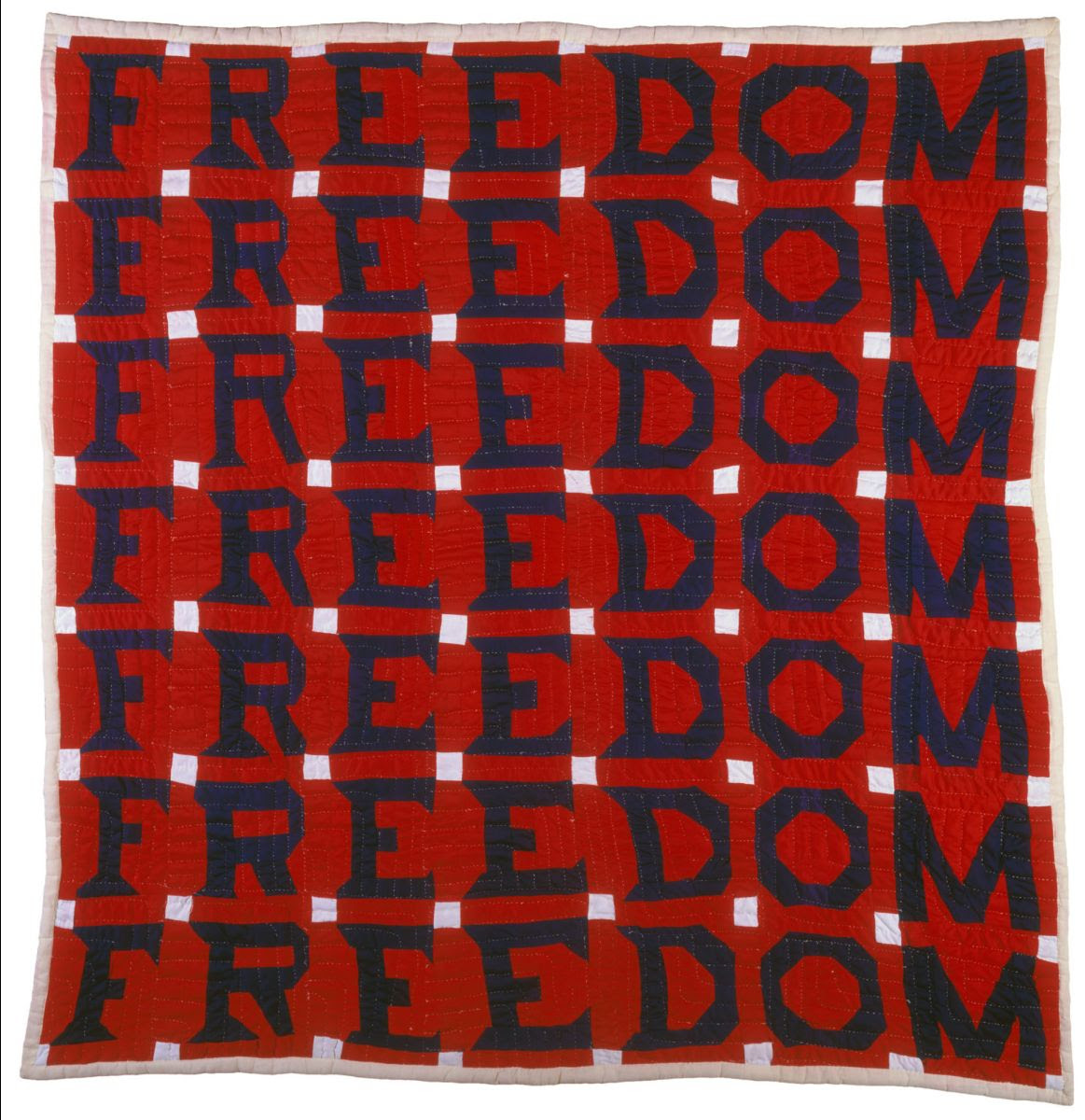
Jessie B. Telfair, Freedom Quilt, 1983, cotton with pencil, 74 × 68 inches. Collection American Folk Art Museum, NY, gift of Judith Alexander in loving memory of her sister, Rebecca Alexander, 2004.9.1. © Estate of Jessie. B. Telfair, image Gavin Ashworth.
American Perspectives: Stories from the American Folk Art Museum Collection showcases over 80 stellar works of folk and self-taught art including assemblages, needlework, paintings, pottery, quilts, and sculpture. Organized by the American Folk Art Museum in New York, this exhibition will be on view in the Explore Asheville Exhibition Hall at the Asheville Art Museum from June 18 through September 5, 2022.

Everyone has stories to tell from both the private and mutual experiences encountered throughout their lifetime. American folk and self-taught artists capture these stories in powerful visual narratives that offer firsthand testimonies to chapters in the unfolding story of America from its inception to the present. Beautiful, diverse, and truthful; the art illuminates the thoughts and experiences of individuals with an immediacy that is palpable and unique to these expressions. These artworks held meaning in the makers’ worlds filtered through their own perceptions.

The artworks are organized into four sections—Founders, Travelers, Philosophers, and Seekers—that respond to such themes as nationhood, freedom, community, imagination, opportunity, and legacy. Evocative visual juxtapositions and accessible contextual information further reveal the vital role that folk art plays as a witness to history, carrier of cultural heritage, and a reflection of the world at large through the eyes, heart, and mind of the artist.

“While the Asheville Art Museum exhibits many folk and self-taught artists, most are local to the Southeast,” says Whitney Richardson, associate curator. “American Perspectives adds a national voice to the conversation by adding New England, Midwestern, Southwestern, and West Coast artworks that the Museum could never achieve alone. The amount of creative output from folk and self-taught artists was (and still is) on a national level and this exhibition helps to put that into a clear context. Traveling to Asheville from the collection of the American Folk Art Museum in New York, this exhibition will complement and expand the Museum’s ongoing conversations around American history and storytelling through works of art.”

This exhibition has been organized by the American Folk Art Museum, NY, with support provided by Art Bridges. Originally curated for installation at the American Folk Art Museum February 11, 2020–January 3, 2021 by Stacy C. Hollander, independent curator. Tour coordinated by Emelie Gevalt, Curator of Folk Art and Curatorial Chair for Collections, the American Folk Art Museum.

Draped and Veiled Art Exhibit
Jul 3 @ 11:00 am – 6:00 pm
Asheville Art Museum
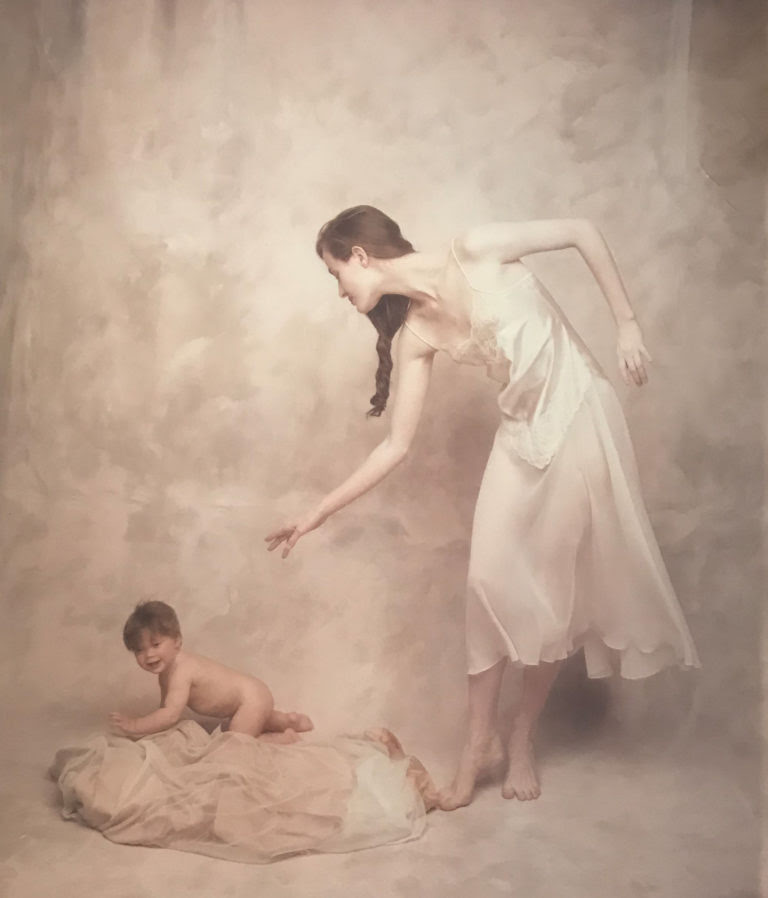
Draped and Veiled: 20×24 Polaroid Photographs by Joyce Tenneson showcases Joyce Tenneson’s Transformations series, which she began in 1985 and engaged with through 2005. Transformations features partially or fully nude figures poetically presented; Tenneson’s photographs have always been interested in the magic of the human figure, contained within bodies of all ages and emotions in a broad range that are both vulnerable and bold. This exhibition features 12 large Polaroids from the poetic series. Draped and Veiled will be on view May 25–October 10, 2022.
Gillian Laub’s Southern Rites Exhibit
Jul 3 @ 11:00 am – 6:00 pm
Asheville Art Museum
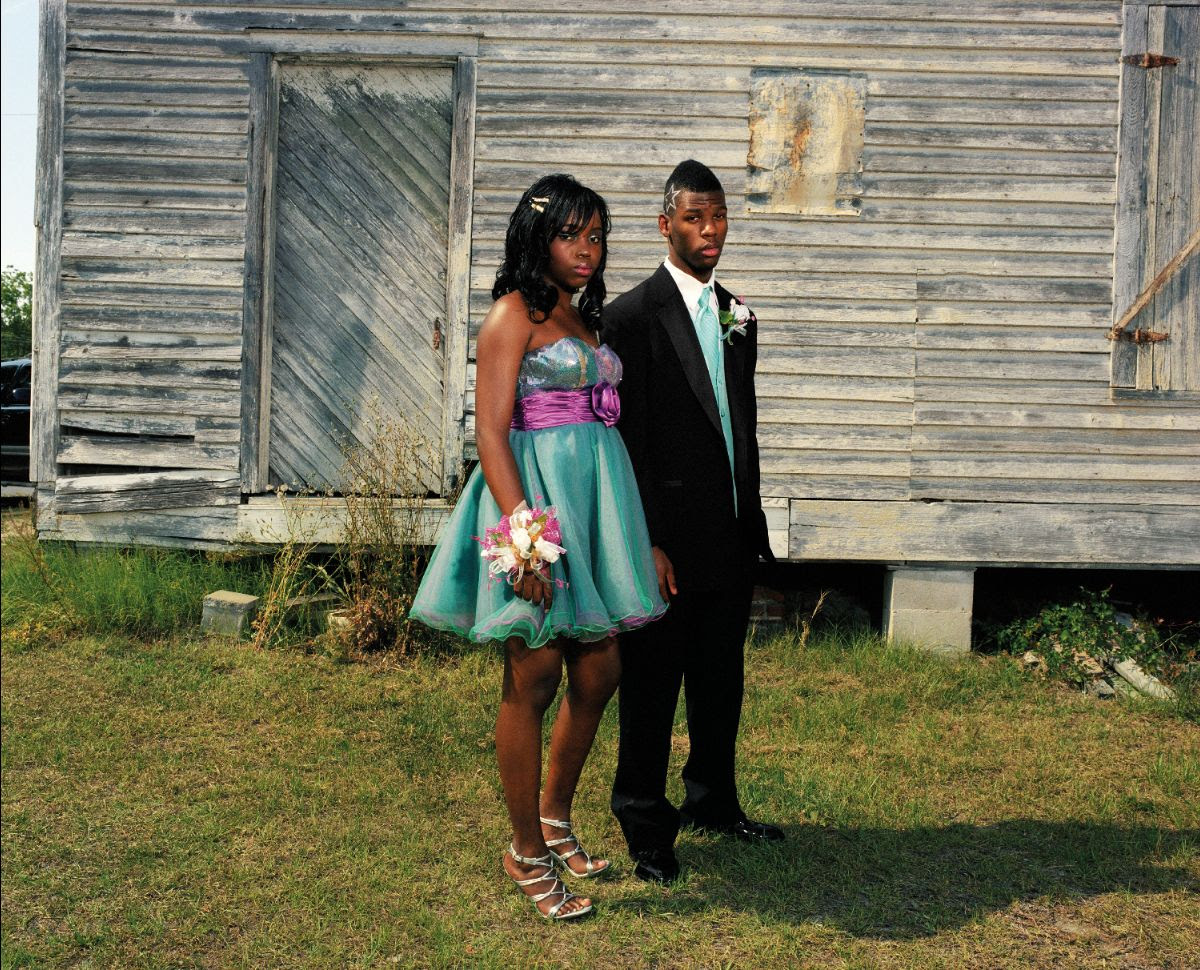
Gillian Laub, Amber and Reggie, Mount Vernon, Georgia, 2011, inkjet print, 40 × 50 inches. © Gillian Laub, courtesy of Benrubi Gallery.


American photographer Gillian Laub (born New York, 1975) has spent the last two decades investigating political conflicts, exploring family relationships, and challenging assumptions about cultural identity. In Southern Rites, Laub engages her skills as a photographer, filmmaker, and visual activist to examine the realities of racism and raise questions that are simultaneously painful and essential to understanding the American consciousness.

In 2002, Laub was sent on a magazine assignment to Mount Vernon, GA, to document the lives of teenagers in the American South. The town, nestled among fields of Vidalia onions, symbolized the archetype of pastoral, small town American life. The Montgomery County residents Laub encountered were warm, polite, protective of their neighbors, and proud of their history. Yet Laub learned that the joyful adolescent rites of passage celebrated in this rural countryside—high school homecomings and proms—were still racially segregated.

Laub continued to photograph Montgomery County over the following decade, returning even in the face of growing—and eventually violent—resistance from community members and local law enforcement. She documented a town held hostage by the racial tensions and inequities that scar much of the nation’s history. In 2009, a few months after Barack Obama’s first inauguration, Laub’s photographs of segregated proms were published in the New York Times Magazine. The story brought national attention to the town and the following year the proms were finally integrated. The power of her photographic images served as the catalyst and, for a moment, progress seemed inevitable.

Then, in early 2011, tragedy struck the town. Justin Patterson, a twenty-two-year-old unarmed African American man—whose segregated high school homecoming Laub had photographed—was shot and killed by a sixty-two-year-old white man. Laub’s project, which began as an exploration of segregated high school rituals, evolved into an urgent mandate to confront the painful realities of discrimination and structural racism. Laub continued to document the town over the following decade, during which the country re-elected its first African American president and the ubiquity of camera phones gave rise to citizen journalism exposing racially motivated violence. As the Black Lives Matter movement and national protests proliferated, Laub uncovered a complex story about adolescence, race, the legacy of slavery, and the deeply rooted practice of segregation in the American South.

Southern Rites is a specific story about 21st century young people in the American South, yet it poses a universal question about human experience: can a new generation liberate itself from a harrowing and traumatic past to create a different future?

Southern Rites is curated by Maya Benton and organized by the International Center of Photography.

In Living Color: At Home with Paint, Paper, and Thread
Jul 3 @ 11:00 am – 5:00 pm
Marquee Asheville D11

Image for In Living Color: At Home with Paint, Paper, and Thread

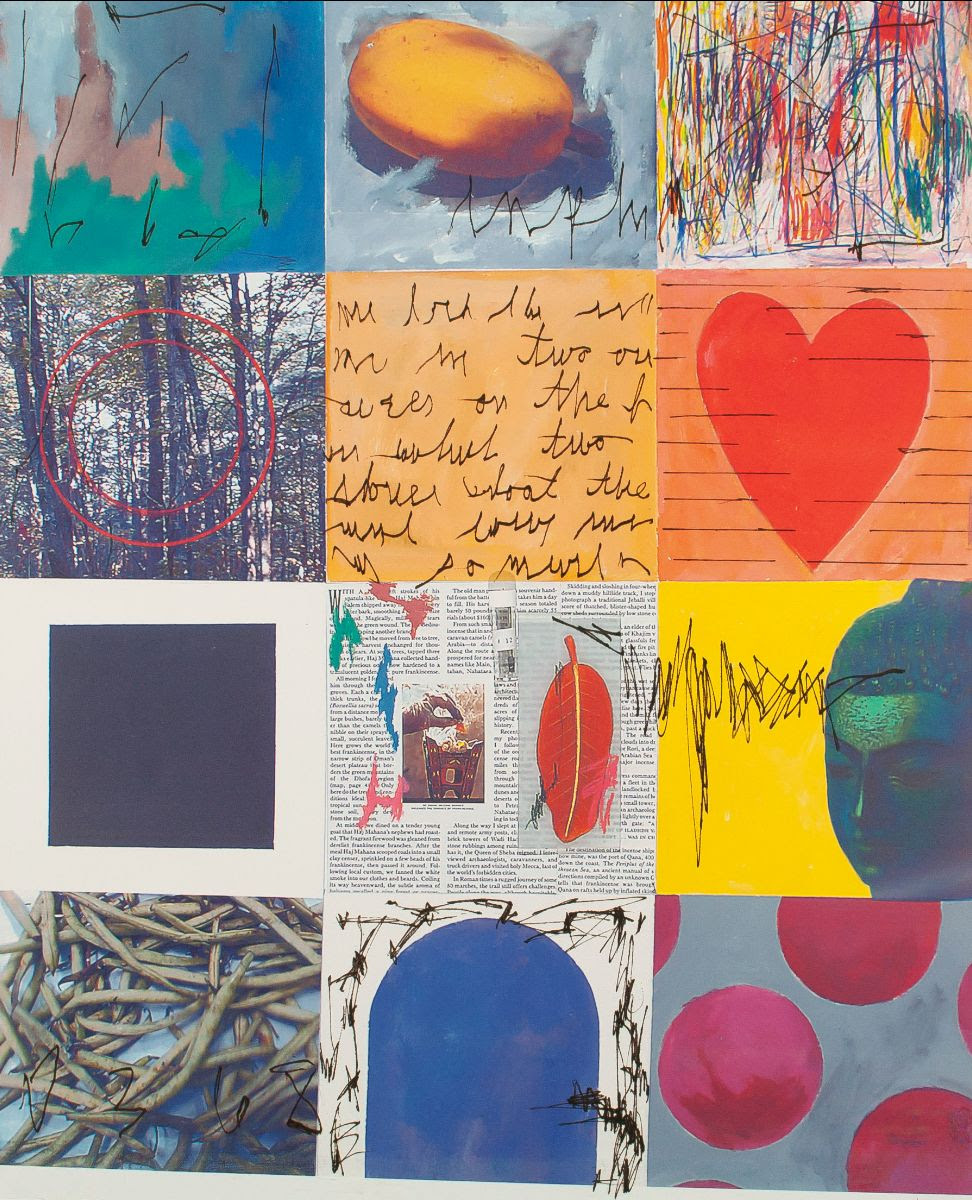
Brighten your walls with with works from Artsville Collective’s upcoming exhibition, “In Living Color: At Home with Paint, Paper and Thread.”  Allow these abstract pieces, in varying sizes and mediums, to light up your life. Collectively, the artwork’s tonal range is of blended neutrals and ventures into spring and fall palettes. Suit your design pleasures with pure color or wabi-sabi textural designs in a range of perspectives from three uniquely talented artists: Betsy Meyer, fibers; Karen Stastny, painting, and Michelle Wise, mixed media. Also showing: the Retro pop art of Daryl Slaton, which can be activated on your phone to reveal an animated story. For a softer approach, consider the mixed media art of Louise Glickman using paint, textiles, and natural plant materials.

Stained with Glass: Vitreograph Prints from the Studio of Harvey K. Littleton Exhibition
Jul 3 @ 11:00 am – 6:00 pm
Asheville Art Museum
 
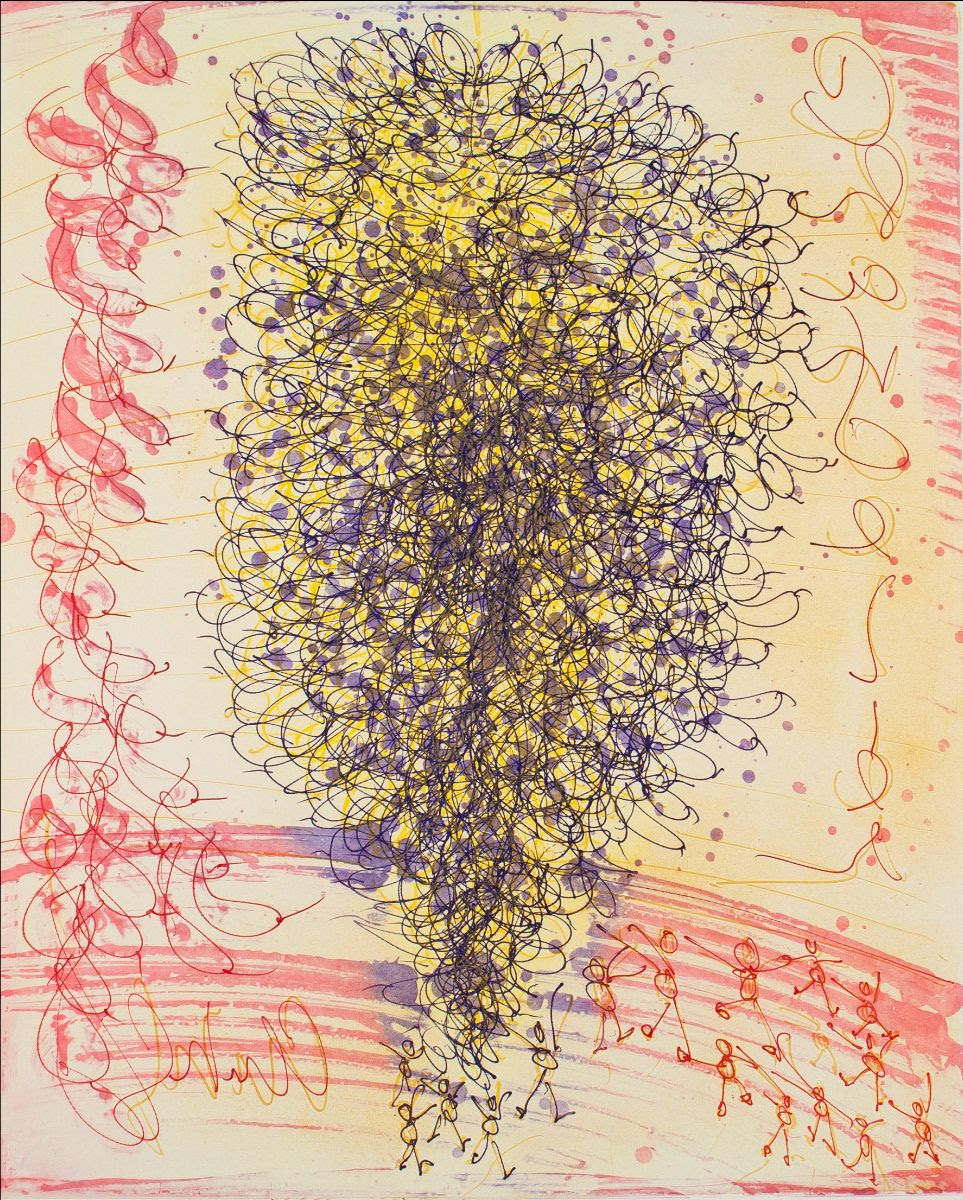
Left: Thermon Statom, Frankincense, 1999, siligraphy from glass plate with digital transfer on BFK Rives paper, edition 50/50, 36 1/4 × 29 3/8 inches. Asheville Art Museum. © Thermon Statom. | Right: Dale Chihuly, Suite of Ten Prints: Chandelier, 1994, 4-color intaglio from glass plate on BRK Rives paper, edition 34/50, image: 29 ½ × 23 ½ inches, sheet: 36 × 29 ½ inches. Asheville Art Museum. © Dale Chihuly / Artists Rights Society (ARS), New York.
Asheville, N.C.—The selection of works from the Asheville Art Museum’s Collection presented in Stained with Glass: Vitreograph Prints from the Studio of Harvey K. Littleton features imagery that recreates the sensation and colors of stained glass. The exhibition showcases Littleton and the range of makers who worked with him, including Dale Chihuly, Cynthia Bringle, Thermon Statom, and more. This exhibition—organized by the Asheville Art Museum and curated by Hilary Schroeder, assistant curator—will be on view in The Van Winkle Law Firm Gallery at the Museum from January 12 through May 23, 2022.

In 1974 Harvey K. Littleton (Corning, NY 1922–2013 Spruce Pine, NC) developed a process for using glass to create prints on paper. Littleton, who began as a ceramicist and became a leading figure in the American Studio Glass Movement, expanded his curiosity around the experimental potential of glass into innovations in the world of printmaking. A wide circle of artists in a variety of media—including glass, ceramics, and painting—were invited to Littleton’s studio in Spruce Pine, NC, to create prints using the vitreograph process developed by Littleton. Upending notions of both traditional glassmaking and printmaking, vitreographs innovatively combine the two into something new. The resulting prints created through a process of etched glass, ink, and paper create rich, colorful scenes reminiscent of luminous stained glass.

“Printmaking is a medium that many artists explore at some point in their career,” says Hilary Schroeder, assistant curator. “The process is often collaborative, as they may find themselves working with a print studio and highly skilled printmaker. The medium can also be quite experimental. Harvey Littleton’s contribution to the field is very much so in this spirit, as seen in his incorporation of glass and his invitation to artists who might otherwise not have explored works on paper. Through this exhibition, we are able to appreciate how the artists bring their work in clay, glass, or paint to ink and paper.” 

Useful and Beautiful: Silvercraft by William Waldo Dodge
Jul 3 @ 11:00 am – 6:00 pm
Asheville Art Museum
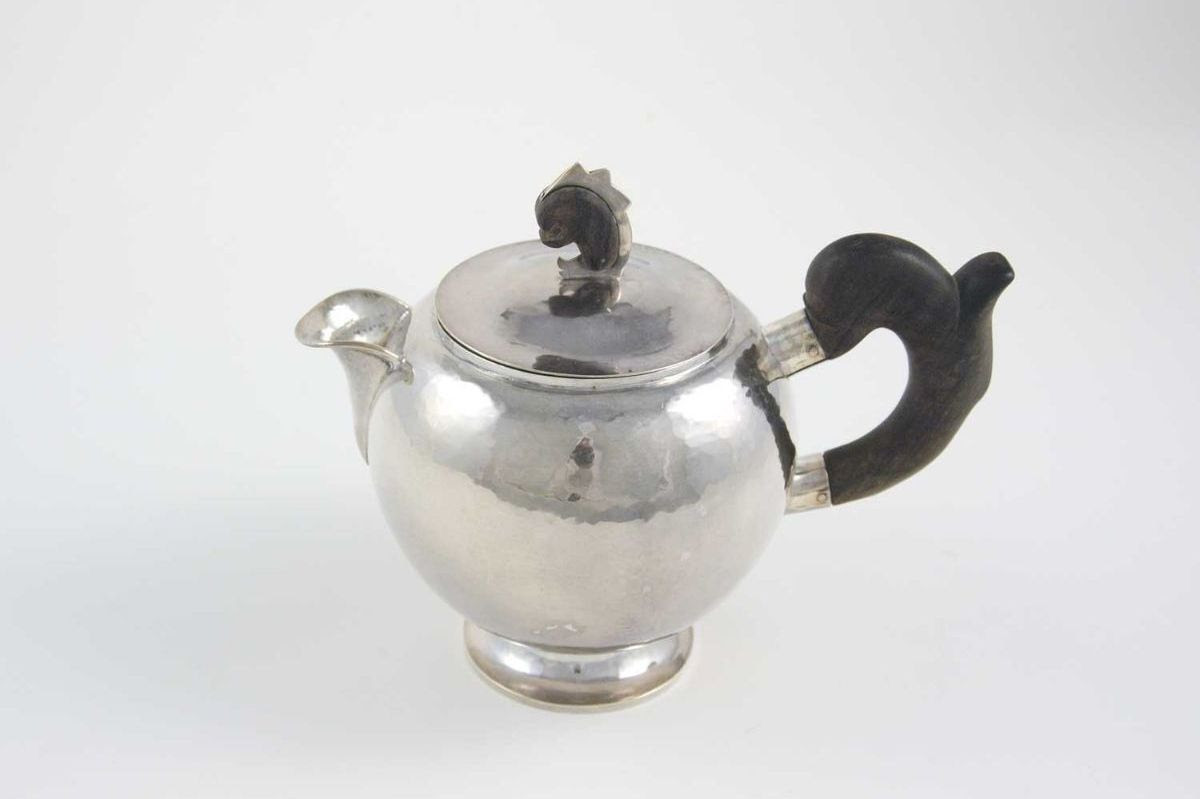
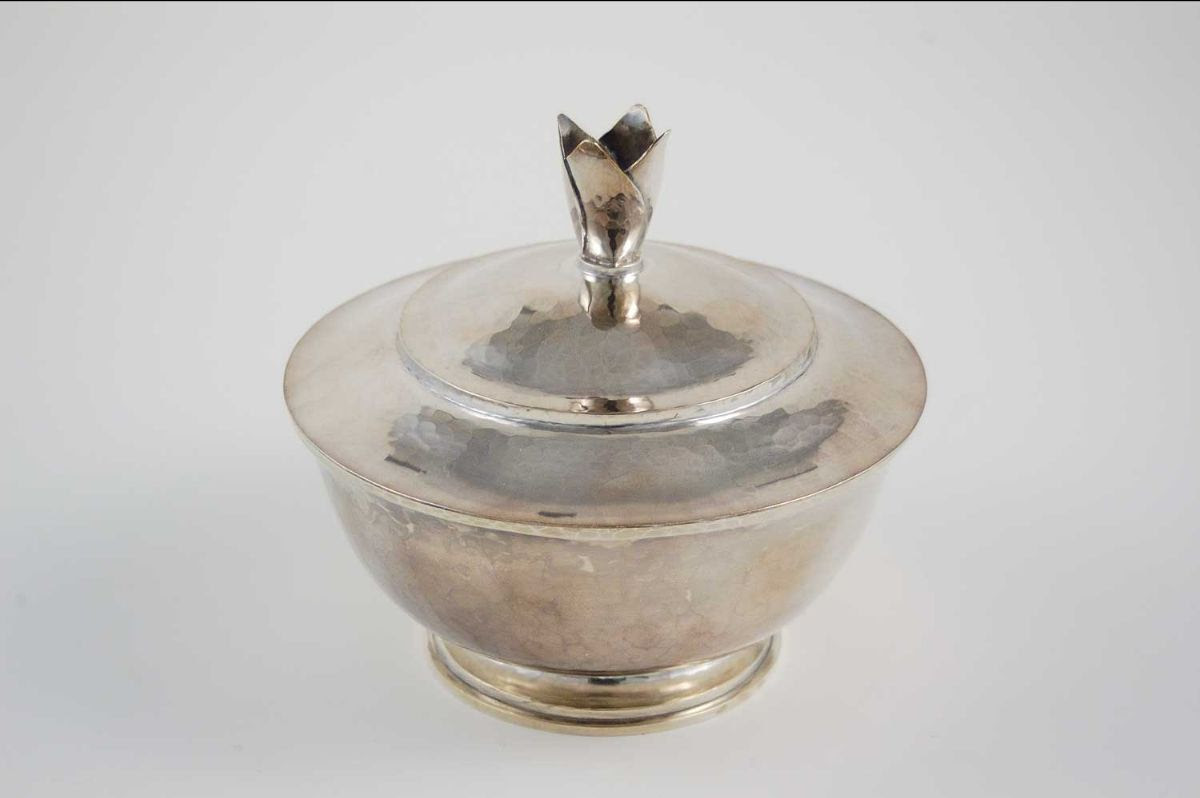
Left to right: William Waldo Dodge Jr., Teapot, 1928, hammered silver and ebony, 8 × 5 3/4 × 9 1/2 inches. Asheville Art Museum. © Estate of William Waldo Dodge Jr. | William Waldo Dodge Jr., Lidded vegetable bowl, 1932, hammered silver, 6 × 6 5/8 × 6 5/8 inches. Asheville Art Museum. © Estate of William Waldo Dodge Jr.

Useful and Beautiful: Silvercraft by William Waldo Dodge features a selection of functional silver works by Dodge drawn from the Museum’s Collection. Organized by the Asheville Art Museum and curated by Whitney Richardson, associate curator, this exhibition will be on view in the Debra McClinton Gallery at the Museum from February 23 through October 17, 2022.

William Waldo Dodge Jr. (Washington, DC 1895–1971 Asheville, NC) moved to Asheville in 1924 as a trained architect and a newly skilled silversmith. When he opened for business promoting his handwrought silver tableware, including plates, candlesticks, flatware (spoons, forks, and knives), and serving dishes, he did so in a true Arts and Crafts tradition. The aesthetics of the style were dictated by its philosophy: an artist’s handmade creation should reflect their hard work and skill, and the resulting artwork should highlight the material from which it was made. Dodge’s silver often displayed his hammer marks and inventive techniques, revealing the beauty of these useful household goods.

The Arts and Crafts style of England became popular in the United States in the early 1900s. Asheville was an early adopter of the movement because of the popularity and abundance of Arts and Crafts architecture in neighborhoods like Biltmore Forest, Biltmore Village, and the area around The Grove Park Inn. The title of this exhibition was taken from the famous quotation by one of the founding members of the English Arts and Crafts Movement, William Morris, who said, “have nothing in your house that you do not know to be useful or believe to be beautiful.” Not only did Dodge follow this suggestion; he contributed to American Arts and Crafts silver’s relevancy persisting almost halfway into the 20th century.

“It has been over 15 years since the Museum exhibited its collection of William Waldo Dodge silver and I am looking forward to displaying it in the new space with some new acquisitions added,” said Whitney Richardson, associate curator. Learn more at ashevilleart.org.

Monday, July 4, 2022
Asheville Gallery of Art’s July Show: “From Realism to Abstract” Featuring Artists, Joyce Schlapkohl and Sally Lordeon
Jul 4 all-day
Asheville Gallery of Art

The Asheville Gallery of Art presents the extraordinary paintings of Joyce Schlapkohl and Sally Lordeon, during the month of July, in an exhibition titled ’From Realism to Abstract’. The opening reception will be held on Friday, July 1, from 5:00-8:00pm.

All artists, whether realistic or abstract, use the same visual language to put together their paintings. The difference is that realistic artists use that visual language to describe their subjects, whereas abstract artists use the same visual language, in conjunction with subject matter, to express feelings or ideas. ‘From Realism to Abstraction’ focuses on that ‘perfect’ blend of creating both types of beautiful compositions and invites viewers to participate in an epic art journey along the way.

“Painterly realism” best describes Joyce’s oil paintings. Her strong focal point, creative design, and bold clear color, revealing light and shadow, invite you into her paintings but it’s her emotional response to her various subjects that holds the viewer’s attention. Her subjects vary from landscape, flowers, animals, still life and any subject that moves her and encourages a sense of sharing that response with others. Joyce declares; “Western North Carolina is an artist’s dream for a variety of subjects and seasons.”

After receiving a Master’s Degree in Business, at UNC Chapel Hill, Joyce returned to painting, her first love, when she attended Florida Atlantic University to study art. She continues her art education through workshops with nationally known artists. In Joyce’s words; “I’m very fortunate to be a full-time painter and occasional teacher. Putting paint on canvas to create a memorable piece of art is amazing, exciting and rewarding”

Joyce’s studio is in Waynesville, NC. She exhibits at The Asheville Gallery of Art and several other well-known galleries.
Visit Joyce’s website: www.joycepaints.com

Many of Sally’s abstract paintings include a horizontal line, suggesting a landscape tableau. In those artworks, she uses the elements of color, shape, texture and value to help the viewer envision a sense of place and arouse a personal meaning. In Sally’s other abstracts, she uses those elements to express elan, movement, and energy, with the intent of fostering a positive, spirited feeling. Her art has been described as powerful, yet serene. Sally quotes; “Abstract art gives me, as an artist, a unique voice that elicits openness and expression, engaging the viewer in the same way. There is so much to explore in abstract painting and I love that.”

Sally studied fine arts at Chatham University in Pennsylvania. She moved to the majestic mountains of Asheville, NC more than thirty years ago and after a successful career as a technical writer and college textbook author, Sally returned full-time to her first passion—her love of color, form and the ‘divine’ pleasure of painting.

Sally’s work is exhibited locally at Asheville Gallery of Art and other well-known galleries as well as two galleries in Los Angeles. She has been the featured artist at The Asheville Airport Gallery.

Joyce Schlapkohl’s ‘Field of Sunflowers’ was painted at the Biltmore Estate. “I visit every year, in September, to paint the endless field of sunflowers. This year is even more meaningful with the sunflower representing a symbol for peace in the Ukraine.

Joyce Schlapkohl’s ‘Carolina Mountain Glow’ represents one of our beautiful, majestic and everchanging landscapes.

Joyce Schlapkohl’s ‘Boat Roundup’ was inspired by the lighting on each surface and the sun, fun and relaxation of being on the water

Sally Lordeon’s ‘It’s a Wonderful World’, acrylic, showcases the exquisiteness and warmth of our own personal places.

Sally Lordeon’s ‘Wisp’, acrylic and gold leaf, demonstrates energy bursting into time and space.

Sally Lordeon’s ‘ Isthmus I & II’,mixed media, is a powerful, yet serene, abstract tableau on two canvases.

Bearfootin’ Public Art Walk + Auction
Jul 4 all-day
Hendersonville nc

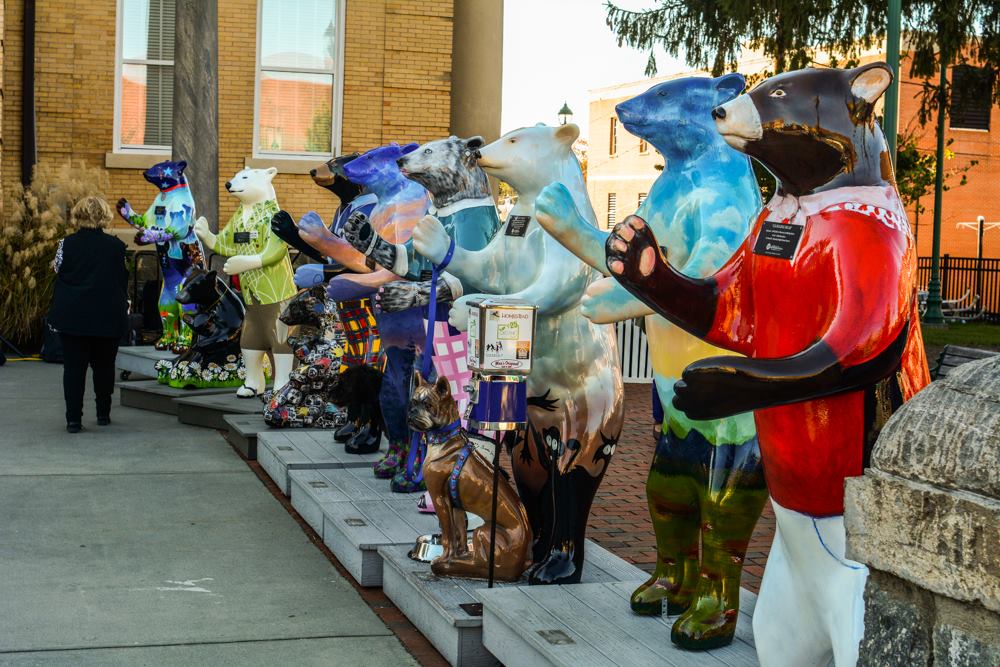
ince 2003, the Bearfootin’ Art Walk has helped raise funding for Downtown Hendersonville and a variety of local non-profits. In addition to raising funds, the bears offer a window into good work being done by community organizations in Henderson County.

The Bearfootin’ Bears arrive as blank slates before local artists transform each in a spectacular fashion, with creative themes ranging from Mona Lisa to Blue Ridge Mountain scenery. After the “Reveal” event in early May, the bears then take up residence in downtown Hendersonville for the duration of the summer and fall, up until auction. Participants bid during the auction to raise funds for local non-profits and Downtown Hendersonville. Winning bids up to $3,000 are split evenly between the downtown program and the nonprofit chosen by the sponsor, while bid amounts exceeding $3,000 are directed entirely to the non-profit. In 2021, the Bears raised more than $100,000, and in 2022 we hope to continue the tradition of giving.


Caldwell Arts Council Seeks Artists for 2023 and 2024 Exhibitions
Jul 4 all-day
online

The Caldwell Arts Council is currently accepting portfolios from local and regional artists for exhibitions in 2023 and 2024. Exhibitions run for six weeks to two months on either floor of the arts council facility.


Details for submitting your portfolio are available at www.caldwellarts.com. We have extended the deadline! Digital submissions will now be accepted through July 5, 2022 and may be emailed to [email protected].


About the Caldwell Arts Council


The Caldwell Arts Council is a regional arts center that presents a variety of programs that foster cultural arts in Caldwell County. Our gallery is housed in a historic 120+ year old home. Two floors offer four gallery spaces that have been renovated as professional exhibit spaces. Exhibits range from contemporary to traditional and include 2-D and 3-D exhibitions.


The Caldwell Arts Council’s programs are supported by the North Carolina Arts Council, a division of the Department of Cultural Resources and by individual and corporate donors.


###

GRANT: Betty Taylor Memorial Award for Emerging Artists in Visual Arts and Crafts
Jul 4 all-day
online

Betty Taylor Memorial Award

for Emerging Artists in Visual Arts and Crafts

Betty Taylor took her first art lesson at the tender age of eight, and her love of the Arts stayed with her throughout her life. Betty spent most of her career in Michigan where her work was handled by galleries. It was there that she personally experienced and understood the struggles, persistence, and need for assistance as an emerging artist.

After Betty’s death in 1990, her husband, Ross Taylor, established the Betty Taylor Memorial Fund with Community Foundation of Henderson County to promote and support emerging artists who have financial need and are studying in the field of visual arts and crafts. It is the Foundation’s pleasure to keep the memory and spirit of Betty Taylor alive with the award.


Purpose
To promote emerging artists who are in need of financial support and are studying in the field of visual arts and crafts.

The Betty Taylor Memorial Award is funded by Community Foundation of Henderson County, working in tandem with the Arts Council of Henderson County. Applicants for the Arts Council’s Artists Support Grant program will be eligible for consideration to receive the Betty Taylor Memorial Fund award.

Eligibility

  • Individual artists and small, unincorporated groups of collaborating artists
  • Applicants may be either emerging artists or established artists and should possess a strong record of artistic accomplishment appropriate to the stage of the applicant’s career
  • The applicant must reside or work in Henderson, Polk or Transylvania counties for a minimum of one year prior to April 2022.
  • Applicant may not be a board or staff member of any of the sponsoring entities. In addition, the applicant may not be a spouse, family member, or significant other of a board or staff member of any of the sponsoring entities.
  • Applicants must be 18 years of age and not be enrolled in a degree or certificate program
  • Previous Taylor Award recipients are not eligible
  • Each member of a small unincorporated group of collaborating artists must meet the eligibility requirements and shall not circumvent these requirements by applying for what is really a collaborative effort.

Projects
The Betty Taylor Memorial Award is designed to award projects that will advance the applicant’s career as an emerging artist in the field of visual arts and crafts. The relationship of the project to the career advancement of the applicant must be clearly defined in the “Narrative” section of the application. Conducting deeper study is a key element to the Taylor Award, and the applicant will need to elaborate on study method, mentoring, apprenticeships, etc.
International Photo Exhibit
Jul 4 all-day
Ramsey Library Blowers Gallery

The exhibit features thought-provoking photos taken by students, faculty, and staff while traveling abroad.


Accessibility

Find accessibility information for campus buildings at maps.unca.edu. For accessibility questions or to request event accommodations, please contact [email protected] or 828.250.3832.

Visitor Parking

Visitors must have a permit to park on campus — please visit the Transportation website to register.

THRIVE ! – an invitational exhibition of small works on paper
Jul 4 @ 9:00 am – 5:00 pm
UNCA Owen Hall

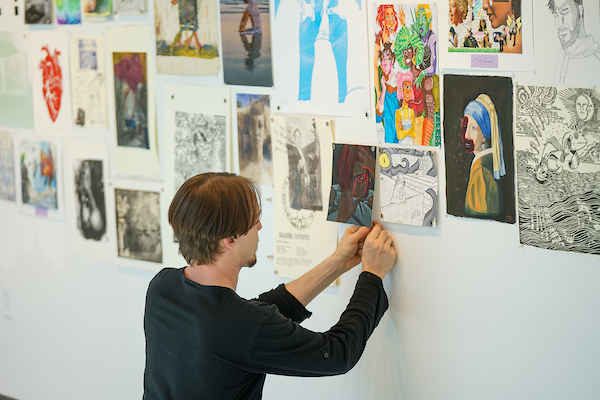
Current students, alumni, staff, faculty, and faculty emeriti of the UNC Asheville Department of Art & Art History are participating in THRIVE ! – an invitational exhibition of small works on paper.

“I wanted to express this idea that despite COVID, and despite our department’s relocation during renovation – art thrives here, it is the constant that cannot be disrupted,” says THRIVE ! curator Leisa Rundquist, professor of art history and curator of art collections at UNC Asheville.

The informal arrangement installation will be displayed in the hallway gallery next to the S. Tucker Cooke Gallery in Owen Hall through August 1.

Viewing is available during open Owen Hall hours. 9:00 AM – 5:00 PM (M – F)


Community Expectations
As members of this community, we care about everyone. Faculty, staff, students, and visitors have a shared commitment to take the necessary precautions to avoid spreading COVID-19 while following all recommended health guidelines. Please see UNC Asheville’s Community Expectations. Be respectful of individual choice to wear or not wear a mask in any situation; wear a mask when and where encouraged, following guidelines and precautions outlined by the CDC.


Accessibility

Find accessibility information for campus buildings at maps.unca.edu. For accessibility questions or to request event accommodations, please contact [email protected] or 828.250.3832.

Visitor Parking

Visitors must have a permit to park on campus — please visit the Transportation website to register.

Art exhibit: Hybrid by Marco Reichert
Jul 4 @ 10:00 am – 6:00 pm
Bender Gallery
Hybrid
Marco Reichert
Bender Gallery is proud to announce Hybrid, a solo exhibition for Berlin based abstract painter Marco Reichert.
This solo exhibition highlights Reichert’s brand new ground breaking paintings made in conjunction with his own invented “painting machines.”
Mon – Sat 10 – 6 Sun 12 – 5
Earth’s Gifts | Focus Gallery Exhibition
Jul 4 @ 10:00 am – 5:00 pm
Folk Art Center

purple patchwork lap quilt

Featured Artists: Jude Stuecker (fiber) Erica Bailey (jewelry) Mary Dashiell (clay) Steve Miller (wood) Rex Redd (clay)

Haywood Community College’s Professional Crafts Program Graduate Exhibition
Jul 4 @ 10:00 am – 5:00 pm
Folk Art Center
Haywood Community College’s Professional Crafts Program Graduate Exhibition
Jul 4 @ 10:00 am – 5:00 pm
Folk Art Center
SETH CLARK SOLO EXHIBITION
Jul 4 @ 10:00 am – 6:00 pm
Momentum Gallery

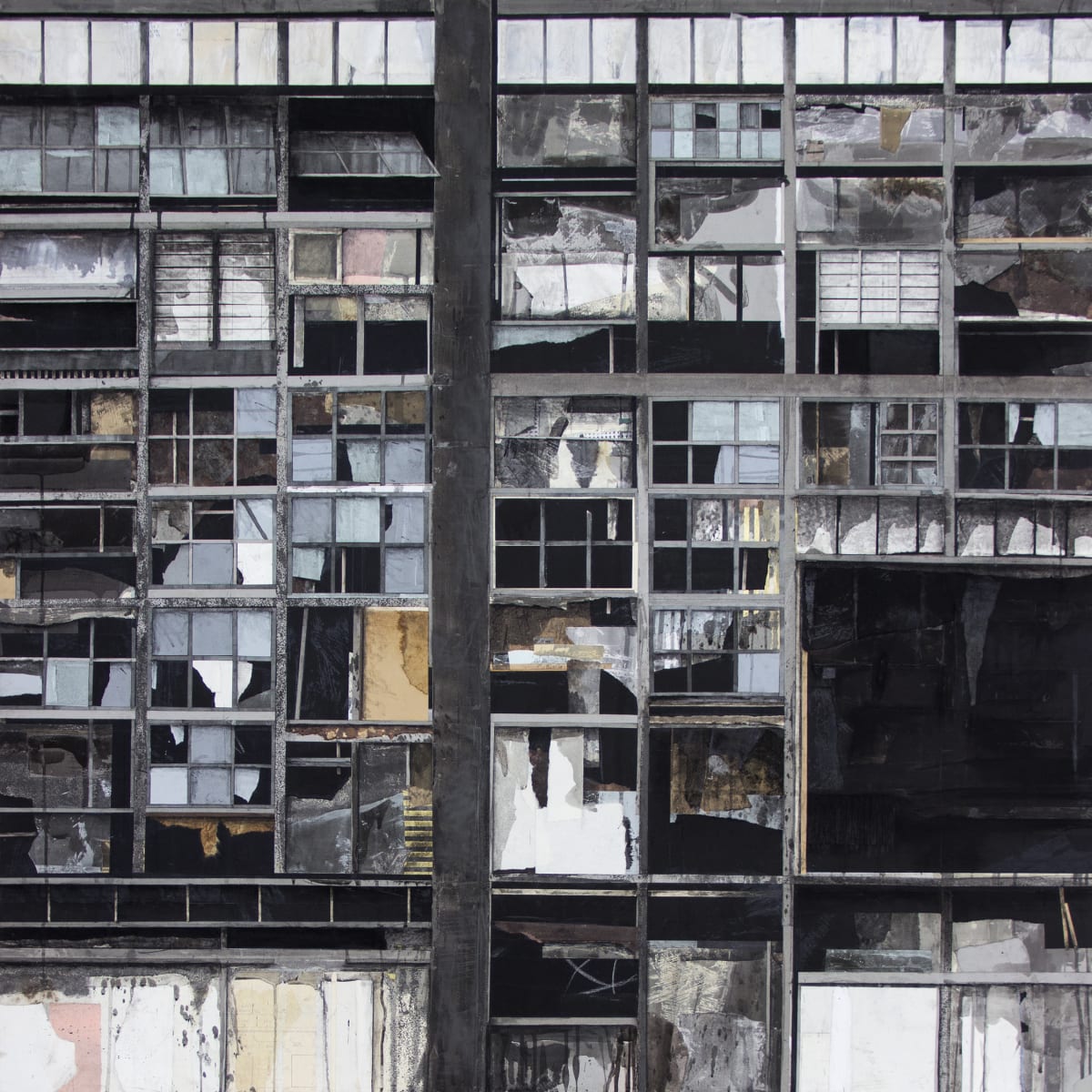
Seth Clark, Factory

“My work focuses on deteriorating architecture. These structures, designed to be huge forces of permanence, are continually being challenged, destroyed and forgotten. I see an inherent honesty in the face of my subject. Among all of the clutter—the shards of wood and layers of rubble—there remains a gentle resolve. As I work, I study these structures incessantly. The buildings, often on the brink of ruin, have something very energized and present trying to escape from their fragmented reality.”  –Seth Clark

This first solo show of Seth’s work at Momentum’s new space features large-scale works from his BarnGhost, and Aerial View Series.  The collection also includes some of the artist’s sculptural objects in wood.  Abstract works, which still reference weathered architecture, such as Lath Study and Vinyl Study, round out the exhibition.

American Perspectives: Stories from the American Folk Art Museum Collection
Jul 4 @ 11:00 am – 6:00 pm
Asheville Art Museum
 

Jessie B. Telfair, Freedom Quilt, 1983, cotton with pencil, 74 × 68 inches. Collection American Folk Art Museum, NY, gift of Judith Alexander in loving memory of her sister, Rebecca Alexander, 2004.9.1. © Estate of Jessie. B. Telfair, image Gavin Ashworth.
American Perspectives: Stories from the American Folk Art Museum Collection showcases over 80 stellar works of folk and self-taught art including assemblages, needlework, paintings, pottery, quilts, and sculpture. Organized by the American Folk Art Museum in New York, this exhibition will be on view in the Explore Asheville Exhibition Hall at the Asheville Art Museum from June 18 through September 5, 2022.

Everyone has stories to tell from both the private and mutual experiences encountered throughout their lifetime. American folk and self-taught artists capture these stories in powerful visual narratives that offer firsthand testimonies to chapters in the unfolding story of America from its inception to the present. Beautiful, diverse, and truthful; the art illuminates the thoughts and experiences of individuals with an immediacy that is palpable and unique to these expressions. These artworks held meaning in the makers’ worlds filtered through their own perceptions.

The artworks are organized into four sections—Founders, Travelers, Philosophers, and Seekers—that respond to such themes as nationhood, freedom, community, imagination, opportunity, and legacy. Evocative visual juxtapositions and accessible contextual information further reveal the vital role that folk art plays as a witness to history, carrier of cultural heritage, and a reflection of the world at large through the eyes, heart, and mind of the artist.

“While the Asheville Art Museum exhibits many folk and self-taught artists, most are local to the Southeast,” says Whitney Richardson, associate curator. “American Perspectives adds a national voice to the conversation by adding New England, Midwestern, Southwestern, and West Coast artworks that the Museum could never achieve alone. The amount of creative output from folk and self-taught artists was (and still is) on a national level and this exhibition helps to put that into a clear context. Traveling to Asheville from the collection of the American Folk Art Museum in New York, this exhibition will complement and expand the Museum’s ongoing conversations around American history and storytelling through works of art.”

This exhibition has been organized by the American Folk Art Museum, NY, with support provided by Art Bridges. Originally curated for installation at the American Folk Art Museum February 11, 2020–January 3, 2021 by Stacy C. Hollander, independent curator. Tour coordinated by Emelie Gevalt, Curator of Folk Art and Curatorial Chair for Collections, the American Folk Art Museum.

Draped and Veiled Art Exhibit
Jul 4 @ 11:00 am – 6:00 pm
Asheville Art Museum
Draped and Veiled: 20×24 Polaroid Photographs by Joyce Tenneson showcases Joyce Tenneson’s Transformations series, which she began in 1985 and engaged with through 2005. Transformations features partially or fully nude figures poetically presented; Tenneson’s photographs have always been interested in the magic of the human figure, contained within bodies of all ages and emotions in a broad range that are both vulnerable and bold. This exhibition features 12 large Polaroids from the poetic series. Draped and Veiled will be on view May 25–October 10, 2022.
Gillian Laub’s Southern Rites Exhibit
Jul 4 @ 11:00 am – 6:00 pm
Asheville Art Museum
Gillian Laub, Amber and Reggie, Mount Vernon, Georgia, 2011, inkjet print, 40 × 50 inches. © Gillian Laub, courtesy of Benrubi Gallery.


American photographer Gillian Laub (born New York, 1975) has spent the last two decades investigating political conflicts, exploring family relationships, and challenging assumptions about cultural identity. In Southern Rites, Laub engages her skills as a photographer, filmmaker, and visual activist to examine the realities of racism and raise questions that are simultaneously painful and essential to understanding the American consciousness.

In 2002, Laub was sent on a magazine assignment to Mount Vernon, GA, to document the lives of teenagers in the American South. The town, nestled among fields of Vidalia onions, symbolized the archetype of pastoral, small town American life. The Montgomery County residents Laub encountered were warm, polite, protective of their neighbors, and proud of their history. Yet Laub learned that the joyful adolescent rites of passage celebrated in this rural countryside—high school homecomings and proms—were still racially segregated.

Laub continued to photograph Montgomery County over the following decade, returning even in the face of growing—and eventually violent—resistance from community members and local law enforcement. She documented a town held hostage by the racial tensions and inequities that scar much of the nation’s history. In 2009, a few months after Barack Obama’s first inauguration, Laub’s photographs of segregated proms were published in the New York Times Magazine. The story brought national attention to the town and the following year the proms were finally integrated. The power of her photographic images served as the catalyst and, for a moment, progress seemed inevitable.

Then, in early 2011, tragedy struck the town. Justin Patterson, a twenty-two-year-old unarmed African American man—whose segregated high school homecoming Laub had photographed—was shot and killed by a sixty-two-year-old white man. Laub’s project, which began as an exploration of segregated high school rituals, evolved into an urgent mandate to confront the painful realities of discrimination and structural racism. Laub continued to document the town over the following decade, during which the country re-elected its first African American president and the ubiquity of camera phones gave rise to citizen journalism exposing racially motivated violence. As the Black Lives Matter movement and national protests proliferated, Laub uncovered a complex story about adolescence, race, the legacy of slavery, and the deeply rooted practice of segregation in the American South.

Southern Rites is a specific story about 21st century young people in the American South, yet it poses a universal question about human experience: can a new generation liberate itself from a harrowing and traumatic past to create a different future?

Southern Rites is curated by Maya Benton and organized by the International Center of Photography.

In Living Color: At Home with Paint, Paper, and Thread
Jul 4 @ 11:00 am – 5:00 pm
Marquee Asheville D11

Image for In Living Color: At Home with Paint, Paper, and Thread

Brighten your walls with with works from Artsville Collective’s upcoming exhibition, “In Living Color: At Home with Paint, Paper and Thread.”  Allow these abstract pieces, in varying sizes and mediums, to light up your life. Collectively, the artwork’s tonal range is of blended neutrals and ventures into spring and fall palettes. Suit your design pleasures with pure color or wabi-sabi textural designs in a range of perspectives from three uniquely talented artists: Betsy Meyer, fibers; Karen Stastny, painting, and Michelle Wise, mixed media. Also showing: the Retro pop art of Daryl Slaton, which can be activated on your phone to reveal an animated story. For a softer approach, consider the mixed media art of Louise Glickman using paint, textiles, and natural plant materials.

Stained with Glass: Vitreograph Prints from the Studio of Harvey K. Littleton Exhibition
Jul 4 @ 11:00 am – 6:00 pm
Asheville Art Museum
 
Left: Thermon Statom, Frankincense, 1999, siligraphy from glass plate with digital transfer on BFK Rives paper, edition 50/50, 36 1/4 × 29 3/8 inches. Asheville Art Museum. © Thermon Statom. | Right: Dale Chihuly, Suite of Ten Prints: Chandelier, 1994, 4-color intaglio from glass plate on BRK Rives paper, edition 34/50, image: 29 ½ × 23 ½ inches, sheet: 36 × 29 ½ inches. Asheville Art Museum. © Dale Chihuly / Artists Rights Society (ARS), New York.
Asheville, N.C.—The selection of works from the Asheville Art Museum’s Collection presented in Stained with Glass: Vitreograph Prints from the Studio of Harvey K. Littleton features imagery that recreates the sensation and colors of stained glass. The exhibition showcases Littleton and the range of makers who worked with him, including Dale Chihuly, Cynthia Bringle, Thermon Statom, and more. This exhibition—organized by the Asheville Art Museum and curated by Hilary Schroeder, assistant curator—will be on view in The Van Winkle Law Firm Gallery at the Museum from January 12 through May 23, 2022.

In 1974 Harvey K. Littleton (Corning, NY 1922–2013 Spruce Pine, NC) developed a process for using glass to create prints on paper. Littleton, who began as a ceramicist and became a leading figure in the American Studio Glass Movement, expanded his curiosity around the experimental potential of glass into innovations in the world of printmaking. A wide circle of artists in a variety of media—including glass, ceramics, and painting—were invited to Littleton’s studio in Spruce Pine, NC, to create prints using the vitreograph process developed by Littleton. Upending notions of both traditional glassmaking and printmaking, vitreographs innovatively combine the two into something new. The resulting prints created through a process of etched glass, ink, and paper create rich, colorful scenes reminiscent of luminous stained glass.

“Printmaking is a medium that many artists explore at some point in their career,” says Hilary Schroeder, assistant curator. “The process is often collaborative, as they may find themselves working with a print studio and highly skilled printmaker. The medium can also be quite experimental. Harvey Littleton’s contribution to the field is very much so in this spirit, as seen in his incorporation of glass and his invitation to artists who might otherwise not have explored works on paper. Through this exhibition, we are able to appreciate how the artists bring their work in clay, glass, or paint to ink and paper.” 

Useful and Beautiful: Silvercraft by William Waldo Dodge
Jul 4 @ 11:00 am – 6:00 pm
Asheville Art Museum
Left to right: William Waldo Dodge Jr., Teapot, 1928, hammered silver and ebony, 8 × 5 3/4 × 9 1/2 inches. Asheville Art Museum. © Estate of William Waldo Dodge Jr. | William Waldo Dodge Jr., Lidded vegetable bowl, 1932, hammered silver, 6 × 6 5/8 × 6 5/8 inches. Asheville Art Museum. © Estate of William Waldo Dodge Jr.

Useful and Beautiful: Silvercraft by William Waldo Dodge features a selection of functional silver works by Dodge drawn from the Museum’s Collection. Organized by the Asheville Art Museum and curated by Whitney Richardson, associate curator, this exhibition will be on view in the Debra McClinton Gallery at the Museum from February 23 through October 17, 2022.

William Waldo Dodge Jr. (Washington, DC 1895–1971 Asheville, NC) moved to Asheville in 1924 as a trained architect and a newly skilled silversmith. When he opened for business promoting his handwrought silver tableware, including plates, candlesticks, flatware (spoons, forks, and knives), and serving dishes, he did so in a true Arts and Crafts tradition. The aesthetics of the style were dictated by its philosophy: an artist’s handmade creation should reflect their hard work and skill, and the resulting artwork should highlight the material from which it was made. Dodge’s silver often displayed his hammer marks and inventive techniques, revealing the beauty of these useful household goods.

The Arts and Crafts style of England became popular in the United States in the early 1900s. Asheville was an early adopter of the movement because of the popularity and abundance of Arts and Crafts architecture in neighborhoods like Biltmore Forest, Biltmore Village, and the area around The Grove Park Inn. The title of this exhibition was taken from the famous quotation by one of the founding members of the English Arts and Crafts Movement, William Morris, who said, “have nothing in your house that you do not know to be useful or believe to be beautiful.” Not only did Dodge follow this suggestion; he contributed to American Arts and Crafts silver’s relevancy persisting almost halfway into the 20th century.

“It has been over 15 years since the Museum exhibited its collection of William Waldo Dodge silver and I am looking forward to displaying it in the new space with some new acquisitions added,” said Whitney Richardson, associate curator. Learn more at ashevilleart.org.

Tuesday, July 5, 2022
Asheville Gallery of Art’s July Show: “From Realism to Abstract” Featuring Artists, Joyce Schlapkohl and Sally Lordeon
Jul 5 all-day
Asheville Gallery of Art

The Asheville Gallery of Art presents the extraordinary paintings of Joyce Schlapkohl and Sally Lordeon, during the month of July, in an exhibition titled ’From Realism to Abstract’. The opening reception will be held on Friday, July 1, from 5:00-8:00pm.

All artists, whether realistic or abstract, use the same visual language to put together their paintings. The difference is that realistic artists use that visual language to describe their subjects, whereas abstract artists use the same visual language, in conjunction with subject matter, to express feelings or ideas. ‘From Realism to Abstraction’ focuses on that ‘perfect’ blend of creating both types of beautiful compositions and invites viewers to participate in an epic art journey along the way.

“Painterly realism” best describes Joyce’s oil paintings. Her strong focal point, creative design, and bold clear color, revealing light and shadow, invite you into her paintings but it’s her emotional response to her various subjects that holds the viewer’s attention. Her subjects vary from landscape, flowers, animals, still life and any subject that moves her and encourages a sense of sharing that response with others. Joyce declares; “Western North Carolina is an artist’s dream for a variety of subjects and seasons.”

After receiving a Master’s Degree in Business, at UNC Chapel Hill, Joyce returned to painting, her first love, when she attended Florida Atlantic University to study art. She continues her art education through workshops with nationally known artists. In Joyce’s words; “I’m very fortunate to be a full-time painter and occasional teacher. Putting paint on canvas to create a memorable piece of art is amazing, exciting and rewarding”

Joyce’s studio is in Waynesville, NC. She exhibits at The Asheville Gallery of Art and several other well-known galleries.
Visit Joyce’s website: www.joycepaints.com

Many of Sally’s abstract paintings include a horizontal line, suggesting a landscape tableau. In those artworks, she uses the elements of color, shape, texture and value to help the viewer envision a sense of place and arouse a personal meaning. In Sally’s other abstracts, she uses those elements to express elan, movement, and energy, with the intent of fostering a positive, spirited feeling. Her art has been described as powerful, yet serene. Sally quotes; “Abstract art gives me, as an artist, a unique voice that elicits openness and expression, engaging the viewer in the same way. There is so much to explore in abstract painting and I love that.”

Sally studied fine arts at Chatham University in Pennsylvania. She moved to the majestic mountains of Asheville, NC more than thirty years ago and after a successful career as a technical writer and college textbook author, Sally returned full-time to her first passion—her love of color, form and the ‘divine’ pleasure of painting.

Sally’s work is exhibited locally at Asheville Gallery of Art and other well-known galleries as well as two galleries in Los Angeles. She has been the featured artist at The Asheville Airport Gallery.

Joyce Schlapkohl’s ‘Field of Sunflowers’ was painted at the Biltmore Estate. “I visit every year, in September, to paint the endless field of sunflowers. This year is even more meaningful with the sunflower representing a symbol for peace in the Ukraine.

Joyce Schlapkohl’s ‘Carolina Mountain Glow’ represents one of our beautiful, majestic and everchanging landscapes.

Joyce Schlapkohl’s ‘Boat Roundup’ was inspired by the lighting on each surface and the sun, fun and relaxation of being on the water

Sally Lordeon’s ‘It’s a Wonderful World’, acrylic, showcases the exquisiteness and warmth of our own personal places.

Sally Lordeon’s ‘Wisp’, acrylic and gold leaf, demonstrates energy bursting into time and space.

Sally Lordeon’s ‘ Isthmus I & II’,mixed media, is a powerful, yet serene, abstract tableau on two canvases.

Bearfootin’ Public Art Walk + Auction
Jul 5 all-day
Hendersonville nc

ince 2003, the Bearfootin’ Art Walk has helped raise funding for Downtown Hendersonville and a variety of local non-profits. In addition to raising funds, the bears offer a window into good work being done by community organizations in Henderson County.

The Bearfootin’ Bears arrive as blank slates before local artists transform each in a spectacular fashion, with creative themes ranging from Mona Lisa to Blue Ridge Mountain scenery. After the “Reveal” event in early May, the bears then take up residence in downtown Hendersonville for the duration of the summer and fall, up until auction. Participants bid during the auction to raise funds for local non-profits and Downtown Hendersonville. Winning bids up to $3,000 are split evenly between the downtown program and the nonprofit chosen by the sponsor, while bid amounts exceeding $3,000 are directed entirely to the non-profit. In 2021, the Bears raised more than $100,000, and in 2022 we hope to continue the tradition of giving.


Caldwell Arts Council Seeks Artists for 2023 and 2024 Exhibitions
Jul 5 all-day
online

The Caldwell Arts Council is currently accepting portfolios from local and regional artists for exhibitions in 2023 and 2024. Exhibitions run for six weeks to two months on either floor of the arts council facility.


Details for submitting your portfolio are available at www.caldwellarts.com. We have extended the deadline! Digital submissions will now be accepted through July 5, 2022 and may be emailed to [email protected].


About the Caldwell Arts Council


The Caldwell Arts Council is a regional arts center that presents a variety of programs that foster cultural arts in Caldwell County. Our gallery is housed in a historic 120+ year old home. Two floors offer four gallery spaces that have been renovated as professional exhibit spaces. Exhibits range from contemporary to traditional and include 2-D and 3-D exhibitions.


The Caldwell Arts Council’s programs are supported by the North Carolina Arts Council, a division of the Department of Cultural Resources and by individual and corporate donors.


###