

Calendar of Events
Upcoming events and things to do in Asheville, NC. Below is a list of events for festivals, concerts, art exhibitions, group meetups and more.
Interested in adding an event to our calendar? Please click the green “Post Your Event” button below.
The Fall Studio Tour Preview Exhibition opens in the Kokol Gallery, in Toe River Arts’ Spruce Pine location at 269 Oak Ave, October 29 and runs through the end December 2022. This exhibition gives visitors an opportunity to have a glimpse into each studio and plan their route. It’s also a great place to begin the tour or take a break from a day of non-stop art and artists.
There’s something breathtaking and awe-inspiring about driving through the mountains of western North Carolina in the Fall. The way the trees show off by turning vibrant shades of red, yellow, and orange before leaving bare branches to the crisp winds and snowy days of winter, reminds us that nature herself is the original artist.
For more than a quarter century, the Toe River Arts Studio Tour has intrigued those who make the journey to visit places of inspiration and creation. Situated between Roan Mountain which boasts the world’s largest rhododendron garden and Mt. Mitchell, the highest peak east of the Mississippi, the Toe River Arts Studio Tour is a free, self-guided journey of the arts. This arts adventure through Mitchell and Yancey Counties will take visitors along the meandering Toe River, across its many bridges, around barns, acres of fields and miles of forests all while visiting the 83 talented studio artists who often take inspiration from the mountains they call home and 8 galleries featuring local and international art.
It doesn’t matter if you live up the hill or across the state. The Studio Tour provides an adventure for the intrepid seeker of the art experience. Artist studios come in many iterations—the building off to the side of the house, or across the field or down the road or right off the main road or down a gravel one-lane. Two-stories with a gallery space or small and cozy with a table set up or cleared off for display. Still there are others that devote a corner to each artist sharing the space. Wherever and however they are set up, the studios are exciting places to visit because they demonstrate the dynamic process used to create a finished piece. Every artist has their own way of telling a story, inviting visitors to ask questions, hold their work, and share a moment.
The art is as diverse as the artists who create it and features the work of glassblowers, jewelers, printmakers, potters, fiber artists, ironworkers, painters, sculptors, and woodworkers.
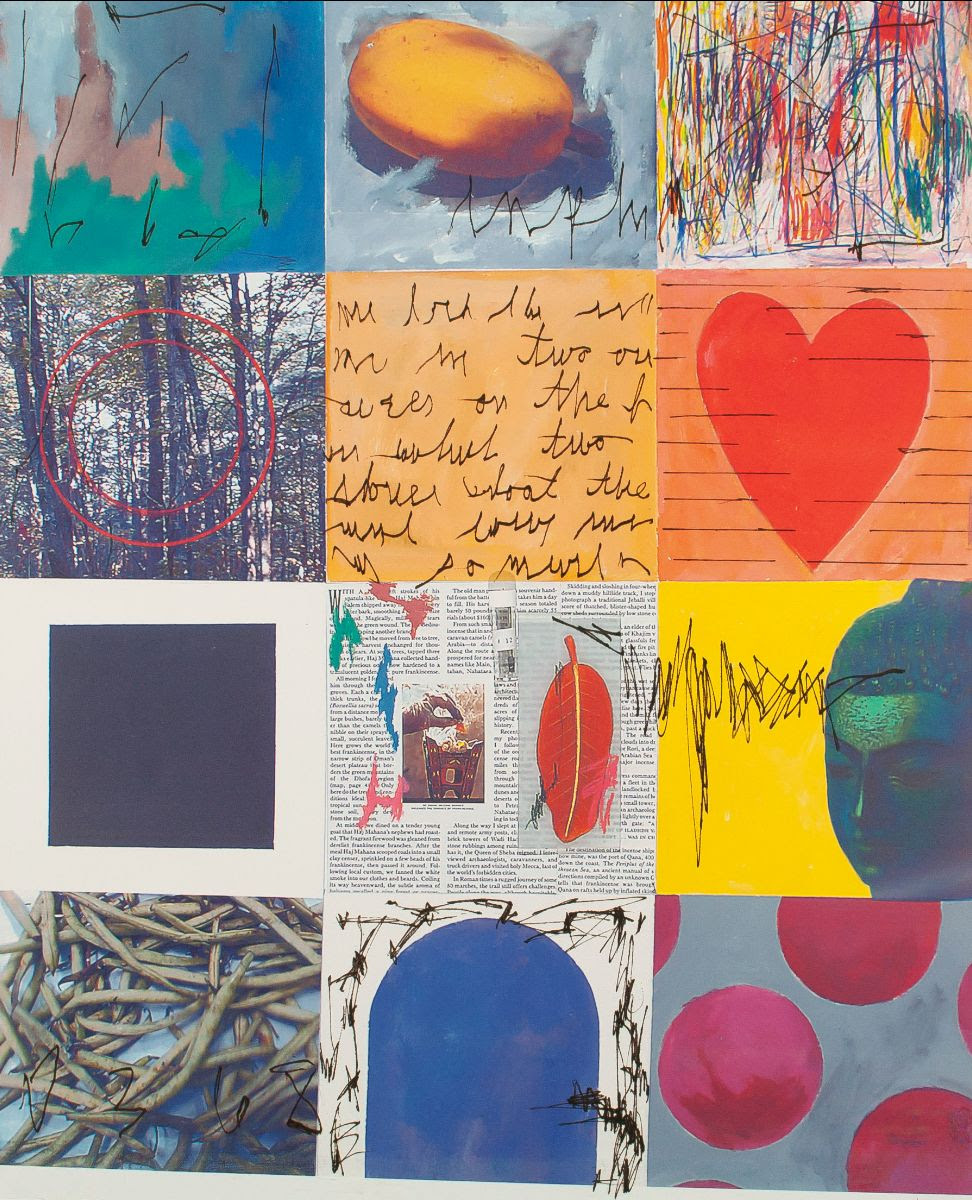
Collage paintings, assemblages, textiles, & faux artifacts designed by Jean Hess to explore the 1920 WV mining labor dispute as metaphor for the human condition.
Three rooms are filled with an eclectic mix of collage paintings ranging in scale from 6×6” to 50×70”; 3-D assemblages and faux artifacts; hand-stitched textiles; documentation in the form of historic notes, catalog entries for a collection of ephemera, photographs.
Call 828-273-3332 for weekend hours or to make an appointment. Exhibits through November 30, 2022.
Flood Gallery Fine Art Center is a non-profit 501(c)3 organization, and educates, encourages, challenges and inspires the community through music, film, literary, and contemporary art.
“Matewan as Metaphor” is an experiment in artistic license. Mixed-media artist Jean Hess creates a personal story by combining real and imagined resources with the intention of healing her own memory and transcending limits on what is possible and allowed in creative and scholarly endeavors as well as in visual art. The 1920 mining labor dispute in Matewan, West Virginia, which involved her own family, stands for a full life and its adversities.
Matewan was, in 1920, the scene of an armed skirmish between coal miners, mining companies, local union officials and hired strike-breakers. Baldwin-Felts Detective Agency thugs hired by the coal operators traveled by train to cast striking miners and their families out of their homes. The local mayor and several Baldwin-Felts agents were killed. The chief of police, the Matewan mayor, and several other locals gathered at the train station to confront the hired guns about the unlawful evictions. The Baldwin-Felts agents refused to recognize the local authority, and a shootout ensued. The mayor, some miners, and several detectives were killed. This was one of many violent conflicts that took place in Southern WV between pro-union miners and men hired by coal companies to use force and intimidation to prevent miners from unionizing.
Jean Hess takes serious training in cultural anthropology and visual art to playful levels. Her mixed-media paintings and constructions come from personal memory and nostalgia, ancestral ties and historical fact. Mining illustrations and maps signify coal mining in early twentieth century Appalachia, as well as issues concerning extractive industries, population displacement, exploitative labor practices, suffering and loss. Using collage, paint, layered resins and found ephemera Hess experiments with myriad ways one can obfuscate, surprise and entice. Found imagery is from geography and history textbooks from the early 1900’s and before. Dimensional objects are from her family or found in junk shops over time. Much of her material may be deconstructed, obscured, scrambled or carefully embellished.
Jean Hess’ multi-variant creative output segues with an equally unpredictable life. She has lived in Washington, DC, Baltimore, Albuquerque, Santa Fe and Abiquiu, New Mexico as well as Atlanta, Dallas and now Knoxville, Tennessee. Her work-for-pay background includes stints as a computer programmer, Montessori teacher, museum registrar, writer and research consultant for government and private industry. With degrees [BA, MA] in cultural anthropology she tends to draw inspiration from wide-ranging interests, and not always according to established rules.
Hess is well-known for experimental mixed-media collage paintings and assemblages that combine the skillful use of layered paint and resins, light refraction and found materials such as antique ephemera and pressed plants. Because her palette, surface and touch are consistent, one can always tell a work of art is hers. And yet Hess likes surprises, plays with materials that are sometimes unfamiliar, operates in a controlled-experiment spirit and likes accidental detours that energize her work. While she took some undergraduate art courses she is largely self-taught.
Public collections include: Huntsville Museum of Art; Evansville Museum of Art, History and Science; Knoxville Museum of Art; University of Virginia; Farm Credit Administration; Knoxville Convention Center; City of Chattanooga; St. Mary’s Hospital Heart Institute [IN]; Canon USA.
Jean Hess is proud that much of her work is in private collections, cared for by sympathetic individuals.
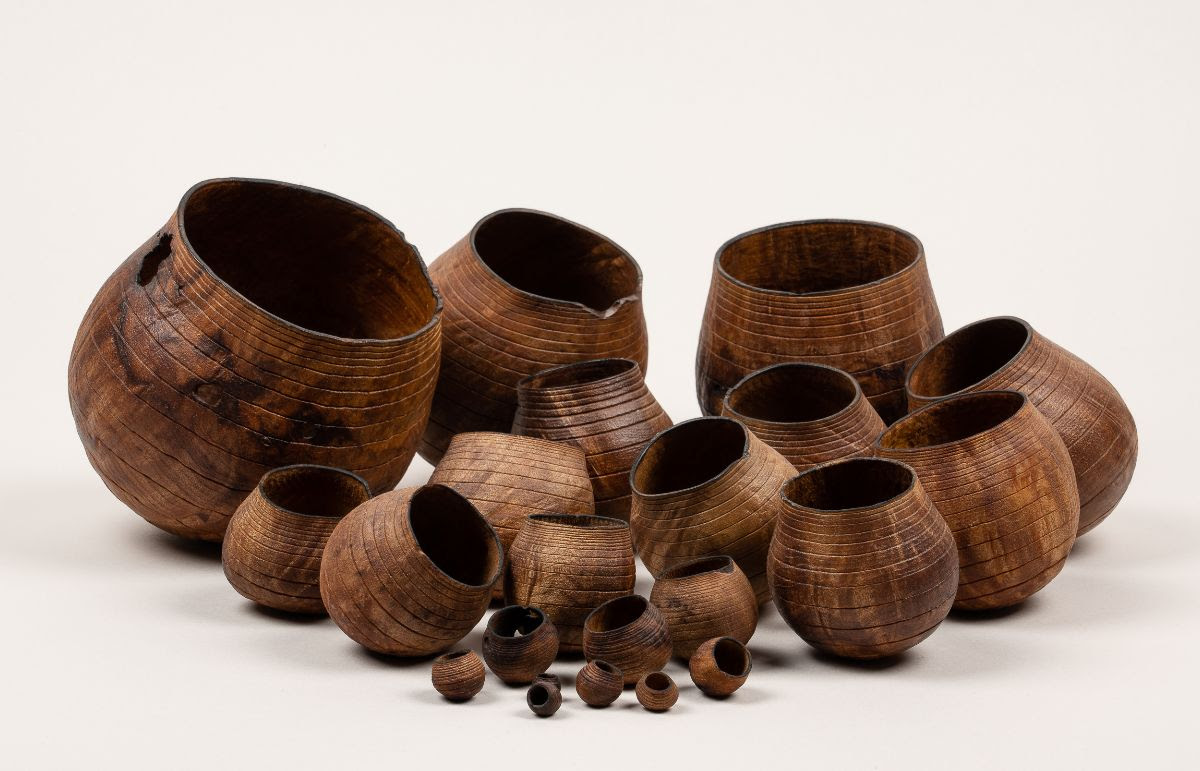
Natural Collector is organized by the Asheville Art Museum. IMAGE: Christian Burchard, Untitled (nesting bowls), 1998, madrone burl, various from 6 × 6 × 6 to ⅜ × ⅜ × ⅜ inches. Gift of Fleur S. Bresler, 2021.76.01.
Natural Collector | Gifts of Fleur S. Bresler features around 15 artworks from the collection of Fleur S. Bresler, which include important examples of modern and contemporary American craft including wood and fiber art, as well as glass and ceramics. These works that were generously donated by contemporary craft collector Bresler to the Asheville Art Museum over the years reflect her strong interest in wood-based art and themes of nature. According to Associate Curator Whitney Richardson, “This exhibition highlights artworks that consider the natural element from which they were created or replicate known flora and fauna in unexpected materials. The selection of objects displayed illustrates how Bresler’s eye for collecting craft not only draws attention to nature and artists’ interest in it, but also accentuates her role as a natural collector with an intuitive ability to identify themes and ideas that speak to one another.”
This exhibition presents work from the Collection representing the first generation of American wood turners like Rude Osolnik and Ed Moulthrop, as well as those that came after and learned from them, such as Philip Moulthrop, John Jordan, and local Western North Carolina (WNC) artist Stoney Lamar. Other WNC-based artists in Natural Collector include Anne Lemanski, whose paper sculpture of a snake captures the viewer’s imagination, and Michael Sherrill’s multimedia work that tricks the eye with its similarity to true-to-life berries. Also represented are beadwork and sculpture by Joyce J. Scott and Jack and Linda Fifield.
|
|
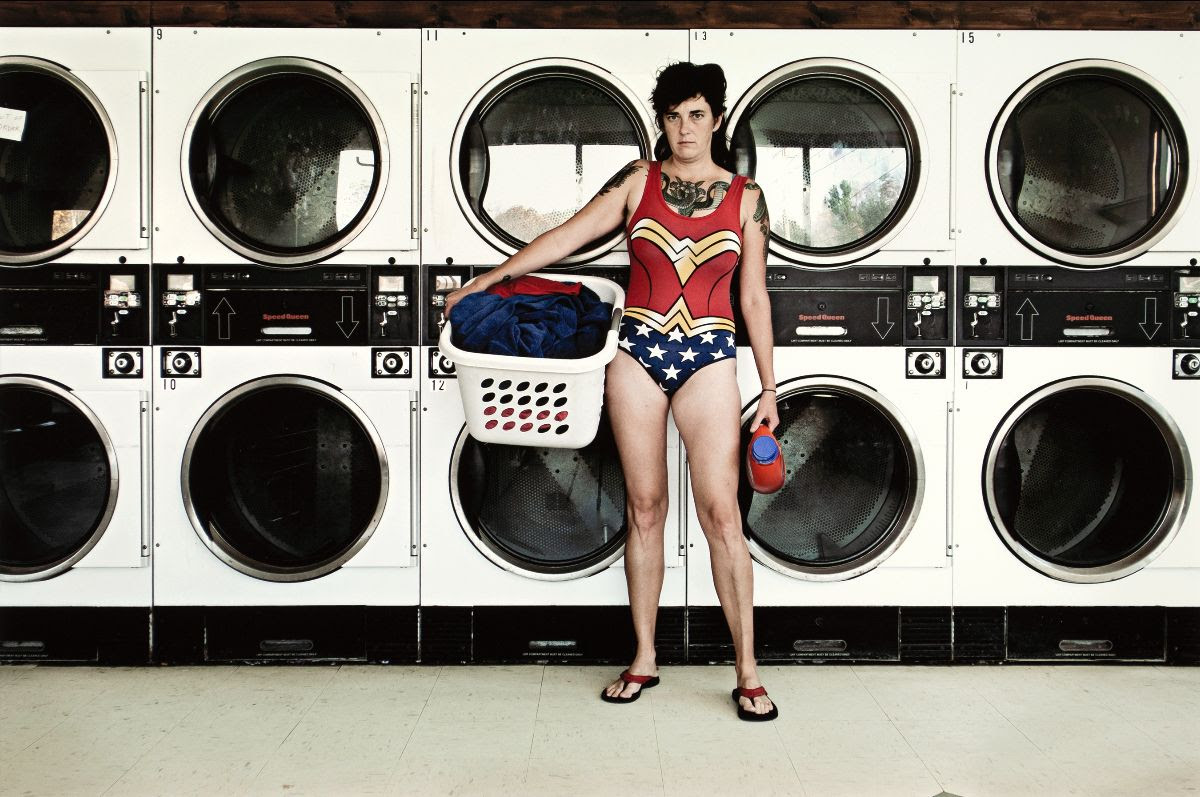
Rebel/Re-Belle: Exploring Gender, Agency, and Identity | Selections from the Asheville Art Museum and Rubell Museum combines works, primarily created by women, from two significant collections of contemporary art to explore how artists have innovated, influenced, interrogated, and inspired visual culture in the past 100 years.
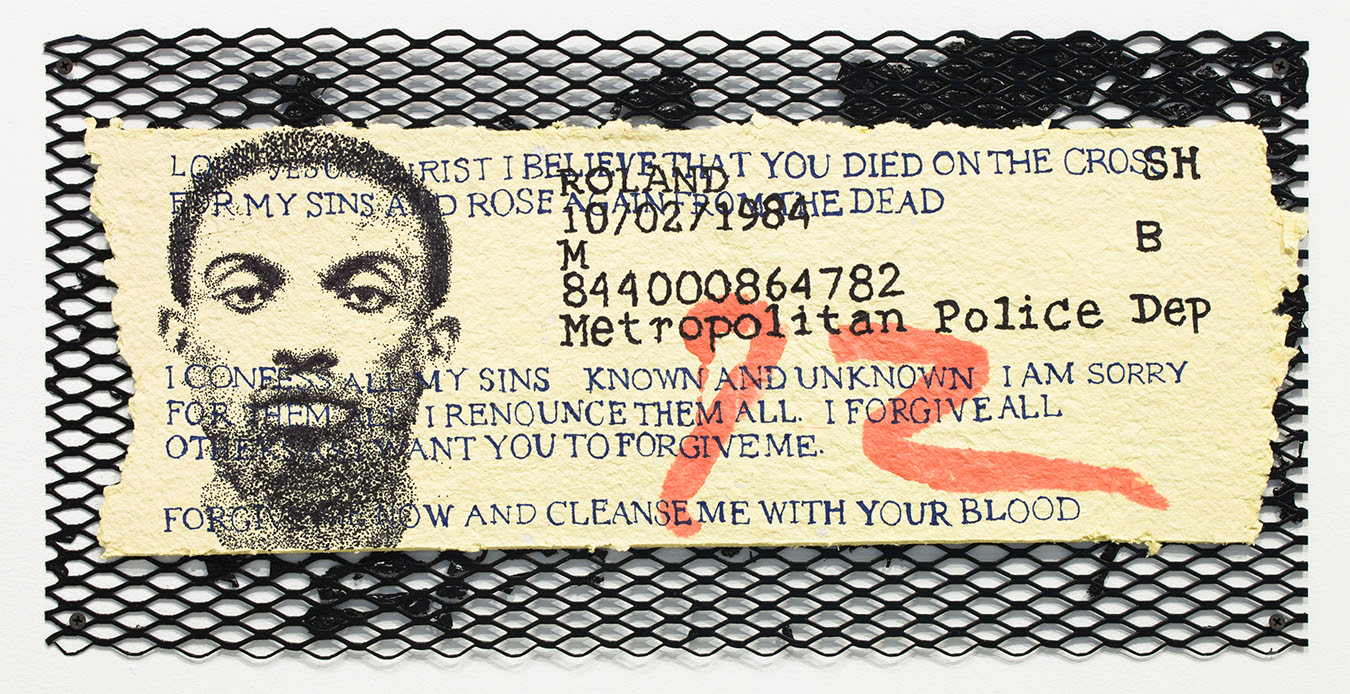
Asheville-born and Raleigh-Durham-based interdisciplinary artist Sherrill Roland’s socially driven practice draws upon his experience with wrongful incarceration for a crime he did not commit and seeks to open conversations about how we care for our communities and one another with compassion and understanding. Through sculpture, installation, and conceptual art, Roland engages visitors in dialogues around community, social contract, identity, biases, and other deeply human experiences. Comprised of artwork created from 2016 to the present, Sherrill Roland: Sugar, Water, Lemon Squeeze reflects on making something from nothing, lemonade from lemons, the best of a situation. A reference to a simple recipe from the artist’s childhood, the title also speaks to Roland’s employment of materials available to him while incarcerated, such as Kool-Aid and mail from family members. In the face of his personal experiences, he invites viewers to confront their own uncomfortable complicity in perpetuating injustice. Roland’s work humanizes these difficult topics and creates a space for communication and envisioning a better future. This exhibition is organized by the Asheville Art Museum and curated by Hilary Schroeder, assistant curator, in collaboration with the Artist. This exhibition is funded, in part, by a grant from South Arts in partnership with the National Endowment for the Arts.
|
|
|
|
|
The Fall Studio Tour Preview Exhibition opens in the Kokol Gallery, in Toe River Arts’ Spruce Pine location at 269 Oak Ave, October 29 and runs through the end December 2022. This exhibition gives visitors an opportunity to have a glimpse into each studio and plan their route. It’s also a great place to begin the tour or take a break from a day of non-stop art and artists.
There’s something breathtaking and awe-inspiring about driving through the mountains of western North Carolina in the Fall. The way the trees show off by turning vibrant shades of red, yellow, and orange before leaving bare branches to the crisp winds and snowy days of winter, reminds us that nature herself is the original artist.
For more than a quarter century, the Toe River Arts Studio Tour has intrigued those who make the journey to visit places of inspiration and creation. Situated between Roan Mountain which boasts the world’s largest rhododendron garden and Mt. Mitchell, the highest peak east of the Mississippi, the Toe River Arts Studio Tour is a free, self-guided journey of the arts. This arts adventure through Mitchell and Yancey Counties will take visitors along the meandering Toe River, across its many bridges, around barns, acres of fields and miles of forests all while visiting the 83 talented studio artists who often take inspiration from the mountains they call home and 8 galleries featuring local and international art.
It doesn’t matter if you live up the hill or across the state. The Studio Tour provides an adventure for the intrepid seeker of the art experience. Artist studios come in many iterations—the building off to the side of the house, or across the field or down the road or right off the main road or down a gravel one-lane. Two-stories with a gallery space or small and cozy with a table set up or cleared off for display. Still there are others that devote a corner to each artist sharing the space. Wherever and however they are set up, the studios are exciting places to visit because they demonstrate the dynamic process used to create a finished piece. Every artist has their own way of telling a story, inviting visitors to ask questions, hold their work, and share a moment.
The art is as diverse as the artists who create it and features the work of glassblowers, jewelers, printmakers, potters, fiber artists, ironworkers, painters, sculptors, and woodworkers.
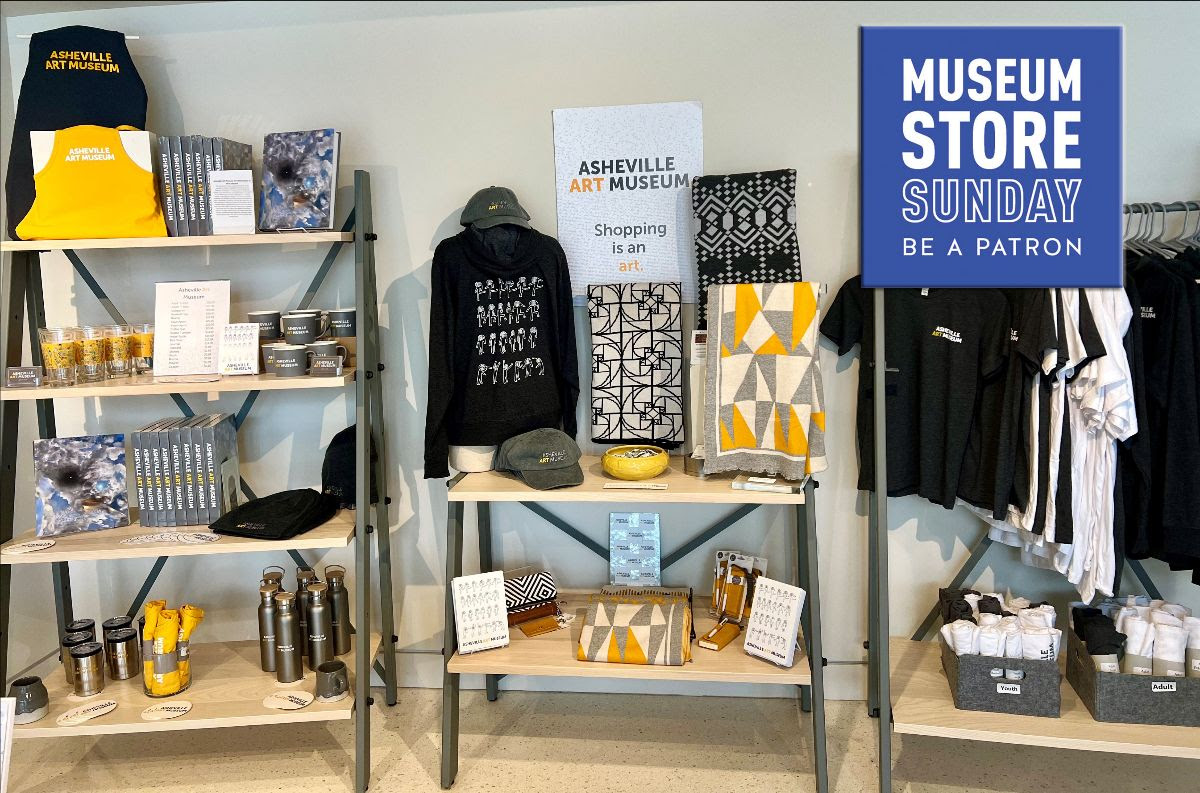
On Sunday, November 27 more than 1,800 Museum Stores representing all 50 states, 24 countries, and five continents will celebrate Museum Store Sunday, the 5th global annual day to Be a Patron and shop conscientiously. Just in time for the holidays, find distinctive gifts filled with inspiration and educational value. Through your purchases, you’re not only supporting the Asheville Art Museum, but you’re also championing small businesses, independent suppliers, and artisan makers whose products are featured in our Museum Store.
Natural Collector is organized by the Asheville Art Museum. IMAGE: Christian Burchard, Untitled (nesting bowls), 1998, madrone burl, various from 6 × 6 × 6 to ⅜ × ⅜ × ⅜ inches. Gift of Fleur S. Bresler, 2021.76.01.
Natural Collector | Gifts of Fleur S. Bresler features around 15 artworks from the collection of Fleur S. Bresler, which include important examples of modern and contemporary American craft including wood and fiber art, as well as glass and ceramics. These works that were generously donated by contemporary craft collector Bresler to the Asheville Art Museum over the years reflect her strong interest in wood-based art and themes of nature. According to Associate Curator Whitney Richardson, “This exhibition highlights artworks that consider the natural element from which they were created or replicate known flora and fauna in unexpected materials. The selection of objects displayed illustrates how Bresler’s eye for collecting craft not only draws attention to nature and artists’ interest in it, but also accentuates her role as a natural collector with an intuitive ability to identify themes and ideas that speak to one another.”
This exhibition presents work from the Collection representing the first generation of American wood turners like Rude Osolnik and Ed Moulthrop, as well as those that came after and learned from them, such as Philip Moulthrop, John Jordan, and local Western North Carolina (WNC) artist Stoney Lamar. Other WNC-based artists in Natural Collector include Anne Lemanski, whose paper sculpture of a snake captures the viewer’s imagination, and Michael Sherrill’s multimedia work that tricks the eye with its similarity to true-to-life berries. Also represented are beadwork and sculpture by Joyce J. Scott and Jack and Linda Fifield.
|
|
Rebel/Re-Belle: Exploring Gender, Agency, and Identity | Selections from the Asheville Art Museum and Rubell Museum combines works, primarily created by women, from two significant collections of contemporary art to explore how artists have innovated, influenced, interrogated, and inspired visual culture in the past 100 years.
Asheville-born and Raleigh-Durham-based interdisciplinary artist Sherrill Roland’s socially driven practice draws upon his experience with wrongful incarceration for a crime he did not commit and seeks to open conversations about how we care for our communities and one another with compassion and understanding. Through sculpture, installation, and conceptual art, Roland engages visitors in dialogues around community, social contract, identity, biases, and other deeply human experiences. Comprised of artwork created from 2016 to the present, Sherrill Roland: Sugar, Water, Lemon Squeeze reflects on making something from nothing, lemonade from lemons, the best of a situation. A reference to a simple recipe from the artist’s childhood, the title also speaks to Roland’s employment of materials available to him while incarcerated, such as Kool-Aid and mail from family members. In the face of his personal experiences, he invites viewers to confront their own uncomfortable complicity in perpetuating injustice. Roland’s work humanizes these difficult topics and creates a space for communication and envisioning a better future. This exhibition is organized by the Asheville Art Museum and curated by Hilary Schroeder, assistant curator, in collaboration with the Artist. This exhibition is funded, in part, by a grant from South Arts in partnership with the National Endowment for the Arts.
|
|
|
|
|
Collage paintings, assemblages, textiles, & faux artifacts designed by Jean Hess to explore the 1920 WV mining labor dispute as metaphor for the human condition.
Three rooms are filled with an eclectic mix of collage paintings ranging in scale from 6×6” to 50×70”; 3-D assemblages and faux artifacts; hand-stitched textiles; documentation in the form of historic notes, catalog entries for a collection of ephemera, photographs.
Call 828-273-3332 for weekend hours or to make an appointment. Exhibits through November 30, 2022.
Flood Gallery Fine Art Center is a non-profit 501(c)3 organization, and educates, encourages, challenges and inspires the community through music, film, literary, and contemporary art.
“Matewan as Metaphor” is an experiment in artistic license. Mixed-media artist Jean Hess creates a personal story by combining real and imagined resources with the intention of healing her own memory and transcending limits on what is possible and allowed in creative and scholarly endeavors as well as in visual art. The 1920 mining labor dispute in Matewan, West Virginia, which involved her own family, stands for a full life and its adversities.
Matewan was, in 1920, the scene of an armed skirmish between coal miners, mining companies, local union officials and hired strike-breakers. Baldwin-Felts Detective Agency thugs hired by the coal operators traveled by train to cast striking miners and their families out of their homes. The local mayor and several Baldwin-Felts agents were killed. The chief of police, the Matewan mayor, and several other locals gathered at the train station to confront the hired guns about the unlawful evictions. The Baldwin-Felts agents refused to recognize the local authority, and a shootout ensued. The mayor, some miners, and several detectives were killed. This was one of many violent conflicts that took place in Southern WV between pro-union miners and men hired by coal companies to use force and intimidation to prevent miners from unionizing.
Jean Hess takes serious training in cultural anthropology and visual art to playful levels. Her mixed-media paintings and constructions come from personal memory and nostalgia, ancestral ties and historical fact. Mining illustrations and maps signify coal mining in early twentieth century Appalachia, as well as issues concerning extractive industries, population displacement, exploitative labor practices, suffering and loss. Using collage, paint, layered resins and found ephemera Hess experiments with myriad ways one can obfuscate, surprise and entice. Found imagery is from geography and history textbooks from the early 1900’s and before. Dimensional objects are from her family or found in junk shops over time. Much of her material may be deconstructed, obscured, scrambled or carefully embellished.
Jean Hess’ multi-variant creative output segues with an equally unpredictable life. She has lived in Washington, DC, Baltimore, Albuquerque, Santa Fe and Abiquiu, New Mexico as well as Atlanta, Dallas and now Knoxville, Tennessee. Her work-for-pay background includes stints as a computer programmer, Montessori teacher, museum registrar, writer and research consultant for government and private industry. With degrees [BA, MA] in cultural anthropology she tends to draw inspiration from wide-ranging interests, and not always according to established rules.
Hess is well-known for experimental mixed-media collage paintings and assemblages that combine the skillful use of layered paint and resins, light refraction and found materials such as antique ephemera and pressed plants. Because her palette, surface and touch are consistent, one can always tell a work of art is hers. And yet Hess likes surprises, plays with materials that are sometimes unfamiliar, operates in a controlled-experiment spirit and likes accidental detours that energize her work. While she took some undergraduate art courses she is largely self-taught.
Public collections include: Huntsville Museum of Art; Evansville Museum of Art, History and Science; Knoxville Museum of Art; University of Virginia; Farm Credit Administration; Knoxville Convention Center; City of Chattanooga; St. Mary’s Hospital Heart Institute [IN]; Canon USA.
Jean Hess is proud that much of her work is in private collections, cared for by sympathetic individuals.
Figure Drawing Salon-
Live nude model, art instructor host, bring your own art supplies. We have a limited supply available. Some community supplies available for use. We ask for a $15 donation at the door to support the instructor and model.
Format may vary but usually consists of- 5-1 min
2- 5 min
1- 10 min
2- 20 min each pose different 10 min break in between
2- 20 minute poses same pose
Come learn and mingle with a fun and friendly community of artists! Normally hosted the last Sunday of every month.
The Asheville Art Museum is entering a new chapter. When organizations are healthy and strong, they can look to the future. Therefore, the Museum is focusing on what steps it should take to better serve our community. One recent stride was the addition of an Online Collection database to our website. Since its launch in October, more than 1,500 searchable objects have been digitized and uploaded out of our growing Collection of 7,500-plus artworks. The goal is to enable interested patrons, scholars, curators, artists, and educators worldwide to learn about the Museum’s holdings, whether they are on view or not, and to make the Collection accessible to more of the general community from the comfort of their homes. We know virtual learning is here to stay, and families and students of all ages can use the database for exploration and learning from anywhere with an internet connection! Christopher Whitten, associate registrar for the Museum, speaks more about the project:
“I think there’s this constant wonder among patrons about what is in the vault or behind doors. The online database allows us to share a significant portion of the Collection on a global scale. Often, there are inquiries by researchers into which artists we have. Others ask about potential gifting of more artworks by a current artist, or even by a new artist that would be a good fit within the Collection. The Online Collection gives a new, deeper Museum experience to visitors. With three-dimension artworks, we’re able to feature more than one view, allowing visitors to see the objects from multiple angles.
“For many of the artists, we’ve included updated biographies, including where they were educated and/or taught. Keywords help visitors find artworks associated with a certain subject. For example, when one types in the word dog, it will pull artworks not only with the word in their titles, but also ones in which the descriptive field mentions the word dog.
“Another great thing about clicking on an object record is getting to know its dimensions—information that’s not included on museum labels. Families and donors can search and find out what items were gifted to the Museum, and by whom. Our goal is to have the entire Collection accessible online soon. We’ll be adding large groups of objects every quarter, with the next round starting in January.”
Thanks to supporters like you, the Museum can provide programs that facilitate and sustain meaningful relationships. A gift to the Annual Fund ensures the Museum continues to engage artists, educators, and other experts in programs that broaden and deepen our understanding of art, ourselves, and our communities.
Help us continue to support Asheville’s deeply rooted arts community by making a tax-deductible gift to the Museum’s Annual Fund today, either by visiting ashevilleart.org/donate or calling 828.253.3227 x117.
We deeply appreciate your dedication to the Museum and to keeping the arts vibrant in Western North Carolina. Because of your continued support, we can share the transformative power of art with our regional community and beyond.
Collage paintings, assemblages, textiles, & faux artifacts designed by Jean Hess to explore the 1920 WV mining labor dispute as metaphor for the human condition.
Three rooms are filled with an eclectic mix of collage paintings ranging in scale from 6×6” to 50×70”; 3-D assemblages and faux artifacts; hand-stitched textiles; documentation in the form of historic notes, catalog entries for a collection of ephemera, photographs.
Call 828-273-3332 for weekend hours or to make an appointment. Exhibits through November 30, 2022.
Flood Gallery Fine Art Center is a non-profit 501(c)3 organization, and educates, encourages, challenges and inspires the community through music, film, literary, and contemporary art.
“Matewan as Metaphor” is an experiment in artistic license. Mixed-media artist Jean Hess creates a personal story by combining real and imagined resources with the intention of healing her own memory and transcending limits on what is possible and allowed in creative and scholarly endeavors as well as in visual art. The 1920 mining labor dispute in Matewan, West Virginia, which involved her own family, stands for a full life and its adversities.
Matewan was, in 1920, the scene of an armed skirmish between coal miners, mining companies, local union officials and hired strike-breakers. Baldwin-Felts Detective Agency thugs hired by the coal operators traveled by train to cast striking miners and their families out of their homes. The local mayor and several Baldwin-Felts agents were killed. The chief of police, the Matewan mayor, and several other locals gathered at the train station to confront the hired guns about the unlawful evictions. The Baldwin-Felts agents refused to recognize the local authority, and a shootout ensued. The mayor, some miners, and several detectives were killed. This was one of many violent conflicts that took place in Southern WV between pro-union miners and men hired by coal companies to use force and intimidation to prevent miners from unionizing.
Jean Hess takes serious training in cultural anthropology and visual art to playful levels. Her mixed-media paintings and constructions come from personal memory and nostalgia, ancestral ties and historical fact. Mining illustrations and maps signify coal mining in early twentieth century Appalachia, as well as issues concerning extractive industries, population displacement, exploitative labor practices, suffering and loss. Using collage, paint, layered resins and found ephemera Hess experiments with myriad ways one can obfuscate, surprise and entice. Found imagery is from geography and history textbooks from the early 1900’s and before. Dimensional objects are from her family or found in junk shops over time. Much of her material may be deconstructed, obscured, scrambled or carefully embellished.
Jean Hess’ multi-variant creative output segues with an equally unpredictable life. She has lived in Washington, DC, Baltimore, Albuquerque, Santa Fe and Abiquiu, New Mexico as well as Atlanta, Dallas and now Knoxville, Tennessee. Her work-for-pay background includes stints as a computer programmer, Montessori teacher, museum registrar, writer and research consultant for government and private industry. With degrees [BA, MA] in cultural anthropology she tends to draw inspiration from wide-ranging interests, and not always according to established rules.
Hess is well-known for experimental mixed-media collage paintings and assemblages that combine the skillful use of layered paint and resins, light refraction and found materials such as antique ephemera and pressed plants. Because her palette, surface and touch are consistent, one can always tell a work of art is hers. And yet Hess likes surprises, plays with materials that are sometimes unfamiliar, operates in a controlled-experiment spirit and likes accidental detours that energize her work. While she took some undergraduate art courses she is largely self-taught.
Public collections include: Huntsville Museum of Art; Evansville Museum of Art, History and Science; Knoxville Museum of Art; University of Virginia; Farm Credit Administration; Knoxville Convention Center; City of Chattanooga; St. Mary’s Hospital Heart Institute [IN]; Canon USA.
Jean Hess is proud that much of her work is in private collections, cared for by sympathetic individuals.
Natural Collector is organized by the Asheville Art Museum. IMAGE: Christian Burchard, Untitled (nesting bowls), 1998, madrone burl, various from 6 × 6 × 6 to ⅜ × ⅜ × ⅜ inches. Gift of Fleur S. Bresler, 2021.76.01.
Natural Collector | Gifts of Fleur S. Bresler features around 15 artworks from the collection of Fleur S. Bresler, which include important examples of modern and contemporary American craft including wood and fiber art, as well as glass and ceramics. These works that were generously donated by contemporary craft collector Bresler to the Asheville Art Museum over the years reflect her strong interest in wood-based art and themes of nature. According to Associate Curator Whitney Richardson, “This exhibition highlights artworks that consider the natural element from which they were created or replicate known flora and fauna in unexpected materials. The selection of objects displayed illustrates how Bresler’s eye for collecting craft not only draws attention to nature and artists’ interest in it, but also accentuates her role as a natural collector with an intuitive ability to identify themes and ideas that speak to one another.”
This exhibition presents work from the Collection representing the first generation of American wood turners like Rude Osolnik and Ed Moulthrop, as well as those that came after and learned from them, such as Philip Moulthrop, John Jordan, and local Western North Carolina (WNC) artist Stoney Lamar. Other WNC-based artists in Natural Collector include Anne Lemanski, whose paper sculpture of a snake captures the viewer’s imagination, and Michael Sherrill’s multimedia work that tricks the eye with its similarity to true-to-life berries. Also represented are beadwork and sculpture by Joyce J. Scott and Jack and Linda Fifield.
|
|
Rebel/Re-Belle: Exploring Gender, Agency, and Identity | Selections from the Asheville Art Museum and Rubell Museum combines works, primarily created by women, from two significant collections of contemporary art to explore how artists have innovated, influenced, interrogated, and inspired visual culture in the past 100 years.
Asheville-born and Raleigh-Durham-based interdisciplinary artist Sherrill Roland’s socially driven practice draws upon his experience with wrongful incarceration for a crime he did not commit and seeks to open conversations about how we care for our communities and one another with compassion and understanding. Through sculpture, installation, and conceptual art, Roland engages visitors in dialogues around community, social contract, identity, biases, and other deeply human experiences. Comprised of artwork created from 2016 to the present, Sherrill Roland: Sugar, Water, Lemon Squeeze reflects on making something from nothing, lemonade from lemons, the best of a situation. A reference to a simple recipe from the artist’s childhood, the title also speaks to Roland’s employment of materials available to him while incarcerated, such as Kool-Aid and mail from family members. In the face of his personal experiences, he invites viewers to confront their own uncomfortable complicity in perpetuating injustice. Roland’s work humanizes these difficult topics and creates a space for communication and envisioning a better future. This exhibition is organized by the Asheville Art Museum and curated by Hilary Schroeder, assistant curator, in collaboration with the Artist. This exhibition is funded, in part, by a grant from South Arts in partnership with the National Endowment for the Arts.
|
|
|
|
|

Join us for this fun throwback to days in nature camp. Environmental Educators Katie Gorman & Ben Bafaloukos lead participants on a wildlife-watching and material-gathering walk in the Arboretum forest. Then we come inside to make nature-inspired decorations and wildlife treats to please your wild neighbors (or do we mean your neighbors in the wild?) Bring your creative energy and a sweet tooth for a fun and relaxing afternoon! All materials for crafting (and snacking) are included.
Katie Gorman is an Asheville native who grew up at the Arboretum. From the age of 5, Katie attended camps, and has since volunteered and become a staff member, working with both youth and adult education. She graduated from NC State University in 2020 with a degree in Zoology, and then in 2021 with a masters in Biology and a focus on ornithology. Katie strives to build connections between people and the natural world and also enjoys art and photography, while looking to find ways to combine art and nature!
Ben Bafaloukos is a passionate environmental educator with The North Carolina Arboretum, specializing in youth education. An avid photographer, writer, and artist, Ben finds inspiration in all aspects of nature, enjoying contemplative and slow-paced hikes through our beautiful mountain forests. His favorite subject is the wide array of birds that grace these forests, from the tiny nuthatch to the stately heron. More than anything, though, Ben loves to share his passion for nature with others.
Registration and Participation in In-Person Classes through the Arboretum:
- Registration for this class will close two days before the class start date.
- Make sure you enter your email address correctly when registering.
- Registrants will be sent a reminder email the day prior to class with the meeting location, current Safety Guidelines, and additional details.
*Please add [email protected] to your contacts to ensure our emails do not end up in your spam folder.
The Fall Studio Tour Preview Exhibition opens in the Kokol Gallery, in Toe River Arts’ Spruce Pine location at 269 Oak Ave, October 29 and runs through the end December 2022. This exhibition gives visitors an opportunity to have a glimpse into each studio and plan their route. It’s also a great place to begin the tour or take a break from a day of non-stop art and artists.
There’s something breathtaking and awe-inspiring about driving through the mountains of western North Carolina in the Fall. The way the trees show off by turning vibrant shades of red, yellow, and orange before leaving bare branches to the crisp winds and snowy days of winter, reminds us that nature herself is the original artist.
For more than a quarter century, the Toe River Arts Studio Tour has intrigued those who make the journey to visit places of inspiration and creation. Situated between Roan Mountain which boasts the world’s largest rhododendron garden and Mt. Mitchell, the highest peak east of the Mississippi, the Toe River Arts Studio Tour is a free, self-guided journey of the arts. This arts adventure through Mitchell and Yancey Counties will take visitors along the meandering Toe River, across its many bridges, around barns, acres of fields and miles of forests all while visiting the 83 talented studio artists who often take inspiration from the mountains they call home and 8 galleries featuring local and international art.
It doesn’t matter if you live up the hill or across the state. The Studio Tour provides an adventure for the intrepid seeker of the art experience. Artist studios come in many iterations—the building off to the side of the house, or across the field or down the road or right off the main road or down a gravel one-lane. Two-stories with a gallery space or small and cozy with a table set up or cleared off for display. Still there are others that devote a corner to each artist sharing the space. Wherever and however they are set up, the studios are exciting places to visit because they demonstrate the dynamic process used to create a finished piece. Every artist has their own way of telling a story, inviting visitors to ask questions, hold their work, and share a moment.
The art is as diverse as the artists who create it and features the work of glassblowers, jewelers, printmakers, potters, fiber artists, ironworkers, painters, sculptors, and woodworkers.
Collage paintings, assemblages, textiles, & faux artifacts designed by Jean Hess to explore the 1920 WV mining labor dispute as metaphor for the human condition.
Three rooms are filled with an eclectic mix of collage paintings ranging in scale from 6×6” to 50×70”; 3-D assemblages and faux artifacts; hand-stitched textiles; documentation in the form of historic notes, catalog entries for a collection of ephemera, photographs.
Call 828-273-3332 for weekend hours or to make an appointment. Exhibits through November 30, 2022.
Flood Gallery Fine Art Center is a non-profit 501(c)3 organization, and educates, encourages, challenges and inspires the community through music, film, literary, and contemporary art.
“Matewan as Metaphor” is an experiment in artistic license. Mixed-media artist Jean Hess creates a personal story by combining real and imagined resources with the intention of healing her own memory and transcending limits on what is possible and allowed in creative and scholarly endeavors as well as in visual art. The 1920 mining labor dispute in Matewan, West Virginia, which involved her own family, stands for a full life and its adversities.
Matewan was, in 1920, the scene of an armed skirmish between coal miners, mining companies, local union officials and hired strike-breakers. Baldwin-Felts Detective Agency thugs hired by the coal operators traveled by train to cast striking miners and their families out of their homes. The local mayor and several Baldwin-Felts agents were killed. The chief of police, the Matewan mayor, and several other locals gathered at the train station to confront the hired guns about the unlawful evictions. The Baldwin-Felts agents refused to recognize the local authority, and a shootout ensued. The mayor, some miners, and several detectives were killed. This was one of many violent conflicts that took place in Southern WV between pro-union miners and men hired by coal companies to use force and intimidation to prevent miners from unionizing.
Jean Hess takes serious training in cultural anthropology and visual art to playful levels. Her mixed-media paintings and constructions come from personal memory and nostalgia, ancestral ties and historical fact. Mining illustrations and maps signify coal mining in early twentieth century Appalachia, as well as issues concerning extractive industries, population displacement, exploitative labor practices, suffering and loss. Using collage, paint, layered resins and found ephemera Hess experiments with myriad ways one can obfuscate, surprise and entice. Found imagery is from geography and history textbooks from the early 1900’s and before. Dimensional objects are from her family or found in junk shops over time. Much of her material may be deconstructed, obscured, scrambled or carefully embellished.
Jean Hess’ multi-variant creative output segues with an equally unpredictable life. She has lived in Washington, DC, Baltimore, Albuquerque, Santa Fe and Abiquiu, New Mexico as well as Atlanta, Dallas and now Knoxville, Tennessee. Her work-for-pay background includes stints as a computer programmer, Montessori teacher, museum registrar, writer and research consultant for government and private industry. With degrees [BA, MA] in cultural anthropology she tends to draw inspiration from wide-ranging interests, and not always according to established rules.
Hess is well-known for experimental mixed-media collage paintings and assemblages that combine the skillful use of layered paint and resins, light refraction and found materials such as antique ephemera and pressed plants. Because her palette, surface and touch are consistent, one can always tell a work of art is hers. And yet Hess likes surprises, plays with materials that are sometimes unfamiliar, operates in a controlled-experiment spirit and likes accidental detours that energize her work. While she took some undergraduate art courses she is largely self-taught.
Public collections include: Huntsville Museum of Art; Evansville Museum of Art, History and Science; Knoxville Museum of Art; University of Virginia; Farm Credit Administration; Knoxville Convention Center; City of Chattanooga; St. Mary’s Hospital Heart Institute [IN]; Canon USA.
Jean Hess is proud that much of her work is in private collections, cared for by sympathetic individuals.
The Asheville Art Museum is entering a new chapter. When organizations are healthy and strong, they can look to the future. Therefore, the Museum is focusing on what steps it should take to better serve our community. One recent stride was the addition of an Online Collection database to our website. Since its launch in October, more than 1,500 searchable objects have been digitized and uploaded out of our growing Collection of 7,500-plus artworks. The goal is to enable interested patrons, scholars, curators, artists, and educators worldwide to learn about the Museum’s holdings, whether they are on view or not, and to make the Collection accessible to more of the general community from the comfort of their homes. We know virtual learning is here to stay, and families and students of all ages can use the database for exploration and learning from anywhere with an internet connection! Christopher Whitten, associate registrar for the Museum, speaks more about the project:
“I think there’s this constant wonder among patrons about what is in the vault or behind doors. The online database allows us to share a significant portion of the Collection on a global scale. Often, there are inquiries by researchers into which artists we have. Others ask about potential gifting of more artworks by a current artist, or even by a new artist that would be a good fit within the Collection. The Online Collection gives a new, deeper Museum experience to visitors. With three-dimension artworks, we’re able to feature more than one view, allowing visitors to see the objects from multiple angles.
“For many of the artists, we’ve included updated biographies, including where they were educated and/or taught. Keywords help visitors find artworks associated with a certain subject. For example, when one types in the word dog, it will pull artworks not only with the word in their titles, but also ones in which the descriptive field mentions the word dog.
“Another great thing about clicking on an object record is getting to know its dimensions—information that’s not included on museum labels. Families and donors can search and find out what items were gifted to the Museum, and by whom. Our goal is to have the entire Collection accessible online soon. We’ll be adding large groups of objects every quarter, with the next round starting in January.”
Thanks to supporters like you, the Museum can provide programs that facilitate and sustain meaningful relationships. A gift to the Annual Fund ensures the Museum continues to engage artists, educators, and other experts in programs that broaden and deepen our understanding of art, ourselves, and our communities.
Help us continue to support Asheville’s deeply rooted arts community by making a tax-deductible gift to the Museum’s Annual Fund today, either by visiting ashevilleart.org/donate or calling 828.253.3227 x117.
We deeply appreciate your dedication to the Museum and to keeping the arts vibrant in Western North Carolina. Because of your continued support, we can share the transformative power of art with our regional community and beyond.
Visitors to the Asheville Gallery of Art will be able to view Martin Pasco’s show from November 1st through November 30th. There will be a special “meet the artist” opening on Friday, November 4th from 5 to 8pm.
Martin Pasco was born and raised in northeast Pennsylvania, in mountains that are very similar to those in western North Carolina, but he finds the Blue Ridge Mountains much more interesting to him. He received a Bachelor of Fine Arts in painting from Penn State University, worked as a Freelance illustrator in Washington DC from 1984 – 2019, and became retired, or semi-retired in 2019, after moving to Barnardsville.
Martin lived and painted in a few different places since he left Pennsylvania. First came northern Florida, then the bay area in California, both northern and southern New Jersey, and Washington D.C. Most of those pictures were fairly urban or suburban and he has left chronicles of all of these places. He has also managed to keep at least one picture from each of these locations. Now it’s time for North Carolina, and most everything that comes out these days is placid and rural.
Martin is constantly bombarded by views of spaces that seem to have some importance. Those are the ones that end up in his pictures. “I like to think that this significance comes through in my work. One of my main reasons for retiring to North Carolina was the wealth of subject matter that the area provides. In fact, over two-thirds of my paintings are from areas within a mile or two of my home in Barnardsville, and there seems to be no indication of my running low on subject matter.”
Two big influences in his early career were paintings that were in the collection of the Palmer Art Museum at Penn State University. One was “August Landscape” by Sidney Goodman, and the other was by Elmer Bischoff entitled “Buildings, Trees, Path”. Stylistically they were miles apart; the Goodman being very formal and staid; the Bischoff very fluid and full of movement. Most of his painting career seems to have been trying to merge those two styles.
Martin’s website is www.martinpasco.com.
Presenter: Pat Strang and Joyce Tromba, Extension Master GardenerSM Volunteers
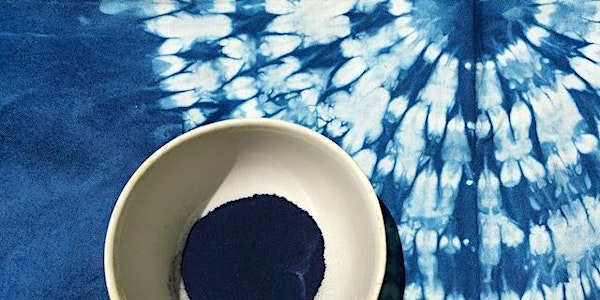
Try your hand at shibori, a traditional Japanese resist dyeing technique using an organic indigo vat. Attendees will go home with their own indigo bandana! You will also learn about growing and harvesting indigo here in the mountains, along with how to set up and maintain an indigo vat.
Registration: Registration is required. To ensure a good learning experience, attendance will be limited. Please click on the link below to register. If you encounter problems registering or if you have questions, call 828-255-5522.
This event is free, but a $5 donation is requested. Please bring cash.
| \ |
The Fall Studio Tour Preview Exhibition opens in the Kokol Gallery, in Toe River Arts’ Spruce Pine location at 269 Oak Ave, October 29 and runs through the end December 2022. This exhibition gives visitors an opportunity to have a glimpse into each studio and plan their route. It’s also a great place to begin the tour or take a break from a day of non-stop art and artists.
There’s something breathtaking and awe-inspiring about driving through the mountains of western North Carolina in the Fall. The way the trees show off by turning vibrant shades of red, yellow, and orange before leaving bare branches to the crisp winds and snowy days of winter, reminds us that nature herself is the original artist.
For more than a quarter century, the Toe River Arts Studio Tour has intrigued those who make the journey to visit places of inspiration and creation. Situated between Roan Mountain which boasts the world’s largest rhododendron garden and Mt. Mitchell, the highest peak east of the Mississippi, the Toe River Arts Studio Tour is a free, self-guided journey of the arts. This arts adventure through Mitchell and Yancey Counties will take visitors along the meandering Toe River, across its many bridges, around barns, acres of fields and miles of forests all while visiting the 83 talented studio artists who often take inspiration from the mountains they call home and 8 galleries featuring local and international art.
It doesn’t matter if you live up the hill or across the state. The Studio Tour provides an adventure for the intrepid seeker of the art experience. Artist studios come in many iterations—the building off to the side of the house, or across the field or down the road or right off the main road or down a gravel one-lane. Two-stories with a gallery space or small and cozy with a table set up or cleared off for display. Still there are others that devote a corner to each artist sharing the space. Wherever and however they are set up, the studios are exciting places to visit because they demonstrate the dynamic process used to create a finished piece. Every artist has their own way of telling a story, inviting visitors to ask questions, hold their work, and share a moment.
The art is as diverse as the artists who create it and features the work of glassblowers, jewelers, printmakers, potters, fiber artists, ironworkers, painters, sculptors, and woodworkers.
Collage paintings, assemblages, textiles, & faux artifacts designed by Jean Hess to explore the 1920 WV mining labor dispute as metaphor for the human condition.
Three rooms are filled with an eclectic mix of collage paintings ranging in scale from 6×6” to 50×70”; 3-D assemblages and faux artifacts; hand-stitched textiles; documentation in the form of historic notes, catalog entries for a collection of ephemera, photographs.
Call 828-273-3332 for weekend hours or to make an appointment. Exhibits through November 30, 2022.
Flood Gallery Fine Art Center is a non-profit 501(c)3 organization, and educates, encourages, challenges and inspires the community through music, film, literary, and contemporary art.
“Matewan as Metaphor” is an experiment in artistic license. Mixed-media artist Jean Hess creates a personal story by combining real and imagined resources with the intention of healing her own memory and transcending limits on what is possible and allowed in creative and scholarly endeavors as well as in visual art. The 1920 mining labor dispute in Matewan, West Virginia, which involved her own family, stands for a full life and its adversities.
Matewan was, in 1920, the scene of an armed skirmish between coal miners, mining companies, local union officials and hired strike-breakers. Baldwin-Felts Detective Agency thugs hired by the coal operators traveled by train to cast striking miners and their families out of their homes. The local mayor and several Baldwin-Felts agents were killed. The chief of police, the Matewan mayor, and several other locals gathered at the train station to confront the hired guns about the unlawful evictions. The Baldwin-Felts agents refused to recognize the local authority, and a shootout ensued. The mayor, some miners, and several detectives were killed. This was one of many violent conflicts that took place in Southern WV between pro-union miners and men hired by coal companies to use force and intimidation to prevent miners from unionizing.
Jean Hess takes serious training in cultural anthropology and visual art to playful levels. Her mixed-media paintings and constructions come from personal memory and nostalgia, ancestral ties and historical fact. Mining illustrations and maps signify coal mining in early twentieth century Appalachia, as well as issues concerning extractive industries, population displacement, exploitative labor practices, suffering and loss. Using collage, paint, layered resins and found ephemera Hess experiments with myriad ways one can obfuscate, surprise and entice. Found imagery is from geography and history textbooks from the early 1900’s and before. Dimensional objects are from her family or found in junk shops over time. Much of her material may be deconstructed, obscured, scrambled or carefully embellished.
Jean Hess’ multi-variant creative output segues with an equally unpredictable life. She has lived in Washington, DC, Baltimore, Albuquerque, Santa Fe and Abiquiu, New Mexico as well as Atlanta, Dallas and now Knoxville, Tennessee. Her work-for-pay background includes stints as a computer programmer, Montessori teacher, museum registrar, writer and research consultant for government and private industry. With degrees [BA, MA] in cultural anthropology she tends to draw inspiration from wide-ranging interests, and not always according to established rules.
Hess is well-known for experimental mixed-media collage paintings and assemblages that combine the skillful use of layered paint and resins, light refraction and found materials such as antique ephemera and pressed plants. Because her palette, surface and touch are consistent, one can always tell a work of art is hers. And yet Hess likes surprises, plays with materials that are sometimes unfamiliar, operates in a controlled-experiment spirit and likes accidental detours that energize her work. While she took some undergraduate art courses she is largely self-taught.
Public collections include: Huntsville Museum of Art; Evansville Museum of Art, History and Science; Knoxville Museum of Art; University of Virginia; Farm Credit Administration; Knoxville Convention Center; City of Chattanooga; St. Mary’s Hospital Heart Institute [IN]; Canon USA.
Jean Hess is proud that much of her work is in private collections, cared for by sympathetic individuals.
Natural Collector is organized by the Asheville Art Museum. IMAGE: Christian Burchard, Untitled (nesting bowls), 1998, madrone burl, various from 6 × 6 × 6 to ⅜ × ⅜ × ⅜ inches. Gift of Fleur S. Bresler, 2021.76.01.
Natural Collector | Gifts of Fleur S. Bresler features around 15 artworks from the collection of Fleur S. Bresler, which include important examples of modern and contemporary American craft including wood and fiber art, as well as glass and ceramics. These works that were generously donated by contemporary craft collector Bresler to the Asheville Art Museum over the years reflect her strong interest in wood-based art and themes of nature. According to Associate Curator Whitney Richardson, “This exhibition highlights artworks that consider the natural element from which they were created or replicate known flora and fauna in unexpected materials. The selection of objects displayed illustrates how Bresler’s eye for collecting craft not only draws attention to nature and artists’ interest in it, but also accentuates her role as a natural collector with an intuitive ability to identify themes and ideas that speak to one another.”
This exhibition presents work from the Collection representing the first generation of American wood turners like Rude Osolnik and Ed Moulthrop, as well as those that came after and learned from them, such as Philip Moulthrop, John Jordan, and local Western North Carolina (WNC) artist Stoney Lamar. Other WNC-based artists in Natural Collector include Anne Lemanski, whose paper sculpture of a snake captures the viewer’s imagination, and Michael Sherrill’s multimedia work that tricks the eye with its similarity to true-to-life berries. Also represented are beadwork and sculpture by Joyce J. Scott and Jack and Linda Fifield.
|
|
Rebel/Re-Belle: Exploring Gender, Agency, and Identity | Selections from the Asheville Art Museum and Rubell Museum combines works, primarily created by women, from two significant collections of contemporary art to explore how artists have innovated, influenced, interrogated, and inspired visual culture in the past 100 years.