Upcoming events and things to do in Asheville, NC. Below is a list of events for festivals, concerts, art exhibitions, group meetups and more.
Interested in adding an event to our calendar? Please click the green “Post Your Event” button below.
Saturday, August
22, 2020

To help prevent the spread of COVID-19 (novel coronavirus), Grandfather Mountain is only selling tickets online.
Only a select number of tickets will be sold per day for certain time-slots to limit the number of guests in the park at one time, in accordance with the state of North Carolina’s phased “reopening” plan and social gathering guidelines.
Please check back closer to your visit for ticket availability. As of now, reservations are only available through June 21.
Each guest entering the park must have a ticket, which includes a time-slot. Prices are as follows:
Adult: $22
Senior (age 60+): $20
Child (ages 4-12): $9
AAA Adult: $20 (must present valid AAA card)
AAA Child: $8 (must present valid AAA card)

On exhibit Saturdays and Sundays from 12 – 4 p.m. (weather permitting), Rocky Cove Railroad is a G-Scale (garden scale) model train that demonstrates the coming of trains to western North Carolina at the turn of the 20th century. The exhibit is located below the Grand Garden Promenade.
The Arboretum’s popular ArborEvenings summer after hours series will return this season with a special LEGO twist. Held every Thursday, Friday and Saturday, July through September, from 8 to 11 …
Sunday, August
23, 2020
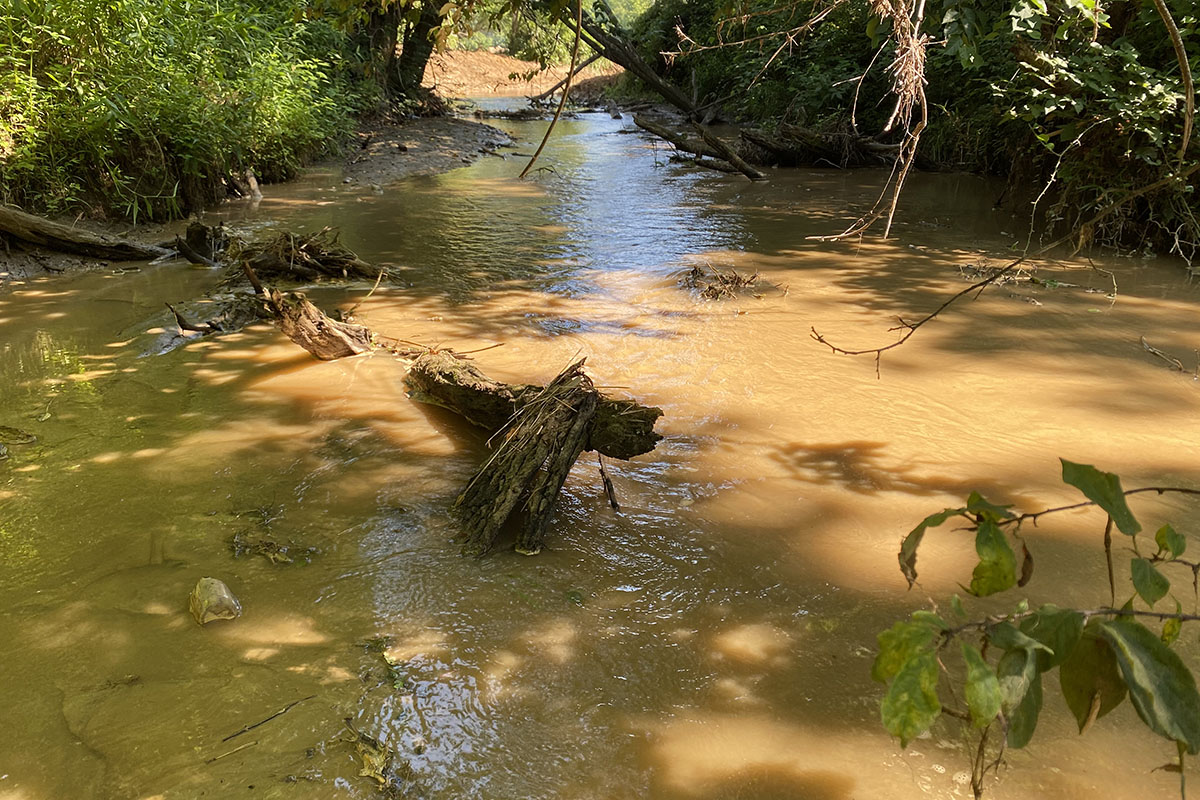
Call on Asheville City Council to do its part to clean up the French Broad River, starting with the establishment of a Stormwater Task Force to address the City’s water pollution problems. Not only does the City have a legal obligation to protect water quality, Council’s commitment to racial equity demands action to protect residents of the Southside neighborhood from the highest pollution levels in the city.
Our river is a public resource, and tens of thousands of people recreate on the French Broad every year. However, none of the testing sites within the City of Asheville pass the EPA’s safe limit on average, and the worst site that we test is Nasty Branch, which drains over half of downtown Asheville and flows through the historically African American Southside neighborhood, before discharging into the French Broad River in the River Arts District.
High levels of E. coli also indicate the presence of other, more harmful microbes, such as Cryptosporidium, Giardia, Shigella, and norovirus. Heavy rains and storms often result in spikes in E. coli contamination, increasing the risk to human health. Contact with or consumption of contaminated water can cause gastrointestinal illness and skin, ear, respiratory, eye, neurologic and wound infections. The most commonly reported symptoms are stomach cramps, diarrhea, nausea, vomiting and low-grade fever.
Asheville City Council has a moral and legal responsibility under the Clean Water Act to protect our river and water quality for all city residents. Henderson County has already established a Stormwater Task Force, Asheville should too.
Despite the cancellation of the Flat Rock Playhouse’s 2020 season due to COVID-19, folks are being encouraged to take time to enjoy the lush gardens on the grounds of the historic campus.
With a QR code reader on any smartphone, garden visitors can tap into information about the individual plants wherever they’re standing. The codes direct the phone to webpages on a Muddy Sneakers site that the garden volunteers control.
The Master Gardners have been hard at work adding some tech to our gardens! QR codes can now be found on the 62 garden beds that make up the Playhouse gardens. Visitors can use their smartphones to learn more about the plants they are seeing. Congratulations and thank you to Tamsin Allpress and all of our gardening volunteers who work to keep our gardens beautiful! Photo by volunteer Mary Smit
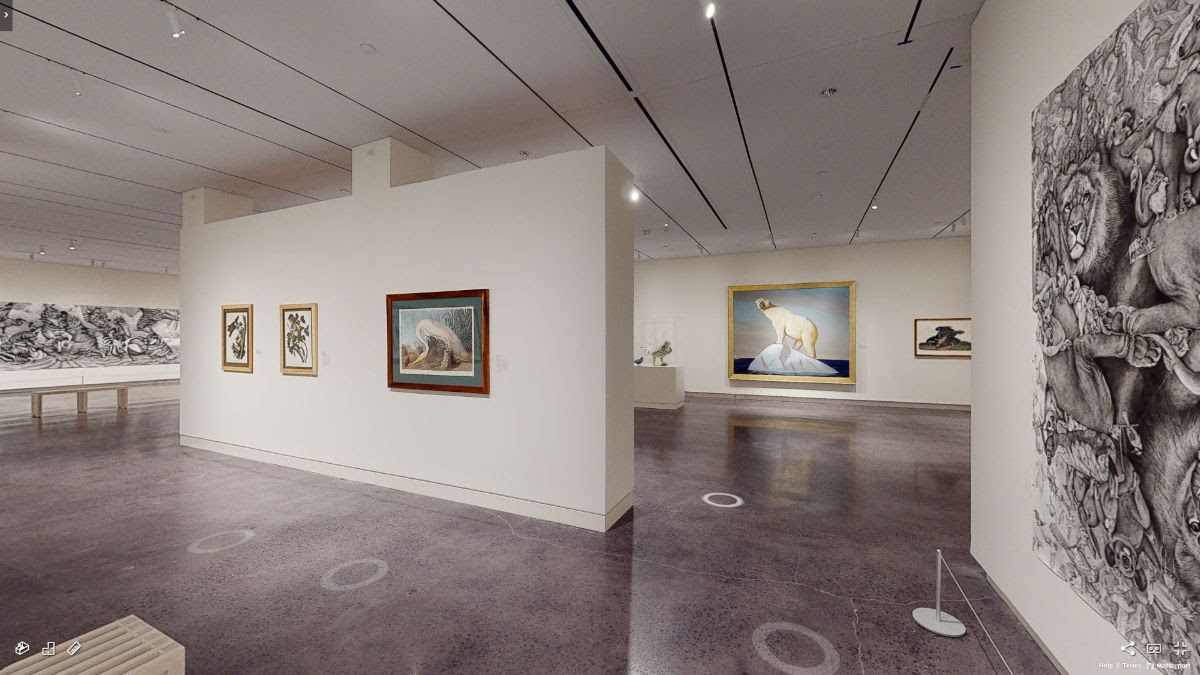
| Take a 3D Museum Tour: Even while we’re closed, we want to share the Museum and exhibitions with you and your family at home! Take a virtual walk through the galleries and explore each artwork. Within the 3D tour, click the smARTguide links on the yellow dots to hear audio information about selected works of art. Scroll down on the Museum From Home page to find tours of each level, and click here to learn more about the Museum’s exhibitions. |
|
|
On exhibit Saturdays and Sundays from 12 – 4 p.m. (weather permitting), Rocky Cove Railroad is a G-Scale (garden scale) model train that demonstrates the coming of trains to western North Carolina at the turn of the 20th century. The exhibit is located below the Grand Garden Promenade.
Monday, August
24, 2020
Call on Asheville City Council to do its part to clean up the French Broad River, starting with the establishment of a Stormwater Task Force to address the City’s water pollution problems. Not only does the City have a legal obligation to protect water quality, Council’s commitment to racial equity demands action to protect residents of the Southside neighborhood from the highest pollution levels in the city.
Our river is a public resource, and tens of thousands of people recreate on the French Broad every year. However, none of the testing sites within the City of Asheville pass the EPA’s safe limit on average, and the worst site that we test is Nasty Branch, which drains over half of downtown Asheville and flows through the historically African American Southside neighborhood, before discharging into the French Broad River in the River Arts District.
High levels of E. coli also indicate the presence of other, more harmful microbes, such as Cryptosporidium, Giardia, Shigella, and norovirus. Heavy rains and storms often result in spikes in E. coli contamination, increasing the risk to human health. Contact with or consumption of contaminated water can cause gastrointestinal illness and skin, ear, respiratory, eye, neurologic and wound infections. The most commonly reported symptoms are stomach cramps, diarrhea, nausea, vomiting and low-grade fever.
Asheville City Council has a moral and legal responsibility under the Clean Water Act to protect our river and water quality for all city residents. Henderson County has already established a Stormwater Task Force, Asheville should too.
Tuesday, August
25, 2020
Call on Asheville City Council to do its part to clean up the French Broad River, starting with the establishment of a Stormwater Task Force to address the City’s water pollution problems. Not only does the City have a legal obligation to protect water quality, Council’s commitment to racial equity demands action to protect residents of the Southside neighborhood from the highest pollution levels in the city.
Our river is a public resource, and tens of thousands of people recreate on the French Broad every year. However, none of the testing sites within the City of Asheville pass the EPA’s safe limit on average, and the worst site that we test is Nasty Branch, which drains over half of downtown Asheville and flows through the historically African American Southside neighborhood, before discharging into the French Broad River in the River Arts District.
High levels of E. coli also indicate the presence of other, more harmful microbes, such as Cryptosporidium, Giardia, Shigella, and norovirus. Heavy rains and storms often result in spikes in E. coli contamination, increasing the risk to human health. Contact with or consumption of contaminated water can cause gastrointestinal illness and skin, ear, respiratory, eye, neurologic and wound infections. The most commonly reported symptoms are stomach cramps, diarrhea, nausea, vomiting and low-grade fever.
Asheville City Council has a moral and legal responsibility under the Clean Water Act to protect our river and water quality for all city residents. Henderson County has already established a Stormwater Task Force, Asheville should too.
- Sandburg Home Free Tour Days and National Park Fee Free Days (when noted)
Visitors can enjoy free tours of the Sandburg Home on 10 days in 2020. Five days are also fee free days at all national parks.
- April 11, 2020 (first Saturday of local school spring break)
- April 18, 2020 – First Day of National Park Week (national fee free day)
- June 13, 2020 (Sandburgs’ wedding anniversary)
- August 25, 2020 – National Park Service Birthday (national fee free day)
- September 26, 2020 – National Public Lands Day (national fee free day)
- October 17, 2020 (Park Anniversary)
- November 11, 2020 – Veterans Day
- December 26, 2020 (Saturday after Christmas)
Wednesday, August
26, 2020
Call on Asheville City Council to do its part to clean up the French Broad River, starting with the establishment of a Stormwater Task Force to address the City’s water pollution problems. Not only does the City have a legal obligation to protect water quality, Council’s commitment to racial equity demands action to protect residents of the Southside neighborhood from the highest pollution levels in the city.
Our river is a public resource, and tens of thousands of people recreate on the French Broad every year. However, none of the testing sites within the City of Asheville pass the EPA’s safe limit on average, and the worst site that we test is Nasty Branch, which drains over half of downtown Asheville and flows through the historically African American Southside neighborhood, before discharging into the French Broad River in the River Arts District.
High levels of E. coli also indicate the presence of other, more harmful microbes, such as Cryptosporidium, Giardia, Shigella, and norovirus. Heavy rains and storms often result in spikes in E. coli contamination, increasing the risk to human health. Contact with or consumption of contaminated water can cause gastrointestinal illness and skin, ear, respiratory, eye, neurologic and wound infections. The most commonly reported symptoms are stomach cramps, diarrhea, nausea, vomiting and low-grade fever.
Asheville City Council has a moral and legal responsibility under the Clean Water Act to protect our river and water quality for all city residents. Henderson County has already established a Stormwater Task Force, Asheville should too.
Thursday, August
27, 2020
Call on Asheville City Council to do its part to clean up the French Broad River, starting with the establishment of a Stormwater Task Force to address the City’s water pollution problems. Not only does the City have a legal obligation to protect water quality, Council’s commitment to racial equity demands action to protect residents of the Southside neighborhood from the highest pollution levels in the city.
Our river is a public resource, and tens of thousands of people recreate on the French Broad every year. However, none of the testing sites within the City of Asheville pass the EPA’s safe limit on average, and the worst site that we test is Nasty Branch, which drains over half of downtown Asheville and flows through the historically African American Southside neighborhood, before discharging into the French Broad River in the River Arts District.
High levels of E. coli also indicate the presence of other, more harmful microbes, such as Cryptosporidium, Giardia, Shigella, and norovirus. Heavy rains and storms often result in spikes in E. coli contamination, increasing the risk to human health. Contact with or consumption of contaminated water can cause gastrointestinal illness and skin, ear, respiratory, eye, neurologic and wound infections. The most commonly reported symptoms are stomach cramps, diarrhea, nausea, vomiting and low-grade fever.
Asheville City Council has a moral and legal responsibility under the Clean Water Act to protect our river and water quality for all city residents. Henderson County has already established a Stormwater Task Force, Asheville should too.
| Take a 3D Museum Tour: Even while we’re closed, we want to share the Museum and exhibitions with you and your family at home! Take a virtual walk through the galleries and explore each artwork. Within the 3D tour, click the smARTguide links on the yellow dots to hear audio information about selected works of art. Scroll down on the Museum From Home page to find tours of each level, and click here to learn more about the Museum’s exhibitions. |
|
|
Beginner’s workshop lesson at 7:30 P.M., then 8-11 P.M. Contra Dance with Country Waltzing at the break and the final dance. This is a partner dance but it’s not necessary to come with a partner. We have different live bands and callers.
The Arboretum’s popular ArborEvenings summer after hours series will return this season with a special LEGO twist. Held every Thursday, Friday and Saturday, July through September, from 8 to 11 …
Friday, August
28, 2020
Call on Asheville City Council to do its part to clean up the French Broad River, starting with the establishment of a Stormwater Task Force to address the City’s water pollution problems. Not only does the City have a legal obligation to protect water quality, Council’s commitment to racial equity demands action to protect residents of the Southside neighborhood from the highest pollution levels in the city.
Our river is a public resource, and tens of thousands of people recreate on the French Broad every year. However, none of the testing sites within the City of Asheville pass the EPA’s safe limit on average, and the worst site that we test is Nasty Branch, which drains over half of downtown Asheville and flows through the historically African American Southside neighborhood, before discharging into the French Broad River in the River Arts District.
High levels of E. coli also indicate the presence of other, more harmful microbes, such as Cryptosporidium, Giardia, Shigella, and norovirus. Heavy rains and storms often result in spikes in E. coli contamination, increasing the risk to human health. Contact with or consumption of contaminated water can cause gastrointestinal illness and skin, ear, respiratory, eye, neurologic and wound infections. The most commonly reported symptoms are stomach cramps, diarrhea, nausea, vomiting and low-grade fever.
Asheville City Council has a moral and legal responsibility under the Clean Water Act to protect our river and water quality for all city residents. Henderson County has already established a Stormwater Task Force, Asheville should too.
| Take a 3D Museum Tour: Even while we’re closed, we want to share the Museum and exhibitions with you and your family at home! Take a virtual walk through the galleries and explore each artwork. Within the 3D tour, click the smARTguide links on the yellow dots to hear audio information about selected works of art. Scroll down on the Museum From Home page to find tours of each level, and click here to learn more about the Museum’s exhibitions. |
|
|
To help prevent the spread of COVID-19 (novel coronavirus), Grandfather Mountain is only selling tickets online.
Only a select number of tickets will be sold per day for certain time-slots to limit the number of guests in the park at one time, in accordance with the state of North Carolina’s phased “reopening” plan and social gathering guidelines.
Please check back closer to your visit for ticket availability. As of now, reservations are only available through June 21.
Each guest entering the park must have a ticket, which includes a time-slot. Prices are as follows:
Adult: $22
Senior (age 60+): $20
Child (ages 4-12): $9
AAA Adult: $20 (must present valid AAA card)
AAA Child: $8 (must present valid AAA card)
The Arboretum’s popular ArborEvenings summer after hours series will return this season with a special LEGO twist. Held every Thursday, Friday and Saturday, July through September, from 8 to 11 …
Saturday, August
29, 2020
Call on Asheville City Council to do its part to clean up the French Broad River, starting with the establishment of a Stormwater Task Force to address the City’s water pollution problems. Not only does the City have a legal obligation to protect water quality, Council’s commitment to racial equity demands action to protect residents of the Southside neighborhood from the highest pollution levels in the city.
Our river is a public resource, and tens of thousands of people recreate on the French Broad every year. However, none of the testing sites within the City of Asheville pass the EPA’s safe limit on average, and the worst site that we test is Nasty Branch, which drains over half of downtown Asheville and flows through the historically African American Southside neighborhood, before discharging into the French Broad River in the River Arts District.
High levels of E. coli also indicate the presence of other, more harmful microbes, such as Cryptosporidium, Giardia, Shigella, and norovirus. Heavy rains and storms often result in spikes in E. coli contamination, increasing the risk to human health. Contact with or consumption of contaminated water can cause gastrointestinal illness and skin, ear, respiratory, eye, neurologic and wound infections. The most commonly reported symptoms are stomach cramps, diarrhea, nausea, vomiting and low-grade fever.
Asheville City Council has a moral and legal responsibility under the Clean Water Act to protect our river and water quality for all city residents. Henderson County has already established a Stormwater Task Force, Asheville should too.
Despite the cancellation of the Flat Rock Playhouse’s 2020 season due to COVID-19, folks are being encouraged to take time to enjoy the lush gardens on the grounds of the historic campus.
With a QR code reader on any smartphone, garden visitors can tap into information about the individual plants wherever they’re standing. The codes direct the phone to webpages on a Muddy Sneakers site that the garden volunteers control.
The Master Gardners have been hard at work adding some tech to our gardens! QR codes can now be found on the 62 garden beds that make up the Playhouse gardens. Visitors can use their smartphones to learn more about the plants they are seeing. Congratulations and thank you to Tamsin Allpress and all of our gardening volunteers who work to keep our gardens beautiful! Photo by volunteer Mary Smit
| Take a 3D Museum Tour: Even while we’re closed, we want to share the Museum and exhibitions with you and your family at home! Take a virtual walk through the galleries and explore each artwork. Within the 3D tour, click the smARTguide links on the yellow dots to hear audio information about selected works of art. Scroll down on the Museum From Home page to find tours of each level, and click here to learn more about the Museum’s exhibitions. |
|
|
To help prevent the spread of COVID-19 (novel coronavirus), Grandfather Mountain is only selling tickets online.
Only a select number of tickets will be sold per day for certain time-slots to limit the number of guests in the park at one time, in accordance with the state of North Carolina’s phased “reopening” plan and social gathering guidelines.
Please check back closer to your visit for ticket availability. As of now, reservations are only available through June 21.
Each guest entering the park must have a ticket, which includes a time-slot. Prices are as follows:
Adult: $22
Senior (age 60+): $20
Child (ages 4-12): $9
AAA Adult: $20 (must present valid AAA card)
AAA Child: $8 (must present valid AAA card)
On exhibit Saturdays and Sundays from 12 – 4 p.m. (weather permitting), Rocky Cove Railroad is a G-Scale (garden scale) model train that demonstrates the coming of trains to western North Carolina at the turn of the 20th century. The exhibit is located below the Grand Garden Promenade.
The Arboretum’s popular ArborEvenings summer after hours series will return this season with a special LEGO twist. Held every Thursday, Friday and Saturday, July through September, from 8 to 11 …
Sunday, August
30, 2020
This insider excursion provides you with tips and local secrets about the best way to do Asheville on a budget! You will have a better understanding of how Asheville became the unique, quirky city you see now and learn everything we are doing to “Keep Asheville Weird.” This is the only tip-based walking tour, allowing you to pay what you think it’s worth. We will follow the urban trail, stopping along the way to taste donuts, gin and honey for free and finish the tour with some special beer tastings at one of the best local breweries in South Slope! I want you to know and love my city as much as I do and I am excited to share this experience with you!
- I have been living in Asheville for about 3 years now
- I have been on many tours myself and know what is good :)
- I speak English, Spanish & Portuguese
- I believe you should only have to pay exactly what you believe it is worth to you and here is your chance!
- Satisfaction guaranteed or it’s free!
- You will reap all the benefits of my connections to the community with all offers and discounts
- I offer personalized itinerary planning, officially or unofficially
- I am also just a lot of fun to be around ;)
Call on Asheville City Council to do its part to clean up the French Broad River, starting with the establishment of a Stormwater Task Force to address the City’s water pollution problems. Not only does the City have a legal obligation to protect water quality, Council’s commitment to racial equity demands action to protect residents of the Southside neighborhood from the highest pollution levels in the city.
Our river is a public resource, and tens of thousands of people recreate on the French Broad every year. However, none of the testing sites within the City of Asheville pass the EPA’s safe limit on average, and the worst site that we test is Nasty Branch, which drains over half of downtown Asheville and flows through the historically African American Southside neighborhood, before discharging into the French Broad River in the River Arts District.
High levels of E. coli also indicate the presence of other, more harmful microbes, such as Cryptosporidium, Giardia, Shigella, and norovirus. Heavy rains and storms often result in spikes in E. coli contamination, increasing the risk to human health. Contact with or consumption of contaminated water can cause gastrointestinal illness and skin, ear, respiratory, eye, neurologic and wound infections. The most commonly reported symptoms are stomach cramps, diarrhea, nausea, vomiting and low-grade fever.
Asheville City Council has a moral and legal responsibility under the Clean Water Act to protect our river and water quality for all city residents. Henderson County has already established a Stormwater Task Force, Asheville should too.
Despite the cancellation of the Flat Rock Playhouse’s 2020 season due to COVID-19, folks are being encouraged to take time to enjoy the lush gardens on the grounds of the historic campus.
With a QR code reader on any smartphone, garden visitors can tap into information about the individual plants wherever they’re standing. The codes direct the phone to webpages on a Muddy Sneakers site that the garden volunteers control.
The Master Gardners have been hard at work adding some tech to our gardens! QR codes can now be found on the 62 garden beds that make up the Playhouse gardens. Visitors can use their smartphones to learn more about the plants they are seeing. Congratulations and thank you to Tamsin Allpress and all of our gardening volunteers who work to keep our gardens beautiful! Photo by volunteer Mary Smit
| Take a 3D Museum Tour: Even while we’re closed, we want to share the Museum and exhibitions with you and your family at home! Take a virtual walk through the galleries and explore each artwork. Within the 3D tour, click the smARTguide links on the yellow dots to hear audio information about selected works of art. Scroll down on the Museum From Home page to find tours of each level, and click here to learn more about the Museum’s exhibitions. |
|
|
On exhibit Saturdays and Sundays from 12 – 4 p.m. (weather permitting), Rocky Cove Railroad is a G-Scale (garden scale) model train that demonstrates the coming of trains to western North Carolina at the turn of the 20th century. The exhibit is located below the Grand Garden Promenade.