

Calendar of Events
Upcoming events and things to do in Asheville, NC. Below is a list of events for festivals, concerts, art exhibitions, group meetups and more.
Interested in adding an event to our calendar? Please click the green “Post Your Event” button below.

The eighth annual CiderFest NC fundraiser will be held in a brand-new format this fall that offers loyal guests the chance to celebrate, sample and savor cider safely and responsibly.
While the large annual festival will not be offered this fall in light of current health concerns, the event will continue this year through CiderFest Tours: small-group curated tours of three Asheville cideries that are being offered in partnership with local business Leap Frog Tours.
The tours will allow participants to visit three of Asheville’s cideries — Noble Cider, Urban Orchard Cider Company – West and TreeRock Social Cider House & Mead Bar — for intimate, small-group tasting sessions to sample unique takes on the craft beverage on each of the locations. Proceeds will be shared between Leap Frog Tours, the three participating cideries and Green Built Alliance.
To offer the largest number of people the opportunity to participate, the four-hour tours will be offered from 3 to 7 p.m. on every Thursday, Saturday and Sunday in October.
Tours can be reserved for groups of 2 to 14 individuals, and bookings open up today. To prioritize safety in light of COVID-19, all tours will be private without combining reservations from separate parties. (Visit our website or Leap Frog’s booking page for a full list of COVID-19 precautions being taken for the tours.)
The cost is $85 per person. The price includes a tasting at each cidery, a souvenir CiderFest tasting glass, and transportation by Leap Frog Tours from Aloft Hotel in downtown Asheville.
Since the event has sold out in recent years, people are encouraged to book their tours early. For more information and to book a tour, visit www.ciderfestnc.com.
GHOSTED: COMEDY WALKING TOUR
COVID has postponed our bus tours, but it won’t stop us from laughing! Our brand new experience is an up tempo theatrical walking tour of haunted Asheville. You and 13 others will depart from the LaZoom Room and follow an undead guide through Asheville’s creepy streets in search of window into the past. Along the way, we’ll encounter real ghosts that will have you jumping out of your skin. Not really! Or really? Take the tour and find out!
GHOSTED: COMEDY WALKING TOUR
COVID has postponed our bus tours, but it won’t stop us from laughing! Our brand new experience is an up tempo theatrical walking tour of haunted Asheville. You and 13 others will depart from the LaZoom Room and follow an undead guide through Asheville’s creepy streets in search of window into the past. Along the way, we’ll encounter real ghosts that will have you jumping out of your skin. Not really! Or really? Take the tour and find out!
Cover Crops: Try Winter Rye!
Have you considered fall cover crops and been overwhelmed by the possibilities? Does it seem just too complicated, too many choices? My choice is winter rye—the grain, not annual rye grass—which has been my fall/winter cover crop for 40 years in different types of gardens and soils.
Why Winter Rye?
Here are my top reasons:
- I can plant it any time after I clear my summer garden beds through mid-November.
- It grows all winter—it may not show much top growth, but any time the ground isn’t frozen, roots are growing.
- It has a deep, fibrous root system to pull up nutrients from the lower soil profile, preserve nitrogen in the topsoil layer, and improve tilth of heavy clay soils.
- It’s a beautiful green carpet during the browns of winter, but it is an annual that dies after setting seed in spring, facilitating management in no-till gardens.
- Rye is somewhat allelopathic—it produces chemicals that interfere with other plant seeds germinating and growing—which helps with early spring weed control.
- For more information:
NCSU – Winter Annual Cover Crops
UVM Fact Sheet – Winter Rye: A Reliable Cover Crop
MSU – Use Rye This Fall to Put Your Garden to Bed for Winter
UMass – Cover Crop Growing Tips
UFL – Allelopathy: How Plants Suppress Other Plants
Cover Crops: Try Winter Rye!
Have you considered fall cover crops and been overwhelmed by the possibilities? Does it seem just too complicated, too many choices? My choice is winter rye—the grain, not annual rye grass—which has been my fall/winter cover crop for 40 years in different types of gardens and soils.
Why Winter Rye?
Here are my top reasons:
- I can plant it any time after I clear my summer garden beds through mid-November.
- It grows all winter—it may not show much top growth, but any time the ground isn’t frozen, roots are growing.
- It has a deep, fibrous root system to pull up nutrients from the lower soil profile, preserve nitrogen in the topsoil layer, and improve tilth of heavy clay soils.
- It’s a beautiful green carpet during the browns of winter, but it is an annual that dies after setting seed in spring, facilitating management in no-till gardens.
- Rye is somewhat allelopathic—it produces chemicals that interfere with other plant seeds germinating and growing—which helps with early spring weed control.
- For more information:
NCSU – Winter Annual Cover Crops
UVM Fact Sheet – Winter Rye: A Reliable Cover Crop
MSU – Use Rye This Fall to Put Your Garden to Bed for Winter
UMass – Cover Crop Growing Tips
UFL – Allelopathy: How Plants Suppress Other Plants
Cover Crops: Try Winter Rye!
Have you considered fall cover crops and been overwhelmed by the possibilities? Does it seem just too complicated, too many choices? My choice is winter rye—the grain, not annual rye grass—which has been my fall/winter cover crop for 40 years in different types of gardens and soils.
Why Winter Rye?
Here are my top reasons:
- I can plant it any time after I clear my summer garden beds through mid-November.
- It grows all winter—it may not show much top growth, but any time the ground isn’t frozen, roots are growing.
- It has a deep, fibrous root system to pull up nutrients from the lower soil profile, preserve nitrogen in the topsoil layer, and improve tilth of heavy clay soils.
- It’s a beautiful green carpet during the browns of winter, but it is an annual that dies after setting seed in spring, facilitating management in no-till gardens.
- Rye is somewhat allelopathic—it produces chemicals that interfere with other plant seeds germinating and growing—which helps with early spring weed control.
- For more information:
NCSU – Winter Annual Cover Crops
UVM Fact Sheet – Winter Rye: A Reliable Cover Crop
MSU – Use Rye This Fall to Put Your Garden to Bed for Winter
UMass – Cover Crop Growing Tips
UFL – Allelopathy: How Plants Suppress Other Plants
Discover the original Asheville Food Tour. In this premiere tour, taste the unique flavor of Asheville on our guided walking tours of the city’s culinary treasures, in historic downtown Asheville. Eating Asheville one bite at a time never tasted so good!
One of the nation’s premiere food destinations, Asheville boasts some of the most exciting and memorable food in the South. Asheville Food Tours offers a sumptuous glimpse into this exotic world of local Asheville restaurants and gourmet food shops and featuring artisan cheeses and choice meats from local farms, crusty baked breads from local ovens, rich hand-made chocolates, dynamic wine lists and hand-crafted local beer.
Downtown Food Tour – $55
West Asheville Tour – $60
International Tour – $60
Food Fan Foot Tour – $65
Saturday Brunch Tour – $65
Night Tour – $85
Gift Certificates – $55 and up.
Cover Crops: Try Winter Rye!
Have you considered fall cover crops and been overwhelmed by the possibilities? Does it seem just too complicated, too many choices? My choice is winter rye—the grain, not annual rye grass—which has been my fall/winter cover crop for 40 years in different types of gardens and soils.
Why Winter Rye?
Here are my top reasons:
- I can plant it any time after I clear my summer garden beds through mid-November.
- It grows all winter—it may not show much top growth, but any time the ground isn’t frozen, roots are growing.
- It has a deep, fibrous root system to pull up nutrients from the lower soil profile, preserve nitrogen in the topsoil layer, and improve tilth of heavy clay soils.
- It’s a beautiful green carpet during the browns of winter, but it is an annual that dies after setting seed in spring, facilitating management in no-till gardens.
- Rye is somewhat allelopathic—it produces chemicals that interfere with other plant seeds germinating and growing—which helps with early spring weed control.
- For more information:
NCSU – Winter Annual Cover Crops
UVM Fact Sheet – Winter Rye: A Reliable Cover Crop
MSU – Use Rye This Fall to Put Your Garden to Bed for Winter
UMass – Cover Crop Growing Tips
UFL – Allelopathy: How Plants Suppress Other Plants

Tamsin Allpress will take you virtually through the gardens at Flat Rock Playhouse, explaining what is planted where and why. She’ll offer gardening tips, and tell her amazing story of her commitment to Flat Rock Playhouse and what it took to become a Master Gardener. If you have not had a chance to wander around the property lately, you would be amazed at the wonders there, thanks to Tamsin and her team of volunteer gardeners. Please join us for the October session of Backstage Pass on October 8 at 3 pm RSVP at [email protected]
The eighth annual CiderFest NC fundraiser will be held in a brand-new format this fall that offers loyal guests the chance to celebrate, sample and savor cider safely and responsibly.
While the large annual festival will not be offered this fall in light of current health concerns, the event will continue this year through CiderFest Tours: small-group curated tours of three Asheville cideries that are being offered in partnership with local business Leap Frog Tours.
The tours will allow participants to visit three of Asheville’s cideries — Noble Cider, Urban Orchard Cider Company – West and TreeRock Social Cider House & Mead Bar — for intimate, small-group tasting sessions to sample unique takes on the craft beverage on each of the locations. Proceeds will be shared between Leap Frog Tours, the three participating cideries and Green Built Alliance.
To offer the largest number of people the opportunity to participate, the four-hour tours will be offered from 3 to 7 p.m. on every Thursday, Saturday and Sunday in October.
Tours can be reserved for groups of 2 to 14 individuals, and bookings open up today. To prioritize safety in light of COVID-19, all tours will be private without combining reservations from separate parties. (Visit our website or Leap Frog’s booking page for a full list of COVID-19 precautions being taken for the tours.)
The cost is $85 per person. The price includes a tasting at each cidery, a souvenir CiderFest tasting glass, and transportation by Leap Frog Tours from Aloft Hotel in downtown Asheville.
Since the event has sold out in recent years, people are encouraged to book their tours early. For more information and to book a tour, visit www.ciderfestnc.com.

Relax and unwind at the Arboretum’s “ArborEvenings” after hours series. Held every Thursday, June – October, from 6 to 9 p.m., visitors will sip and stroll through the Arboretum’s beautiful gardens while enjoying live music amongst flowers and friends. Local beverages, including beer and wine, are available for purchase along with light food options.
Admission to ArborEvenings is free; however, standard parking fees apply to non-members.
GHOSTED: COMEDY WALKING TOUR
COVID has postponed our bus tours, but it won’t stop us from laughing! Our brand new experience is an up tempo theatrical walking tour of haunted Asheville. You and 13 others will depart from the LaZoom Room and follow an undead guide through Asheville’s creepy streets in search of window into the past. Along the way, we’ll encounter real ghosts that will have you jumping out of your skin. Not really! Or really? Take the tour and find out!
GHOSTED: COMEDY WALKING TOUR
COVID has postponed our bus tours, but it won’t stop us from laughing! Our brand new experience is an up tempo theatrical walking tour of haunted Asheville. You and 13 others will depart from the LaZoom Room and follow an undead guide through Asheville’s creepy streets in search of window into the past. Along the way, we’ll encounter real ghosts that will have you jumping out of your skin. Not really! Or really? Take the tour and find out!
Discover the original Asheville Food Tour. In this premiere tour, taste the unique flavor of Asheville on our guided walking tours of the city’s culinary treasures, in historic downtown Asheville. Eating Asheville one bite at a time never tasted so good!
One of the nation’s premiere food destinations, Asheville boasts some of the most exciting and memorable food in the South. Asheville Food Tours offers a sumptuous glimpse into this exotic world of local Asheville restaurants and gourmet food shops and featuring artisan cheeses and choice meats from local farms, crusty baked breads from local ovens, rich hand-made chocolates, dynamic wine lists and hand-crafted local beer.
Downtown Food Tour – $55
West Asheville Tour – $60
International Tour – $60
Food Fan Foot Tour – $65
Saturday Brunch Tour – $65
Night Tour – $85
Gift Certificates – $55 and up.
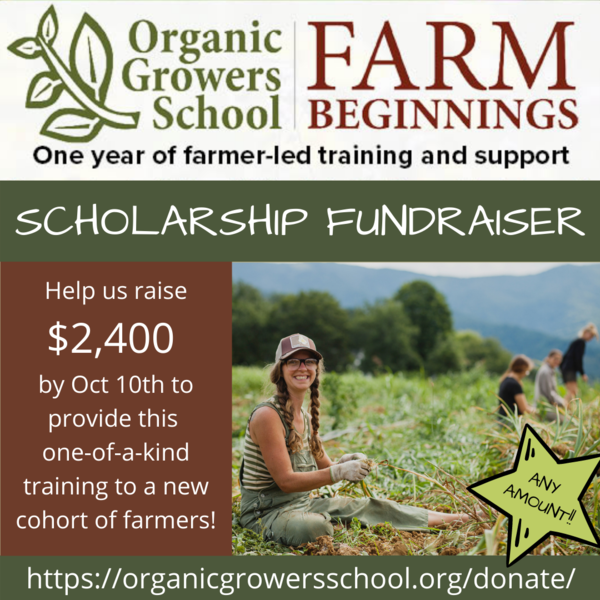
Many skills are required to start and expand a successful farm business: passion, clear goals, production experience, financial and marketing know-how, and more. Farm Beginnings® will help you build these skills through one year of farmer-led training, mentoring, and networking. Using a holistic management frame, farmer-led classroom sessions, on-farm tours, and an extensive farmer network, Farm Beginnings® will help you clarify your goals and strengths, establish a strong enterprise plan, and start building a profitable and sustainable operation. Although students do not need to own land, some farming or production experience is required to get the most out of the program. As we know, farming is more critical than ever. Apply to this program and be prepared when crisis hits!
Program Details: December 2020 – September 2021
2020-2021 Farm Beginnings® Farmer Training is 200+ Hours including:
— Winter Whole-Farm Business Planning Courses – 60 hours (October – March)**
— ASAP’s Business of Farming Conference (February) – 8 hours
— OGS Conferences – 40+ hours
— Mentorship with an experienced Farmer Mentor (March – September) – 15 hours
— Production Training – 45 hours (April – October): WNC CRAFT tours on sustainable farms around WNC & Field Days with regional partners Living Web Farms and the Southern Appalachian Highlands Conservancy Incubator Farm
— One year WNC CRAFT Farmer Network membership – Membership and mentoring in a regional farmer network
As part of the EmPOWERing Mountain Food Systems Project in the seven western counties of North Carolina, including the Qualla Boundary of the Eastern Band of Cherokee Indians, the Mountain Food & Farm Apprenticeship Program brings education and workforce development opportunities to the region in partnership with Western Carolina University, Haywood Community College, Southwestern Community College, and Tri-County Community College.
Cover Crops: Try Winter Rye!
Have you considered fall cover crops and been overwhelmed by the possibilities? Does it seem just too complicated, too many choices? My choice is winter rye—the grain, not annual rye grass—which has been my fall/winter cover crop for 40 years in different types of gardens and soils.
Why Winter Rye?
Here are my top reasons:
- I can plant it any time after I clear my summer garden beds through mid-November.
- It grows all winter—it may not show much top growth, but any time the ground isn’t frozen, roots are growing.
- It has a deep, fibrous root system to pull up nutrients from the lower soil profile, preserve nitrogen in the topsoil layer, and improve tilth of heavy clay soils.
- It’s a beautiful green carpet during the browns of winter, but it is an annual that dies after setting seed in spring, facilitating management in no-till gardens.
- Rye is somewhat allelopathic—it produces chemicals that interfere with other plant seeds germinating and growing—which helps with early spring weed control.
- For more information:
NCSU – Winter Annual Cover Crops
UVM Fact Sheet – Winter Rye: A Reliable Cover Crop
MSU – Use Rye This Fall to Put Your Garden to Bed for Winter
UMass – Cover Crop Growing Tips
UFL – Allelopathy: How Plants Suppress Other Plants
GHOSTED: COMEDY WALKING TOUR
COVID has postponed our bus tours, but it won’t stop us from laughing! Our brand new experience is an up tempo theatrical walking tour of haunted Asheville. You and 13 others will depart from the LaZoom Room and follow an undead guide through Asheville’s creepy streets in search of window into the past. Along the way, we’ll encounter real ghosts that will have you jumping out of your skin. Not really! Or really? Take the tour and find out!
Discover the original Asheville Food Tour. In this premiere tour, taste the unique flavor of Asheville on our guided walking tours of the city’s culinary treasures, in historic downtown Asheville. Eating Asheville one bite at a time never tasted so good!
One of the nation’s premiere food destinations, Asheville boasts some of the most exciting and memorable food in the South. Asheville Food Tours offers a sumptuous glimpse into this exotic world of local Asheville restaurants and gourmet food shops and featuring artisan cheeses and choice meats from local farms, crusty baked breads from local ovens, rich hand-made chocolates, dynamic wine lists and hand-crafted local beer.
Downtown Food Tour – $55
West Asheville Tour – $60
International Tour – $60
Food Fan Foot Tour – $65
Saturday Brunch Tour – $65
Night Tour – $85
Gift Certificates – $55 and up.

Many skills are required to start and expand a successful farm business: passion, clear goals, production experience, financial and marketing know-how, and more. Farm Beginnings® will help you build these skills through one year of farmer-led training, mentoring, and networking. Using a holistic management frame, farmer-led classroom sessions, on-farm tours, and an extensive farmer network, Farm Beginnings® will help you clarify your goals and strengths, establish a strong enterprise plan, and start building a profitable and sustainable operation. Although students do not need to own land, some farming or production experience is required to get the most out of the program. As we know, farming is more critical than ever. Apply to this program and be prepared when crisis hits!
Program Details: December 2020 – September 2021
2020-2021 Farm Beginnings® Farmer Training is 200+ Hours including:
— Winter Whole-Farm Business Planning Courses – 60 hours (October – March)**
— ASAP’s Business of Farming Conference (February) – 8 hours
— OGS Conferences – 40+ hours
— Mentorship with an experienced Farmer Mentor (March – September) – 15 hours
— Production Training – 45 hours (April – October): WNC CRAFT tours on sustainable farms around WNC & Field Days with regional partners Living Web Farms and the Southern Appalachian Highlands Conservancy Incubator Farm
— One year WNC CRAFT Farmer Network membership – Membership and mentoring in a regional farmer network

The North Carolina Forest Service is accepting tree seedling orders as part of its annual sale.
Each year, the NCFS Nursery Program produces millions of quality seedlings for nearly 50 species of conifers, hardwoods and native understory plants, including eastern and Carolina hemlock seedlings, as well as an expanded selection of genetically improved third cycle loblolly pine seedlings.
How can you order tree seedlings from the NCFS Nursery Program?
- Tree seedlings can be ordered from the online seedling store at www.buynctrees.com.
- Tree seedlings can also be ordered by phone at 1-888-NCTREES (1-888-628-7337).
- Tree seedlings can be ordered using the order form found in our current catalog. Complete the form and mail to Seedling Coordinator, 762 Claridge Nursery Road, Goldsboro, NC 27530.
- A user-friendly catalog is available at the “Tree Seedlings & Nursery Program” link located at www.ncforestservice.gov. Catalogs are also available at local NCFS offices located in all 100 North Carolina counties. Inside the catalog, landowners can find information about the types of tree species, quantities and costs to order. Each tree description includes information about ideal planting locations and whether a species is typically used to benefit wildlife, restore habitats or as marketable timber.
Distribution of tree seedlings will occur December through mid-April, depending on weather conditions. Seedling orders can be shipped to one of 12 distribution centers statewide for a small fee or via UPS for a charge. Seedling orders are also available for pickup from the NCFS Claridge Nursery in Goldsboro or the Linville River Nursery, near Crossnore. For information on planting trees, people are encouraged to contact an NCFS county ranger. Contact information for your local NCFS county office and nursery locations is available at www.ncforestservice.gov/contacts.
As part of the EmPOWERing Mountain Food Systems Project in the seven western counties of North Carolina, including the Qualla Boundary of the Eastern Band of Cherokee Indians, the Mountain Food & Farm Apprenticeship Program brings education and workforce development opportunities to the region in partnership with Western Carolina University, Haywood Community College, Southwestern Community College, and Tri-County Community College.
Cover Crops: Try Winter Rye!
Have you considered fall cover crops and been overwhelmed by the possibilities? Does it seem just too complicated, too many choices? My choice is winter rye—the grain, not annual rye grass—which has been my fall/winter cover crop for 40 years in different types of gardens and soils.
Why Winter Rye?
Here are my top reasons:
- I can plant it any time after I clear my summer garden beds through mid-November.
- It grows all winter—it may not show much top growth, but any time the ground isn’t frozen, roots are growing.
- It has a deep, fibrous root system to pull up nutrients from the lower soil profile, preserve nitrogen in the topsoil layer, and improve tilth of heavy clay soils.
- It’s a beautiful green carpet during the browns of winter, but it is an annual that dies after setting seed in spring, facilitating management in no-till gardens.
- Rye is somewhat allelopathic—it produces chemicals that interfere with other plant seeds germinating and growing—which helps with early spring weed control.
- For more information:
NCSU – Winter Annual Cover Crops
UVM Fact Sheet – Winter Rye: A Reliable Cover Crop
MSU – Use Rye This Fall to Put Your Garden to Bed for Winter
UMass – Cover Crop Growing Tips
UFL – Allelopathy: How Plants Suppress Other Plants