

Calendar of Events
Upcoming events and things to do in Asheville, NC. Below is a list of events for festivals, concerts, art exhibitions, group meetups and more.
Interested in adding an event to our calendar? Please click the green “Post Your Event” button below.
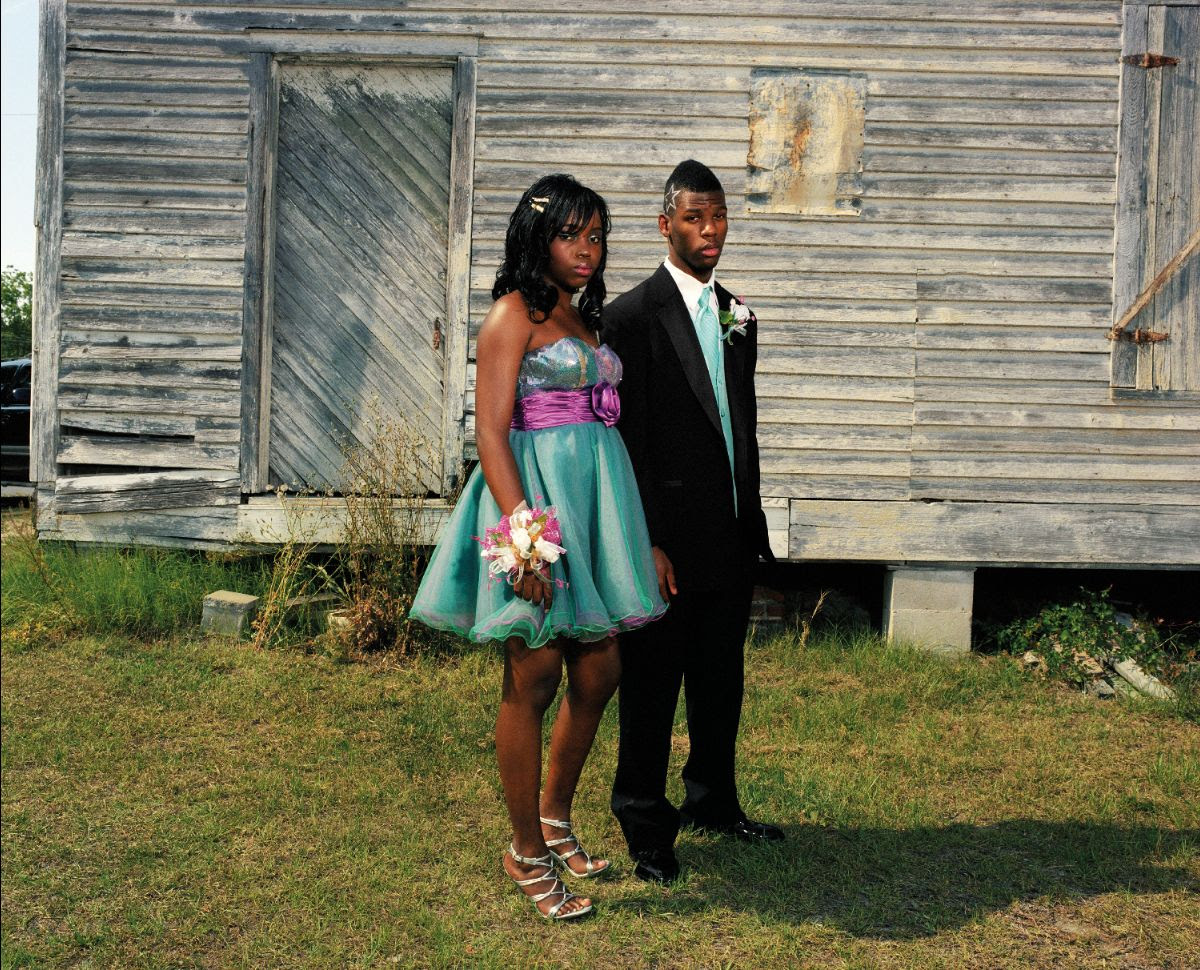 |
| Gillian Laub, Amber and Reggie, Mount Vernon, Georgia, 2011, inkjet print, 40 × 50 inches. © Gillian Laub, courtesy of Benrubi Gallery. |
American photographer Gillian Laub (born New York, 1975) has spent the last two decades investigating political conflicts, exploring family relationships, and challenging assumptions about cultural identity. In Southern Rites, Laub engages her skills as a photographer, filmmaker, and visual activist to examine the realities of racism and raise questions that are simultaneously painful and essential to understanding the American consciousness.
In 2002, Laub was sent on a magazine assignment to Mount Vernon, GA, to document the lives of teenagers in the American South. The town, nestled among fields of Vidalia onions, symbolized the archetype of pastoral, small town American life. The Montgomery County residents Laub encountered were warm, polite, protective of their neighbors, and proud of their history. Yet Laub learned that the joyful adolescent rites of passage celebrated in this rural countryside—high school homecomings and proms—were still racially segregated.
Laub continued to photograph Montgomery County over the following decade, returning even in the face of growing—and eventually violent—resistance from community members and local law enforcement. She documented a town held hostage by the racial tensions and inequities that scar much of the nation’s history. In 2009, a few months after Barack Obama’s first inauguration, Laub’s photographs of segregated proms were published in the New York Times Magazine. The story brought national attention to the town and the following year the proms were finally integrated. The power of her photographic images served as the catalyst and, for a moment, progress seemed inevitable.
Then, in early 2011, tragedy struck the town. Justin Patterson, a twenty-two-year-old unarmed African American man—whose segregated high school homecoming Laub had photographed—was shot and killed by a sixty-two-year-old white man. Laub’s project, which began as an exploration of segregated high school rituals, evolved into an urgent mandate to confront the painful realities of discrimination and structural racism. Laub continued to document the town over the following decade, during which the country re-elected its first African American president and the ubiquity of camera phones gave rise to citizen journalism exposing racially motivated violence. As the Black Lives Matter movement and national protests proliferated, Laub uncovered a complex story about adolescence, race, the legacy of slavery, and the deeply rooted practice of segregation in the American South.
Southern Rites is a specific story about 21st century young people in the American South, yet it poses a universal question about human experience: can a new generation liberate itself from a harrowing and traumatic past to create a different future?
Southern Rites is curated by Maya Benton and organized by the International Center of Photography.
Black Mountain College: Idea + Place
Lower Level Gallery with Companion Digital Exhibition
How can an idea inform a place? How can a place inform an idea? Would Black Mountain College have had the same identity and lifespan if it had been located in the urban Northeast, the desert Southwest, or coastal California? How did BMC’s rather isolated, rural, and mountainous setting during the era of the Great Depression and the Jim Crow South influence the college community’s decision-making and the evolution of ideas upon which it was based?
This exhibition seeks to delve into these questions and others by exploring the places of Black Mountain College: its two very different campuses, its influential predecessor the Bauhaus in Germany, and the post-BMC diaspora. Curated by Alice Sebrell, Director of Preservation
adVANCE! Modernism, Black Liberation + Black Mountain College
Upper Level Gallery with Companion Digital Exhibition
Featuring the work of contemporary sculptor Larry Paul King in conversation with Black Mountain College modernist masters including Jacob Lawrence, Gwendolyn Knight Lawrence, Josef Albers, Leo Krikorian, and Sewell Sillman. Premiering three Jacob Lawrence lithographs new to the BMCM+AC permanent collection. adVANCE! celebrates Black Mountain College’s role in early civil rights and the ongoing role of Black, modernist artists in the pursuit of liberation and justice.
Curated by Marie T. Cochran, Founder of the Affrilachian Artist Project


|
|
|
|
|
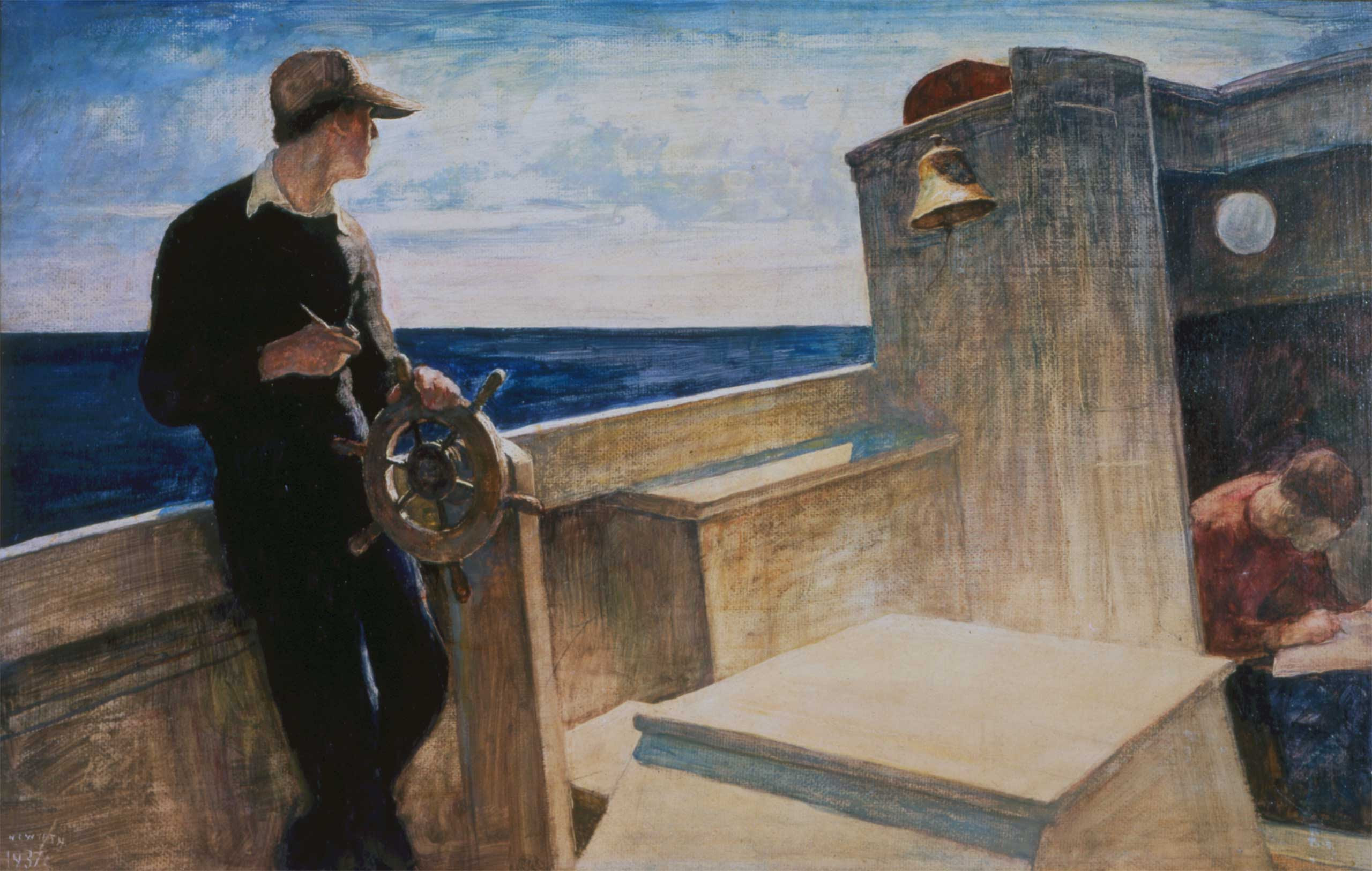 |
| N. C. Wyeth, Eight Bells (Clyde Stanley and Andrew Wyeth aboard Eight Bells), 1937, oil on hardboard, 20 × 30 inches. Bank of America Collection |
The Wyeths: Three Generations | Works from the Bank of America Collection provides a comprehensive survey of works by N. C. Wyeth, one of America’s finest illustrators; his son, Andrew, an important realist painter; his eldest daughter, Henriette, a realist painter; and Andrew’s son Jamie, a popular portraitist. Through the works of these artists from three generations of the Wyeth family, themes of American history, artistic techniques, and creative achievements can be explored. This exhibition will be on view in the Asheville Art Museum’s Explore Asheville Exhibition Hall February 12 through May 30, 2022.
N. C. Wyeth (1882–1945) has long been considered one of the nation’s leading illustrators. In the early 1900s, he studied with illustrator Howard Pyle in Delaware. In 1911, he built a house and studio in nearby Chadds Ford, PA. Later, he bought a sea captain’s house in Maine and in 1931 built a small studio, which he shared with his son, Andrew, and his daughters, Henriette and Carolyn. The exhibition includes illustrations for books by Robert Louis Stevenson and Washington Irving as well as historical scenes, seascapes, and landscapes.
Andrew Wyeth (1917–2009) is one of the United States’ most popular artists, and his paintings follow the American Realist tradition. He was influenced by the works of Winslow Homer, whose watercolor technique he admired, as well as by the art of Howard Pyle and his father, N. C. While Andrew painted recognizable images, his use of line and space often imbue his works with an underlying abstract quality. The exhibition includes important works from the 1970s and 1980s as well as recent paintings.
Henriette Wyeth (1907–1997) was the eldest daughter of N.C. Wyeth and an older sister to Andrew Wyeth. Like other members of her family, her painting style was realist in a time when Impressionism and Abstraction were popular in the early 20th century. She studied painting at the Pennsylvania Academy of the Fine Arts and was an acclaimed portraitist, though perhaps not as widely known as her father and brother. Most notably she painted the portrait of First Lady, Pat Nixon, which is in the collection of The White House.
Jamie Wyeth (born 1946), like his father and grandfather, paints subjects of everyday life, in particular the landscapes, animals, and people of Pennsylvania and Maine. In contrast to his father—who painted with watercolor, drybrush, and tempera—Jamie works in oil and mixed media, creating lush painterly surfaces. The 18 paintings in the exhibition represent all periods of his career.
This exhibition has been loaned through the Bank of America Art in our Communities® program.
|
|
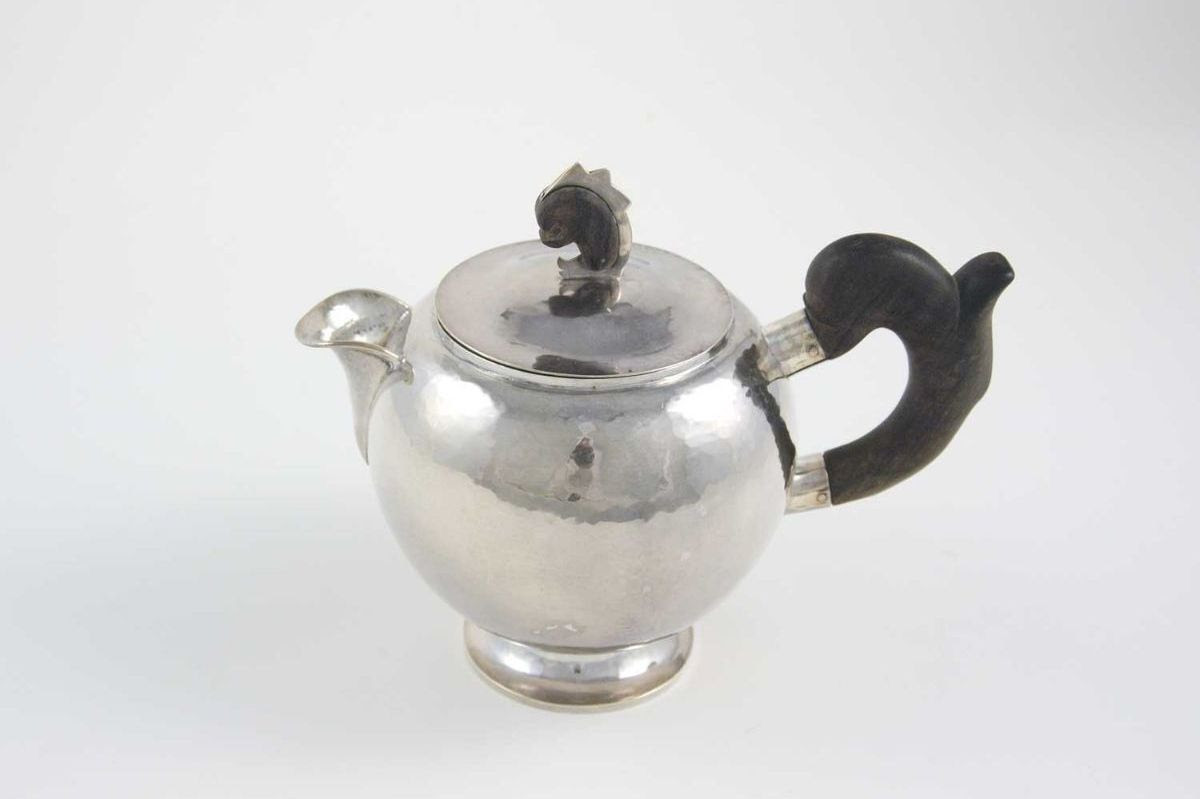
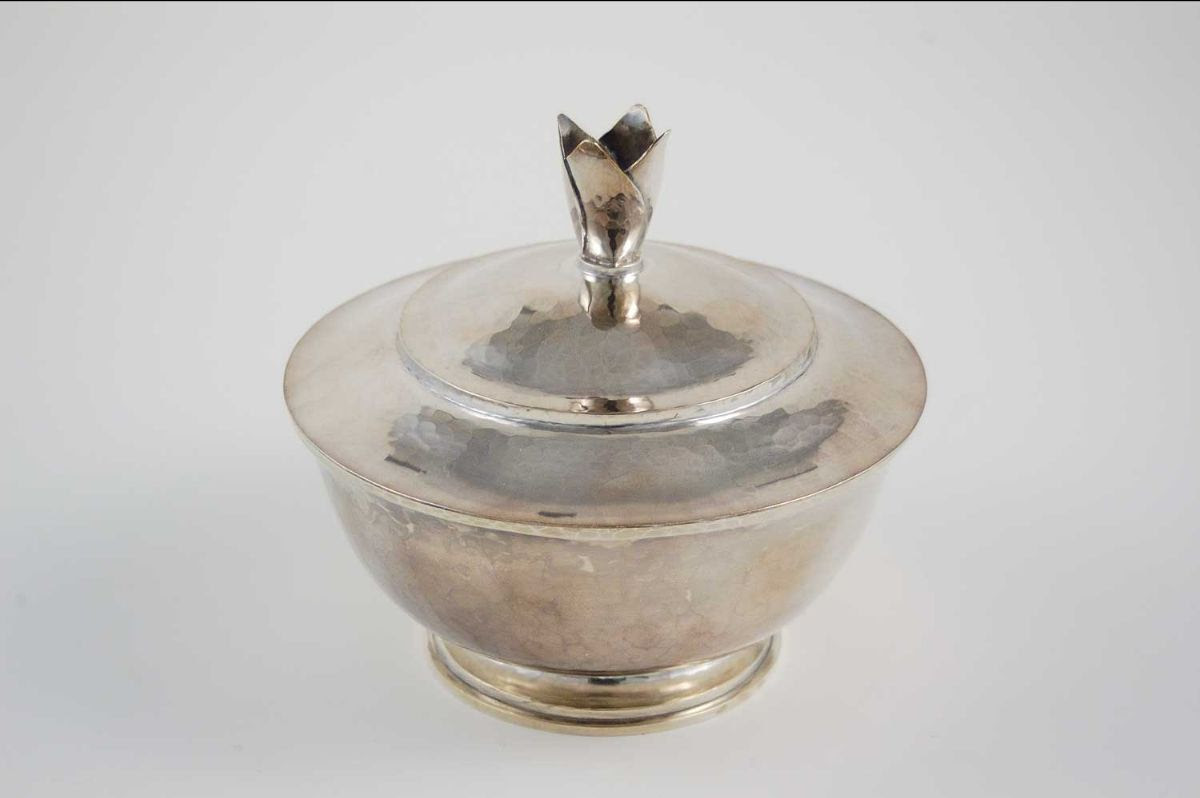
Useful and Beautiful: Silvercraft by William Waldo Dodge features a selection of functional silver works by Dodge drawn from the Museum’s Collection. Organized by the Asheville Art Museum and curated by Whitney Richardson, associate curator, this exhibition will be on view in the Debra McClinton Gallery at the Museum from February 23 through October 17, 2022.
William Waldo Dodge Jr. (Washington, DC 1895–1971 Asheville, NC) moved to Asheville in 1924 as a trained architect and a newly skilled silversmith. When he opened for business promoting his handwrought silver tableware, including plates, candlesticks, flatware (spoons, forks, and knives), and serving dishes, he did so in a true Arts and Crafts tradition. The aesthetics of the style were dictated by its philosophy: an artist’s handmade creation should reflect their hard work and skill, and the resulting artwork should highlight the material from which it was made. Dodge’s silver often displayed his hammer marks and inventive techniques, revealing the beauty of these useful household goods.
The Arts and Crafts style of England became popular in the United States in the early 1900s. Asheville was an early adopter of the movement because of the popularity and abundance of Arts and Crafts architecture in neighborhoods like Biltmore Forest, Biltmore Village, and the area around The Grove Park Inn. The title of this exhibition was taken from the famous quotation by one of the founding members of the English Arts and Crafts Movement, William Morris, who said, “have nothing in your house that you do not know to be useful or believe to be beautiful.” Not only did Dodge follow this suggestion; he contributed to American Arts and Crafts silver’s relevancy persisting almost halfway into the 20th century.
“It has been over 15 years since the Museum exhibited its collection of William Waldo Dodge silver and I am looking forward to displaying it in the new space with some new acquisitions added,” said Whitney Richardson, associate curator. Learn more at ashevilleart.org.
Foundation Woodworks announces the 2nd Annual Turned and Carved Wood Bowl Exhibition and Sale
River Arts District – Asheville, NC
April 1 – 30, 2022
During the month of April, Foundation Woodworks will feature work from a dozen local and regional wood turning and hand carved wood artisans. In conjunction with the show, the Gallery will offer a 10% discount on select turnings, as well as, turned and hand carved bowls.
Work will be featured from Warren Carpenter (bowls), Seneca, SC, Cris Bifaro (bowls and hollow forms) West Asheville, Bill Wanezek (pedestal bowls) Burnsville, Anne Henschel (bowls and vessels) Asheville, Bill and Tina Collison (embellished bowls) Unicoi, TN, Gary Bills (bowls and platters) Zirconia, Allen Davis and Mike Juett – Winchester Woodworks (segmented bowls) Waynesville, Paul Eisenhauer (hand-carved bowls) Burnsville, Greg Schramek (bowls and other turnings) Weaverville, Ryan Hairgrove – Rugged Woods (large bowls) Lexington, NC, Jo Miller (bowls) Asheville.
Spring is a good time to celebrate local artists – Come and see beautiful turned and carved work by a talented set of local woodworkers at Foundation Woodworks.
The gallery at Foundation Woodworks is open 7 days a week.
Monday – Saturday 11-5, Sunday 12-5.
17 Foundy Street, Asheville, NC
[email protected]
www.foundationwoodworks.com
Instagram: @foundationwoodworks
Kate Coleman is the Asheville Gallery of Art’s featured artist for the month of April. Visitors to the gallery will have the entire month to view her outstanding acrylic-on-wood paintings of nature. “Avian Skies” will run from April 1st to April 30th.
April is a lovely month. Winter has passed, the transformation of Spring is upon us, and warmer days are ahead. The fresh skies of Spring flaunt beautiful clouds and ominous storms in the distance. “The colors of paint that I choose are warm and bright, echoing the Spring colors that are emerging in nature. In creating this body of work, I focused on birds and the amazing skies of Spring.”
Kate Coleman can’t remember a time when she wasn’t an artist. “I believe that all children are artists, and I never grew out of it.” After Kate received her degree in Fine Art, she went on to design and create a studio pottery line with her husband. Upon discovery that she and her daughter share a passion for painting, Kate began her newest creative journey. She began on this path of mixed-media due to her passion for nature and her love of painting, and through this journey, she has found herself immersed in painting her unique portraits of birds and nature.
Defining them by more than simple appearance, Kate goes further by layering information, sourced by vintage books and maps, onto each specific piece. She searches used bookstores to find vintage books on birds and nature, and using the pages to apply visual texture to her paints, she applies more information specifically to each piece. The result is a very unique combination of visual texture and defining text, which presents a unique work. Her painted portraits of birds and nature are completed in acrylic paint on wood panels, and she often creates frames that further identify and explain each piece. Giving a warmth and light to each piece she creates, she attempts to reveal the true character of each distinctive image.
Kate’s painting of “The Peacock” is mixed media, acrylic, feathers, and book pages on wood. “I love the dramatic opening of the peacock’s feathers. This unique bird brings beauty to the world.”
“The Tanagers” is a 24 X 52 piece in mixed media, acrylic, book pages and wood. “The male and female Scarlet Tanagers’ differences in color intrigues me. I truly enjoy spotting this beautiful bird from time to time.”
On “Sunset in the Blue Ridge Mountains”, a work in acrylic, “This is a common scene from my home – the Red-Tailed Hawk with mobbing crows. Sunsets here are striking and each one is unique.”
Visitors to the Asheville Gallery of Art will be able to view Kate’s show from April 1st through April 30th in downtown Asheville, NC. Kate will be present for a special event on First Friday, April 1st, to meet the artist from 5pm-8pm.
The Art League is excited to offer free virtual demonstrations.
Watch for the announcement of our soon-to-come virtual workshops and classes.

All demonstrations are available on-line and on-demand. Simply click on the video link to participate.
NC State Parks’ Year of the Tree continues with a celebration of spring trees. Break out your camera and capture the transformation of trees from winter to spring as they show off their gorgeous blooms throughout the next few months. You may even win a prize for your efforts!
GREAT PRIZES WILL BE AWARDED TO 3 WINNING ENTRIES
1st Prize: The winning photo will be our Facebook cover photo for two weeks, and the photographer will receive two annual passes to Chimney Rock State Park, two boat tour tickets from Lake Lure Tours, and dinner for two at the Old Rock Café.
2nd Prize: After the first place photo, the second place photo will be our Facebook cover photo for one week. The photographer will receive two annual passes to Chimney Rock State Park and dinner for two at the Old Rock Café.
3rd Prize: The third place photographer will receive two adult day passes (or one family pack of day passes) to Chimney Rock State Park and dinner for two at the Old Rock Café.
CONTEST RULES:
- There is no fee to enter the contest. All photographs must be taken of Chimney Rock at Chimney Rock State Park only in areas accessible to guests between April 1, 2022 – May 31, 2022.
The contest is open to amateur and professional photographers. - Up to three photos per person can be submitted via any of the following ways to be eligible to win:
- Facebook: First, like the Chimney Rock at Chimney Rock State Park page. Next, send us a private message including your contact information specified in rule #3.
- E-mail: If you don’t have access to social media, you may email your digital photo with your contact information specified in rule #3 to [email protected].
- Every entry should be clearly labeled with the photographer’s name, city & state, a brief photo caption, an email address and the best phone number to reach you.
- Photos should be available at a minimum resolution of 1200 x 1600 pixels (1 MB minimum) to be eligible to win. Photos taken via smart phones, tablets and other mobile devices are welcome if they meet minimum requirements.
- For entries showing human faces, you must list their name(s) and have written permission from any photographed person(s) to use their image.
- Entries should reflect the photographer’s interpretation of the theme. Emphasis will be placed on quality, composition and creativity. All entries may be used in promotions of Chimney Rock and park-related activities.
- Digital images can be optimized but not dramatically altered with photo editing software. Black and white photographs are welcome.
- Finalists will be chosen by Chimney Rock staff and the winner will be voted on by the public. Decisions regarding winners are final.
Winners will be notified personally and announced on Chimney Rock’s social media. For more information, call 1-828-625-9611, ext. 1812 or email us at [email protected].
 |
|
Each year, Asheville GreenWorks plants more than 1,000 trees as part of our commitment to restore Asheville’s tree canopy. However, we can’t do it without the help of our volunteers. Each year hundreds of tree lovers dedicate a day (or more) to potting, planting, or caring for the saplings that will keep urban Asheville cool and green now and in the future.
You are welcome to schedule a specific workday for your group or to join one of our public workdays every Tuesday from April to July from 10am-12pm. |
|
|
|

The Garden Helpline is open March 2 through October 27 in 2022.
Extension Master GardenerSM volunteers will be staffing the Helpline as indicated in the schedule below. You may send an email or leave a voicemail at any time and an Extension Master Gardener volunteer will respond during Garden Helpline hours. When emailing, please include a photo if it helps describe your garden question. Soil test kits can be picked up at the Extension office, 24/7, located in a box outside the front door.
Two ways to contact the Garden Helpline
Call 828-255-5522
Email questions and photos to [email protected]
Garden Helpline Hours
March: Monday 12:00 – 2:00; Wednesday 10:00 – 12:00
April – September: Monday and Wednesday 10:00- 2:00; Tuesday 10:00-12:00;
Thursday 12:00-2:00
October: Tuesday 10:00-12:00; Thursday 12:00-2:00
We are here to help and support you! Please contact us; we look forward to answering your gardening questions.
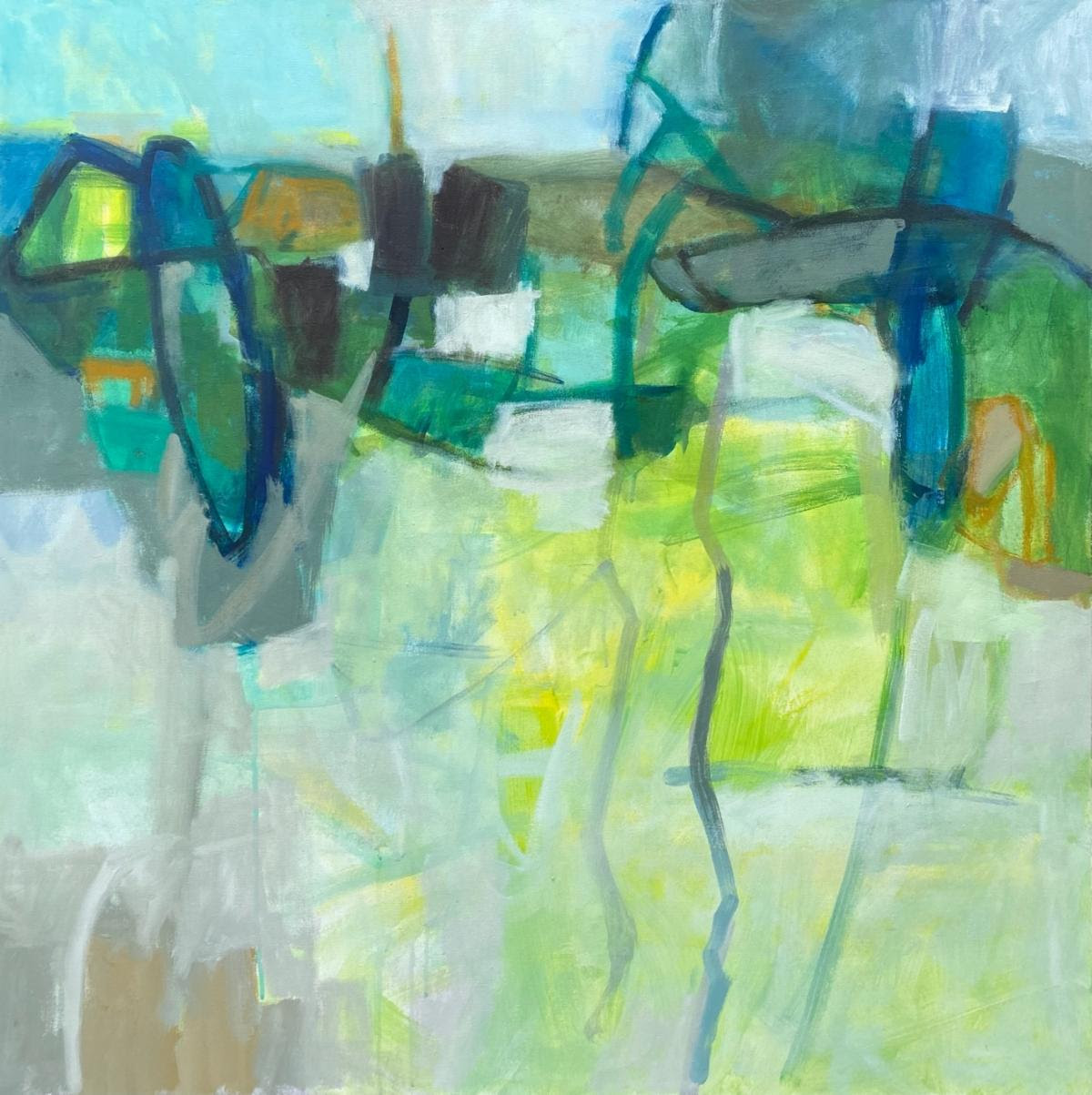
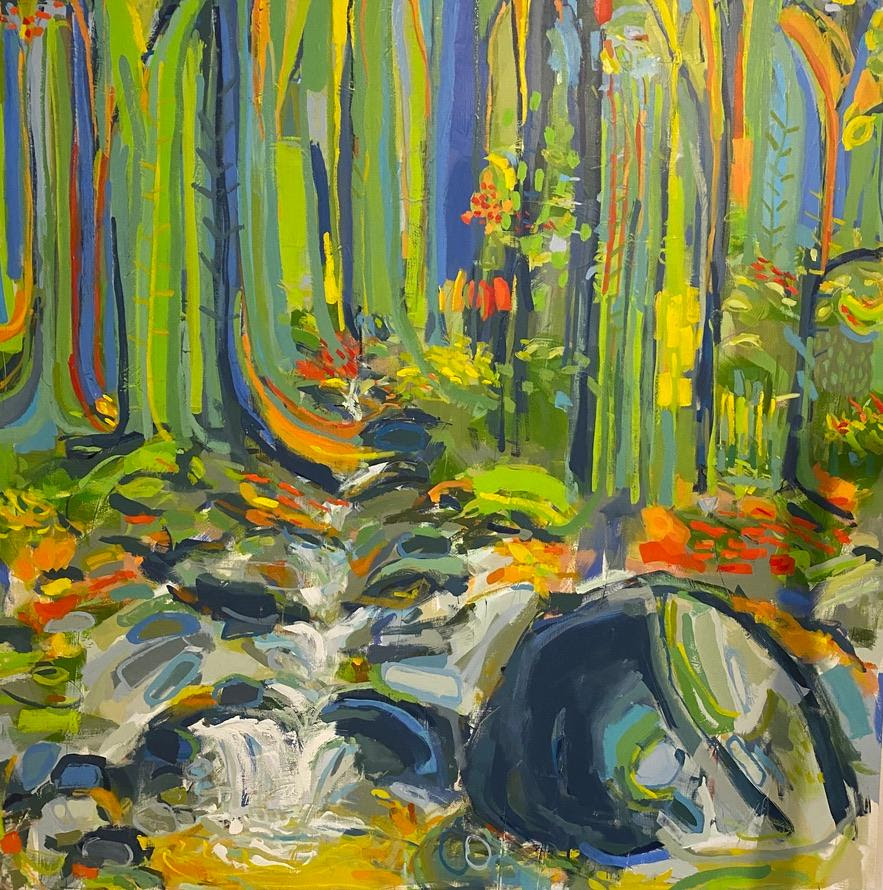

Walking in This World is a sequel to Julia Cameron’s* ground breaking book The Artist’s Way. Filled with insights, motivations, and revelations this 12-week program brings clarity and understanding to creatives and those who would like a more artful life.
Meeting once a week on Zoom, this book club will study and share the readings and tasks in each chapter. Discussions and the use of break-out rooms for small group interactions will help us get to know each other and lend the support that we all need to keep going and learning about ourselves and our creative gifts.
There are no-prerequisites. The program is for people who are embarking on or continuing a creative path; it is an individual journey.
Supplies:
- a copy of Walking in This World. Available on Amazon and Kindle, but if possible, please order from your local bookstore.
- An 8 1/2 x 11” notebook for morning pages
- paper and pen when you come to class.
Author Julia Cameron is an international teacher of the creative process and an author of more than 40 books. She has inspired millions to overcome their challenges and reach their creative goals. juliacameronlive.com
About the Facilitator Pamela Atkinson, Artist and Art Educator:
Besides painting, Pam has developed learning projects for school districts, participated in a variety of grant programs, and was the administrator of a successful, youth art program. To see her artwork go to pamelaatkinson.net.
“Creativity has enriched my life since I was a small child. Making a painting, teaching art, or appreciating the gifts of others, have all given meaning and substance to my world. Julia’s teachings have been a guiding light on my journey.”
Black Mountain College: Idea + Place
Lower Level Gallery with Companion Digital Exhibition
How can an idea inform a place? How can a place inform an idea? Would Black Mountain College have had the same identity and lifespan if it had been located in the urban Northeast, the desert Southwest, or coastal California? How did BMC’s rather isolated, rural, and mountainous setting during the era of the Great Depression and the Jim Crow South influence the college community’s decision-making and the evolution of ideas upon which it was based?
This exhibition seeks to delve into these questions and others by exploring the places of Black Mountain College: its two very different campuses, its influential predecessor the Bauhaus in Germany, and the post-BMC diaspora. Curated by Alice Sebrell, Director of Preservation
adVANCE! Modernism, Black Liberation + Black Mountain College
Upper Level Gallery with Companion Digital Exhibition
Featuring the work of contemporary sculptor Larry Paul King in conversation with Black Mountain College modernist masters including Jacob Lawrence, Gwendolyn Knight Lawrence, Josef Albers, Leo Krikorian, and Sewell Sillman. Premiering three Jacob Lawrence lithographs new to the BMCM+AC permanent collection. adVANCE! celebrates Black Mountain College’s role in early civil rights and the ongoing role of Black, modernist artists in the pursuit of liberation and justice.
Curated by Marie T. Cochran, Founder of the Affrilachian Artist Project

|
Bring your needles or your hooks and join us for some friendly company as you work on your current project. No registration necessary; just come by the Skyland Library community room with a love of yarn! Please note this is not a class — we welcome knitters and crocheters of all skill levels, but there might not be anyone on hand to teach the basics if you’ve never tried before. Feel free to come and chat or observe, though! |
NC State Parks’ Year of the Tree continues with a celebration of spring trees. Break out your camera and capture the transformation of trees from winter to spring as they show off their gorgeous blooms throughout the next few months. You may even win a prize for your efforts!
GREAT PRIZES WILL BE AWARDED TO 3 WINNING ENTRIES
1st Prize: The winning photo will be our Facebook cover photo for two weeks, and the photographer will receive two annual passes to Chimney Rock State Park, two boat tour tickets from Lake Lure Tours, and dinner for two at the Old Rock Café.
2nd Prize: After the first place photo, the second place photo will be our Facebook cover photo for one week. The photographer will receive two annual passes to Chimney Rock State Park and dinner for two at the Old Rock Café.
3rd Prize: The third place photographer will receive two adult day passes (or one family pack of day passes) to Chimney Rock State Park and dinner for two at the Old Rock Café.
CONTEST RULES:
- There is no fee to enter the contest. All photographs must be taken of Chimney Rock at Chimney Rock State Park only in areas accessible to guests between April 1, 2022 – May 31, 2022.
The contest is open to amateur and professional photographers. - Up to three photos per person can be submitted via any of the following ways to be eligible to win:
- Facebook: First, like the Chimney Rock at Chimney Rock State Park page. Next, send us a private message including your contact information specified in rule #3.
- E-mail: If you don’t have access to social media, you may email your digital photo with your contact information specified in rule #3 to [email protected].
- Every entry should be clearly labeled with the photographer’s name, city & state, a brief photo caption, an email address and the best phone number to reach you.
- Photos should be available at a minimum resolution of 1200 x 1600 pixels (1 MB minimum) to be eligible to win. Photos taken via smart phones, tablets and other mobile devices are welcome if they meet minimum requirements.
- For entries showing human faces, you must list their name(s) and have written permission from any photographed person(s) to use their image.
- Entries should reflect the photographer’s interpretation of the theme. Emphasis will be placed on quality, composition and creativity. All entries may be used in promotions of Chimney Rock and park-related activities.
- Digital images can be optimized but not dramatically altered with photo editing software. Black and white photographs are welcome.
- Finalists will be chosen by Chimney Rock staff and the winner will be voted on by the public. Decisions regarding winners are final.
Winners will be notified personally and announced on Chimney Rock’s social media. For more information, call 1-828-625-9611, ext. 1812 or email us at [email protected].
|
|
|
The Garden Helpline is open March 2 through October 27 in 2022.
Extension Master GardenerSM volunteers will be staffing the Helpline as indicated in the schedule below. You may send an email or leave a voicemail at any time and an Extension Master Gardener volunteer will respond during Garden Helpline hours. When emailing, please include a photo if it helps describe your garden question. Soil test kits can be picked up at the Extension office, 24/7, located in a box outside the front door.
Two ways to contact the Garden Helpline
Call 828-255-5522
Email questions and photos to [email protected]
Garden Helpline Hours
March: Monday 12:00 – 2:00; Wednesday 10:00 – 12:00
April – September: Monday and Wednesday 10:00- 2:00; Tuesday 10:00-12:00;
Thursday 12:00-2:00
October: Tuesday 10:00-12:00; Thursday 12:00-2:00
We are here to help and support you! Please contact us; we look forward to answering your gardening questions.
|

|
|
|
|
| Gillian Laub, Amber and Reggie, Mount Vernon, Georgia, 2011, inkjet print, 40 × 50 inches. © Gillian Laub, courtesy of Benrubi Gallery. |
American photographer Gillian Laub (born New York, 1975) has spent the last two decades investigating political conflicts, exploring family relationships, and challenging assumptions about cultural identity. In Southern Rites, Laub engages her skills as a photographer, filmmaker, and visual activist to examine the realities of racism and raise questions that are simultaneously painful and essential to understanding the American consciousness.
In 2002, Laub was sent on a magazine assignment to Mount Vernon, GA, to document the lives of teenagers in the American South. The town, nestled among fields of Vidalia onions, symbolized the archetype of pastoral, small town American life. The Montgomery County residents Laub encountered were warm, polite, protective of their neighbors, and proud of their history. Yet Laub learned that the joyful adolescent rites of passage celebrated in this rural countryside—high school homecomings and proms—were still racially segregated.
Laub continued to photograph Montgomery County over the following decade, returning even in the face of growing—and eventually violent—resistance from community members and local law enforcement. She documented a town held hostage by the racial tensions and inequities that scar much of the nation’s history. In 2009, a few months after Barack Obama’s first inauguration, Laub’s photographs of segregated proms were published in the New York Times Magazine. The story brought national attention to the town and the following year the proms were finally integrated. The power of her photographic images served as the catalyst and, for a moment, progress seemed inevitable.
Then, in early 2011, tragedy struck the town. Justin Patterson, a twenty-two-year-old unarmed African American man—whose segregated high school homecoming Laub had photographed—was shot and killed by a sixty-two-year-old white man. Laub’s project, which began as an exploration of segregated high school rituals, evolved into an urgent mandate to confront the painful realities of discrimination and structural racism. Laub continued to document the town over the following decade, during which the country re-elected its first African American president and the ubiquity of camera phones gave rise to citizen journalism exposing racially motivated violence. As the Black Lives Matter movement and national protests proliferated, Laub uncovered a complex story about adolescence, race, the legacy of slavery, and the deeply rooted practice of segregation in the American South.
Southern Rites is a specific story about 21st century young people in the American South, yet it poses a universal question about human experience: can a new generation liberate itself from a harrowing and traumatic past to create a different future?
Southern Rites is curated by Maya Benton and organized by the International Center of Photography.
Black Mountain College: Idea + Place
Lower Level Gallery with Companion Digital Exhibition
How can an idea inform a place? How can a place inform an idea? Would Black Mountain College have had the same identity and lifespan if it had been located in the urban Northeast, the desert Southwest, or coastal California? How did BMC’s rather isolated, rural, and mountainous setting during the era of the Great Depression and the Jim Crow South influence the college community’s decision-making and the evolution of ideas upon which it was based?
This exhibition seeks to delve into these questions and others by exploring the places of Black Mountain College: its two very different campuses, its influential predecessor the Bauhaus in Germany, and the post-BMC diaspora. Curated by Alice Sebrell, Director of Preservation
adVANCE! Modernism, Black Liberation + Black Mountain College
Upper Level Gallery with Companion Digital Exhibition
Featuring the work of contemporary sculptor Larry Paul King in conversation with Black Mountain College modernist masters including Jacob Lawrence, Gwendolyn Knight Lawrence, Josef Albers, Leo Krikorian, and Sewell Sillman. Premiering three Jacob Lawrence lithographs new to the BMCM+AC permanent collection. adVANCE! celebrates Black Mountain College’s role in early civil rights and the ongoing role of Black, modernist artists in the pursuit of liberation and justice.
Curated by Marie T. Cochran, Founder of the Affrilachian Artist Project
|
|
|
|
|
|
| N. C. Wyeth, Eight Bells (Clyde Stanley and Andrew Wyeth aboard Eight Bells), 1937, oil on hardboard, 20 × 30 inches. Bank of America Collection |
The Wyeths: Three Generations | Works from the Bank of America Collection provides a comprehensive survey of works by N. C. Wyeth, one of America’s finest illustrators; his son, Andrew, an important realist painter; his eldest daughter, Henriette, a realist painter; and Andrew’s son Jamie, a popular portraitist. Through the works of these artists from three generations of the Wyeth family, themes of American history, artistic techniques, and creative achievements can be explored. This exhibition will be on view in the Asheville Art Museum’s Explore Asheville Exhibition Hall February 12 through May 30, 2022.
N. C. Wyeth (1882–1945) has long been considered one of the nation’s leading illustrators. In the early 1900s, he studied with illustrator Howard Pyle in Delaware. In 1911, he built a house and studio in nearby Chadds Ford, PA. Later, he bought a sea captain’s house in Maine and in 1931 built a small studio, which he shared with his son, Andrew, and his daughters, Henriette and Carolyn. The exhibition includes illustrations for books by Robert Louis Stevenson and Washington Irving as well as historical scenes, seascapes, and landscapes.
Andrew Wyeth (1917–2009) is one of the United States’ most popular artists, and his paintings follow the American Realist tradition. He was influenced by the works of Winslow Homer, whose watercolor technique he admired, as well as by the art of Howard Pyle and his father, N. C. While Andrew painted recognizable images, his use of line and space often imbue his works with an underlying abstract quality. The exhibition includes important works from the 1970s and 1980s as well as recent paintings.
Henriette Wyeth (1907–1997) was the eldest daughter of N.C. Wyeth and an older sister to Andrew Wyeth. Like other members of her family, her painting style was realist in a time when Impressionism and Abstraction were popular in the early 20th century. She studied painting at the Pennsylvania Academy of the Fine Arts and was an acclaimed portraitist, though perhaps not as widely known as her father and brother. Most notably she painted the portrait of First Lady, Pat Nixon, which is in the collection of The White House.
Jamie Wyeth (born 1946), like his father and grandfather, paints subjects of everyday life, in particular the landscapes, animals, and people of Pennsylvania and Maine. In contrast to his father—who painted with watercolor, drybrush, and tempera—Jamie works in oil and mixed media, creating lush painterly surfaces. The 18 paintings in the exhibition represent all periods of his career.
This exhibition has been loaned through the Bank of America Art in our Communities® program.
|
|
Useful and Beautiful: Silvercraft by William Waldo Dodge features a selection of functional silver works by Dodge drawn from the Museum’s Collection. Organized by the Asheville Art Museum and curated by Whitney Richardson, associate curator, this exhibition will be on view in the Debra McClinton Gallery at the Museum from February 23 through October 17, 2022.
William Waldo Dodge Jr. (Washington, DC 1895–1971 Asheville, NC) moved to Asheville in 1924 as a trained architect and a newly skilled silversmith. When he opened for business promoting his handwrought silver tableware, including plates, candlesticks, flatware (spoons, forks, and knives), and serving dishes, he did so in a true Arts and Crafts tradition. The aesthetics of the style were dictated by its philosophy: an artist’s handmade creation should reflect their hard work and skill, and the resulting artwork should highlight the material from which it was made. Dodge’s silver often displayed his hammer marks and inventive techniques, revealing the beauty of these useful household goods.
The Arts and Crafts style of England became popular in the United States in the early 1900s. Asheville was an early adopter of the movement because of the popularity and abundance of Arts and Crafts architecture in neighborhoods like Biltmore Forest, Biltmore Village, and the area around The Grove Park Inn. The title of this exhibition was taken from the famous quotation by one of the founding members of the English Arts and Crafts Movement, William Morris, who said, “have nothing in your house that you do not know to be useful or believe to be beautiful.” Not only did Dodge follow this suggestion; he contributed to American Arts and Crafts silver’s relevancy persisting almost halfway into the 20th century.
“It has been over 15 years since the Museum exhibited its collection of William Waldo Dodge silver and I am looking forward to displaying it in the new space with some new acquisitions added,” said Whitney Richardson, associate curator. Learn more at ashevilleart.org.
|
You can also attend one of our weekly garden workday events:
Pearson Garden and Nursery Garden workdays Wednesdays from 3-5pm. Located at 408 Pearson Dr. in Montford. Please click this link to sign up. Contact [email protected] for more information.
Hall Fletcher Elementary School FEAST Garden Wednesdays 2:45-4:00pm, 60 Ridgelawn Rd. Please click this link to sign up. Contact [email protected] for more information.
Lucy Herring Elementary School Peace Garden (formerly Vance Elementary School) in West Asheville. Workdays Tuesdays 2:45-3:45. The garden will again be closed to the public from 8 AM- 2:30 pm so that classes can use the garden for outdoor learning. Please contact [email protected] for questions and to RSVP
**We give away free produce donated by Mother Earth Food every week at our Sharing Table Mondays after 3 pm

Pollinators are responsible for one out of every three bites of food eaten, but they’re disappearing at an alarming rate. Planting a pollinator-friendly garden in your yard is one of the most effective ways to make sure our native pollinators have enough to eat.
Lisa will talk about how to make your garden inviting for pollinators, suggest specific plants, and discuss ways to support pollinators in your own garden and community.