

Calendar of Events
Upcoming events and things to do in Asheville, NC. Below is a list of events for festivals, concerts, art exhibitions, group meetups and more.
Interested in adding an event to our calendar? Please click the green “Post Your Event” button below.
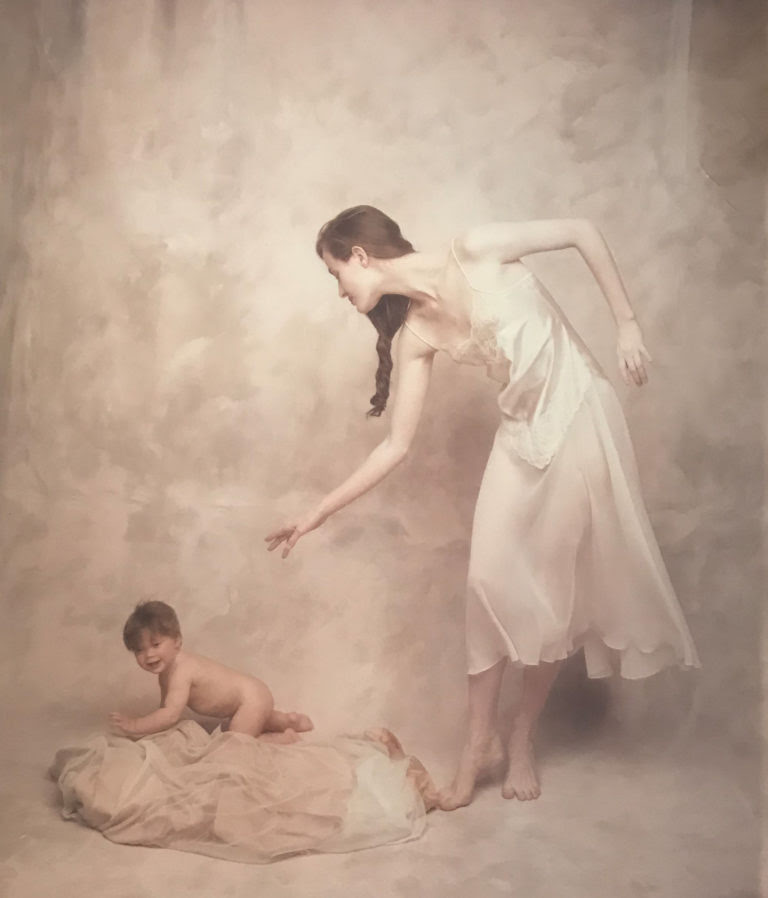 |
| Draped and Veiled: 20×24 Polaroid Photographs by Joyce Tenneson showcases Joyce Tenneson’s Transformations series, which she began in 1985 and engaged with through 2005. Transformations features partially or fully nude figures poetically presented; Tenneson’s photographs have always been interested in the magic of the human figure, contained within bodies of all ages and emotions in a broad range that are both vulnerable and bold. This exhibition features 12 large Polaroids from the poetic series. Draped and Veiled will be on view May 25–October 10, 2022. |
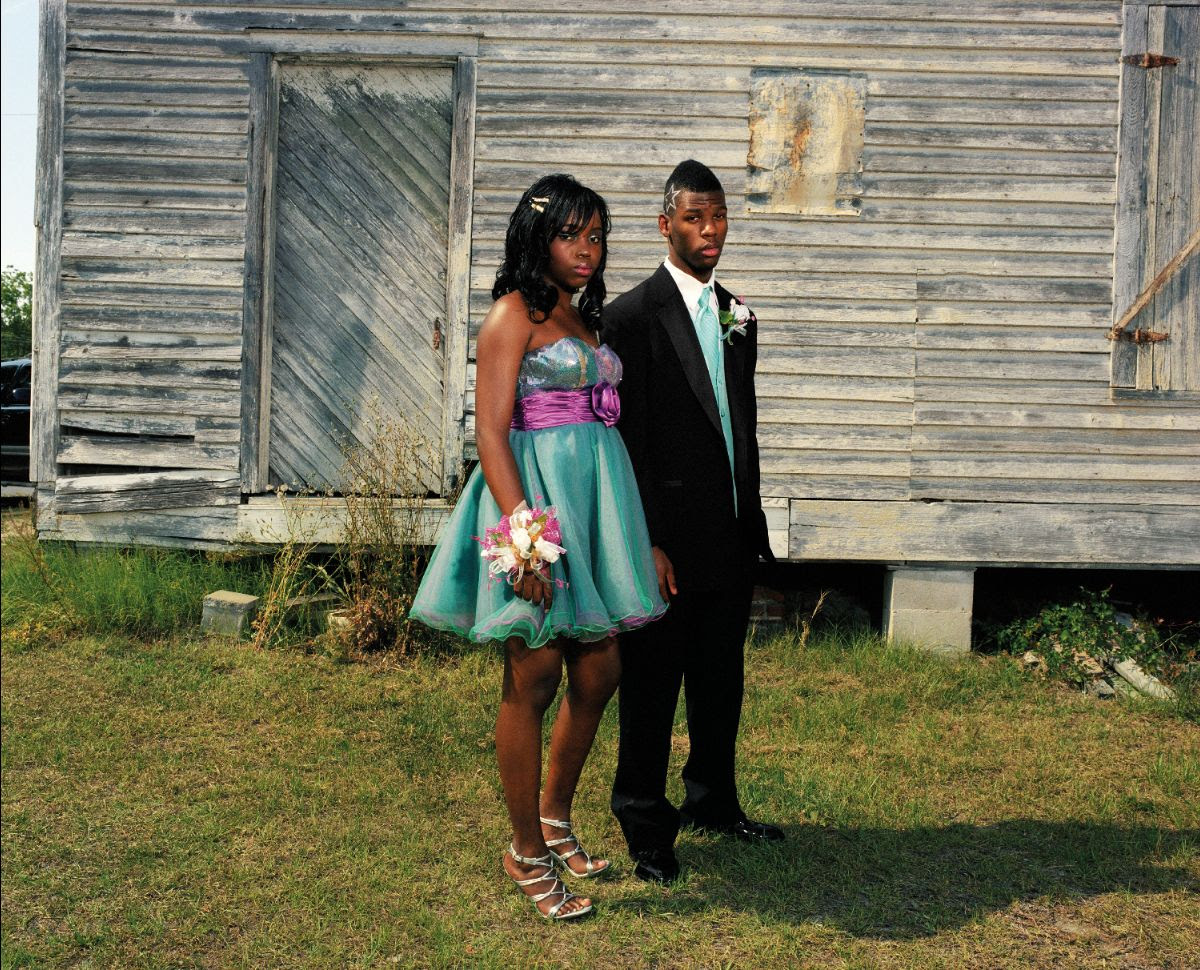 |
| Gillian Laub, Amber and Reggie, Mount Vernon, Georgia, 2011, inkjet print, 40 × 50 inches. © Gillian Laub, courtesy of Benrubi Gallery. |
American photographer Gillian Laub (born New York, 1975) has spent the last two decades investigating political conflicts, exploring family relationships, and challenging assumptions about cultural identity. In Southern Rites, Laub engages her skills as a photographer, filmmaker, and visual activist to examine the realities of racism and raise questions that are simultaneously painful and essential to understanding the American consciousness.
In 2002, Laub was sent on a magazine assignment to Mount Vernon, GA, to document the lives of teenagers in the American South. The town, nestled among fields of Vidalia onions, symbolized the archetype of pastoral, small town American life. The Montgomery County residents Laub encountered were warm, polite, protective of their neighbors, and proud of their history. Yet Laub learned that the joyful adolescent rites of passage celebrated in this rural countryside—high school homecomings and proms—were still racially segregated.
Laub continued to photograph Montgomery County over the following decade, returning even in the face of growing—and eventually violent—resistance from community members and local law enforcement. She documented a town held hostage by the racial tensions and inequities that scar much of the nation’s history. In 2009, a few months after Barack Obama’s first inauguration, Laub’s photographs of segregated proms were published in the New York Times Magazine. The story brought national attention to the town and the following year the proms were finally integrated. The power of her photographic images served as the catalyst and, for a moment, progress seemed inevitable.
Then, in early 2011, tragedy struck the town. Justin Patterson, a twenty-two-year-old unarmed African American man—whose segregated high school homecoming Laub had photographed—was shot and killed by a sixty-two-year-old white man. Laub’s project, which began as an exploration of segregated high school rituals, evolved into an urgent mandate to confront the painful realities of discrimination and structural racism. Laub continued to document the town over the following decade, during which the country re-elected its first African American president and the ubiquity of camera phones gave rise to citizen journalism exposing racially motivated violence. As the Black Lives Matter movement and national protests proliferated, Laub uncovered a complex story about adolescence, race, the legacy of slavery, and the deeply rooted practice of segregation in the American South.
Southern Rites is a specific story about 21st century young people in the American South, yet it poses a universal question about human experience: can a new generation liberate itself from a harrowing and traumatic past to create a different future?
Southern Rites is curated by Maya Benton and organized by the International Center of Photography.

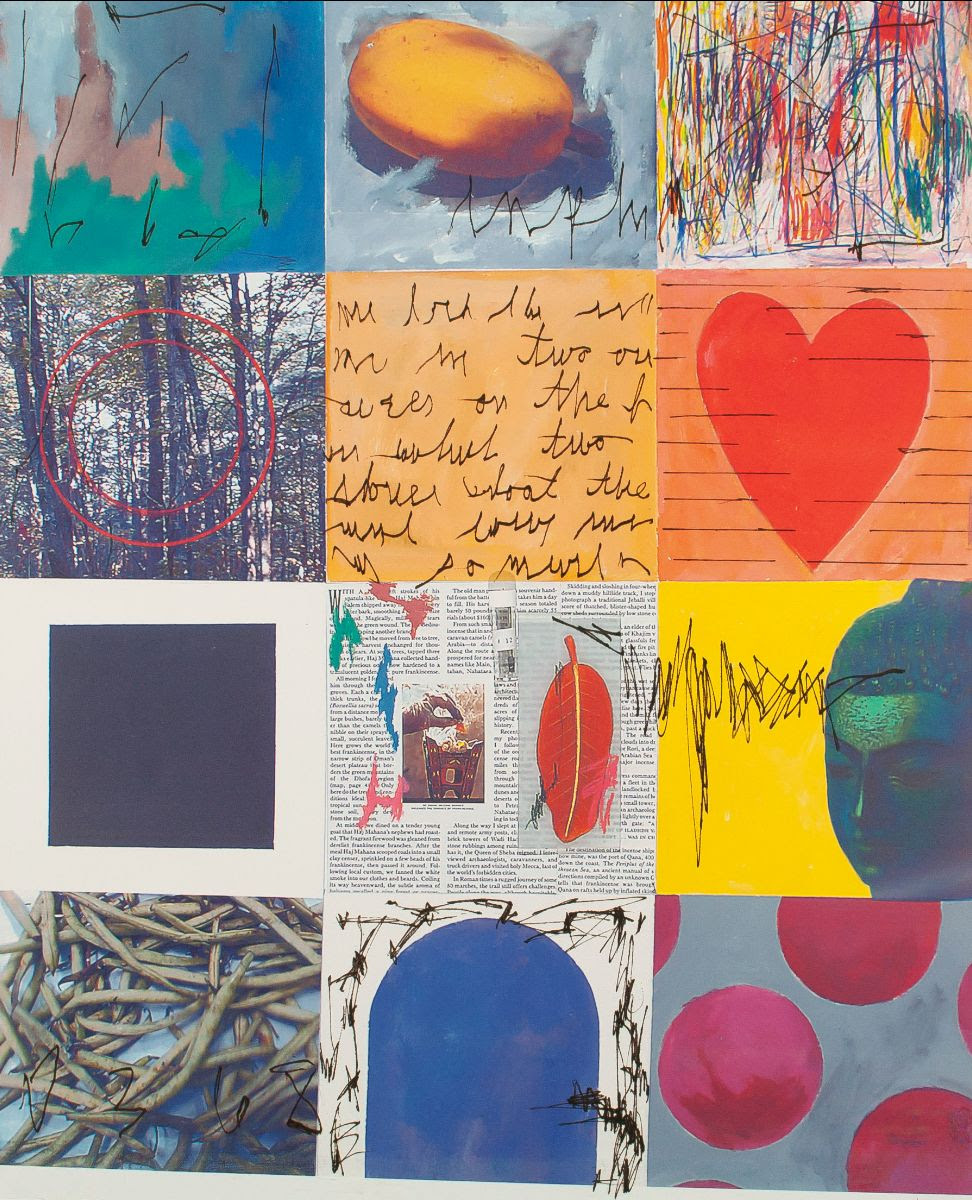
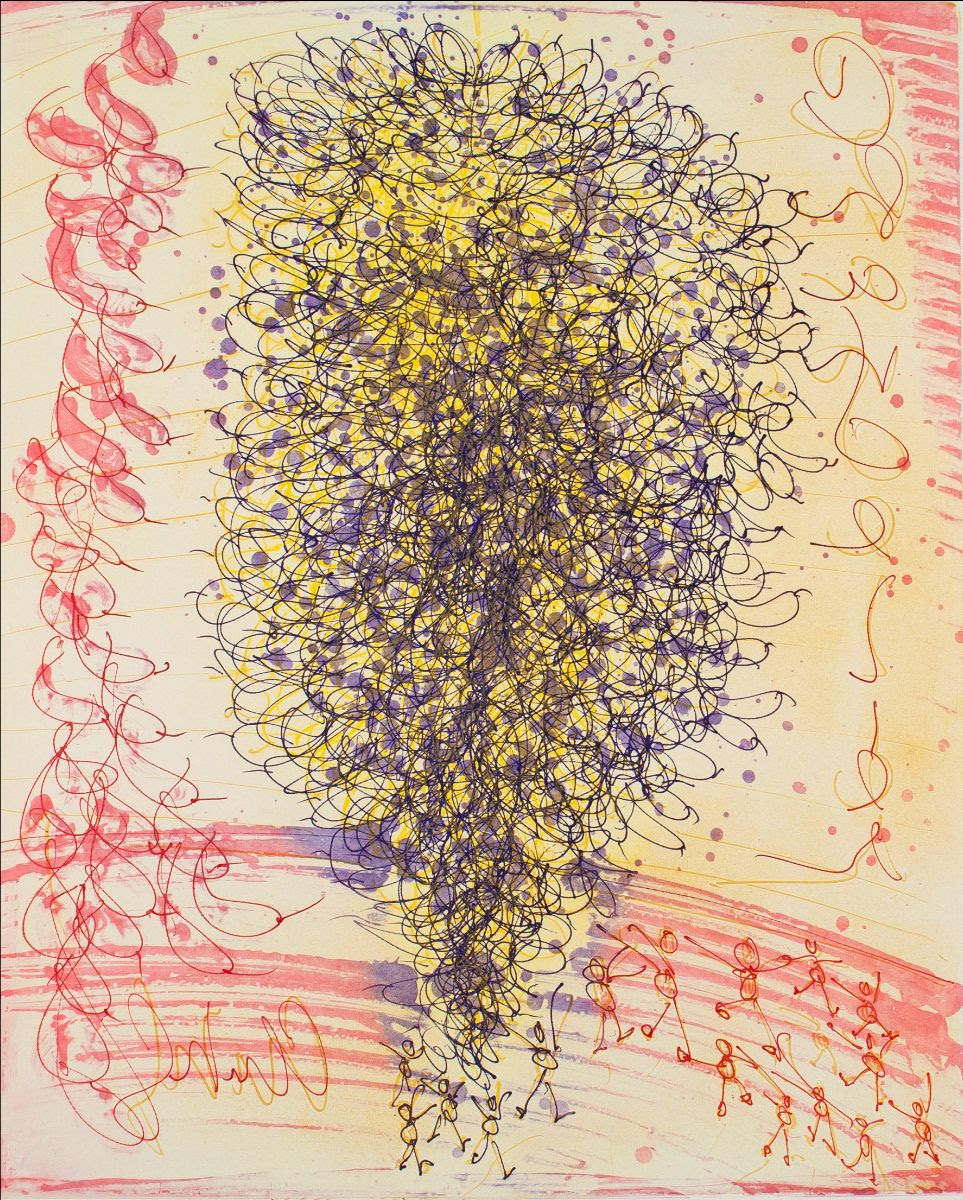
Brighten your walls with with works from Artsville Collective’s upcoming exhibition, “In Living Color: At Home with Paint, Paper and Thread.” Allow these abstract pieces, in varying sizes and mediums, to light up your life. Collectively, the artwork’s tonal range is of blended neutrals and ventures into spring and fall palettes. Suit your design pleasures with pure color or wabi-sabi textural designs in a range of perspectives from three uniquely talented artists: Betsy Meyer, fibers; Karen Stastny, painting, and Michelle Wise, mixed media. Also showing: the Retro pop art of Daryl Slaton, which can be activated on your phone to reveal an animated story. For a softer approach, consider the mixed media art of Louise Glickman using paint, textiles, and natural plant materials.
|
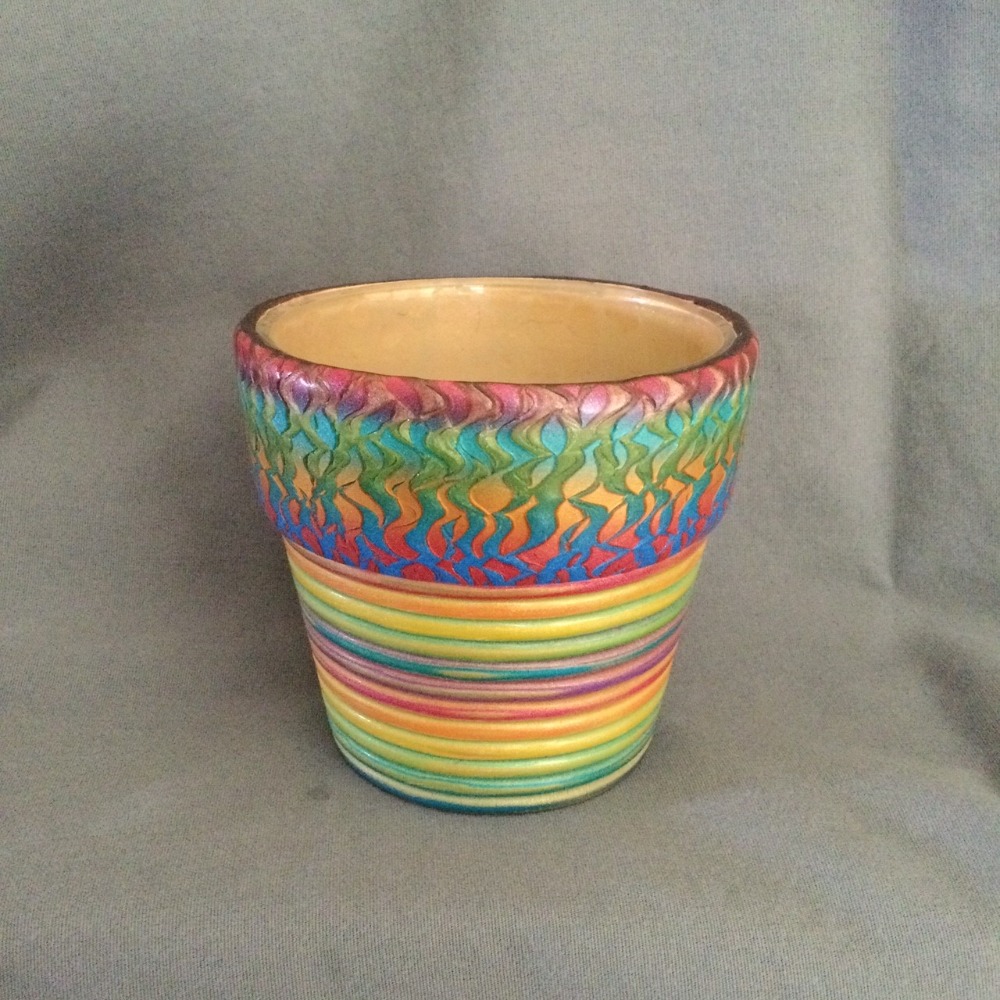
Learn how to work with polymer clay with the guidance of the Blue Ridge Polymer Clay Guild. Newcomers welcome to drop in to observe and practice. No supplies needed. Adults and teens 16 and above welcome. No registration required |
|
|
|
|
|
|
|
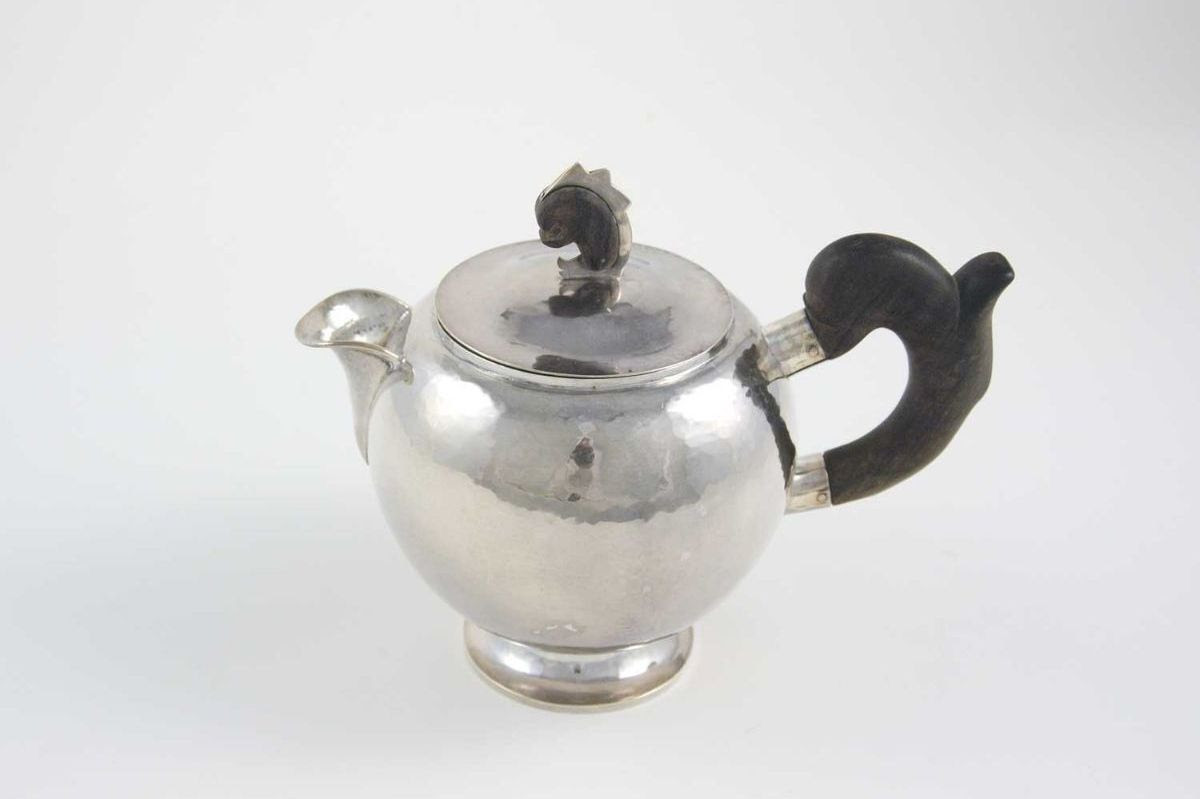
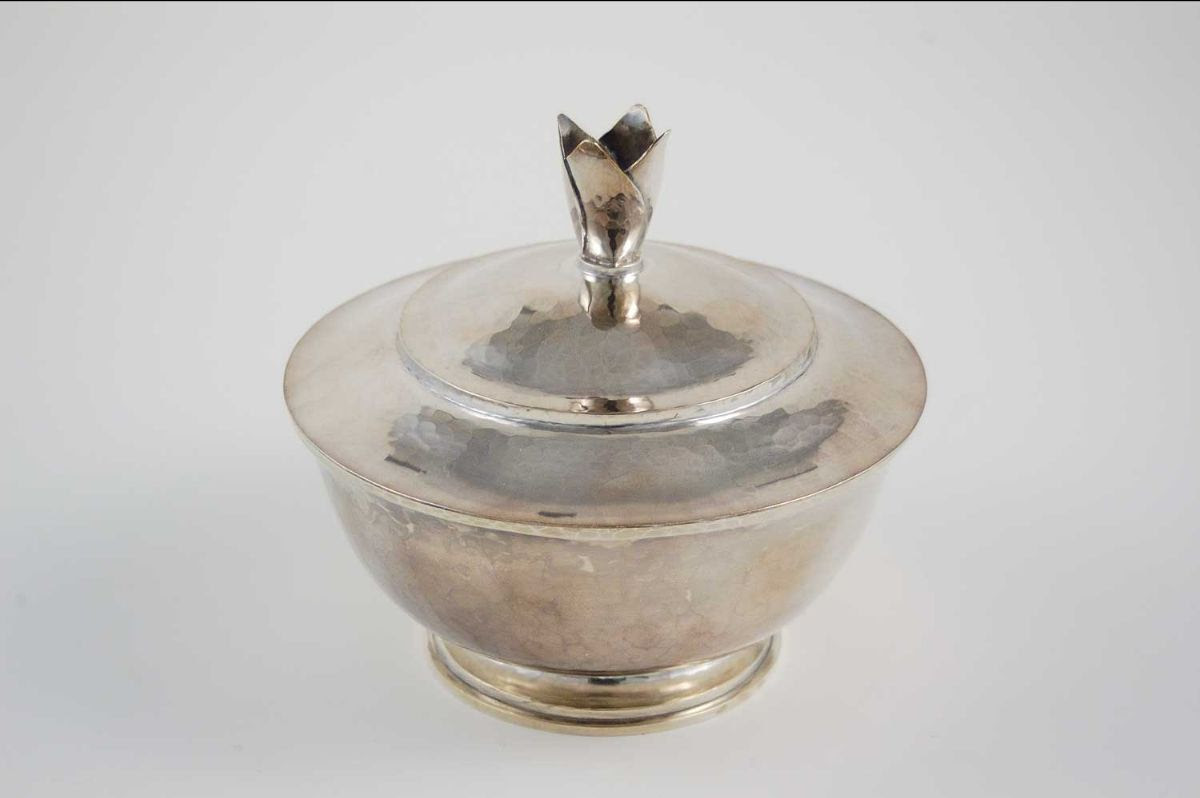
Useful and Beautiful: Silvercraft by William Waldo Dodge features a selection of functional silver works by Dodge drawn from the Museum’s Collection. Organized by the Asheville Art Museum and curated by Whitney Richardson, associate curator, this exhibition will be on view in the Debra McClinton Gallery at the Museum from February 23 through October 17, 2022.
William Waldo Dodge Jr. (Washington, DC 1895–1971 Asheville, NC) moved to Asheville in 1924 as a trained architect and a newly skilled silversmith. When he opened for business promoting his handwrought silver tableware, including plates, candlesticks, flatware (spoons, forks, and knives), and serving dishes, he did so in a true Arts and Crafts tradition. The aesthetics of the style were dictated by its philosophy: an artist’s handmade creation should reflect their hard work and skill, and the resulting artwork should highlight the material from which it was made. Dodge’s silver often displayed his hammer marks and inventive techniques, revealing the beauty of these useful household goods.
The Arts and Crafts style of England became popular in the United States in the early 1900s. Asheville was an early adopter of the movement because of the popularity and abundance of Arts and Crafts architecture in neighborhoods like Biltmore Forest, Biltmore Village, and the area around The Grove Park Inn. The title of this exhibition was taken from the famous quotation by one of the founding members of the English Arts and Crafts Movement, William Morris, who said, “have nothing in your house that you do not know to be useful or believe to be beautiful.” Not only did Dodge follow this suggestion; he contributed to American Arts and Crafts silver’s relevancy persisting almost halfway into the 20th century.
“It has been over 15 years since the Museum exhibited its collection of William Waldo Dodge silver and I am looking forward to displaying it in the new space with some new acquisitions added,” said Whitney Richardson, associate curator. Learn more at ashevilleart.org.
The Asheville Gallery of Art presents oil painter Cynthia Llanes during the month of June in a show entitled, “Nature’s Mirrors”. The opening reception is on First Friday, June 3, 2022, 5:00 – 8:00 p.m.
Cynthia will feature the ever-changing phenomena of nature. She says, “Nature speaks to us so eloquently about love, beauty, design, harmony of colors, and so much more. Every day nature tells us a story and I feel compelled to share its story through my new collection of oil paintings. I like to sit in front of my easel and paint these feelings of wonder, hoping to capture what the natural world brings us to experience and enjoy.”
Cynthia uses pure, bright colors with palette knife and bold brush strokes. Painting en plein aire allows her to paint a moment in time capturing the vista before her and its beautiful stories. Her photos and outdoor sketches provide references when creating larger studio works. Painting on location gives her a lift and an emotional connection to the landscape. She says, “This is an exciting phase of my journey as an artist.”
After completing her Bachelor’s degree in Fine Arts, Cynthia pursued a career in fashion as a textile designer in the Los Angeles fashion district for many years. Inspired by the endless possibilities in visual art, she then devoted more of her time to painting. Cynthia’s vision for her art was transformed after moving from California to Western North Carolina.
She has travelled extensively in Asia and parts of Europe. “The many sights and scenes from all cultures have helped me in my growth as an artist. My paintings are not reproductions of what I see but I try to capture the magic in a scene and share my personal experience to connect with the viewer. I believe that art’s purpose is to uplift, inspire, communicate, and sometimes, even provoke a conversation.”
Website: https://cynthiallanesartist.com
Facebook: https://www.facebook.com/coloryourheart Instagram: https://www.instagram.com/cynthiallanesartstudio
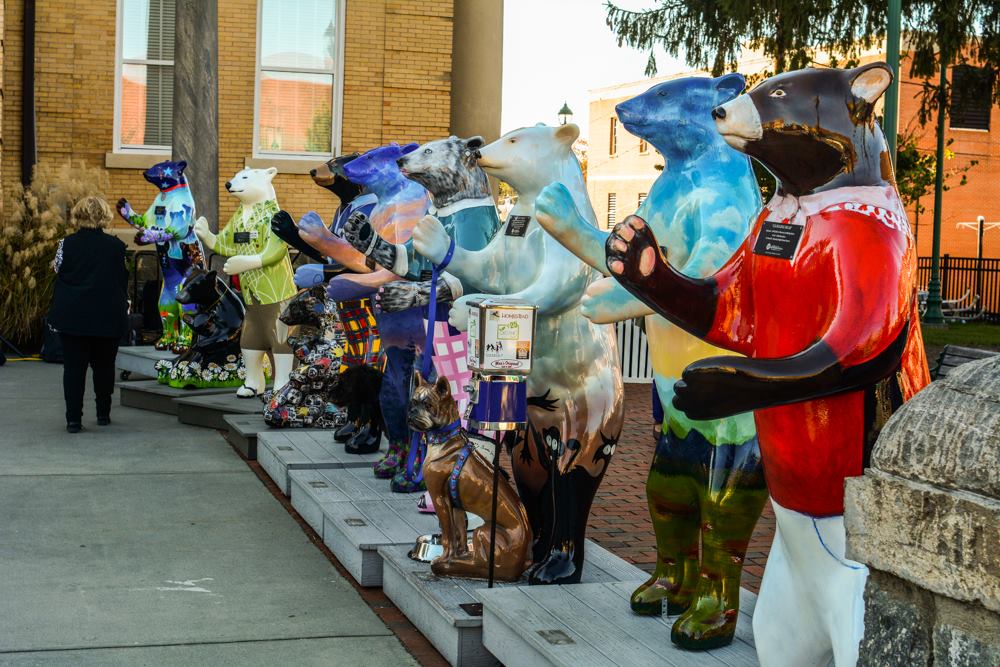
ince 2003, the Bearfootin’ Art Walk has helped raise funding for Downtown Hendersonville and a variety of local non-profits. In addition to raising funds, the bears offer a window into good work being done by community organizations in Henderson County.
The Bearfootin’ Bears arrive as blank slates before local artists transform each in a spectacular fashion, with creative themes ranging from Mona Lisa to Blue Ridge Mountain scenery. After the “Reveal” event in early May, the bears then take up residence in downtown Hendersonville for the duration of the summer and fall, up until auction. Participants bid during the auction to raise funds for local non-profits and Downtown Hendersonville. Winning bids up to $3,000 are split evenly between the downtown program and the nonprofit chosen by the sponsor, while bid amounts exceeding $3,000 are directed entirely to the non-profit. In 2021, the Bears raised more than $100,000, and in 2022 we hope to continue the tradition of giving.
|
||||||||||||
|
||||||||||||

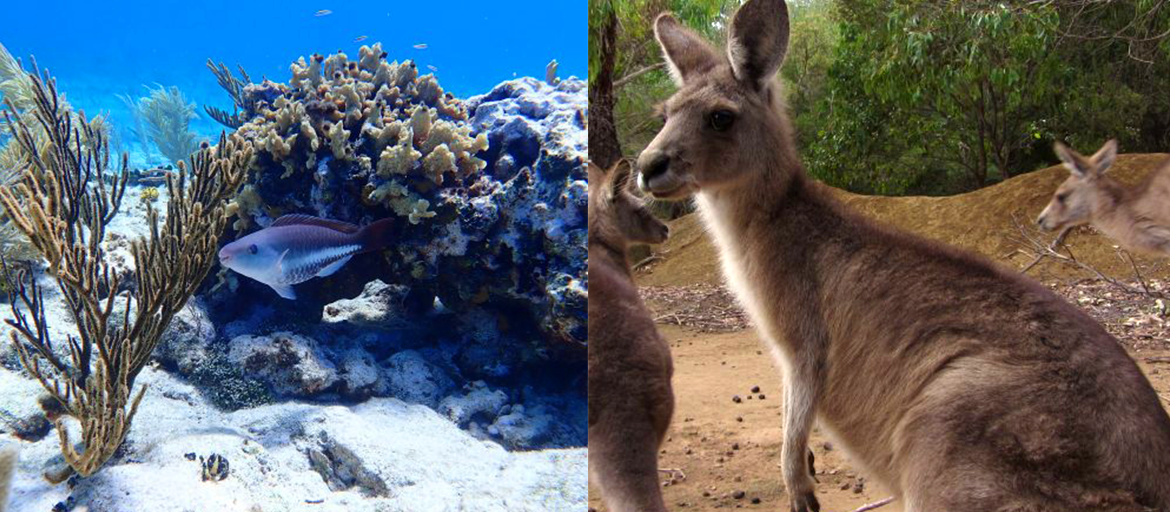
The exhibit features thought-provoking photos taken by students, faculty, and staff while traveling abroad.
Accessibility
Find accessibility information for campus buildings at maps.unca.edu. For accessibility questions or to request event accommodations, please contact [email protected] or 828.250.3832.
Visitor Parking
Visitors must have a permit to park on campus — please visit the Transportation website to register.
|
|
||||||||||||
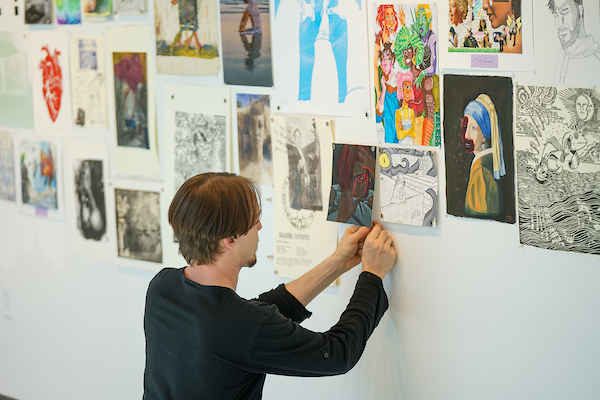
Current students, alumni, staff, faculty, and faculty emeriti of the UNC Asheville Department of Art & Art History are participating in THRIVE ! – an invitational exhibition of small works on paper.
“I wanted to express this idea that despite COVID, and despite our department’s relocation during renovation – art thrives here, it is the constant that cannot be disrupted,” says THRIVE ! curator Leisa Rundquist, professor of art history and curator of art collections at UNC Asheville.
The informal arrangement installation will be displayed in the hallway gallery next to the S. Tucker Cooke Gallery in Owen Hall through August 1.
Viewing is available during open Owen Hall hours. 9:00 AM – 5:00 PM (M – F)
Community Expectations
As members of this community, we care about everyone. Faculty, staff, students, and visitors have a shared commitment to take the necessary precautions to avoid spreading COVID-19 while following all recommended health guidelines. Please see UNC Asheville’s Community Expectations. Be respectful of individual choice to wear or not wear a mask in any situation; wear a mask when and where encouraged, following guidelines and precautions outlined by the CDC.
Accessibility
Find accessibility information for campus buildings at maps.unca.edu. For accessibility questions or to request event accommodations, please contact [email protected] or 828.250.3832.
Visitor Parking
Visitors must have a permit to park on campus — please visit the Transportation website to register.

Featured Artists: Jude Stuecker (fiber) Erica Bailey (jewelry) Mary Dashiell (clay) Steve Miller (wood) Rex Redd (clay)

Floralia
Share this event:
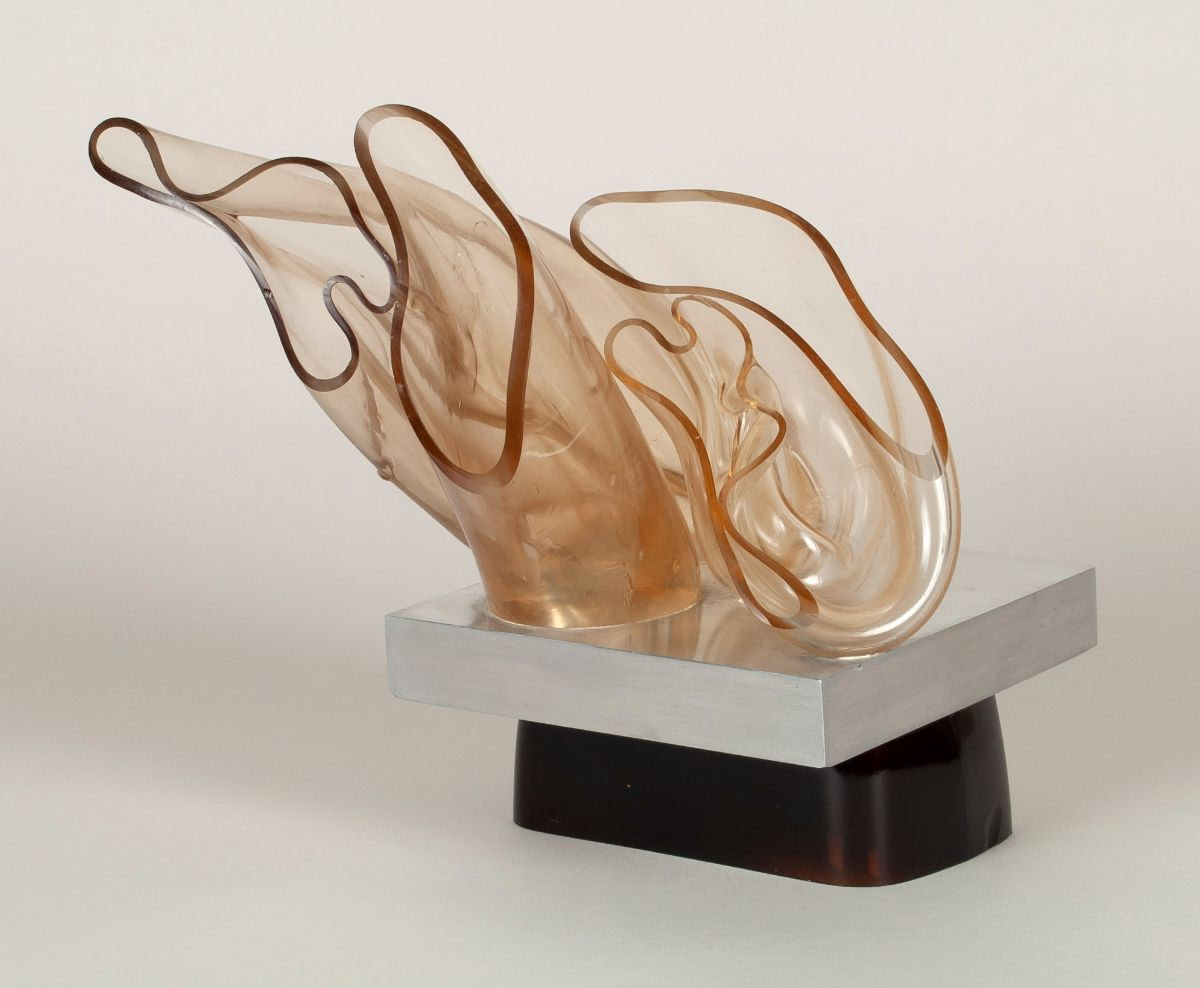
From April 29 through June 20, 2022, North Carolina Glass Center will present Floralia, an exhibition to celebrate the birth of Spring. In ancient Rome, the celebration of Flora, the goddess of flowering plants, included games and festivities. Our seasonal show will capture the beauty of new beginnings with glass vessels, botanical sculpture and mixed media, all with a nature theme.
All displayed art is for sale. The purchase of art from Floralia will support local artists and the nonprofit North Carolina Glass Center.
Open daily 10am-5pm. Closed Tuesdays. Free admission.

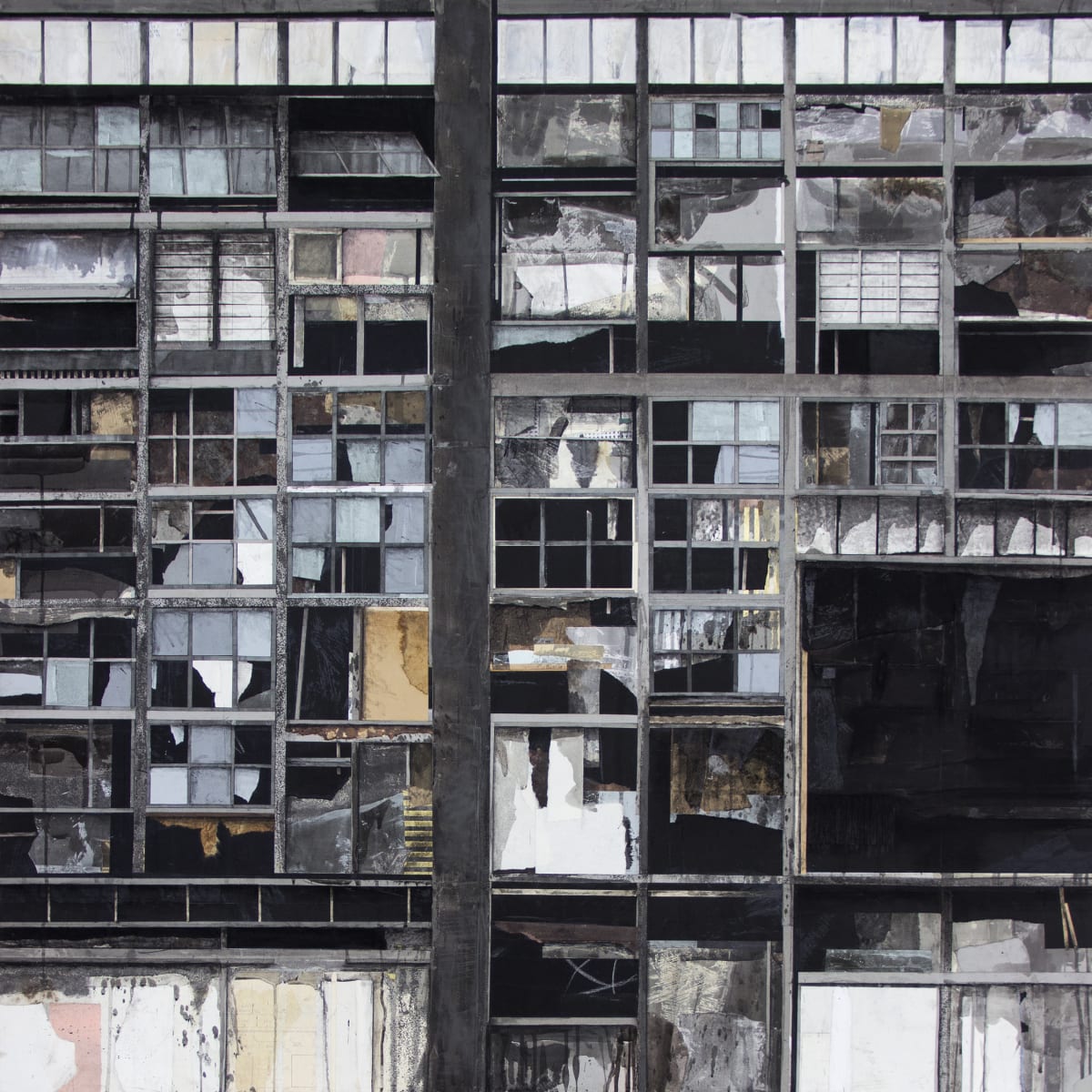
“My work focuses on deteriorating architecture. These structures, designed to be huge forces of permanence, are continually being challenged, destroyed and forgotten. I see an inherent honesty in the face of my subject. Among all of the clutter—the shards of wood and layers of rubble—there remains a gentle resolve. As I work, I study these structures incessantly. The buildings, often on the brink of ruin, have something very energized and present trying to escape from their fragmented reality.” –Seth Clark
This first solo show of Seth’s work at Momentum’s new space features large-scale works from his Barn, Ghost, and Aerial View Series. The collection also includes some of the artist’s sculptural objects in wood. Abstract works, which still reference weathered architecture, such as Lath Study and Vinyl Study, round out the exhibition.

The synergy of vibrant outsider art created locally and shared with Tryon Fine Arts has resulted
in a one-of-a-kind art exhibit opening June 1, 2022. The Skateboard: Re-purposed includes
works from North Carolina, Oregon, California, England and Germany. Seven artists are
featured, including Tryon’s own Jonathan Caple, Nicholas Harding (England), Matt Mercurio,
George Rocha, Michael Mauney, Paris Evans and Folk Dunker (Gemany).
Skateboarding has been popular for over a century and is now experiencing a resurgence in both
the sports arena and the art world—it became an Olympic sport in 2020 and was part of a
successful 2019 Sotheby’s auction, with boards by, among others, Damien Hirst and Marilyn
Minter.
Skateboards re-purposed as art will be on exhibit in TFAC’s Parker Gallery beginning June 1,
2022. The exhibit will feature skateboard art in many sizes and forms including graceful
sculptures, nature art, chairs, wall art, a crocheted piece, photographs, and more. Several of the
exhibit pieces will be for sale, supporting both the artists and TFAC as the exhibit sponsor.
The public is invited to attend the opening reception on June 9 from 5 – 7 PM, where they can
also meet local skateboard artist, Jonathan Caple. The exhibit will be on display through to the
end of July 2022.
To access the gallery, plan to enter through the Pavilion at the rear of Tryon Fine Arts Center.
Free parking is available behind TFAC and on surrounding side streets. For more information,
call 828-859-8322 or visit www.tryonarts.org.
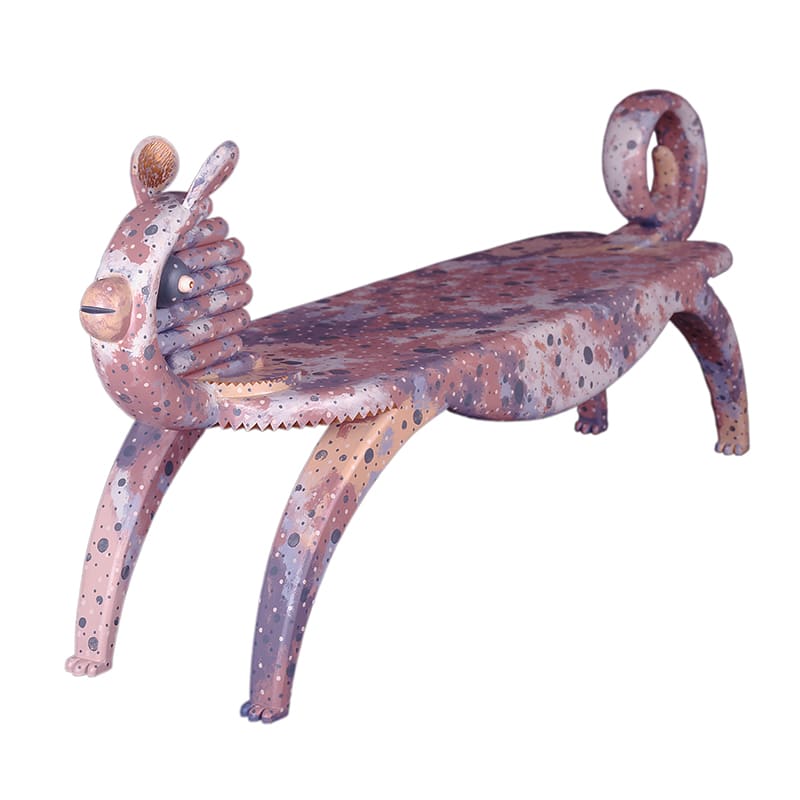
Simpson is an imaginist who has worked in nearly every medium, including woodworking, painting, printmaking, ceramics, bookmaking, jewelry, and writing. Whether it’s a painting or sculptural object, in each of Simpson’s works there is an identifiable style that puzzles together the artist’s personal and cultural references into a signature blend of joyfulness and subtle commentary. On describing Simpson’s sensibility, Karen S. Chambers comments, “It’s whimsical and wry, naive yet saavy, inteligent but not cerebral.” Edward S. Cooke, Jr. (Yale University) wrote, “Simpson is simply a maker who deftly blends utility, memory, irony, and spirituality in his accomplishments. Fundemental to his life has been a conviction that ‘art can be meaningful and still give joy.’ He makes faciful, whimsical objects that incorporate verbal and visual puns and probe the meanings of cultural icons, but undertakes such commentary wthin comfortable settings. His works possess an engaging tension that employs friendly humor or familiar details and conventions to inspire long-lasting thoughtfulness.”
The collection presented at Momentum spans the past 30 years, and focuses on Simpson’s sculptural furniture including cabinets, clocks, and benches, paintings, whimsical wood sculptures, pottery, and works on paper. Tommy Simpson’s work is included in numerous public collections including the Renwick Gallery and the American Art Museum at the Smithsonian Institute, DC; and the Museum of Art and Design, NY.
|
|
|
| Draped and Veiled: 20×24 Polaroid Photographs by Joyce Tenneson showcases Joyce Tenneson’s Transformations series, which she began in 1985 and engaged with through 2005. Transformations features partially or fully nude figures poetically presented; Tenneson’s photographs have always been interested in the magic of the human figure, contained within bodies of all ages and emotions in a broad range that are both vulnerable and bold. This exhibition features 12 large Polaroids from the poetic series. Draped and Veiled will be on view May 25–October 10, 2022. |
|
| Gillian Laub, Amber and Reggie, Mount Vernon, Georgia, 2011, inkjet print, 40 × 50 inches. © Gillian Laub, courtesy of Benrubi Gallery. |
American photographer Gillian Laub (born New York, 1975) has spent the last two decades investigating political conflicts, exploring family relationships, and challenging assumptions about cultural identity. In Southern Rites, Laub engages her skills as a photographer, filmmaker, and visual activist to examine the realities of racism and raise questions that are simultaneously painful and essential to understanding the American consciousness.
In 2002, Laub was sent on a magazine assignment to Mount Vernon, GA, to document the lives of teenagers in the American South. The town, nestled among fields of Vidalia onions, symbolized the archetype of pastoral, small town American life. The Montgomery County residents Laub encountered were warm, polite, protective of their neighbors, and proud of their history. Yet Laub learned that the joyful adolescent rites of passage celebrated in this rural countryside—high school homecomings and proms—were still racially segregated.
Laub continued to photograph Montgomery County over the following decade, returning even in the face of growing—and eventually violent—resistance from community members and local law enforcement. She documented a town held hostage by the racial tensions and inequities that scar much of the nation’s history. In 2009, a few months after Barack Obama’s first inauguration, Laub’s photographs of segregated proms were published in the New York Times Magazine. The story brought national attention to the town and the following year the proms were finally integrated. The power of her photographic images served as the catalyst and, for a moment, progress seemed inevitable.
Then, in early 2011, tragedy struck the town. Justin Patterson, a twenty-two-year-old unarmed African American man—whose segregated high school homecoming Laub had photographed—was shot and killed by a sixty-two-year-old white man. Laub’s project, which began as an exploration of segregated high school rituals, evolved into an urgent mandate to confront the painful realities of discrimination and structural racism. Laub continued to document the town over the following decade, during which the country re-elected its first African American president and the ubiquity of camera phones gave rise to citizen journalism exposing racially motivated violence. As the Black Lives Matter movement and national protests proliferated, Laub uncovered a complex story about adolescence, race, the legacy of slavery, and the deeply rooted practice of segregation in the American South.
Southern Rites is a specific story about 21st century young people in the American South, yet it poses a universal question about human experience: can a new generation liberate itself from a harrowing and traumatic past to create a different future?
Southern Rites is curated by Maya Benton and organized by the International Center of Photography.
Brighten your walls with with works from Artsville Collective’s upcoming exhibition, “In Living Color: At Home with Paint, Paper and Thread.” Allow these abstract pieces, in varying sizes and mediums, to light up your life. Collectively, the artwork’s tonal range is of blended neutrals and ventures into spring and fall palettes. Suit your design pleasures with pure color or wabi-sabi textural designs in a range of perspectives from three uniquely talented artists: Betsy Meyer, fibers; Karen Stastny, painting, and Michelle Wise, mixed media. Also showing: the Retro pop art of Daryl Slaton, which can be activated on your phone to reveal an animated story. For a softer approach, consider the mixed media art of Louise Glickman using paint, textiles, and natural plant materials.
|
|
|
|
|
|
|
Useful and Beautiful: Silvercraft by William Waldo Dodge features a selection of functional silver works by Dodge drawn from the Museum’s Collection. Organized by the Asheville Art Museum and curated by Whitney Richardson, associate curator, this exhibition will be on view in the Debra McClinton Gallery at the Museum from February 23 through October 17, 2022.
William Waldo Dodge Jr. (Washington, DC 1895–1971 Asheville, NC) moved to Asheville in 1924 as a trained architect and a newly skilled silversmith. When he opened for business promoting his handwrought silver tableware, including plates, candlesticks, flatware (spoons, forks, and knives), and serving dishes, he did so in a true Arts and Crafts tradition. The aesthetics of the style were dictated by its philosophy: an artist’s handmade creation should reflect their hard work and skill, and the resulting artwork should highlight the material from which it was made. Dodge’s silver often displayed his hammer marks and inventive techniques, revealing the beauty of these useful household goods.
The Arts and Crafts style of England became popular in the United States in the early 1900s. Asheville was an early adopter of the movement because of the popularity and abundance of Arts and Crafts architecture in neighborhoods like Biltmore Forest, Biltmore Village, and the area around The Grove Park Inn. The title of this exhibition was taken from the famous quotation by one of the founding members of the English Arts and Crafts Movement, William Morris, who said, “have nothing in your house that you do not know to be useful or believe to be beautiful.” Not only did Dodge follow this suggestion; he contributed to American Arts and Crafts silver’s relevancy persisting almost halfway into the 20th century.
“It has been over 15 years since the Museum exhibited its collection of William Waldo Dodge silver and I am looking forward to displaying it in the new space with some new acquisitions added,” said Whitney Richardson, associate curator. Learn more at ashevilleart.org.
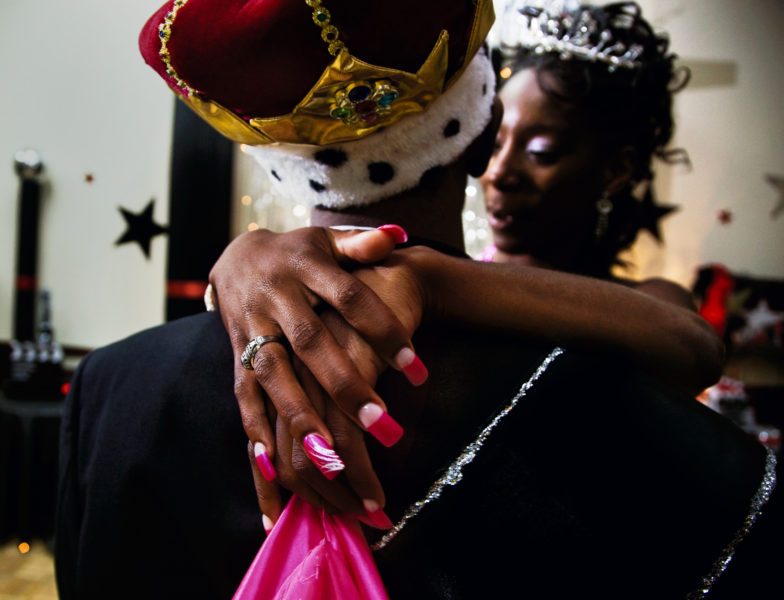
Gillian Laub, A Prom king and queen, dancing at the black prom, Vidalia, Georgia, 2009, inkjet print, 40 × 50 inches. © Gillian Laub, courtesy of Benrubi Gallery.
Join docents for tours of the Museum’s Collection and special exhibitions. No reservations are required.
Jump into summer with the second installment of Chimney Rock’s brand new wine and design-style paint series. Join a professional local artist and celebrate NC State Parks’ Year of the Tree by creating your own beautiful summer tree portrait. Classes will be held at the Old Rock Café. Attendees will have the opportunity to purchase local craft beer & wine as well as appetizers.
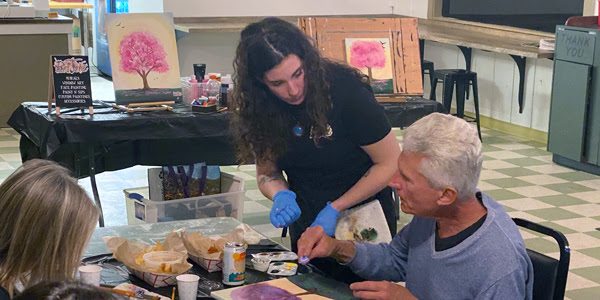
The next installment of our Seasonal Paint and Sip class at the Old Rock Cafe is coming up quickly on June 2nd. Local artist Tiffany Fry will be back to help attendees create their very own painting of a summer tree and the Old Rock crew will be serving local beer, wine, and appetizers. This wine-and-design style event makes a great date night, girl’s night out, mother/daughter evening, or relaxing solo night. And as always, passholders get a discount on tickets. Artists of all experience and skill levels are welcome!
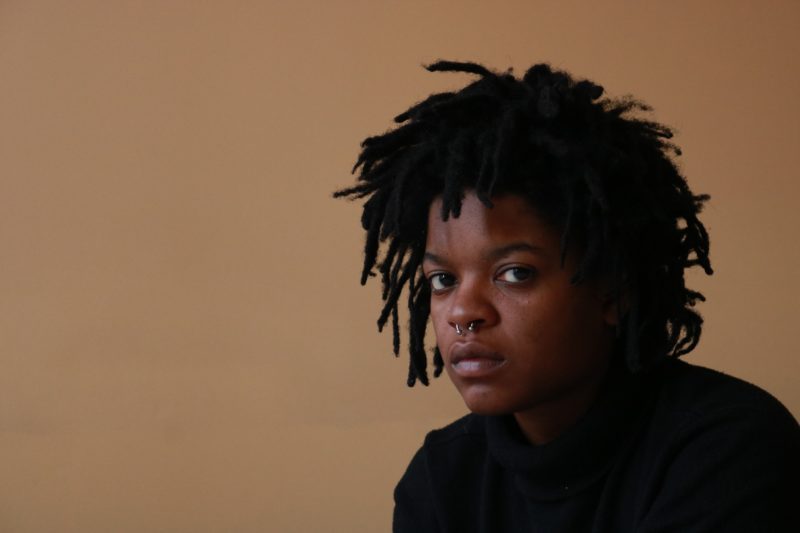
In the absence of consent, exploitation is what remains. When documenting communities, particularly those who are marginalized, there is the potential to either support or exploit said communities by our intention and actions behind the camera. This 4-part class series will explore themes within Gillian Laub’s Southern Rites exhibition, examples of both exploitation and consent, and offer feedback & perspective to current documentary projects. Particular to this class are discussions about racism, sexism, classism, homophobia, transphobia and other discussions around intersections of identities.
Please note:
- This class will be held via Zoom and requires participants to have a Zoom account and access to a computer with video/audio capabilities.
- This class series is intended for photographers of all levels, but some experience behind a camera is required.
- 2 seats for this class will be offered at $15 and priority will be given to BIPOC artists.
ABOUT THE INSTRUCTOR
Jupiter “Jupe” Javeta is a Black, southern, queer, nonbinary person who resides in Albany, Georgia where they were born and raised. They are an artist, culture keeper, and community member who practices community healing through visual art, documentation, written work, and installations. Their visual work (photography and documentary short films) center reconciliation and reprieve for Black folks in the Deep South. Their written work centers grief as a ritual and rites process, and digs into the transformative potential of grieving. Their community work (events and arts spaces) focuses on marginalized communities and connecting people across those communities to places and spaces of rest, affirmation, and communion. In each modality, they are driven by a deep love for their people and a determination to reflect it back to the communities they come from.
ADULT STUDIO
The Museum’s studio program for adults offers a core curriculum in drawing, painting, printmaking, and three-dimensional media, and also explores the intersections between them. Local and visiting artists help students of all levels and abilities develop skills in media that reflect techniques and themes featured in the Museum’s Collection and special exhibitions. Classes meet for 3–12 weeks, and are designed for anyone interested in exploring specific media in depth; daylong workshops introduce new media or processes. To add your name to our Adult Studio mailing list, click here or call 828.253.3227 x133.