

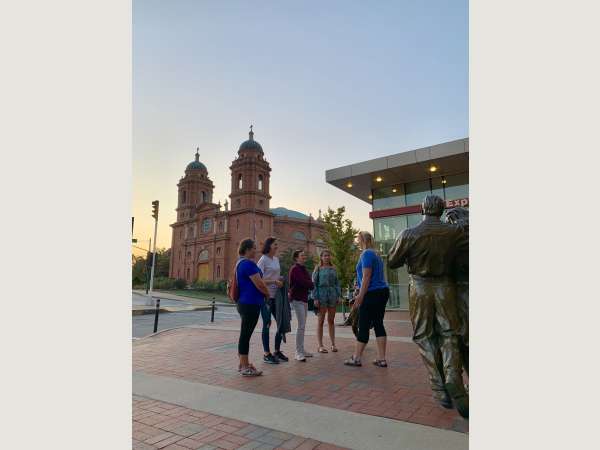
River Arts Tour
Calendar of Events
Upcoming events and things to do in Asheville, NC. Below is a list of events for festivals, concerts, art exhibitions, group meetups and more.
Interested in adding an event to our calendar? Please click the green “Post Your Event” button below.
Wednesday, March
24, 2021
Blue Ridge Humane Prepares for Kitten Season w/ Kitten Shower
Hundreds of baby kittens are expected and Blue Ridge Humane Society staff are getting ready with a Kitten Shower to gather items needed to care for the most vulnerable.
The Kitten Shower will be March 21-27 and feature donation drop-off locations around Henderson County. Individuals can purchase items from the BRHS Kitten Registry at local pet supply stores or online. Items include vital supplies like kitten formula and food, kitten warmers, bottles, and supplements that give foster kittens a boost to grow into healthy adults.
Supplies can be dropped off at the following locations during the week of March 21-28:
- Barker’s Anonymous: 401 Kanuga Rd, Hendersonville, NC 28739
- PetCo Hendersonville: 118 Highlands Square Dr, Hendersonville, NC 28792
- PetSmart Hendersonville: 213 Greenville Hwy, Hendersonville, NC 28792
- Pet Source: 1927 Spartanburg Hwy, Hendersonville, NC 28792
- Wag! A Unique Pet Boutique: 231-A N. Main Street, Hendersonville, NC 28792
- BRHS Thrift Store: 1214 Greenville Hwy, Hendersonville, NC 28792
- BRHS Admin Office: 100 Chadwick Square Court, Suite B, Hendersonville, NC 28739
- BRHS Adoption Center: 88 Centipede Lane, Hendersonville, NC 28792
The full kitten supply list is available on the Blue Ridge Humane Society website at https://www.blueridgehumane.org/donate/wish-list/. There are also options available for items to be purchased online and shipped directly to Blue Ridge Humane.
Kitten lovers will also have the opportunity to Name a Kitten as part of the event with a $10 donation. As names are used over the year, donors will receive a photo of the kitten they named. Naming donations can be made online, over the phone, or via mail.
The week will include a “foster happy hour” for interested individuals to virtually meet Morgan Harrell, the Foster Program Manager, and learn more about becoming a BRHS foster parent. Registration info will be listed online on the BRHS calendar.
As the weather warms up, the birds, bees, and cats get busy. Soon, kittens start to appear in local animal shelters, “rescued” by well-meaning animal lovers. “We are coming on that time of year when animal lovers begin finding kittens outside,” says Angela Prodrick, Blue Ridge Humane’s Executive Director. “It is important to remember that the amount of community or feral cats in our county far outnumbers the number of people living in our community. If all the kittens were brought to a local shelter, the shelter would quickly become overwhelmed. If you find a kitten, there are a few simple things that you can do to help us save lives.”
Once kittens are about 6-8 weeks old, a finder can look to get them spayed or neutered and adopted into new homes. If you find kittens that are in need of care and need supplies or advice, contact the BRHS Foster and Community Outreach Team at [email protected] or (828) 393-5832. Animal lovers can also view additional resources about what to do when kittens are found at https://www.blueridgehumane.org/resources/lost-found/kittens/.
Blue Ridge Humane offers kitten care support for volunteers, as well as comprehensive training and support for fosters in the BRHS foster program. To learn more about fostering, visit https://www.blueridgehumane.org/get-involved/foster/ or contact Harrell at [email protected].
The Blue Ridge Humane Society, Inc., is a 501(c)3 animal welfare organization started in 1950 dedicated to ensuring the highest quality of life for animals in Henderson County and our neighboring communities. BRHS cares for pets awaiting adoption and in foster homes; offers low-cost vaccine clinics, animal education programs, pet training classes, and youth education and projects; coordinates community pet food assistance, emergency vet assistance, and the Spay Neuter Incentive Program (SNIP), which is a collaboration with Henderson County, the City of Hendersonville, and the Henderson County Animal Services Center.
If you believe in our cause, consider making a donation or learning how to volunteer by visiting the Blue Ridge Humane Society’s website at www.blueridgehumane.org or call (828) 692-2639.
Thursday, March
25, 2021
Hiking for Hunger
Virtual Arts + Crafts Home Tour
Tip-Based Walking Tour
Blue Ridge Humane Prepares for Kitten Season w/ Kitten Shower
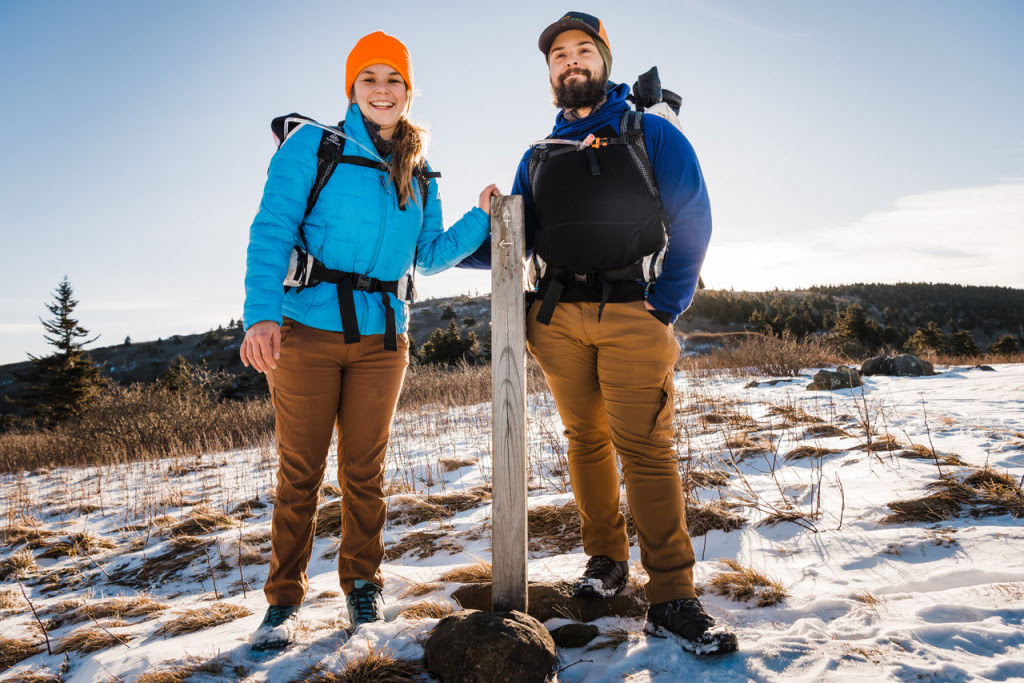
Former Volunteer Manager, Micah Tomlinson, and former MANNA Community Market Driver, Keeka Grant-Tomlinson, began hiking the Appalachian Trail together as part of Hiking for Hunger – a fundraiser created by both of them to help raise awareness of hunger and food insecurity in WNC, while also raising funds for MANNA FoodBank.
To follow along with their thru-hike and to learn more about Hiking for Hunger, Hiking for Hunger | Making miles for meals in Western North Carolina.
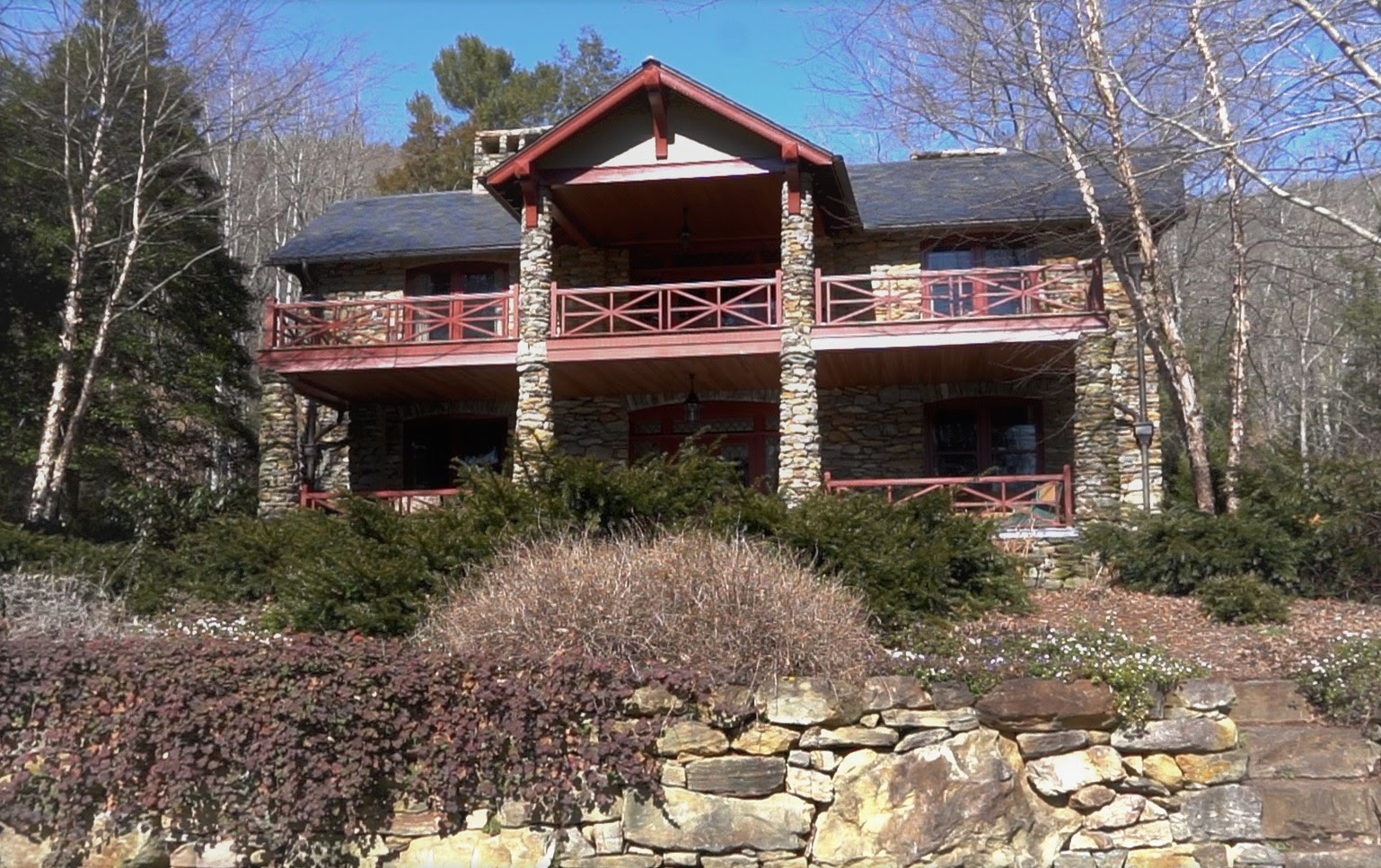
This year you can join us for the Arts & Crafts Home Tour from the comfort of your home! Tour Possum Trot and Dogwood Cottages in Albemarle Park and finish with Sondley House in Haw Creek. Due to location and accessibility, these homes would not normally be included in the tour, so this is a special treat!
This insider excursion provides you with tips and local secrets about the best way to do Asheville on a budget! You will have a better understanding of how Asheville became the unique, quirky city you see now and learn everything we are doing to “Keep Asheville Weird.” This is the only walking tour provided that allows you to choose how much you think a walking tour is worth and pay whatever you like. We will follow the urban trail, stop along the way for some free honey tastings and finish the tour with some special beer tastings at one of the best local breweries in South Slope! At the brewery, you will also be able to participate in a free raffle where you receive gifts donated from local businesses like free salsa classes, local theatre performances, books and more! I want you to know and love my city as much as I do and I am excited to share this experience with you!
Pay what you want at the end!
Downtown Tour
We will meet at Pack Square where the road cuts through the park! I will be wearing a free walking tour Tshirt
My parking recommendations are either street parking in the square or the Aloft parking deck on Biltmore Ave. If it’s a weekend, there should be free parking on the streets but be sure to check the meter! Feel free to ask any other questions you may have!
We will meet outside of the Magentic Theatre and your guide will be wearing a blue T-shirt !
I recommend parking in the public parking lot directly beside the theatre for free parking close to the meeting spot!
Hundreds of baby kittens are expected and Blue Ridge Humane Society staff are getting ready with a Kitten Shower to gather items needed to care for the most vulnerable.
The Kitten Shower will be March 21-27 and feature donation drop-off locations around Henderson County. Individuals can purchase items from the BRHS Kitten Registry at local pet supply stores or online. Items include vital supplies like kitten formula and food, kitten warmers, bottles, and supplements that give foster kittens a boost to grow into healthy adults.
Supplies can be dropped off at the following locations during the week of March 21-28:
- Barker’s Anonymous: 401 Kanuga Rd, Hendersonville, NC 28739
- PetCo Hendersonville: 118 Highlands Square Dr, Hendersonville, NC 28792
- PetSmart Hendersonville: 213 Greenville Hwy, Hendersonville, NC 28792
- Pet Source: 1927 Spartanburg Hwy, Hendersonville, NC 28792
- Wag! A Unique Pet Boutique: 231-A N. Main Street, Hendersonville, NC 28792
- BRHS Thrift Store: 1214 Greenville Hwy, Hendersonville, NC 28792
- BRHS Admin Office: 100 Chadwick Square Court, Suite B, Hendersonville, NC 28739
- BRHS Adoption Center: 88 Centipede Lane, Hendersonville, NC 28792
The full kitten supply list is available on the Blue Ridge Humane Society website at https://www.blueridgehumane.org/donate/wish-list/. There are also options available for items to be purchased online and shipped directly to Blue Ridge Humane.
Kitten lovers will also have the opportunity to Name a Kitten as part of the event with a $10 donation. As names are used over the year, donors will receive a photo of the kitten they named. Naming donations can be made online, over the phone, or via mail.
The week will include a “foster happy hour” for interested individuals to virtually meet Morgan Harrell, the Foster Program Manager, and learn more about becoming a BRHS foster parent. Registration info will be listed online on the BRHS calendar.
As the weather warms up, the birds, bees, and cats get busy. Soon, kittens start to appear in local animal shelters, “rescued” by well-meaning animal lovers. “We are coming on that time of year when animal lovers begin finding kittens outside,” says Angela Prodrick, Blue Ridge Humane’s Executive Director. “It is important to remember that the amount of community or feral cats in our county far outnumbers the number of people living in our community. If all the kittens were brought to a local shelter, the shelter would quickly become overwhelmed. If you find a kitten, there are a few simple things that you can do to help us save lives.”
Once kittens are about 6-8 weeks old, a finder can look to get them spayed or neutered and adopted into new homes. If you find kittens that are in need of care and need supplies or advice, contact the BRHS Foster and Community Outreach Team at [email protected] or (828) 393-5832. Animal lovers can also view additional resources about what to do when kittens are found at https://www.blueridgehumane.org/resources/lost-found/kittens/.
Blue Ridge Humane offers kitten care support for volunteers, as well as comprehensive training and support for fosters in the BRHS foster program. To learn more about fostering, visit https://www.blueridgehumane.org/get-involved/foster/ or contact Harrell at [email protected].
The Blue Ridge Humane Society, Inc., is a 501(c)3 animal welfare organization started in 1950 dedicated to ensuring the highest quality of life for animals in Henderson County and our neighboring communities. BRHS cares for pets awaiting adoption and in foster homes; offers low-cost vaccine clinics, animal education programs, pet training classes, and youth education and projects; coordinates community pet food assistance, emergency vet assistance, and the Spay Neuter Incentive Program (SNIP), which is a collaboration with Henderson County, the City of Hendersonville, and the Henderson County Animal Services Center.
If you believe in our cause, consider making a donation or learning how to volunteer by visiting the Blue Ridge Humane Society’s website at www.blueridgehumane.org or call (828) 692-2639.
Friday, March
26, 2021
2021 Summer Cuba Agroecology Tour
Driving Tour with Smith-McDowell House
Haunted Asheville Tour
Help Save Wild Baby Orphan Animals
Hiking for Hunger
Self-Guided WNC Tours
Southeastern Student Sustainability Conference
Victoria: The Forgotten Town Walking Tour
Virtual Arts + Crafts Home Tour
American Red Cross Be a hero Roll up a Sleeve
Smith-McDowell House Museum Open for private, pre-booked tours
Winter Nantahala Gorge Train Tour Great Smokey Mountains Railroad
American Red Cross Be a hero Roll up a Sleeve
Tuckasegee River Excursion with the Great Smoky Mountains Railroad
Tip-Based Walking Tour
Blue Ridge Humane Prepares for Kitten Season w/ Kitten Shower
Organic Growers School is partnering with Food First and Altruvistas to offer their fourth Cuba Agroecology Tour and their first such trip in the summer from June 22 through July 1, 2021, with a focus on the country’s intensive sustainable agriculture practices. The tour, to be comprised of growers, community leaders, educators, and activists who are passionate about sustainable agriculture, will begin in Havana and travel to destinations such as Pinar del Rio, Artemisa, and Matanzas. The trip offers participants on-the-ground exposure to Cuban agriculture and the food sovereignty movement and will highlight their engagement with the global food system. The intention is for participants to acquire the knowledge and strategies to create just, sustainable, local, and healthy food systems in their own communities.
Cuba has had a focus on organic agriculture production methods since the 1970s. The collapse of the Soviet Union in 1989 ended Cuba’s access to agricultural inputs overnight, propelling them into what is now known as the “Special Period”—a crisis of reduced resources and increased hunger. The country embarked on a massive and rapid conversion to agroecology in an attempt to boost food production. The tour will focus on small farmers, sustainable food systems, and national security. There are multiple opportunities in Cuba’s diverse agricultural landscape to learn many lessons and insights for the development of a secure and sustainable food system elsewhere.
“The purpose of this tour is not to romanticize or glorify Cuban agriculture,” says Sera Deva, Director of Programs with Organic Growers School and the trip organizer. “It is instead an opportunity to learn about what a country-wide commitment to sustainable, local agriculture can look like. It will broaden and deepen our region’s wisdom regarding alternative food systems. Our goals are to show our participants the importance of cooperative farming models and sustainable farming techniques, as well as encouraging them to think critically about practical and governmental structures that could support a thriving community of organic growers and consumers.”
Local partners will provide an overview of Cuban history, culture, politics, agriculture, and ecology. Additionally, the group will meet with specialists who will provide background on the country’s transition into agroecological farming practices and the national policies that prioritize organic farming and the remediation of hunger. With a firm commitment to sustainability and justice, this tour will connect participants to farmers, consumers, activists, NGOs, policymakers and experts working to transform the global food system.
Tour highlights will include the following:
- Discuss agroecology with Fernando Funes, co-author of Food First’s book Sustainable Agriculture & Resistance in Cuba.
- Visit community permaculture and agricultural education, and food conservation projects.
- Discuss changes in US-Cuba relations and how they might affect the future of tourism and agriculture in Cuba.
- Meet with the National Association for Small Farmers (ANAP) and the Ministry of Agriculture.
- Meet with a variety of small farmers and farmers’ cooperatives.
For the purposes of this trip, OGS is partnering with Food First, a “people’s think tank” dedicated to ending the injustices that cause hunger and helping communities to take back control of their food systems. Food First has been offering tours to Cuba for more than 20 years with the organizing assistance of Altruvistas, a socially responsible and philanthropic travel company that has facilitated 20,000 travelers to Cuba.
The cost of the trip is $2,950 and will serve, in part, as a fundraiser for Organic Growers School (OGS), a 501c3 non-profit organization. Thanks to a grant from the Christopher Reynolds Foundation, there are a limited number of partial scholarships for farmers and food activists to attend. This tour and all registrants will not be affected by recent political actions to restrict American travel to Cuba. Cuba is considered one of the safest destinations for travel, partially due to their diligent and holistic approaches to healthcare. Due to COVID-19, the traveling climate of the US (as well as tourist restrictions in Cuba) is changing daily. Cuba has implemented many of the same precautionary measures implemented around the world to minimize the spread of COVID-19 including social distancing, limiting travel to the island completely through the summer, and closing schools. In early November 2020, Cuba reopened its borders to travelers.
Potential tour participants can visit the OGS FAQ page which answers questions such as, “Why Cuba?,” “What are the legal considerations when traveling to Cuba?,” “Why ravel with Organic Growers School?,” “What does the tuition cover?,” and “What can I expect to experience?” Traveler testimonials from previous trips, the full itinerary, as well as a photo gallery can also be found on the website.
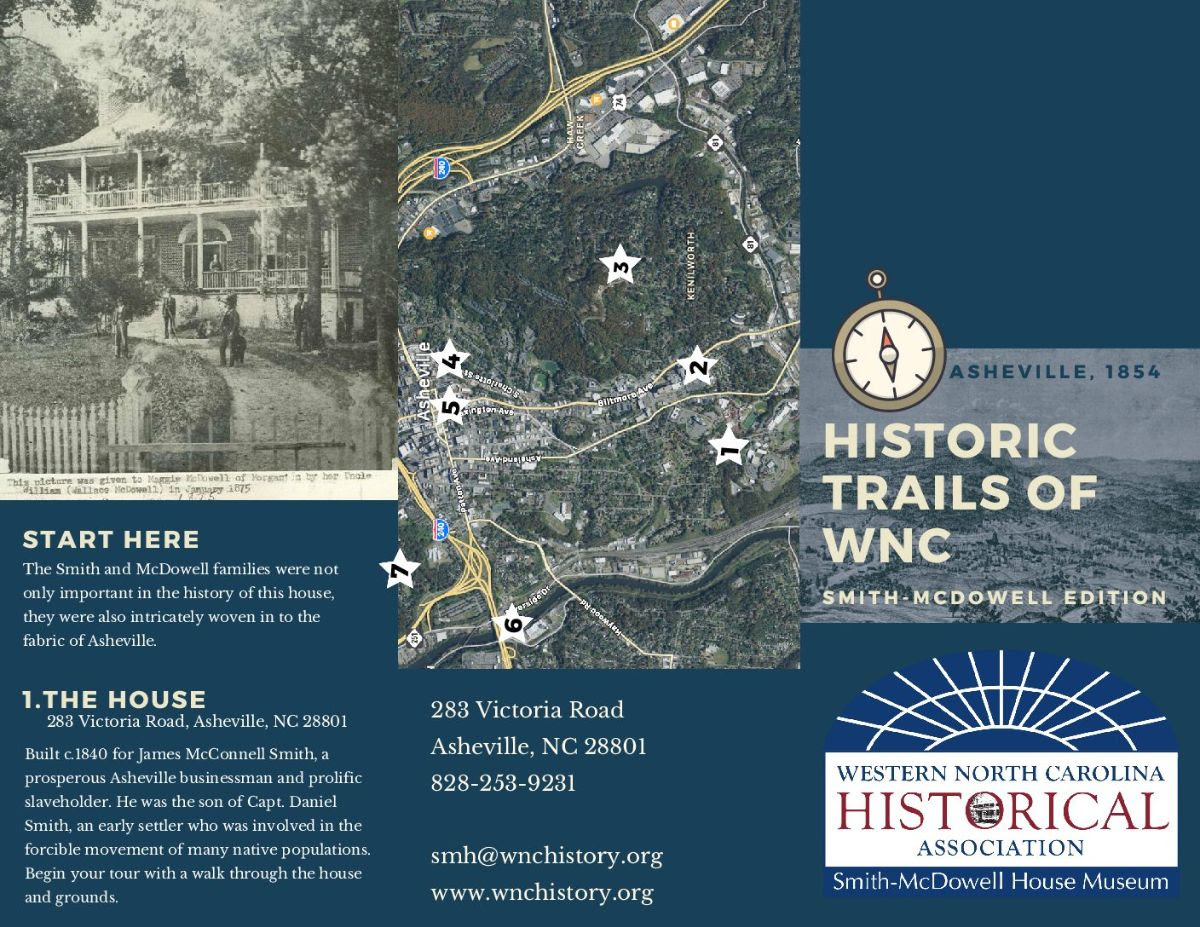 |
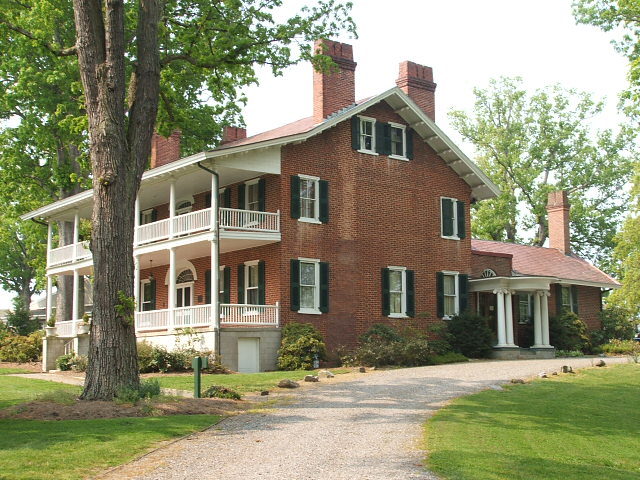
| The residents of the Smith-McDowell House and grounds were woven in to the fabric of Asheville.
This driving tour begins at the Smith-McDowell House Museum on the campus of A-B Tech and continues through historic sites related to early occupants of the house. |
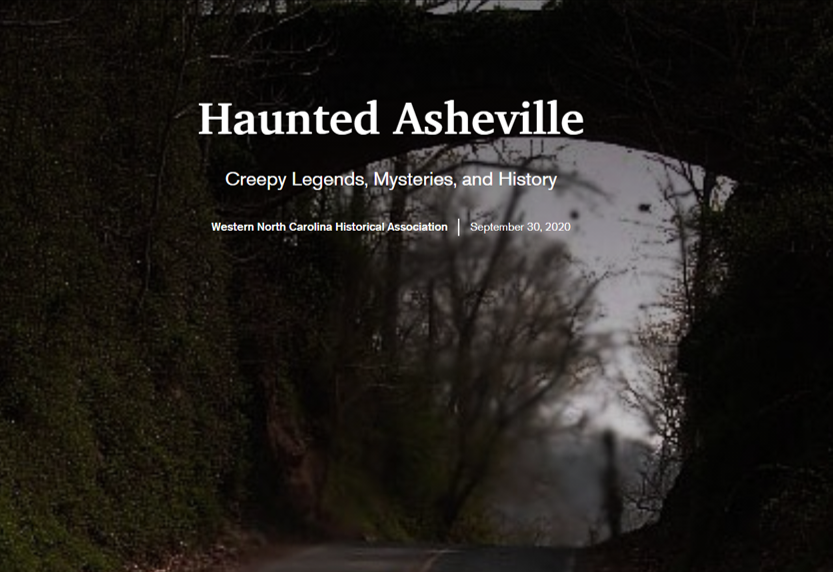 |
| Asheville, and the surrounding mountains, have also hosted numerous writers, musicians, and folklorists who have promoted (if not possibly created) some of these legends. Perhaps these are some of the reasons lore permeates the streets, hills, and valleys of this mountain city. You can see many of these sites for yourself, if you dare. |

Appalachian Wild provides injured and orphaned wild animals a place to go for care and treatment to give them a second chance at life in the wild. Help the wild ones today!
Former Volunteer Manager, Micah Tomlinson, and former MANNA Community Market Driver, Keeka Grant-Tomlinson, began hiking the Appalachian Trail together as part of Hiking for Hunger – a fundraiser created by both of them to help raise awareness of hunger and food insecurity in WNC, while also raising funds for MANNA FoodBank.
To follow along with their thru-hike and to learn more about Hiking for Hunger, Hiking for Hunger | Making miles for meals in Western North Carolina.
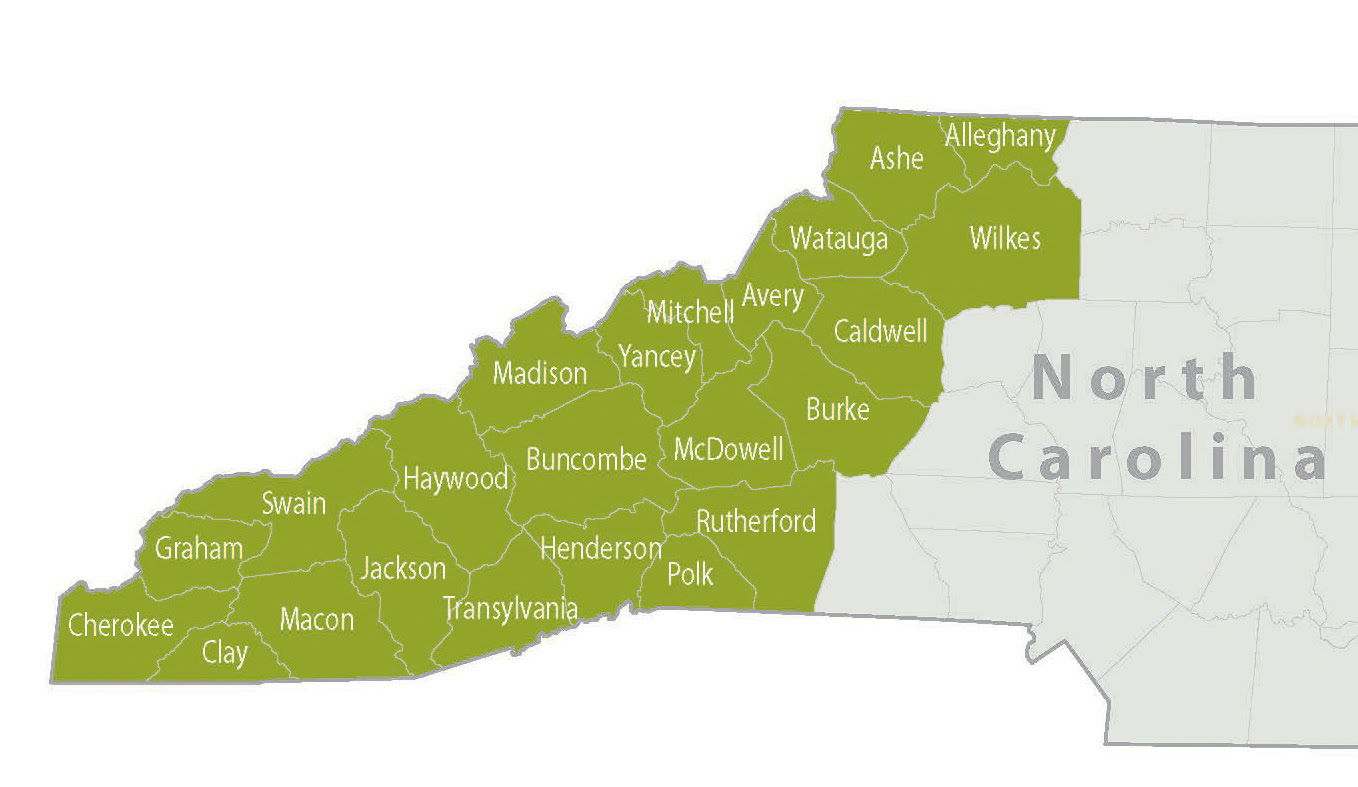 |
| Western North Carolina is defined as much by the various chains and valleys within the Appalachian Mountains as it is by the various people here. The region contains large swaths of national forest lands and the Great Smoky Mountains National Park. It contains old rivers and old folkways, along with an increasingly large stream of transplants and temporary visitors. This virtual tour gives a broad overview of our region. |

This annual conference brings together student EcoReps, sustainability interns, and faculty and staff advisers from around the region for a weekend of peer leadership training and collaboration. This conference is a great opportunity to learn from your peers, share your successes (and get constructive feedback), and get inspiration you can bring back to your own campus.
Key topics in 2021 will include:
• Justice, Equity, Diversity, & Inclusion in our work
• Effective Student Leadership/ Peer 2 Peer education
• Zero Waste initiatives
• Educational initiatives & events
• Adapting to COVID-19
• Translating student visions into institutional action
This conference will be held VIRTUALLY due to the ongoing COVID-19 Pandemic.
Register
There is no fee to attend, however, you must register to participate in the virtual sessions. The registration deadline is Friday, March 19 at midnight.
 |
| Contained by its larger growing neighbor (Asheville), the French Broad and Swannanoa rivers, and the Southern Railway line, the Town of Victoria existed from 1887 until 1905, when it was absorbed into Asheville. The community—which included the Smith-McDowell House and Fernihurst mansion—originally incorporated into a town to prevent unwanted development (particularly from the Vanderbilts). |
This year you can join us for the Arts & Crafts Home Tour from the comfort of your home! Tour Possum Trot and Dogwood Cottages in Albemarle Park and finish with Sondley House in Haw Creek. Due to location and accessibility, these homes would not normally be included in the tour, so this is a special treat!
March is Red Cross Month, and for more than 130 years, heroic American Red Cross volunteers have provided hope and urgent relief to families in communities across the country.
This March the community is invited to join in the lifesaving mission of the Red Cross and be
someone’s hero by rolling up a sleeve to give blood.
According to the Red Cross, someone in the U.S. needs blood every two seconds to respond to
patient emergencies. Accident and burn victims, heart surgery and organ transplant patients,
and those receiving treatment for leukemia, cancer or sickle cell disease may all require blood.
All blood types are needed.
Be a hero in your community by rolling up a sleeve….
To make an appointment or to learn more, download the American Red Cross Blood Donor
App, visit RedCrossBlood.org, call 1-800-RED CROSS (1-800-733-2767) or enable the Blood
Donor Skill on any Alexa Echo device. Completion of a RapidPass® online health history
questionnaire is encouraged to help speed up the donation process. To get started, follow the
instructions at RedCrossBlood.org/RapidPass or use the Blood Donor App. A blood donor card
or driver’s license or two other forms of identification are required at check-in. Individuals who
are 17 years of age in most states (16 with parental consent where allowed by state law), weigh
at least 110 pounds and are in generally good health may be eligible to donate blood. High
school students and other donors 18 years of age and younger also have to meet certain height
and weight requirements.
We are OPEN Fridays and Saturdays
for private, pre-booked tours at:
10:30 AM
12:00 PM
1:30 PM
3:00 PM

Enjoy the sights and sounds of the Great Smoky Mountains while traveling along the Tennessee and Nantahala (nan-tuh-HAY-luh) River.The historic trellis bridge Fontana Trestle takes you across Fontana Lake and into the beautiful Nantahala Gorge. Onboard dining is available by selecting our First Class Seating option or pre-purchasing one of our boxed lunches, an amazing unique moving dining experience. Arrive at our layover destination in the heart of the Nantahala Gorge for a one-hour layover where you can relax by the river or enjoy sightseeing!
We are operating under all current COVID-19 safety guidelines and ask that you follow all protocols. Find the information HERE! *Please be aware dining options are currently not available at your layover destination. You are advised to enjoy onboard dining by pre-purchasing a box lunch meal option along with your train tickets.*
Plan on being here by 1 hour before your departure.
March is Red Cross Month, and for more than 130 years, heroic American Red Cross volunteers have provided hope and urgent relief to families in communities across the country.
This March the community is invited to join in the lifesaving mission of the Red Cross and be
someone’s hero by rolling up a sleeve to give blood.
According to the Red Cross, someone in the U.S. needs blood every two seconds to respond to
patient emergencies. Accident and burn victims, heart surgery and organ transplant patients,
and those receiving treatment for leukemia, cancer or sickle cell disease may all require blood.
All blood types are needed.
Be a hero in your community by rolling up a sleeve….
To make an appointment or to learn more, download the American Red Cross Blood Donor
App, visit RedCrossBlood.org, call 1-800-RED CROSS (1-800-733-2767) or enable the Blood
Donor Skill on any Alexa Echo device. Completion of a RapidPass® online health history
questionnaire is encouraged to help speed up the donation process. To get started, follow the
instructions at RedCrossBlood.org/RapidPass or use the Blood Donor App. A blood donor card
or driver’s license or two other forms of identification are required at check-in. Individuals who
are 17 years of age in most states (16 with parental consent where allowed by state law), weigh
at least 110 pounds and are in generally good health may be eligible to donate blood. High
school students and other donors 18 years of age and younger also have to meet certain height
and weight requirements.

Join us for a relaxing ride through quiet countryside on your way to small town life in western North Carolina on the Tuckasegee River Excursion. Departing from Bryson City, this 4 hour excursion travels 32 miles round-trip to Dillsboro and back to the Bryson City Depot. Pass by the famous movie set of The Fugitive starring Harrison Ford!
The Tuckasegee (tuck-uh-SEE-jee) River Excursion includes an 1½ hour layover in the historic town of Dillsboro, where you’ll find more than 50 shops, restaurants, bed and breakfasts and country inns. There is time to shop, snack, and visit the many unique shops before returning to Bryson City.
This insider excursion provides you with tips and local secrets about the best way to do Asheville on a budget! You will have a better understanding of how Asheville became the unique, quirky city you see now and learn everything we are doing to “Keep Asheville Weird.” This is the only walking tour provided that allows you to choose how much you think a walking tour is worth and pay whatever you like. We will follow the urban trail, stop along the way for some free honey tastings and finish the tour with some special beer tastings at one of the best local breweries in South Slope! At the brewery, you will also be able to participate in a free raffle where you receive gifts donated from local businesses like free salsa classes, local theatre performances, books and more! I want you to know and love my city as much as I do and I am excited to share this experience with you!
Pay what you want at the end!
Downtown Tour
We will meet at Pack Square where the road cuts through the park! I will be wearing a free walking tour Tshirt
My parking recommendations are either street parking in the square or the Aloft parking deck on Biltmore Ave. If it’s a weekend, there should be free parking on the streets but be sure to check the meter! Feel free to ask any other questions you may have!
River Arts Tour
We will meet outside of the Magentic Theatre and your guide will be wearing a blue T-shirt !
I recommend parking in the public parking lot directly beside the theatre for free parking close to the meeting spot!
Hundreds of baby kittens are expected and Blue Ridge Humane Society staff are getting ready with a Kitten Shower to gather items needed to care for the most vulnerable.
The Kitten Shower will be March 21-27 and feature donation drop-off locations around Henderson County. Individuals can purchase items from the BRHS Kitten Registry at local pet supply stores or online. Items include vital supplies like kitten formula and food, kitten warmers, bottles, and supplements that give foster kittens a boost to grow into healthy adults.
Supplies can be dropped off at the following locations during the week of March 21-28:
- Barker’s Anonymous: 401 Kanuga Rd, Hendersonville, NC 28739
- PetCo Hendersonville: 118 Highlands Square Dr, Hendersonville, NC 28792
- PetSmart Hendersonville: 213 Greenville Hwy, Hendersonville, NC 28792
- Pet Source: 1927 Spartanburg Hwy, Hendersonville, NC 28792
- Wag! A Unique Pet Boutique: 231-A N. Main Street, Hendersonville, NC 28792
- BRHS Thrift Store: 1214 Greenville Hwy, Hendersonville, NC 28792
- BRHS Admin Office: 100 Chadwick Square Court, Suite B, Hendersonville, NC 28739
- BRHS Adoption Center: 88 Centipede Lane, Hendersonville, NC 28792
The full kitten supply list is available on the Blue Ridge Humane Society website at https://www.blueridgehumane.org/donate/wish-list/. There are also options available for items to be purchased online and shipped directly to Blue Ridge Humane.
Kitten lovers will also have the opportunity to Name a Kitten as part of the event with a $10 donation. As names are used over the year, donors will receive a photo of the kitten they named. Naming donations can be made online, over the phone, or via mail.
The week will include a “foster happy hour” for interested individuals to virtually meet Morgan Harrell, the Foster Program Manager, and learn more about becoming a BRHS foster parent. Registration info will be listed online on the BRHS calendar.
As the weather warms up, the birds, bees, and cats get busy. Soon, kittens start to appear in local animal shelters, “rescued” by well-meaning animal lovers. “We are coming on that time of year when animal lovers begin finding kittens outside,” says Angela Prodrick, Blue Ridge Humane’s Executive Director. “It is important to remember that the amount of community or feral cats in our county far outnumbers the number of people living in our community. If all the kittens were brought to a local shelter, the shelter would quickly become overwhelmed. If you find a kitten, there are a few simple things that you can do to help us save lives.”
Once kittens are about 6-8 weeks old, a finder can look to get them spayed or neutered and adopted into new homes. If you find kittens that are in need of care and need supplies or advice, contact the BRHS Foster and Community Outreach Team at [email protected] or (828) 393-5832. Animal lovers can also view additional resources about what to do when kittens are found at https://www.blueridgehumane.org/resources/lost-found/kittens/.
Blue Ridge Humane offers kitten care support for volunteers, as well as comprehensive training and support for fosters in the BRHS foster program. To learn more about fostering, visit https://www.blueridgehumane.org/get-involved/foster/ or contact Harrell at [email protected].
The Blue Ridge Humane Society, Inc., is a 501(c)3 animal welfare organization started in 1950 dedicated to ensuring the highest quality of life for animals in Henderson County and our neighboring communities. BRHS cares for pets awaiting adoption and in foster homes; offers low-cost vaccine clinics, animal education programs, pet training classes, and youth education and projects; coordinates community pet food assistance, emergency vet assistance, and the Spay Neuter Incentive Program (SNIP), which is a collaboration with Henderson County, the City of Hendersonville, and the Henderson County Animal Services Center.
If you believe in our cause, consider making a donation or learning how to volunteer by visiting the Blue Ridge Humane Society’s website at www.blueridgehumane.org or call (828) 692-2639.
Saturday, March
27, 2021
2021 Summer Cuba Agroecology Tour
Driving Tour with Smith-McDowell House
Haunted Asheville Tour
Help Save Wild Baby Orphan Animals
Hiking for Hunger
Self-Guided WNC Tours
Southeastern Student Sustainability Conference
Victoria: The Forgotten Town Walking Tour
Virtual Arts + Crafts Home Tour
Organic Growers School is partnering with Food First and Altruvistas to offer their fourth Cuba Agroecology Tour and their first such trip in the summer from June 22 through July 1, 2021, with a focus on the country’s intensive sustainable agriculture practices. The tour, to be comprised of growers, community leaders, educators, and activists who are passionate about sustainable agriculture, will begin in Havana and travel to destinations such as Pinar del Rio, Artemisa, and Matanzas. The trip offers participants on-the-ground exposure to Cuban agriculture and the food sovereignty movement and will highlight their engagement with the global food system. The intention is for participants to acquire the knowledge and strategies to create just, sustainable, local, and healthy food systems in their own communities.
Cuba has had a focus on organic agriculture production methods since the 1970s. The collapse of the Soviet Union in 1989 ended Cuba’s access to agricultural inputs overnight, propelling them into what is now known as the “Special Period”—a crisis of reduced resources and increased hunger. The country embarked on a massive and rapid conversion to agroecology in an attempt to boost food production. The tour will focus on small farmers, sustainable food systems, and national security. There are multiple opportunities in Cuba’s diverse agricultural landscape to learn many lessons and insights for the development of a secure and sustainable food system elsewhere.
“The purpose of this tour is not to romanticize or glorify Cuban agriculture,” says Sera Deva, Director of Programs with Organic Growers School and the trip organizer. “It is instead an opportunity to learn about what a country-wide commitment to sustainable, local agriculture can look like. It will broaden and deepen our region’s wisdom regarding alternative food systems. Our goals are to show our participants the importance of cooperative farming models and sustainable farming techniques, as well as encouraging them to think critically about practical and governmental structures that could support a thriving community of organic growers and consumers.”
Local partners will provide an overview of Cuban history, culture, politics, agriculture, and ecology. Additionally, the group will meet with specialists who will provide background on the country’s transition into agroecological farming practices and the national policies that prioritize organic farming and the remediation of hunger. With a firm commitment to sustainability and justice, this tour will connect participants to farmers, consumers, activists, NGOs, policymakers and experts working to transform the global food system.
Tour highlights will include the following:
- Discuss agroecology with Fernando Funes, co-author of Food First’s book Sustainable Agriculture & Resistance in Cuba.
- Visit community permaculture and agricultural education, and food conservation projects.
- Discuss changes in US-Cuba relations and how they might affect the future of tourism and agriculture in Cuba.
- Meet with the National Association for Small Farmers (ANAP) and the Ministry of Agriculture.
- Meet with a variety of small farmers and farmers’ cooperatives.
For the purposes of this trip, OGS is partnering with Food First, a “people’s think tank” dedicated to ending the injustices that cause hunger and helping communities to take back control of their food systems. Food First has been offering tours to Cuba for more than 20 years with the organizing assistance of Altruvistas, a socially responsible and philanthropic travel company that has facilitated 20,000 travelers to Cuba.
The cost of the trip is $2,950 and will serve, in part, as a fundraiser for Organic Growers School (OGS), a 501c3 non-profit organization. Thanks to a grant from the Christopher Reynolds Foundation, there are a limited number of partial scholarships for farmers and food activists to attend. This tour and all registrants will not be affected by recent political actions to restrict American travel to Cuba. Cuba is considered one of the safest destinations for travel, partially due to their diligent and holistic approaches to healthcare. Due to COVID-19, the traveling climate of the US (as well as tourist restrictions in Cuba) is changing daily. Cuba has implemented many of the same precautionary measures implemented around the world to minimize the spread of COVID-19 including social distancing, limiting travel to the island completely through the summer, and closing schools. In early November 2020, Cuba reopened its borders to travelers.
Potential tour participants can visit the OGS FAQ page which answers questions such as, “Why Cuba?,” “What are the legal considerations when traveling to Cuba?,” “Why ravel with Organic Growers School?,” “What does the tuition cover?,” and “What can I expect to experience?” Traveler testimonials from previous trips, the full itinerary, as well as a photo gallery can also be found on the website.
|
| The residents of the Smith-McDowell House and grounds were woven in to the fabric of Asheville.
This driving tour begins at the Smith-McDowell House Museum on the campus of A-B Tech and continues through historic sites related to early occupants of the house. |
|
| Asheville, and the surrounding mountains, have also hosted numerous writers, musicians, and folklorists who have promoted (if not possibly created) some of these legends. Perhaps these are some of the reasons lore permeates the streets, hills, and valleys of this mountain city. You can see many of these sites for yourself, if you dare. |
Appalachian Wild provides injured and orphaned wild animals a place to go for care and treatment to give them a second chance at life in the wild. Help the wild ones today!
Former Volunteer Manager, Micah Tomlinson, and former MANNA Community Market Driver, Keeka Grant-Tomlinson, began hiking the Appalachian Trail together as part of Hiking for Hunger – a fundraiser created by both of them to help raise awareness of hunger and food insecurity in WNC, while also raising funds for MANNA FoodBank.
To follow along with their thru-hike and to learn more about Hiking for Hunger, Hiking for Hunger | Making miles for meals in Western North Carolina.
|
| Western North Carolina is defined as much by the various chains and valleys within the Appalachian Mountains as it is by the various people here. The region contains large swaths of national forest lands and the Great Smoky Mountains National Park. It contains old rivers and old folkways, along with an increasingly large stream of transplants and temporary visitors. This virtual tour gives a broad overview of our region. |
This annual conference brings together student EcoReps, sustainability interns, and faculty and staff advisers from around the region for a weekend of peer leadership training and collaboration. This conference is a great opportunity to learn from your peers, share your successes (and get constructive feedback), and get inspiration you can bring back to your own campus.
Key topics in 2021 will include:
• Justice, Equity, Diversity, & Inclusion in our work
• Effective Student Leadership/ Peer 2 Peer education
• Zero Waste initiatives
• Educational initiatives & events
• Adapting to COVID-19
• Translating student visions into institutional action
This conference will be held VIRTUALLY due to the ongoing COVID-19 Pandemic.
Register
There is no fee to attend, however, you must register to participate in the virtual sessions. The registration deadline is Friday, March 19 at midnight.
|
| Contained by its larger growing neighbor (Asheville), the French Broad and Swannanoa rivers, and the Southern Railway line, the Town of Victoria existed from 1887 until 1905, when it was absorbed into Asheville. The community—which included the Smith-McDowell House and Fernihurst mansion—originally incorporated into a town to prevent unwanted development (particularly from the Vanderbilts). |
This year you can join us for the Arts & Crafts Home Tour from the comfort of your home! Tour Possum Trot and Dogwood Cottages in Albemarle Park and finish with Sondley House in Haw Creek. Due to location and accessibility, these homes would not normally be included in the tour, so this is a special treat!