

River Arts Tour
Calendar of Events
Upcoming events and things to do in Asheville, NC. Below is a list of events for festivals, concerts, art exhibitions, group meetups and more.
Interested in adding an event to our calendar? Please click the green “Post Your Event” button below.
Thursday, April
8, 2021
CRAFT Farm Tours

Virtual Arts + Crafts Home Tour
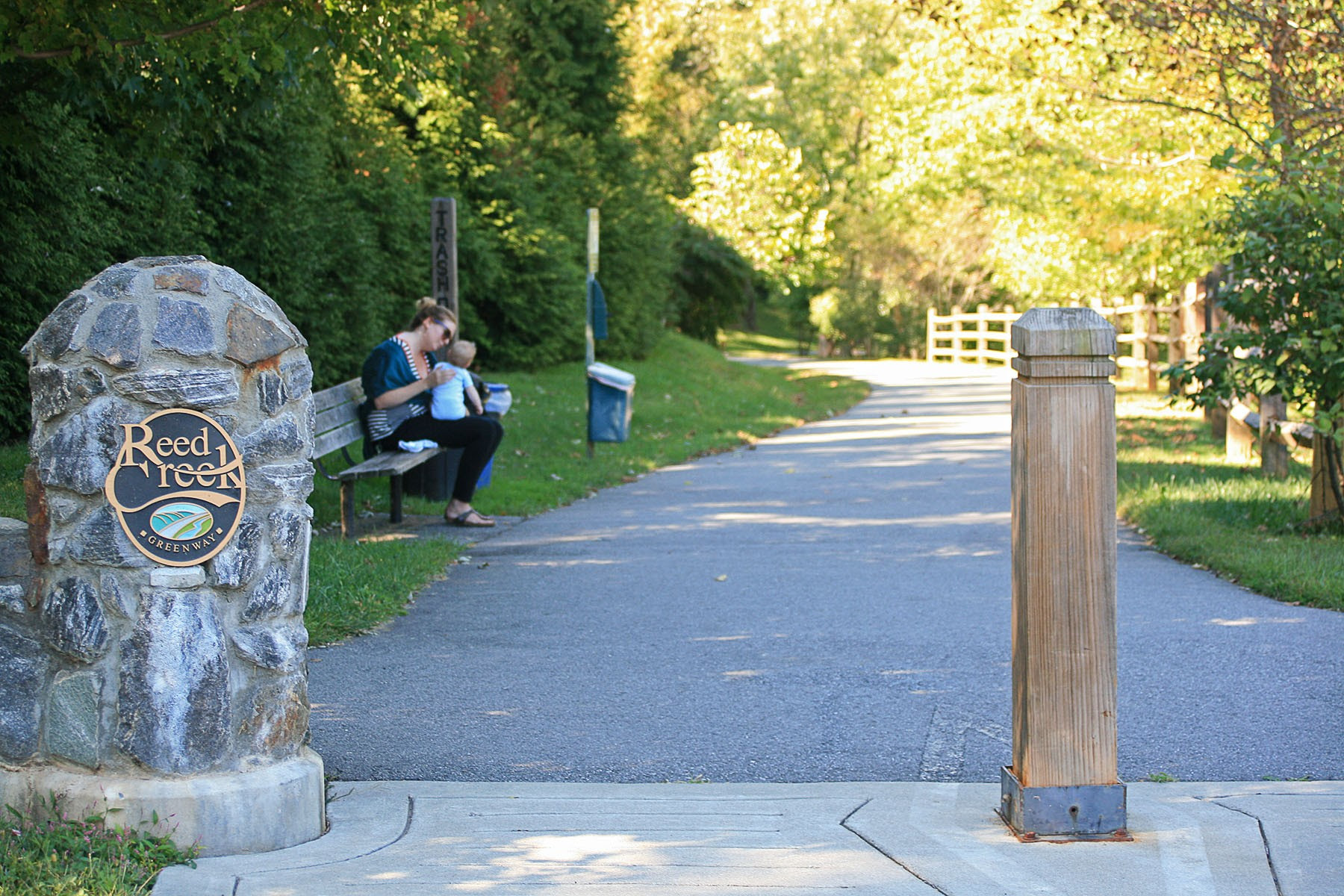
Tour a Local Greenway w/ GPS based tour app: TravelStorys
Biltmore Gardens Railway
Biltmore: Stickwork by Patrick Dougherty
Kids Vote for the North Carolina Children’s Book Awards
Tip-Based Walking Tour
Live stream Reader Meet Writer: Whisper Down the Lane with Clay McLeod Chapman

Farmers learn best from other farmers, and aspiring farmers learn best from hearing how successful farmers in the region are running their farms. Farm Tours form the core of the WNC CRAFT training program.
Tours will:
- occur once a month from April – August 2021 (5 tours) & be a mix of in person and virtual
- provide an overview of the farming operation, as well as a focused look at a topic of that farmer’s choosing;
- at this time, we will not be hosting potlucks, but will notify you about food and beverage protocol for each specific tour.
WNC CRAFT is a membership program, and its fees cover a whole year of learning and networking opportunities. More details will be provided on each tour upon joining CRAFT.
CRAFT Farm Tour Schedule 2021
| DATE | FARM HOST | TOPIC |
|---|---|---|
| Thursday, April 8 | IN PERSON: Thatchmore Farm | Greenhouse Crop Production In Wood-Heated Greenhouses |
| Thursday, May 20 | IN PERSON: Grassroots Farm & Dairy | Small Scale Sheep Dairy |
| June date TBD | IN PERSON: Full Sun Farm | Topic TBD |
| Sunday, July 25 | IN PERSON: A Way of Life Farm | No Till Techniques on a Vegetable Farm |
| Sunday, August 22 | VIRTUAL: Black Trumpet Farm | Specialty Mushroom Production |
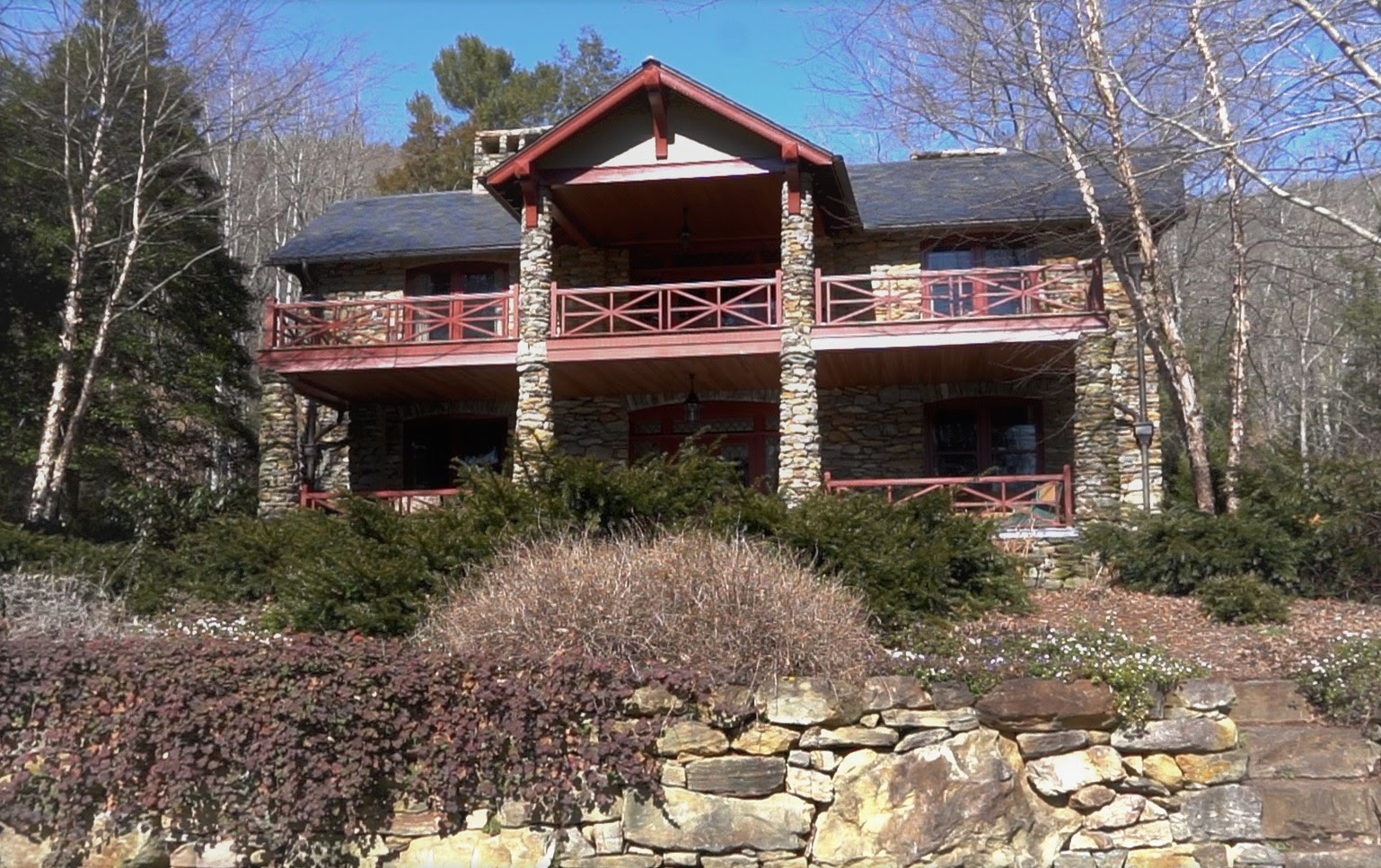
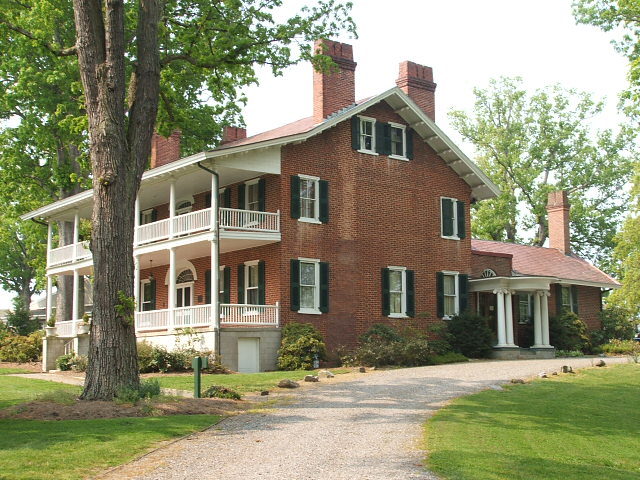
This year you can join us for the Arts & Crafts Home Tour from the comfort of your home! Tour Possum Trot and Dogwood Cottages in Albemarle Park and finish with Sondley House in Haw Creek. Due to location and accessibility, these homes would not normally be included in the tour, so this is a special treat!
|
|
Included with admission
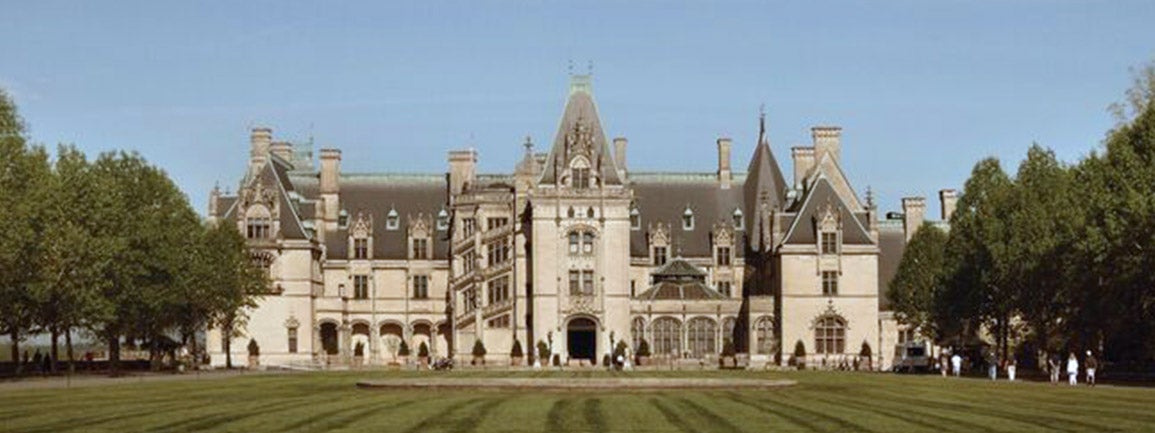
Our fun-for-all-ages botanical model train displays invite you to experience our grounds in an engaging new way. Located in the Conservatory in the Walled Garden, the displays feature replicas of structures connected with Biltmore and its founder George Vanderbilt. Each beautifully executed piece was handcrafted from such natural elements as leaves, bark, and twigs.
In compliance with state and local mandates related to COVID-19, all guests must enter the Conservatory via the ADA entrance in the back and follow a one-way route.
Included with admission
A unique-to-Biltmore, large-scale outdoor sculpture will be crafted and installed in Antler Hill Village this spring by Patrick Dougherty. Over the last three decades, this internationally-acclaimed artist has combined his carpentry skills and love of nature to build over 300 of these wondrous works, captivating the hearts and imaginations of viewers worldwide.
Image: Close Ties (2006) Scottish Basketmakers Circle, Dingwall, Scotland. Photo: Fin Macrae
NOTE: This is an example of Patrick Dougherty’s work; the artist will create Biltmore’s unique structure in Antler Hill Village this spring.

It’s time for kids to vote for their favorite books!
Throughout the month of March, kids can vote for the NC Children’s Book Award by visiting any Buncombe County Public Library location. The North Carolina Children’s Book Award is a children’s choice program sponsored by school and public librarians in North Carolina. The awards are designed to introduce kids to books and to instill a lifelong love of reading.
The Library has partnered with the Board of Elections to provide official voting booths for kids to vote.
Kids can vote in person at any of these libraries between March 2 and March 31:
- Enka-Candler
- Fairview
- North Asheville
- Pack Memorial
- South Buncombe
- Swannanoa
- Weaverville
- West Asheville
Kids can also vote “absentee” by asking for a ballot at any library, or they can drop their completed ballot in our book drop before the end of March to “mail in” their vote.
You are eligible to vote if 1) You’re a kid and 2) You’ve read or listened to at least 5 of the picture book nominees and/or 3) You’ve read or listened to at least 3 of the junior book nominees. Kids may vote for each category if they have read or listened to the required number of titles.
For more information on the NC Children’s Book Award and a list of the nominees, please visit the North Carolina Children’s Book Award.
If you’d like to have the picture books read to you, just click the “Read Aloud” link under any book.
Any questions? Contact your friendly neighborhood librarian.
This insider excursion provides you with tips and local secrets about the best way to do Asheville on a budget! You will have a better understanding of how Asheville became the unique, quirky city you see now and learn everything we are doing to “Keep Asheville Weird.” This is the only walking tour provided that allows you to choose how much you think a walking tour is worth and pay whatever you like. We will follow the urban trail, stop along the way for some free honey tastings and finish the tour with some special beer tastings at one of the best local breweries in South Slope! At the brewery, you will also be able to participate in a free raffle where you receive gifts donated from local businesses like free salsa classes, local theatre performances, books and more! I want you to know and love my city as much as I do and I am excited to share this experience with you!
Pay what you want at the end!
Downtown Tour
We will meet at Pack Square where the road cuts through the park! I will be wearing a free walking tour Tshirt
My parking recommendations are either street parking in the square or the Aloft parking deck on Biltmore Ave. If it’s a weekend, there should be free parking on the streets but be sure to check the meter! Feel free to ask any other questions you may have!
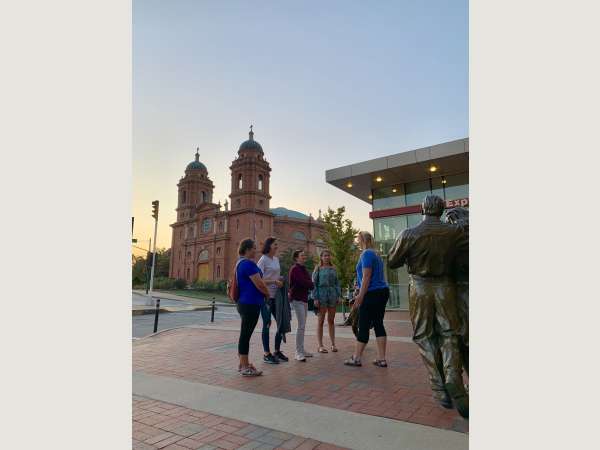
We will meet outside of the Magentic Theatre and your guide will be wearing a blue T-shirt !
I recommend parking in the public parking lot directly beside the theatre for free parking close to the meeting spot!
We’re pleased to be part of the Reader Meet Writer series of online events hosted by the Southern Independent Booksellers Alliance.
This event is free but registration is required . Prior to the event we will send an email with the link required to complete your registration and attend on Zoom.
Richard doesn’t have a past. For him, there is only the present: a new marriage to Tamara, a first chance at fatherhood to her son Elijah, and a quiet but pleasant life as an art teacher at Elijah’s elementary school in Danvers, Virginia. Then the body of a rabbit, ritualistically murdered, appears on the school grounds with a birthday card for Richard tucked beneath it. Richard doesn’t have a birthday—but Sean does…
Sean is a five-year-old boy who has just moved to Greenfield, Virginia, with his mother. Like most mothers of the 1980s, she’s worried about bills, childcare, putting food on the table…and an encroaching threat to American life that can take the face of anyone: a politician, a friendly neighbor, or even a teacher. When Sean’s school sends a letter to the parents revealing that Sean’s favorite teacher is under investigation, a white lie from Sean lights a fire that engulfs the entire nation—and Sean and his mother are left holding the match.
Now, thirty years later, someone is here to remind Richard that they remember what Sean did. And though Sean doesn’t exist anymore, someone needs to pay the price for his lies.
Clay McLeod Chapman writes novels, comic books, and children’s books, as well as for film and TV. He is the author of the horror novels The Remaking and Whisper Down the Lane. Visit him at claymcleodchapman.com.
Event date:
Friday, April
9, 2021
2021 Summer Cuba Agroecology Tour
Driving Tour with Smith-McDowell House
Haunted Asheville Tour
Self-Guided WNC Tours
Victoria: The Forgotten Town Walking Tour
Virtual Arts + Crafts Home Tour
Wild and Furry Animals Book Donates to Help Wildlife
Tour a Local Greenway w/ GPS based tour app: TravelStorys
Biltmore Gardens Railway
Biltmore: Stickwork by Patrick Dougherty
Kids Vote for the North Carolina Children’s Book Awards
Smith-McDowell House Museum Open for private, pre-booked tours
Tip-Based Walking Tour
Organic Growers School is partnering with Food First and Altruvistas to offer their fourth Cuba Agroecology Tour and their first such trip in the summer from June 22 through July 1, 2021, with a focus on the country’s intensive sustainable agriculture practices. The tour, to be comprised of growers, community leaders, educators, and activists who are passionate about sustainable agriculture, will begin in Havana and travel to destinations such as Pinar del Rio, Artemisa, and Matanzas. The trip offers participants on-the-ground exposure to Cuban agriculture and the food sovereignty movement and will highlight their engagement with the global food system. The intention is for participants to acquire the knowledge and strategies to create just, sustainable, local, and healthy food systems in their own communities.
Cuba has had a focus on organic agriculture production methods since the 1970s. The collapse of the Soviet Union in 1989 ended Cuba’s access to agricultural inputs overnight, propelling them into what is now known as the “Special Period”—a crisis of reduced resources and increased hunger. The country embarked on a massive and rapid conversion to agroecology in an attempt to boost food production. The tour will focus on small farmers, sustainable food systems, and national security. There are multiple opportunities in Cuba’s diverse agricultural landscape to learn many lessons and insights for the development of a secure and sustainable food system elsewhere.
“The purpose of this tour is not to romanticize or glorify Cuban agriculture,” says Sera Deva, Director of Programs with Organic Growers School and the trip organizer. “It is instead an opportunity to learn about what a country-wide commitment to sustainable, local agriculture can look like. It will broaden and deepen our region’s wisdom regarding alternative food systems. Our goals are to show our participants the importance of cooperative farming models and sustainable farming techniques, as well as encouraging them to think critically about practical and governmental structures that could support a thriving community of organic growers and consumers.”
Local partners will provide an overview of Cuban history, culture, politics, agriculture, and ecology. Additionally, the group will meet with specialists who will provide background on the country’s transition into agroecological farming practices and the national policies that prioritize organic farming and the remediation of hunger. With a firm commitment to sustainability and justice, this tour will connect participants to farmers, consumers, activists, NGOs, policymakers and experts working to transform the global food system.
Tour highlights will include the following:
- Discuss agroecology with Fernando Funes, co-author of Food First’s book Sustainable Agriculture & Resistance in Cuba.
- Visit community permaculture and agricultural education, and food conservation projects.
- Discuss changes in US-Cuba relations and how they might affect the future of tourism and agriculture in Cuba.
- Meet with the National Association for Small Farmers (ANAP) and the Ministry of Agriculture.
- Meet with a variety of small farmers and farmers’ cooperatives.
For the purposes of this trip, OGS is partnering with Food First, a “people’s think tank” dedicated to ending the injustices that cause hunger and helping communities to take back control of their food systems. Food First has been offering tours to Cuba for more than 20 years with the organizing assistance of Altruvistas, a socially responsible and philanthropic travel company that has facilitated 20,000 travelers to Cuba.
The cost of the trip is $2,950 and will serve, in part, as a fundraiser for Organic Growers School (OGS), a 501c3 non-profit organization. Thanks to a grant from the Christopher Reynolds Foundation, there are a limited number of partial scholarships for farmers and food activists to attend. This tour and all registrants will not be affected by recent political actions to restrict American travel to Cuba. Cuba is considered one of the safest destinations for travel, partially due to their diligent and holistic approaches to healthcare. Due to COVID-19, the traveling climate of the US (as well as tourist restrictions in Cuba) is changing daily. Cuba has implemented many of the same precautionary measures implemented around the world to minimize the spread of COVID-19 including social distancing, limiting travel to the island completely through the summer, and closing schools. In early November 2020, Cuba reopened its borders to travelers.
Potential tour participants can visit the OGS FAQ page which answers questions such as, “Why Cuba?,” “What are the legal considerations when traveling to Cuba?,” “Why ravel with Organic Growers School?,” “What does the tuition cover?,” and “What can I expect to experience?” Traveler testimonials from previous trips, the full itinerary, as well as a photo gallery can also be found on the website.
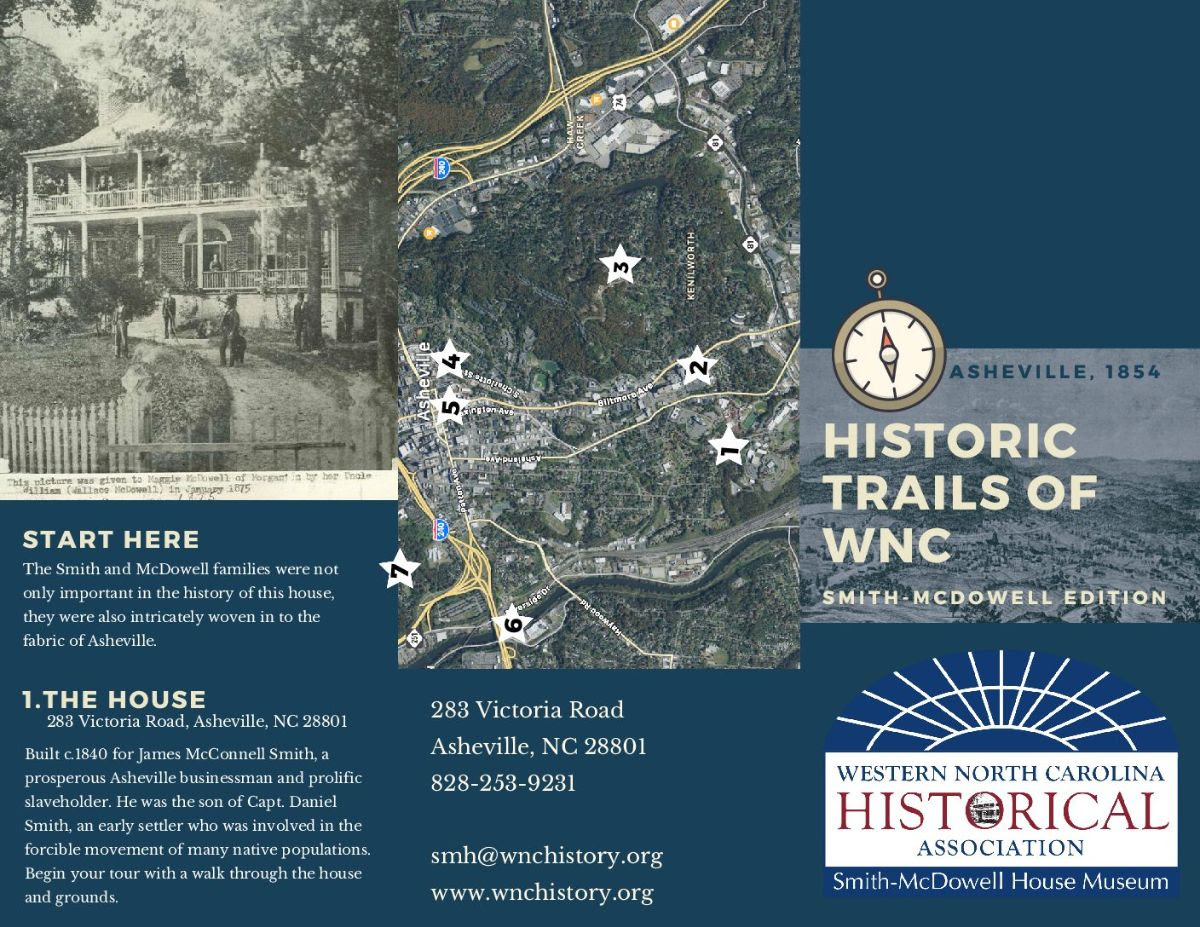 |
| The residents of the Smith-McDowell House and grounds were woven in to the fabric of Asheville.
This driving tour begins at the Smith-McDowell House Museum on the campus of A-B Tech and continues through historic sites related to early occupants of the house. |
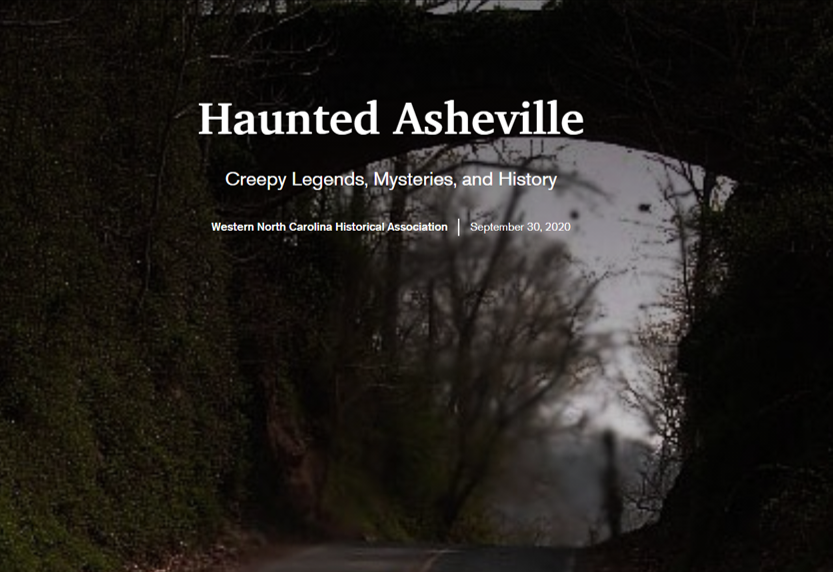 |
| Asheville, and the surrounding mountains, have also hosted numerous writers, musicians, and folklorists who have promoted (if not possibly created) some of these legends. Perhaps these are some of the reasons lore permeates the streets, hills, and valleys of this mountain city. You can see many of these sites for yourself, if you dare. |
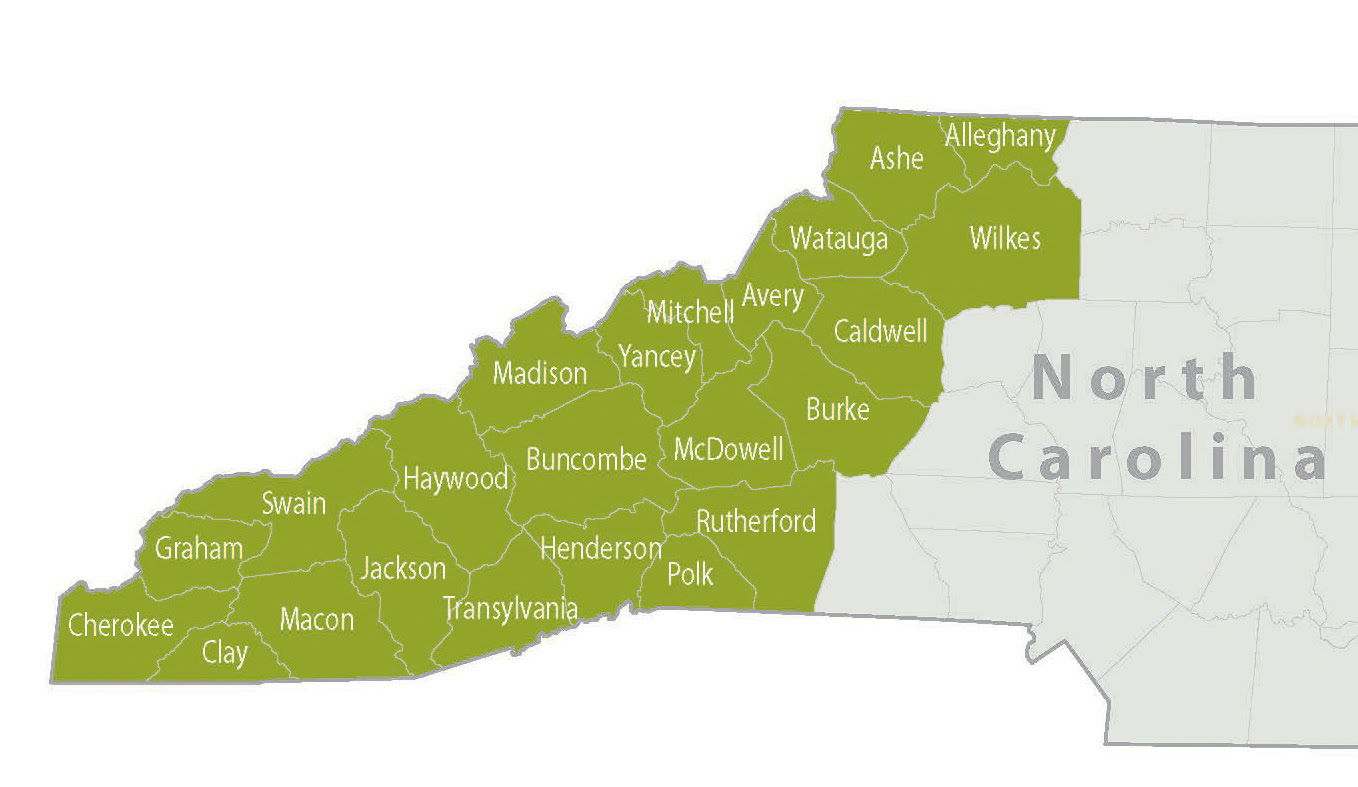 |
| Western North Carolina is defined as much by the various chains and valleys within the Appalachian Mountains as it is by the various people here. The region contains large swaths of national forest lands and the Great Smoky Mountains National Park. It contains old rivers and old folkways, along with an increasingly large stream of transplants and temporary visitors. This virtual tour gives a broad overview of our region. |
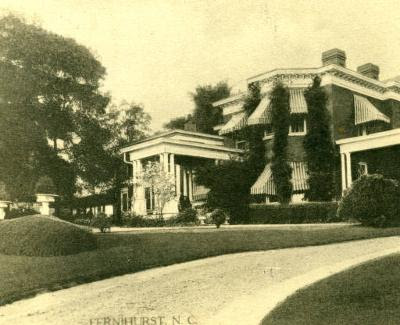 |
| Contained by its larger growing neighbor (Asheville), the French Broad and Swannanoa rivers, and the Southern Railway line, the Town of Victoria existed from 1887 until 1905, when it was absorbed into Asheville. The community—which included the Smith-McDowell House and Fernihurst mansion—originally incorporated into a town to prevent unwanted development (particularly from the Vanderbilts). |
This year you can join us for the Arts & Crafts Home Tour from the comfort of your home! Tour Possum Trot and Dogwood Cottages in Albemarle Park and finish with Sondley House in Haw Creek. Due to location and accessibility, these homes would not normally be included in the tour, so this is a special treat!

| Appalachian Wildlife Refuge is a registered non-profit rescuing, rehabilitating, and releasing orphaned and injured wildlife, and serving 18 counties across WNC. They provide conservation education to the community, support the wildlife rehabilitation network, and offer a Wildlife Emergency Hotline to the public. For help with wildlife in need, call 828-633-6364 ext 1 and leave a message or email [email protected], and a member of the hotline team will reach out right away. To learn more and support their cause, visit www.appalachianwild.org |
|
|
Included with admission
Our fun-for-all-ages botanical model train displays invite you to experience our grounds in an engaging new way. Located in the Conservatory in the Walled Garden, the displays feature replicas of structures connected with Biltmore and its founder George Vanderbilt. Each beautifully executed piece was handcrafted from such natural elements as leaves, bark, and twigs.
In compliance with state and local mandates related to COVID-19, all guests must enter the Conservatory via the ADA entrance in the back and follow a one-way route.
Included with admission
A unique-to-Biltmore, large-scale outdoor sculpture will be crafted and installed in Antler Hill Village this spring by Patrick Dougherty. Over the last three decades, this internationally-acclaimed artist has combined his carpentry skills and love of nature to build over 300 of these wondrous works, captivating the hearts and imaginations of viewers worldwide.
Image: Close Ties (2006) Scottish Basketmakers Circle, Dingwall, Scotland. Photo: Fin Macrae
NOTE: This is an example of Patrick Dougherty’s work; the artist will create Biltmore’s unique structure in Antler Hill Village this spring.
It’s time for kids to vote for their favorite books!
Throughout the month of March, kids can vote for the NC Children’s Book Award by visiting any Buncombe County Public Library location. The North Carolina Children’s Book Award is a children’s choice program sponsored by school and public librarians in North Carolina. The awards are designed to introduce kids to books and to instill a lifelong love of reading.
The Library has partnered with the Board of Elections to provide official voting booths for kids to vote.
Kids can vote in person at any of these libraries between March 2 and March 31:
- Enka-Candler
- Fairview
- North Asheville
- Pack Memorial
- South Buncombe
- Swannanoa
- Weaverville
- West Asheville
Kids can also vote “absentee” by asking for a ballot at any library, or they can drop their completed ballot in our book drop before the end of March to “mail in” their vote.
You are eligible to vote if 1) You’re a kid and 2) You’ve read or listened to at least 5 of the picture book nominees and/or 3) You’ve read or listened to at least 3 of the junior book nominees. Kids may vote for each category if they have read or listened to the required number of titles.
For more information on the NC Children’s Book Award and a list of the nominees, please visit the North Carolina Children’s Book Award.
If you’d like to have the picture books read to you, just click the “Read Aloud” link under any book.
Any questions? Contact your friendly neighborhood librarian.
We are OPEN Fridays and Saturdays
for private, pre-booked tours at:
10:30 AM
12:00 PM
1:30 PM
3:00 PM
This insider excursion provides you with tips and local secrets about the best way to do Asheville on a budget! You will have a better understanding of how Asheville became the unique, quirky city you see now and learn everything we are doing to “Keep Asheville Weird.” This is the only walking tour provided that allows you to choose how much you think a walking tour is worth and pay whatever you like. We will follow the urban trail, stop along the way for some free honey tastings and finish the tour with some special beer tastings at one of the best local breweries in South Slope! At the brewery, you will also be able to participate in a free raffle where you receive gifts donated from local businesses like free salsa classes, local theatre performances, books and more! I want you to know and love my city as much as I do and I am excited to share this experience with you!
Pay what you want at the end!
Downtown Tour
We will meet at Pack Square where the road cuts through the park! I will be wearing a free walking tour Tshirt
My parking recommendations are either street parking in the square or the Aloft parking deck on Biltmore Ave. If it’s a weekend, there should be free parking on the streets but be sure to check the meter! Feel free to ask any other questions you may have!
River Arts Tour
We will meet outside of the Magentic Theatre and your guide will be wearing a blue T-shirt !
I recommend parking in the public parking lot directly beside the theatre for free parking close to the meeting spot!
Saturday, April
10, 2021
2021 Summer Cuba Agroecology Tour
Driving Tour with Smith-McDowell House
Haunted Asheville Tour
Self-Guided WNC Tours
Victoria: The Forgotten Town Walking Tour
Virtual Arts + Crafts Home Tour
Wild and Furry Animals Book Donates to Help Wildlife
Tour a Local Greenway w/ GPS based tour app: TravelStorys
Biltmore Gardens Railway
Organic Growers School is partnering with Food First and Altruvistas to offer their fourth Cuba Agroecology Tour and their first such trip in the summer from June 22 through July 1, 2021, with a focus on the country’s intensive sustainable agriculture practices. The tour, to be comprised of growers, community leaders, educators, and activists who are passionate about sustainable agriculture, will begin in Havana and travel to destinations such as Pinar del Rio, Artemisa, and Matanzas. The trip offers participants on-the-ground exposure to Cuban agriculture and the food sovereignty movement and will highlight their engagement with the global food system. The intention is for participants to acquire the knowledge and strategies to create just, sustainable, local, and healthy food systems in their own communities.
Cuba has had a focus on organic agriculture production methods since the 1970s. The collapse of the Soviet Union in 1989 ended Cuba’s access to agricultural inputs overnight, propelling them into what is now known as the “Special Period”—a crisis of reduced resources and increased hunger. The country embarked on a massive and rapid conversion to agroecology in an attempt to boost food production. The tour will focus on small farmers, sustainable food systems, and national security. There are multiple opportunities in Cuba’s diverse agricultural landscape to learn many lessons and insights for the development of a secure and sustainable food system elsewhere.
“The purpose of this tour is not to romanticize or glorify Cuban agriculture,” says Sera Deva, Director of Programs with Organic Growers School and the trip organizer. “It is instead an opportunity to learn about what a country-wide commitment to sustainable, local agriculture can look like. It will broaden and deepen our region’s wisdom regarding alternative food systems. Our goals are to show our participants the importance of cooperative farming models and sustainable farming techniques, as well as encouraging them to think critically about practical and governmental structures that could support a thriving community of organic growers and consumers.”
Local partners will provide an overview of Cuban history, culture, politics, agriculture, and ecology. Additionally, the group will meet with specialists who will provide background on the country’s transition into agroecological farming practices and the national policies that prioritize organic farming and the remediation of hunger. With a firm commitment to sustainability and justice, this tour will connect participants to farmers, consumers, activists, NGOs, policymakers and experts working to transform the global food system.
Tour highlights will include the following:
- Discuss agroecology with Fernando Funes, co-author of Food First’s book Sustainable Agriculture & Resistance in Cuba.
- Visit community permaculture and agricultural education, and food conservation projects.
- Discuss changes in US-Cuba relations and how they might affect the future of tourism and agriculture in Cuba.
- Meet with the National Association for Small Farmers (ANAP) and the Ministry of Agriculture.
- Meet with a variety of small farmers and farmers’ cooperatives.
For the purposes of this trip, OGS is partnering with Food First, a “people’s think tank” dedicated to ending the injustices that cause hunger and helping communities to take back control of their food systems. Food First has been offering tours to Cuba for more than 20 years with the organizing assistance of Altruvistas, a socially responsible and philanthropic travel company that has facilitated 20,000 travelers to Cuba.
The cost of the trip is $2,950 and will serve, in part, as a fundraiser for Organic Growers School (OGS), a 501c3 non-profit organization. Thanks to a grant from the Christopher Reynolds Foundation, there are a limited number of partial scholarships for farmers and food activists to attend. This tour and all registrants will not be affected by recent political actions to restrict American travel to Cuba. Cuba is considered one of the safest destinations for travel, partially due to their diligent and holistic approaches to healthcare. Due to COVID-19, the traveling climate of the US (as well as tourist restrictions in Cuba) is changing daily. Cuba has implemented many of the same precautionary measures implemented around the world to minimize the spread of COVID-19 including social distancing, limiting travel to the island completely through the summer, and closing schools. In early November 2020, Cuba reopened its borders to travelers.
Potential tour participants can visit the OGS FAQ page which answers questions such as, “Why Cuba?,” “What are the legal considerations when traveling to Cuba?,” “Why ravel with Organic Growers School?,” “What does the tuition cover?,” and “What can I expect to experience?” Traveler testimonials from previous trips, the full itinerary, as well as a photo gallery can also be found on the website.
|
| The residents of the Smith-McDowell House and grounds were woven in to the fabric of Asheville.
This driving tour begins at the Smith-McDowell House Museum on the campus of A-B Tech and continues through historic sites related to early occupants of the house. |
|
| Asheville, and the surrounding mountains, have also hosted numerous writers, musicians, and folklorists who have promoted (if not possibly created) some of these legends. Perhaps these are some of the reasons lore permeates the streets, hills, and valleys of this mountain city. You can see many of these sites for yourself, if you dare. |
|
| Western North Carolina is defined as much by the various chains and valleys within the Appalachian Mountains as it is by the various people here. The region contains large swaths of national forest lands and the Great Smoky Mountains National Park. It contains old rivers and old folkways, along with an increasingly large stream of transplants and temporary visitors. This virtual tour gives a broad overview of our region. |
|
| Contained by its larger growing neighbor (Asheville), the French Broad and Swannanoa rivers, and the Southern Railway line, the Town of Victoria existed from 1887 until 1905, when it was absorbed into Asheville. The community—which included the Smith-McDowell House and Fernihurst mansion—originally incorporated into a town to prevent unwanted development (particularly from the Vanderbilts). |
This year you can join us for the Arts & Crafts Home Tour from the comfort of your home! Tour Possum Trot and Dogwood Cottages in Albemarle Park and finish with Sondley House in Haw Creek. Due to location and accessibility, these homes would not normally be included in the tour, so this is a special treat!
| Appalachian Wildlife Refuge is a registered non-profit rescuing, rehabilitating, and releasing orphaned and injured wildlife, and serving 18 counties across WNC. They provide conservation education to the community, support the wildlife rehabilitation network, and offer a Wildlife Emergency Hotline to the public. For help with wildlife in need, call 828-633-6364 ext 1 and leave a message or email [email protected], and a member of the hotline team will reach out right away. To learn more and support their cause, visit www.appalachianwild.org |
|
|
Included with admission
Our fun-for-all-ages botanical model train displays invite you to experience our grounds in an engaging new way. Located in the Conservatory in the Walled Garden, the displays feature replicas of structures connected with Biltmore and its founder George Vanderbilt. Each beautifully executed piece was handcrafted from such natural elements as leaves, bark, and twigs.
In compliance with state and local mandates related to COVID-19, all guests must enter the Conservatory via the ADA entrance in the back and follow a one-way route.