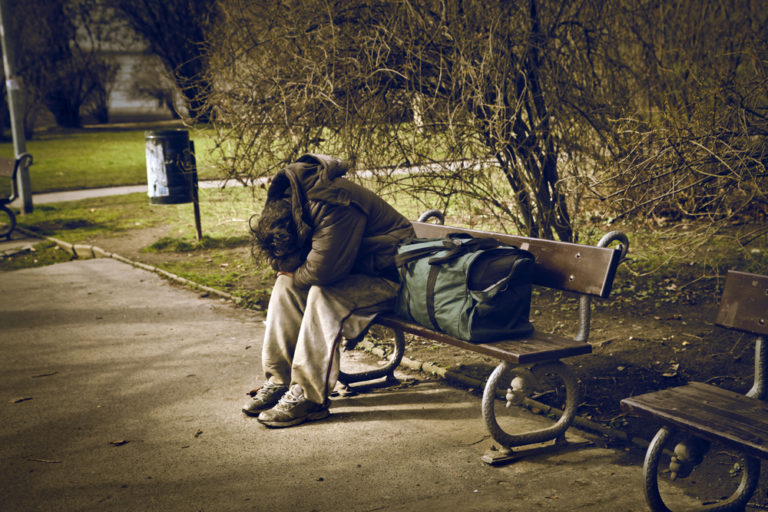
Upcoming events and things to do in Asheville, NC. Below is a list of events for festivals, concerts, art exhibitions, group meetups and more.

Interested in adding an event to our calendar? Please click the green “Post Your Event” button below.

Saturday, March 5, 2022
Alcohol Ink Silk Scarf Workshop
Mar 5 @ 1:00 pm – 3:30 pm
Purple Crayon

If you love experimenting with color, you’ll love making these beautiful, one-of-a-kind scarves! Deana Murchison, one of our most popular instructors, will be teaching this NEW workshop.

As you drip, blow, and manipulate the brilliant colors of alcohol ink onto silk, you’ll have fun watching intricate patterns emerge! In just a couple of hours, you’ll have created a stunning 11” x 60” scarf that you’ll be proud to wear out or give as a gift.

No dyeing, drawing, or painting experience necessary!

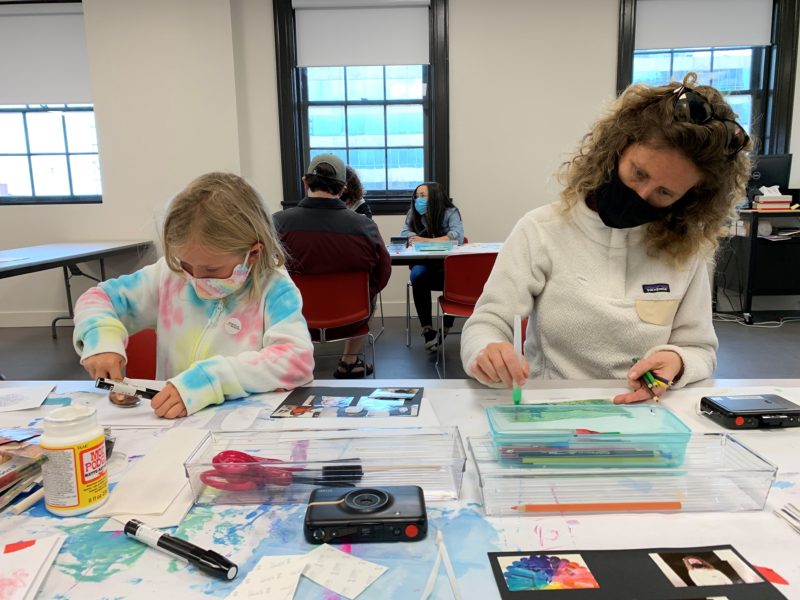
MakerSpace: Photo Collages
Mar 5 @ 1:00 pm – 4:00 pm
Asheville Art Museum
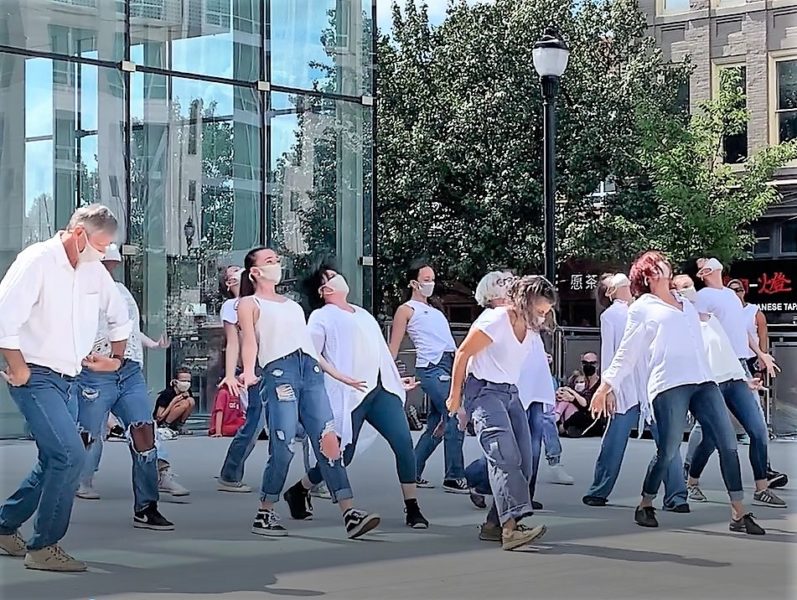
Movement Workshop: re-connect
Mar 5 @ 1:00 pm – 3:00 pm
Asheville Art Museum

In conjunction with our loan of Félix González-Torres’ installation Untitled (L.A.) in Ruminations on Memory, join us for the cathartic experience of collaborative dance making and performing. The re-connect workshop is open to movers of all abilities and taps into our desire to connect with ourselves and others as a pathway to hope and healing. Facilitators guide participants through both written and movement prompts as part of the creative process to develop an original group dance piece. Participants are invited to perform the movement created in this workshop as part of the community event Reflect/Connect on March 12 at noon on the Museum’s plaza.

To ensure everyone’s safety, all attendees are required to provide proof of vaccination, or a negative lab-conducted COVID-19 test taken within 48 hours, and to be masked at all times inside the building. 

For questions about the workshop prior to registration, contact Kathy Leiner at 828-215-2410 or [email protected]; for questions about the location or logistics, contact Kelly Baisley at [email protected] or 828-252-3227 ext 133.

Please note:

  • This workshop is held indoors in the Museum’s John & Robyn Horn Education Center.
  • Space is limited to small group.
  • Participants follow the Museum’s temporary COVID-19 safety precautions; click here for more information.

About the instructors:

  • Kathleen Meyers Leiner has been teaching, performing, and creating dance for 40 years, and draws inspiration from literature, social issues, and personal stories to develop workshops, performances, and participatory events. She is the Dance Program Director and Chair of Fine Arts at the Asheville School. Kathy holds a Master of Fine Arts in Interdisciplinary Arts: Choreography & Visual Arts from Wilson College.
  • Asheville Contemporary Dance Theatre (ACDT) is a non-profit professional dance company created in 1979. We believe that everyone is a dancer and through art and inspiration, the company illuminates the points of intersection that exist on both intellectual and emotional levels, and our diverse repertory reflects both traditional and experimental forms of modern dance.

ADULT STUDIO

The Museum’s studio program for adults offers a core curriculum in drawing, painting, printmaking, and three-dimensional media, and also explores the intersections between them. Local and visiting artists help students of all levels and abilities develop skills in media that reflect techniques and themes featured in the Museum’s Collection and special exhibitions. Classes meet for 3–12 weeks, and are designed for anyone interested in exploring specific media in depth; daylong workshops introduce new media or processes. To add your name to our Adult Studio mailing list, click here or call 828.253.3227 x133.

Wild Walk: A Behind the Scenes Tour
Mar 5 @ 1:30 pm – 3:00 pm
WNC Nature Center

Cougar

See the WNC Nature Center like never before, behind the scenes!

Night at the Nature Center for Kids
Mar 5 @ 6:00 pm – 8:00 pm
WNC Nature Center

This brand new program includes fun and educational crafts, games, and an opportunity to meet a live animal. Then we see the WNC Nature Center like never before- at night!

Sunday, March 6, 2022
Asheville City’s Homeless Initiative: Point-In-Time Count Dashboard Launch
Mar 6 all-day
online
homelessness
Point-In-Time Count

Point in Time (PIT) Count Dashboard and Web Page Available on the City of Asheville Website


2021 Point in Time (PIT) count data is now available on the City of Asheville website.  The PIT data is displayed via dashboard, and presents numbers on those experiencing homelessness, either in emergency shelter, transitional housing or who are unsheltered. The 2022 Point in Time Count happened on January 25, and this dashboard will be updated with the new data later in the spring.


Each year, the City of Asheville, in collaboration with a number of local organizations that focus on housing insecurity, collects data on the people in our community that are experiencing homelessness in the annual Point in Time (PIT) count. The data collected are aggregated, with identifying information removed, and then are reported to the US Department of Housing and Urban Development (HUD), which requires that all communities that receive HUD funding to address homelessness conduct an annual PIT Count. This count is a one night “snapshot” that, when taken each year, can provide an overview of the population and trends over time.


“Understanding who is homeless in our community and what their needs are is essential in the work of ending homelessness.  We’re excited to partner with the Office of Data and Performance to share this information with the community so that stakeholders can be empowered with the data we all need to develop strategies that move the needle on homelessness,” stated Emily Ball, Homeless Services System Performance Lead for the City of Asheville.


The dashboard displays information on homeless Asheville residents broken down by sheltered status and race. Visitors to the webpage can explore the data further by clicking the link at the bottom of the dashboard, which navigates to a spreadsheet where the data is broken down by gender, ethnicity, and veteran’s status, as well as the number of people who are chronically homeless in our community. The dashboard is a collaborative effort between the City’s Homeless Initiative in the Community and Economic Development department and the Office of Data & Performance in IT Services.

The PIT Dashboard and information regarding its findings are located on the City of Asheville’s website.  For more information on the City’s Homeless Initiative, contact Brian Huskey ([email protected]) or Emily Ball ([email protected]). For information on affordable housing, emergency housing, rental assistance or down payment assistance, or to learn how to assist our homeless community, please call 211. The service is free, confidential and available in any language.

GIVE + GROW LEAF Membership
Mar 6 all-day
online
Of Body + Mind Art Exhibit
Mar 6 @ 10:00 am – 5:00 pm
North Carolina Glass Center

Our first exhibition of the year, Of Body & Mind, explores the connection between form and soul. Both functional and sculptural glass work is displayed. Artists are encouraged to expand the concept beyond static objects. The show exhibits work of glass artists living in Western North Carolina or who have a connection to the area. The exhibit is open during our regular gallery hours in D Space. Closed Tuesdays. Masks required. A reception will be announced at a later date. Featured artwork: ‘Be Here Now’ by Ben Greene-Colonnese.

2022 WNC Regional Scholastic Art Awards Exhibition
Mar 6 @ 11:00 am – 6:00 pm
Asheville Art Museum
Olivia Jones, Face Vessel, Ceramics & Glass, Silsa-Asheville High School, Grade 12. 2022 WNC Regional Scholastic Art Awards, Gold Key award.
The Asheville Art Museum has announced the regional award recipients of the 2022 Scholastic Art Awards and artworks will be on view at the Museum.
The regional program is judged in two groups: Group I, grades 7–8 and Group II, grades 9–12. Out of 540 total art entries, 190 works have been recognized by the judges, and Gold and Silver Key award-winning artworks are featured in this exhibition while honorable mentions will be featured digitally. The 2022 regional judges include local artists and educators Brandy Bourne, Jenny Pickens, and M. Paige Taylor.

Those works receiving Gold Keys have been submitted to compete in the 99th Annual National Scholastic Art Awards Program in New York City. Of the Gold Key Award recipients, five students have also been nominated for American Visions, indicating their work is the Best in Show of the regional awards. One of these American Visions Nominees will receive an American Visions Medal at the 2022 National Scholastic Art Awards. Award winners include students from public, private, homeschools, and charter schools in Buncombe, Burke, Haywood, Henderson, Jackson, Madison, McDowell, Rutherford.

Since the program’s founding in 1923, the Scholastic Art Awards have fostered the creativity and talent of millions of students, and include a distinguished list of alumni including Andy Warhol, who received recognition in the Awards when he was a teen.

National Gold Key medalists will be announced in March 2022 and honored during a special awards ceremony in June 2022.

For more information about the Alliance for Young Artists & Writers and the Scholastic Art & Writing Awards, visit the Scholastic Newsroom: mediaroom.scholastic.com/artandwriting.

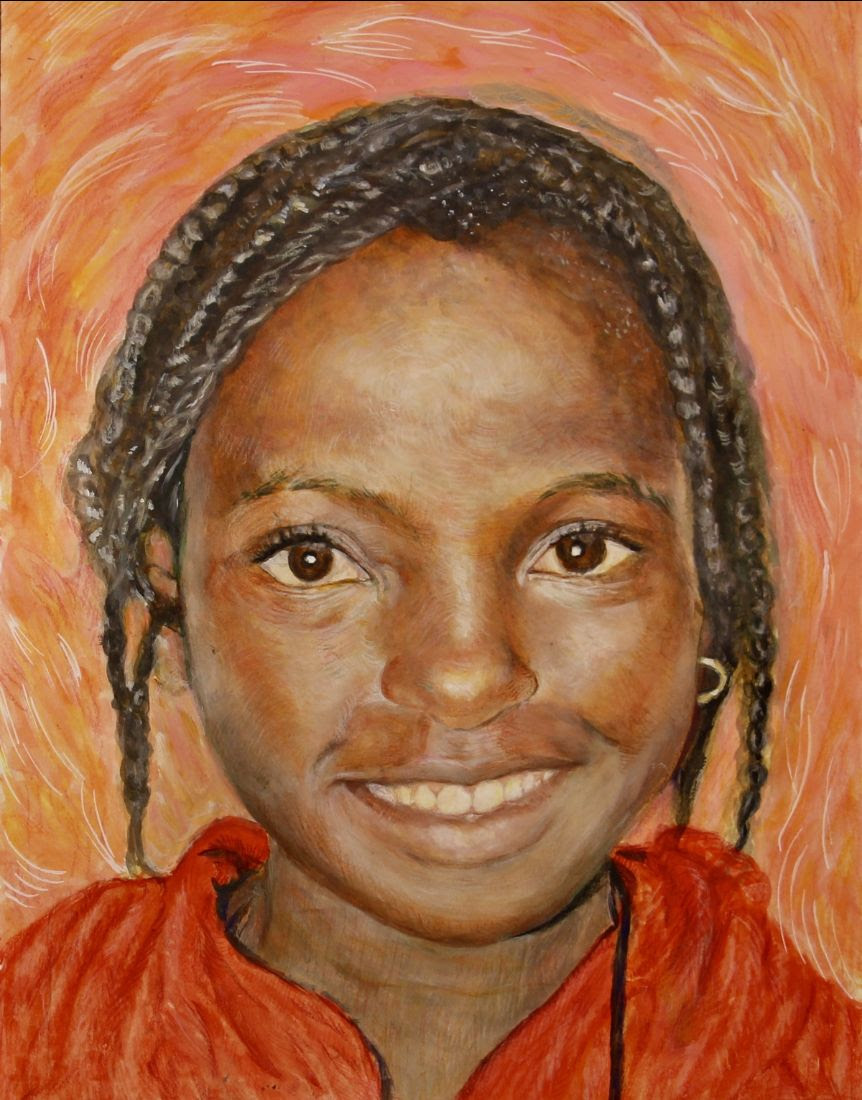
Citations (left to right): Wen Yaxuan, Shakivatou, Painting, Asheville School, Grade 12. 2022 WNC Regional Scholastic Art Awards, Gold Key award. | Gracie Hart, Fly, Drawing & Illustration, West Henderson High School, Grade 11. 2022 WNC Regional Scholastic Art Awards, Gold Key award.
About the Asheville Art Museum  
The Museum’s galleries, the Museum Store, Art PLAYce, and Perspective Café are open with limited capacity. The Frances Mulhall Achilles Art Research Library remains temporarily closed. The Museum welcomes visitors Wednesday through Monday from 11am to 6pm, with late-night Thursdays from 11am to 9pm. The Museum is closed on Tuesdays. General admission is always free for Museum Members, UNC Asheville students, active-duty military personnel with valid ID, and children under 6; $15 per adult; $13 per senior (65+); and $10 per student (child 6–17 or degree-seeking college students with valid ID). Admission tickets are available at ashevilleart.org/visit. Visitors may become Members at the welcome desk during their visit or online at ashevilleart.org/membership.
A Hand in Studio Craft: Harvey K. Littleton as Peer and Pioneer Exhibition
Mar 6 @ 11:00 am – 6:00 pm
Asheville Art Museum

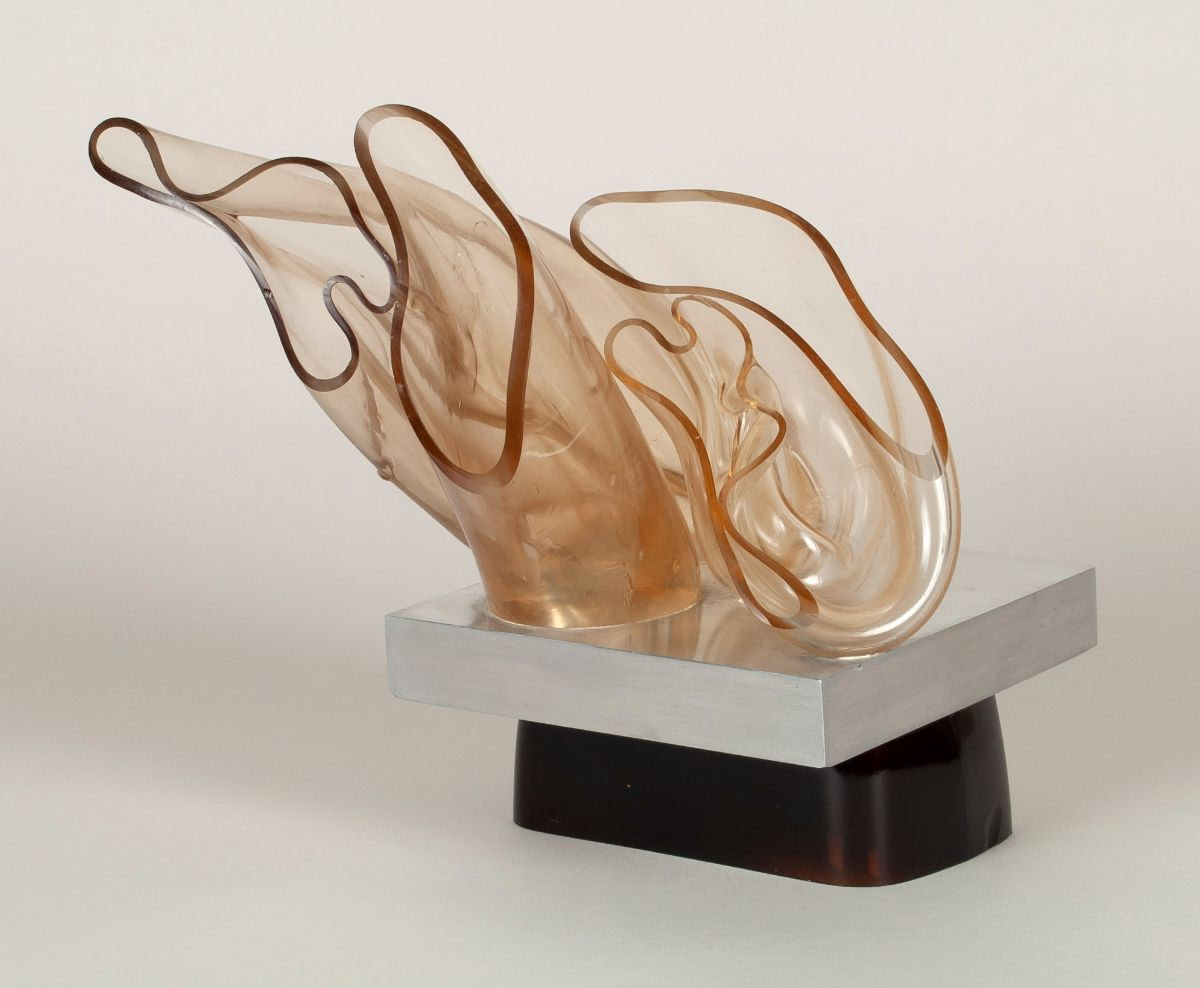
Harvey K. Littleton, Amber Maze, 1968, blown glass, 8 3/4 × 10 1/2 × 6 inches. Asheville Art Museum. © Estate of Harvey K. Littleton.
Asheville, N.C.A Hand in Studio Craft: Harvey K. Littleton as Peer and Pioneer highlights recent gifts to the Asheville Art Museum’s Collection and loans from the family of glass artist Harvey K. Littleton. This exhibition places Harvey and Bess Littleton’s collection into the context of their lives, as they moved around the United States, connected with other artists, and developed their own work. This exhibition—organized by the Asheville Art Museum and curated by Whitney Richardson, associate curator—will be on view in the Judith S. Moore Gallery at the Museum from January 19 through June 27, 2022.

Harvey K. Littleton (Corning, NY 1922–2013 Spruce Pine, NC) founded the Studio Glass Movement in the United States in 1962 when, as a teacher, he instituted a glass art program at the University of Wisconsin in Madison, the first of its kind in the United States. He taught the next generation of glass artists—who taught the next—and his influence can still be seen today. But before he dedicated himself to the medium of glass, Littleton studied industrial design, ceramics, and metalwork at the University of Michigan and the Cranbrook Academy of Art in the late 1930s and early 1940s. He met his wife Bess Tamura Littleton, a painting student, at the University of Michigan. Over the course of their careers, Harvey and Bess collected artwork by their fellow artists and amassed an impressive collection from the early days of the Studio Glass Movement and the height of the American mid-century Studio Pottery Movement.

“This exhibition offers the viewer an exciting opportunity to see some of Harvey K. Littleton’s early work in ceramic and metal—directly from his family’s collection—before he began making art in glass,” says Whitney Richardson, associate curator. “Best known for his glassworks, those will be on display alongside the work of his students and his peers making clear the influence he had on them and the Studio Glass Movement.” 

A Living Language: Cherokee Syllabary and Contemporary Art
Mar 6 @ 11:00 am – 6:00 pm
Asheville Art Museum

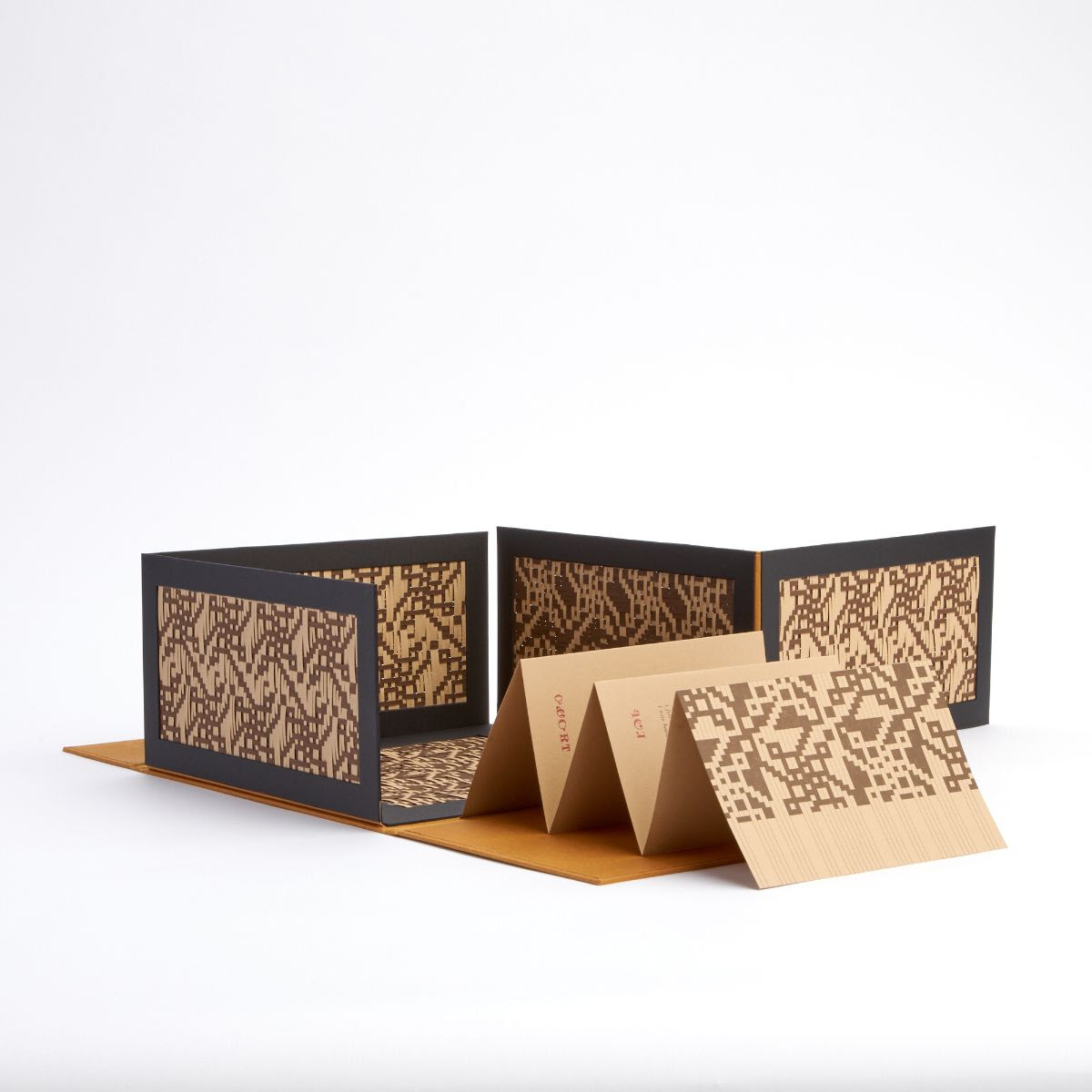
Rhiannon Skye Tafoya (Eastern Band of Cherokee Indians), Ul’nigid’, 2020, letterpress (photopolymer and Bembo & Cherokee Syllabary metal type) printed on handmade & color plan paper with paperweaving, closed: 11 × 11 ¼ inches, assembled: 23 ½ × 11 ¼ × 5 ⁵⁄₈ inches. Courtesy the Artist. © Rhiannon Skye Tafoya, image Rhiannon Skye Tafoya.
 Living Language: Cherokee Syllabary and Contemporary Art features over 50 works of art in a variety of media by 30+ Eastern Band of Cherokee Indians (EBCI) and Cherokee Nation artists. The exhibition highlights the use of the written Cherokee language, a syllabary developed by Cherokee innovator Sequoyah (circa 1776–1843). Cherokee syllabary is frequently found in the work of Cherokee artists as a compositional element or the subject matter of the work itself. The exhibition will be on view at the Museum of the Cherokee Indian in Cherokee, NC from June 12, 2021 to October 31, 2021, and in the Asheville Art Museum’s Appleby Foundation Exhibition Hall from November 19, 2021 to March 14, 2022.

The Cherokee Syllabary is a system of writing developed by Sequoyah in the early 1800s prior to the Removal period. Through Sequoyah’s innovative work, Cherokee people embraced the writing system as an expedient form of communication and documentation. During the Removal period, the syllabary was used as a tactic to combat land dispossession. Cherokee people continue to use the syllabary as a form of cultural expression and pride, which is showcased in the contemporary artwork of the Cherokee Citizens in this exhibition.

“We’re pleased to host this gathering of works from contemporary Cherokee artists, who perfectly illustrate how our language is a living and evolving part of who we are. It’s moving to see how each artist finds inspiration in their own way from this language that connects us as Cherokee people,” said Shana Bushyhead Condill, executive director of the Museum of the Cherokee Indian.

“The Asheville Art Museum and the Museum of the Cherokee Indian have been long-term collaborators, and we are delighted to further our partnership by working together to manage an open call to Cherokee artists and subsequently curate this exciting exhibition of contemporary works that take inspiration from, celebrate, preserve and interpret the syllabary,” said Pamela L. Myers, executive director of the Asheville Art Museum. “On view at both museums, we hope the exhibition engages a wide and diverse audience in dialogue with these extraordinary works.”

A Living Language: Cherokee Syllabary and Contemporary Art is organized by the Asheville Art Museum and Museum of the Cherokee Indian, and curated by Hilary Schroeder, assistant curator at the Asheville Art Museum, with assistance from curatorial consultant Joshua Adams (Eastern Band of Cherokee Indians). Special thanks to S. Dakota Brown, education director at the Museum of the Cherokee Indian, and Alexis Meldrum, curatorial assistant at the Asheville Art Museum, for their support in the planning of this exhibition. This project is made possible in part by a grant from the Blue Ridge National Heritage Area Partnership, and sponsored in part by the Cherokee Preservation Foundation and Kevin Click & April Liou in memory of Myron E. Click.

Eastern Band of Cherokee Indians artists include Joshua Adams, Jody Lipscomb Bradley, Nathan Bush, Kane Crowe, John Henry Gloyne, Shan Goshorn, Luzene Hill, Christy Long, Louise Bigmeat Maney, Christopher McCoy, Tara McCoy, Joel Queen, Sean Ross, Jakeli Swimmer, Rhiannon Skye Tafoya, Mary Thompson, Stan Tooni Jr.,  Alica Wildcatt, and Fred Wilnoty.

Cherokee Nation artists include Roy Boney Jr., Jeff Edwards, Joseph Erb, Raychel Foster, Kenny Glass, Camilla McGinty, Jessica Mehta, America Meredith, Jane Osti, Lisa Rutherford, Janet L. Smith, Jennifer Thiessen, and Jennie Wilson.

About the Museum of the Cherokee Indian

Established in 1948, the Museum of the Cherokee Indian is one of the longest operating tribal museums. Recognized for its innovative storytelling, the Museum features exhibits, artwork, and hands-on technology that brings over 15,000 years of Cherokee history to life. Located in Cherokee, NC, the Museum is open daily except Thanksgiving, Christmas, and New Year’s Day. Learn more by visiting mci.org.

March Art Exhibit, New Members Show “Color Dance”
Mar 6 @ 11:00 am – 6:00 pm
Asheville Gallery of Art

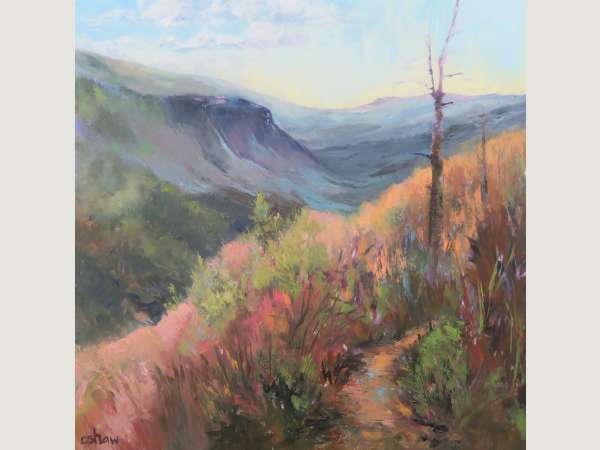
Asheville Gallery of Art March 2022 Exhibit, New Members Show“Color Dance” will feature works by four new gallery members: Anne Marie Brown, Raquel Egosi, JoAnn Pippin, and Cindy Shaw. The show will run March 1-31 during gallery hours, 11am-6pm. An event to meet the artists will be held at the gallery on First Friday, March 4, from 5-8pm at 82 Patton Avenue. These four exciting artists have selected “Color Dance” as the theme for their show. Paintings are generally static and are confined within a frame. The combined creative energy of these artists has seemingly moved beyond these limits, to create beautiful expressions of dynamic, moving shapes, captured within a spatial environment. They wish their works to evoke thoughts, emotions, and awareness to celebrate the sentient meaning of life. Please join us for “Color Dance” to revel in the paintings presented by these new gallery artists. They will deliver dynamic color, vibrancy, and hue into scenes that will dance their way into your heart. Anne Marie Brown began painting when, as a florist, she would paint small watercolors of her floral designs. She has exhibited in outdoor shows for over ten years and has had exhibitions in numerous galleries. Now settled in the mountains, she is inspired to paint the sweeping vistas and flora and fauna within. Anne Marie works in watercolor, gouache, oil, and acrylic, and hopes the images that touch her heart and canvas will touch yours as well. Color is music to my eyes. The song that is created on the canvas makes my heart dance. Raquel EgosiRaquel’s art career began in 1996 in Brazil. Studying with acclaimed artists and attending a variety of painting classes, she was active in her local art community, collaborating and setting up art shows. She currently participates regularly in gallery shows and museum exhibitions. Her art sells internationally, and she leads workshops for mixed media techniques in both the United States and overseas. Constructed using a variety of mixed media, my compositions are exceedingly rich in color and texture, with partial or fully figurative and abstract elements. JoAnn Pippin, her passion is to explore different watercolor techniques, with her subjects. Her paintings have been exhibited in juried art shows throughout the US, and her focus is on color, composition, and texture, to create light and mood through technique. The theme “Color Dance” is especially meaningful to watercolorists, because we literally watch color dance and blend when we add wet paint to wet paper. It is not simply mixing colors on the palette and placing them in our work, but the excitement of observing the action as they blend and mingle to create wonderful new hues. Cindy Shaw originally trained as an Architect and worked for many years on projects as well as teaching. However, when her husband’s career took her to rural Italy, she purchased art supplies and began to paint. While there, she enjoyed exploring the Italian countryside and capturing “le viste belle!”. Returning home to the USA, she has continued to grow and develop as an impressionist artist over the past decade. “Color adds depth and meaning, not only to our paintings, but also to our outlook on life. Color can be joyful, dramatic, and exciting.”

Ruminations on Memory Exhibition
Mar 6 @ 11:00 am – 6:00 pm
Asheville Art Museum
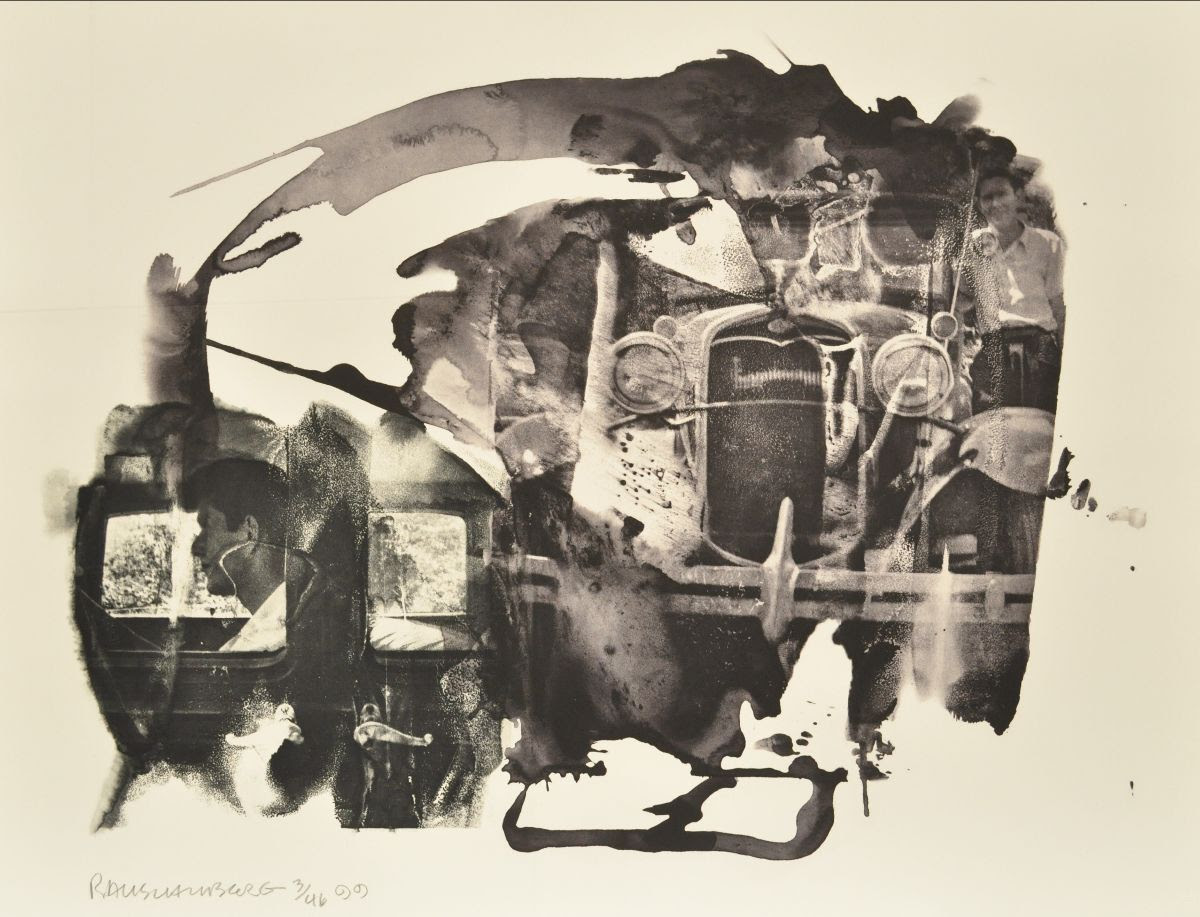
Robert Rauschenberg, John from the Ruminations series, 1999, photogravure on paper, edition 3/46, publisher: Universal Limited Art Editions, Bay Shore, NY, 29 ½ × 38 7/8 inches. Asheville Art Museum. © Robert Rauschenberg Foundation / VAGA at Artists Rights Society (ARS), New York.

Ruminations on Memory contends with the act of remembrance and reflection, featuring a rare presentation of all nine prints from Robert Rauschenberg’s Ruminations portfolio, Judy Chicago’s Retrospective in a Box portfolio, and selections from the Museum’s Collection. Organized by the Asheville Art Museum and curated by Hilary Schroeder, assistant curator, this exhibition will be on view in Appleby Foundation Exhibition Hall at the Museum from November 19, 2021 through March 14, 2022 in conjunction with A Living Language: Cherokee Syllabary and Contemporary Art

Artworks are vessels for processing, recalling, and reflecting on the past. Artists often draw upon materials from their own pasts and grasp at fleeting moments in time in the creation of an object. For the viewer, observation of an artwork can draw out personal memories.

Artworks in a variety of media explore various ways of remembering, including individual memories that focus on the moments from an artist’s past; generational memory that looks back to one’s ancestors, whether recent or long past; and collective memory, wherein in an image might evoke bygone times that balance between constructed and real. Through these artworks that ruminate upon the past, viewers may discover the stirrings of their own thoughts and recollections prompted by the works before them.

Ruminations on Memory offers a unique opportunity to experience the entirety of a major print portfolio by American painter Robert Rauschenberg (Port Arthur, TX 1925–2008 Captiva, FL). Rauschenberg was a student at Black Mountain College in NC for the 1948–1949 and 1951–1952 academic sessions and for the 1951 and 1952 summers. His Ruminations series consists of nine color photogravures which were printed in 1999 and reflect on Rauschenberg’s early life, his friends and family, and the memories he held dear. The series represents especially significant mature work by Rauschenberg that looks back to his most formative moments as an artist including his time at Black Mountain College and the friendships and ideas formed there.

Also presented in the exhibition is an important series of prints by Judy Chicago (born Chicago, IL 1939). Five decades into her career, Chicago stands as one of the foremost artists of the 20th and 21st centuries, having committed to socially minded work, uplifting in particular experiences salient to her feminine and Jewish identities. Retrospective in a Box consists of seven prints and a portfolio created in collaboration with the master printers at Landfall Press, and provides an overview of her major motifs and ideas, including the print Spring the Dinner, a nod to her seminal 1979 work The Dinner Party.

In addition to the artworks from the Museum’s Collection, visitors will be able to experience Felix Gonzales-Torres’s “Untitled” (L.A.), on loan from the Art Bridges collection. “Untitled” (L.A.) is one of the artist’s iconic interactive candy installations where memories are engaged not only through sight but through sound, touch, taste, and smell as well.

Learn more about Ruminations on Memory and A Living Language: Cherokee Syllabary and Contemporary Art at ashevilleart.org.

Stained with Glass: Vitreograph Prints from the Studio of Harvey K. Littleton Exhibition
Mar 6 @ 11:00 am – 6:00 pm
Asheville Art Museum
 
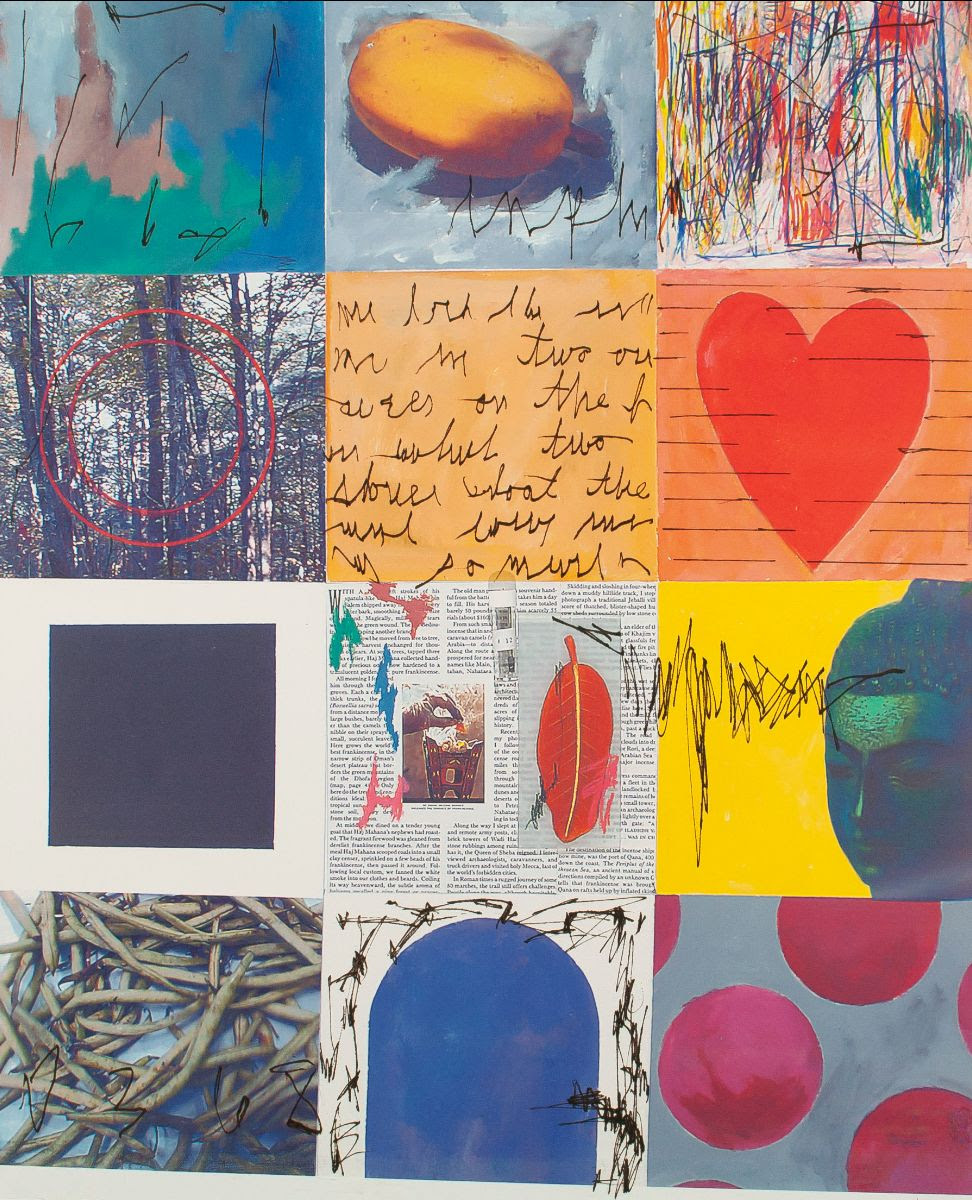
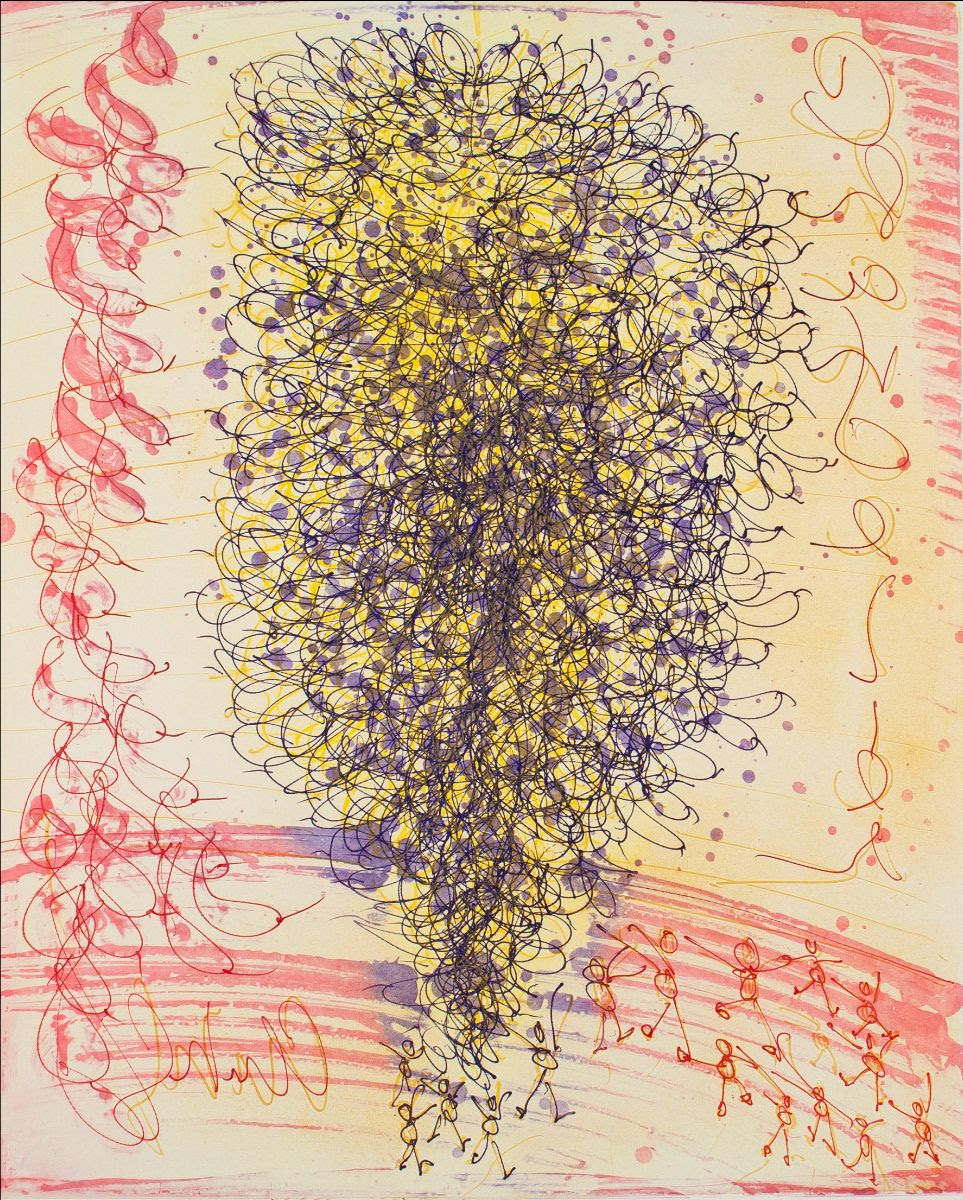
Left: Thermon Statom, Frankincense, 1999, siligraphy from glass plate with digital transfer on BFK Rives paper, edition 50/50, 36 1/4 × 29 3/8 inches. Asheville Art Museum. © Thermon Statom. | Right: Dale Chihuly, Suite of Ten Prints: Chandelier, 1994, 4-color intaglio from glass plate on BRK Rives paper, edition 34/50, image: 29 ½ × 23 ½ inches, sheet: 36 × 29 ½ inches. Asheville Art Museum. © Dale Chihuly / Artists Rights Society (ARS), New York.
Asheville, N.C.—The selection of works from the Asheville Art Museum’s Collection presented in Stained with Glass: Vitreograph Prints from the Studio of Harvey K. Littleton features imagery that recreates the sensation and colors of stained glass. The exhibition showcases Littleton and the range of makers who worked with him, including Dale Chihuly, Cynthia Bringle, Thermon Statom, and more. This exhibition—organized by the Asheville Art Museum and curated by Hilary Schroeder, assistant curator—will be on view in The Van Winkle Law Firm Gallery at the Museum from January 12 through May 23, 2022.

In 1974 Harvey K. Littleton (Corning, NY 1922–2013 Spruce Pine, NC) developed a process for using glass to create prints on paper. Littleton, who began as a ceramicist and became a leading figure in the American Studio Glass Movement, expanded his curiosity around the experimental potential of glass into innovations in the world of printmaking. A wide circle of artists in a variety of media—including glass, ceramics, and painting—were invited to Littleton’s studio in Spruce Pine, NC, to create prints using the vitreograph process developed by Littleton. Upending notions of both traditional glassmaking and printmaking, vitreographs innovatively combine the two into something new. The resulting prints created through a process of etched glass, ink, and paper create rich, colorful scenes reminiscent of luminous stained glass.

“Printmaking is a medium that many artists explore at some point in their career,” says Hilary Schroeder, assistant curator. “The process is often collaborative, as they may find themselves working with a print studio and highly skilled printmaker. The medium can also be quite experimental. Harvey Littleton’s contribution to the field is very much so in this spirit, as seen in his incorporation of glass and his invitation to artists who might otherwise not have explored works on paper. Through this exhibition, we are able to appreciate how the artists bring their work in clay, glass, or paint to ink and paper.” 

The Wyeths: Three Generations | Works from the Bank of America Collection
Mar 6 @ 11:00 am – 6:00 pm
Asheville Art Museum
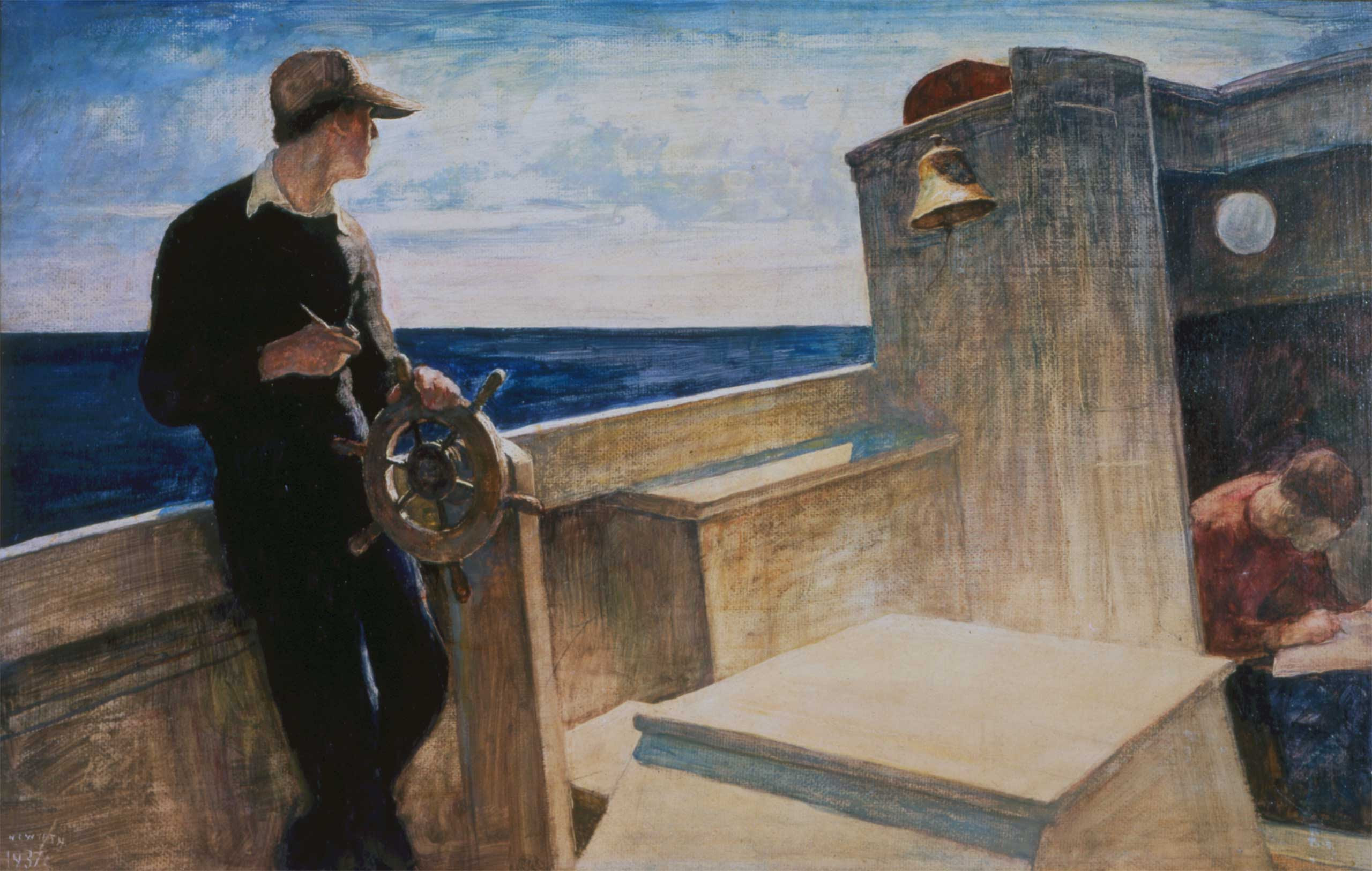
N. C. Wyeth, Eight Bells (Clyde Stanley and Andrew Wyeth aboard Eight Bells), 1937, oil on hardboard, 20 × 30 inches. Bank of America Collection

The Wyeths: Three Generations | Works from the Bank of America Collection provides a comprehensive survey of works by N. C. Wyeth, one of America’s finest illustrators; his son, Andrew, an important realist painter; his eldest daughter, Henriette, a realist painter; and Andrew’s son Jamie, a popular portraitist. Through the works of these artists from three generations of the Wyeth family, themes of American history, artistic techniques, and creative achievements can be explored. This exhibition will be on view in the Asheville Art Museum’s Explore Asheville Exhibition Hall February 12 through May 30, 2022.

N. C. Wyeth (1882–1945) has long been considered one of the nation’s leading illustrators. In the early 1900s, he studied with illustrator Howard Pyle in Delaware. In 1911, he built a house and studio in nearby Chadds Ford, PA. Later, he bought a sea captain’s house in Maine and in 1931 built a small studio, which he shared with his son, Andrew, and his daughters, Henriette and Carolyn. The exhibition includes illustrations for books by Robert Louis Stevenson and Washington Irving as well as historical scenes, seascapes, and landscapes.

Andrew Wyeth (1917–2009) is one of the United States’ most popular artists, and his paintings follow the American Realist tradition. He was influenced by the works of Winslow Homer, whose watercolor technique he admired, as well as by the art of Howard Pyle and his father, N. C. While Andrew painted recognizable images, his use of line and space often imbue his works with an underlying abstract quality. The exhibition includes important works from the 1970s and 1980s as well as recent paintings.

Henriette Wyeth (1907–1997) was the eldest daughter of N.C. Wyeth and an older sister to Andrew Wyeth. Like other members of her family, her painting style was realist in a time when Impressionism and Abstraction were popular in the early 20th century. She studied painting at the Pennsylvania Academy of the Fine Arts and was an acclaimed portraitist, though perhaps not as widely known as her father and brother. Most notably she painted the portrait of First Lady, Pat Nixon, which is in the collection of The White House.

Jamie Wyeth (born 1946), like his father and grandfather, paints subjects of everyday life, in particular the landscapes, animals, and people of Pennsylvania and Maine. In contrast to his father—who painted with watercolor, drybrush, and tempera—Jamie works in oil and mixed media, creating lush painterly surfaces. The 18 paintings in the exhibition represent all periods of his career.

This exhibition has been loaned through the Bank of America Art in our Communities® program.

Useful and Beautiful: Silvercraft by William Waldo Dodge
Mar 6 @ 11:00 am – 6:00 pm
Asheville Art Museum
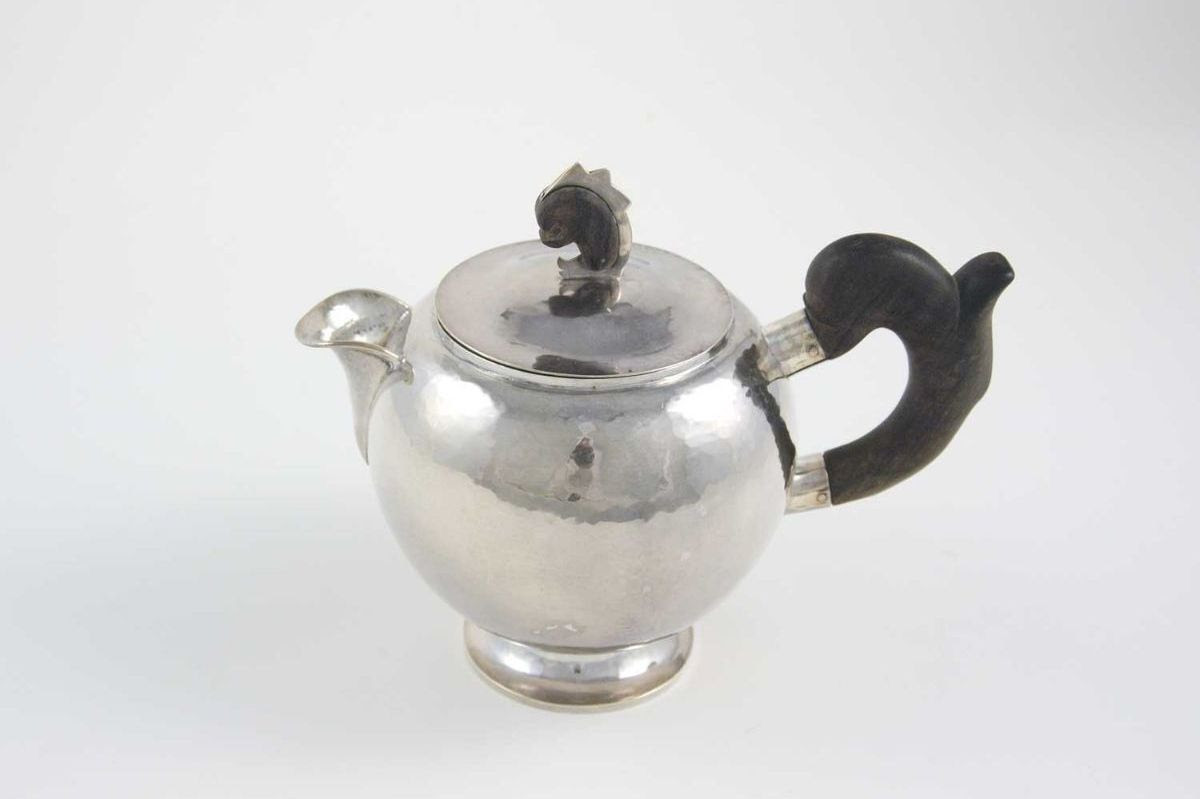
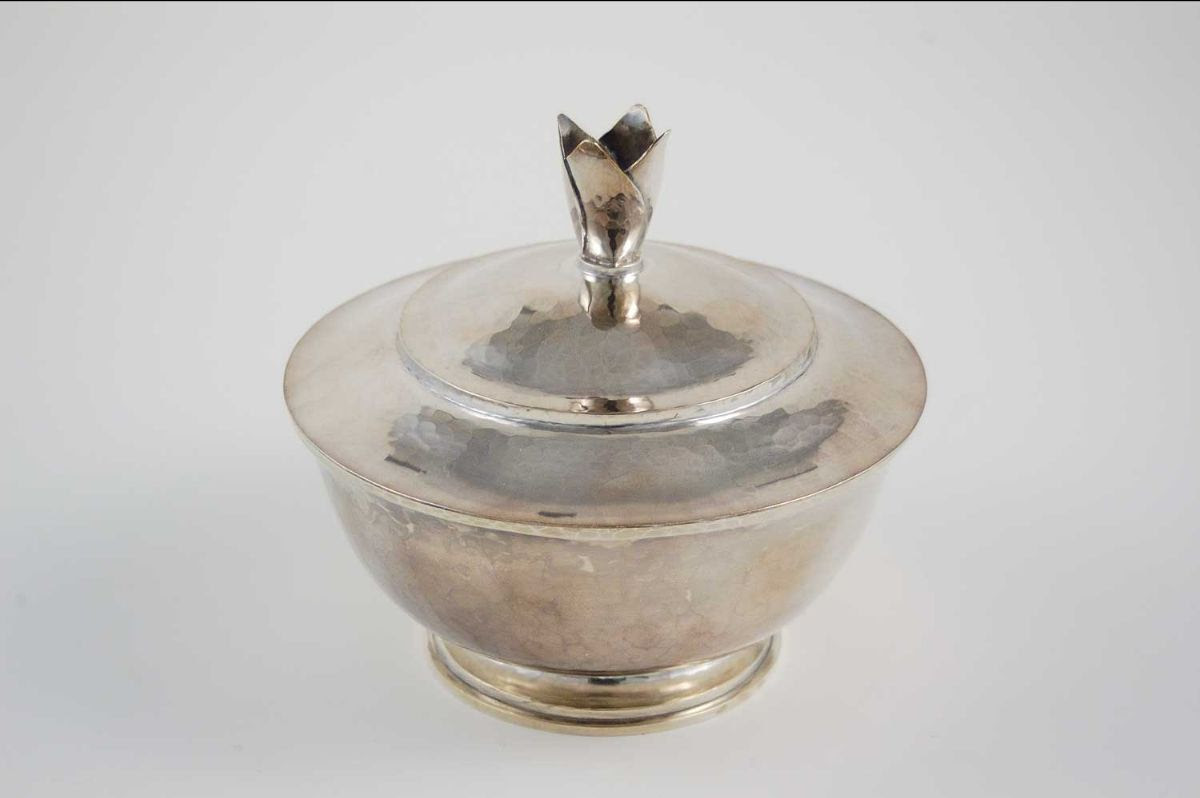
Left to right: William Waldo Dodge Jr., Teapot, 1928, hammered silver and ebony, 8 × 5 3/4 × 9 1/2 inches. Asheville Art Museum. © Estate of William Waldo Dodge Jr. | William Waldo Dodge Jr., Lidded vegetable bowl, 1932, hammered silver, 6 × 6 5/8 × 6 5/8 inches. Asheville Art Museum. © Estate of William Waldo Dodge Jr.

Useful and Beautiful: Silvercraft by William Waldo Dodge features a selection of functional silver works by Dodge drawn from the Museum’s Collection. Organized by the Asheville Art Museum and curated by Whitney Richardson, associate curator, this exhibition will be on view in the Debra McClinton Gallery at the Museum from February 23 through October 17, 2022.

William Waldo Dodge Jr. (Washington, DC 1895–1971 Asheville, NC) moved to Asheville in 1924 as a trained architect and a newly skilled silversmith. When he opened for business promoting his handwrought silver tableware, including plates, candlesticks, flatware (spoons, forks, and knives), and serving dishes, he did so in a true Arts and Crafts tradition. The aesthetics of the style were dictated by its philosophy: an artist’s handmade creation should reflect their hard work and skill, and the resulting artwork should highlight the material from which it was made. Dodge’s silver often displayed his hammer marks and inventive techniques, revealing the beauty of these useful household goods.

The Arts and Crafts style of England became popular in the United States in the early 1900s. Asheville was an early adopter of the movement because of the popularity and abundance of Arts and Crafts architecture in neighborhoods like Biltmore Forest, Biltmore Village, and the area around The Grove Park Inn. The title of this exhibition was taken from the famous quotation by one of the founding members of the English Arts and Crafts Movement, William Morris, who said, “have nothing in your house that you do not know to be useful or believe to be beautiful.” Not only did Dodge follow this suggestion; he contributed to American Arts and Crafts silver’s relevancy persisting almost halfway into the 20th century.

“It has been over 15 years since the Museum exhibited its collection of William Waldo Dodge silver and I am looking forward to displaying it in the new space with some new acquisitions added,” said Whitney Richardson, associate curator. Learn more at ashevilleart.org.

TL Lange: “Twenty Years Gone” Retrospective Exhibition
Mar 6 @ 12:00 pm – 6:00 pm
Phil Mechanic Studios

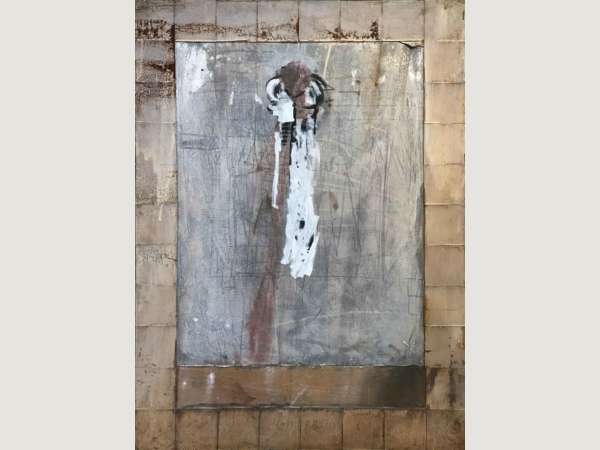
Arguably the most talented of the three Lange brother artists, TL Lange was an actual rockstar in Atlanta before he was an art rockstar in Asheville. “He was going to participate in the Fall Studio Stroll (2001) but something came up. He dropped a couple of cardboard jericho cases with random unstretched canvases & paper pieces for me to sell. This work is from that batch. It has never been viewed by the public before; some are for sale & others are only being shown.” –Stephen Lange. Twenty of these TL Lange paintings will be included in this exhibition as well as prints of Anonymous Bathers, one of his most noteworthy creations.TL Lange was born and raised in Charleston before studying drawing and painting at Winthrop University in Rock Hill, SC. After spending about five years in Atlanta, where he first made a name for himself in the art world, he moved to North Carolina where he maintained his home and atelier until his untimely death at the age of 36. Lange started his work with “concrete visions”, and actually began several paintings at one time. He tried to allow some form of synchronicity to determine his next decision. As the artist said, “I make marks for the sake of themselves. I create error that I find attractive in all of our everyday lives. However, I leave it hanging three marks shy of discernment. What I mean by that is that I choose that it not be understood or to be scrutinized by its detail or its adherence to reality—only to be seen for its sense and its nostalgic response without my personal sentiment.” A figurative and abstract artist, TL Lange had exhibited in numerous, prominent galleries in his young career. A condensed list includes Artworks Gallery (Salt Lake City, UT), Art Works (Atlanta, GA), Human Arts Gallery (Atlanta, GA), Landsdell Gallery (Atlanta, GA) and Art Dallas (Dallas, TX), Mary Bell Galleries (Chicago, IL) and Foster White Galleries (Seattle, WA). TL Lange’s remarkable artwork can be found in many private, corporate, and public collections including Wentworth Galleries, Larson Juhl Frames, and Saks Fifth Avenue Corporation and Microsoft Corporation.

Film: ENDURING CARE
Mar 6 @ 2:30 pm – 3:30 pm
Asheville Art Museum

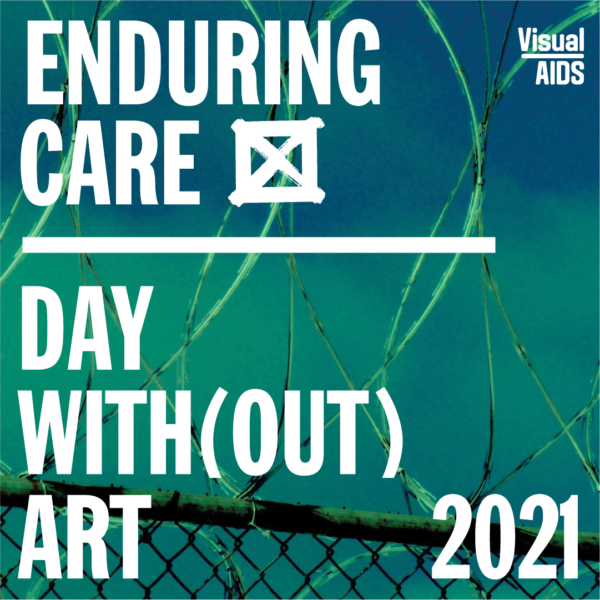
The Asheville Art Museum is proud to partner with Visual AIDS for Day With(out) Art 2021 by presenting ENDURING CARE, a video program highlighting strategies of community care within the ongoing HIV epidemic. The program features newly commissioned work by Katherine Cheairs, Cristóbal Guerra, Danny Kilbride, Abdul-Aliy A. Muhammad and Uriah Bussey, Beto Pérez, Steed Taylor, and J Triangular and the Women’s Video Support Project.

From histories of harm reduction and prison activism to the long-term effects of HIV medication, ENDURING CARE centers stories of collective care, mutual aid, and solidarity while pointing to the negligence of governments and non-profits. The program’s title suggests a dual meaning, honoring the perseverance and commitment of care workers yet also addressing the potential for harm from medications and healthcare providers. ENDURING CARE disrupts the assumption that an epidemic can be solved with pharmaceuticals alone, recasting community work as a lasting form of medicine.

Visual AIDS is a New York-based non-profit that utilizes art to fight AIDS by provoking dialogue, supporting HIV+ artists, and preserving a legacy, because AIDS is not over.

Presented in conjunction with Ruminations on MemoryGenerous funding for exhibition programming provided by Art Bridges.

FILMS

Drop into screen art films, films that relate to artists and artworks in our galleries, and films about the ins and outs of the art world.

Painting Class Social
Mar 6 @ 3:30 pm – 6:30 pm
959 Merrimon Ave

This is a Painting Class Social with a painting teacher guiding the class.

This event is for anyone over the age of 18 who would like to attend a Small Group painting class. All supplies are included, along with the space and the teacher, mask and vaccination cards are required. This is a 2 hours class with a couple 10 minute breaks. It could last up to 3 hours depending on the nature of the class. There is high ph water and two restrooms at the facility but no snacks or drinks are allowed at the tables to keep everything safe at the time. This is a fun class where we mingle and visit, meet new people and are taken step by step through a full painting all supplies are included. You take the painting home with you after the class. The location is on ground level and there is plenty of parking available. The teacher has her masters in studio art with a focus on painting and is happy to guide novis painters step by step through the painting process. Showing them everything from mixing the paint pallet to applying the paint to the canvas. We are centrally located on Merrimon ave. and the location is very easy to find as we are in business here. You can call as well we are in suite #2 at the Beaver Lake Office Suites at 959 Merrimon Ave. We are in the upper buildings right off Merrimon.

Monday, March 7, 2022
Asheville City’s Homeless Initiative: Point-In-Time Count Dashboard Launch
Mar 7 all-day
online
homelessness
Point-In-Time Count

Point in Time (PIT) Count Dashboard and Web Page Available on the City of Asheville Website


2021 Point in Time (PIT) count data is now available on the City of Asheville website.  The PIT data is displayed via dashboard, and presents numbers on those experiencing homelessness, either in emergency shelter, transitional housing or who are unsheltered. The 2022 Point in Time Count happened on January 25, and this dashboard will be updated with the new data later in the spring.


Each year, the City of Asheville, in collaboration with a number of local organizations that focus on housing insecurity, collects data on the people in our community that are experiencing homelessness in the annual Point in Time (PIT) count. The data collected are aggregated, with identifying information removed, and then are reported to the US Department of Housing and Urban Development (HUD), which requires that all communities that receive HUD funding to address homelessness conduct an annual PIT Count. This count is a one night “snapshot” that, when taken each year, can provide an overview of the population and trends over time.


“Understanding who is homeless in our community and what their needs are is essential in the work of ending homelessness.  We’re excited to partner with the Office of Data and Performance to share this information with the community so that stakeholders can be empowered with the data we all need to develop strategies that move the needle on homelessness,” stated Emily Ball, Homeless Services System Performance Lead for the City of Asheville.


The dashboard displays information on homeless Asheville residents broken down by sheltered status and race. Visitors to the webpage can explore the data further by clicking the link at the bottom of the dashboard, which navigates to a spreadsheet where the data is broken down by gender, ethnicity, and veteran’s status, as well as the number of people who are chronically homeless in our community. The dashboard is a collaborative effort between the City’s Homeless Initiative in the Community and Economic Development department and the Office of Data & Performance in IT Services.

The PIT Dashboard and information regarding its findings are located on the City of Asheville’s website.  For more information on the City’s Homeless Initiative, contact Brian Huskey ([email protected]) or Emily Ball ([email protected]). For information on affordable housing, emergency housing, rental assistance or down payment assistance, or to learn how to assist our homeless community, please call 211. The service is free, confidential and available in any language.
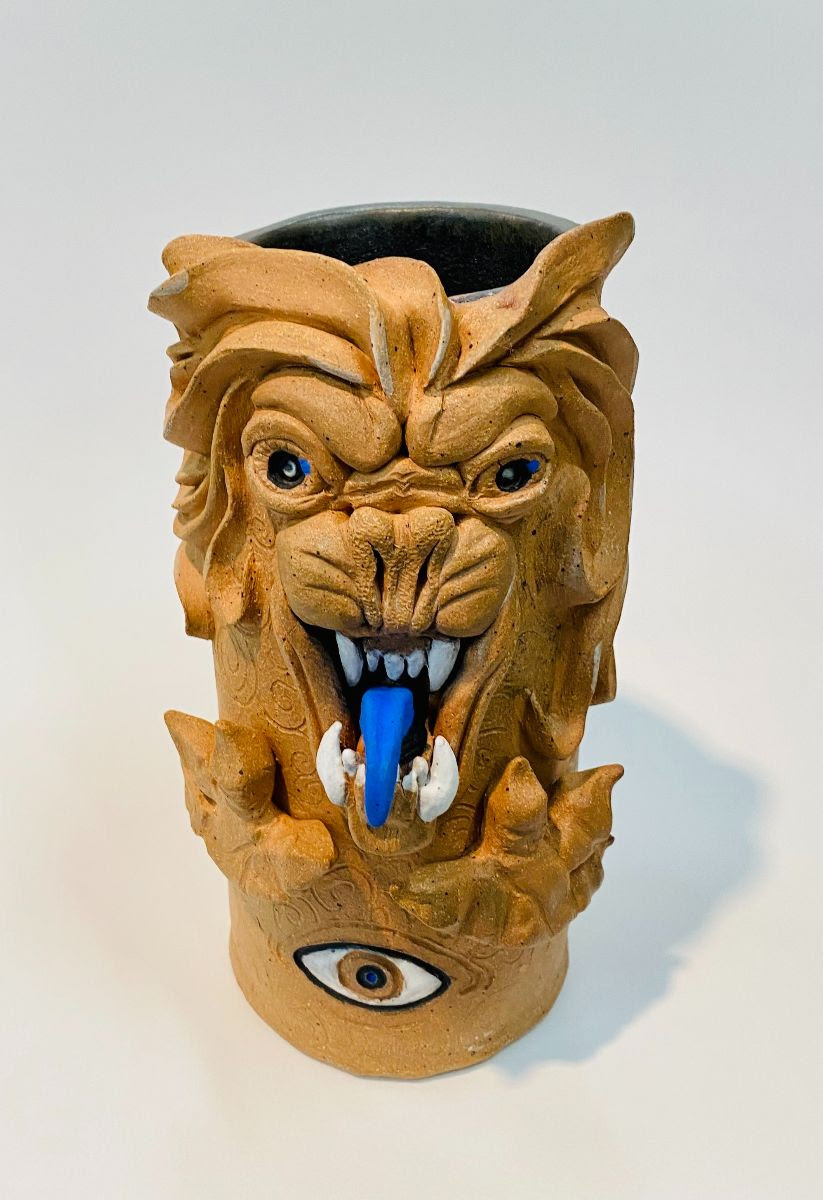
RiverRATS: Spring Season lessons:. Request a Free Lesson for Your Class
Mar 7 @ 9:00 am – 4:00 pm
various locations in Buncombe County

RiverRATS: Spring Season

Get your students in the water this spring with our free RiverRATS lessons. We’ll give your students all the tools they need to act as stream ecologists and build a deeper connection with our local water resources.

 
“Weaving Across Time”
Mar 7 @ 10:00 am – 6:00 pm
Center for Craft

Bringing thousands of years of tradition into conversation with contemporary practice, the Center for Craft’s exhibition ᎢᏛᏍᎦ ᏫᏥᏤᎢ ᎠᎵᏰᎵᏒ Weaving Across Time showcases the works of nine Eastern Band Cherokee basket makers. Touching on the dynamic evolution of lineage, sustainability, and cultural expression, the exhibition opens on December 13. This exhibition is supported in part by the Cherokee Preservation Foundation, the National Endowment for the Arts, and AARP, Mountain Region North Carolina.

The artists’ work with two of the oldest materials in Cherokee basket making tradition, mountain rivercane and white oak, both of which have been used for thousands of years by Southeastern tribes. The end results are both beautiful and functional – entries in an evolving craft tradition that began tens of thousands of years ago and is experiencing a resurgence. The labor-intensive process of basket making, which includes harvesting materials, gathering plants for dyes, and deciding on intricate patterns, itself becomes a key component of the final object, which interweaves ecology, culture, land, and identity.

These plants, particularly rivercane, are at the heart of Cherokee tradition and culture. The subject of serious conservation efforts, rivercane is also a vital plant for water quality and erosion mitigation, as well as a habitat for riparian species. Despite its importance, the effects of climate change and continually encroaching development in rivercane habitats has contributed to its depletion, both as a material for artists and a plant essential for environmental health. Basket makers harvesting rivercane for splints approach the plant with deep reverence and knowledge of its centrality to the ecosystem, sometimes traveling hundreds of miles to harvest it sustainably.

Other materials, selected with just as much care, reveal elements of process and the natural environment, including the plants available to harvest in particular seasons. White oak can be gathered year-round, but is easiest to process in spring and summer when sap runs up the tree. Dyes used for the baskets, sourced from plants including bloodroot, butternut, and walnut, add rich color to final pieces while also revealing information about harvest time and supply. The laborious, intensive process links generations of basket makers across centuries.

As Cherokee lands have been stolen or transformed beyond recognition, materials are harder to come by, but the rewards are rich. As basket maker ᏚᏍᏓᏯᎫᎾᏱ Gabriel Crow, explains, “When you’re taking that extra step, going out and doing this completely by hand, you’re a basket maker, not just a weaver. My hands are rough and calloused over because I make the splints myself.” Crow makes an average of just 20 baskets a year and, like other basket makers, wastes no scraps, instead making mats, miniature pieces, or, as a last resort, using them for kindling.

The baskets in the exhibition, all of which were created in the last two decades, connect lineages across time and space in a vibrant, living tradition. Patterns based on rhythmic numerical sequences are passed down from teacher to student. Basket makers also borrow from contemporaries and innovate to create pieces in their own recognizable styles. Basket maker ᎺᎵ ᏔᎻᏏᏂ Mary W. Thompson, who is also the consulting artist for The Basket public art parklet, finds inspiration in designs she sees on her travels to visit other tribes in North and South America. For her, baskets are symbolic of Cherokee resilience. “The Cherokee have always been able to change and adapt with time,” she says, “so our artwork and art forms have changed and evolved along with us.”

The exhibition will be on view until April 22. Visitors can reserve 30-minute time slots for unguided visits to explore the current exhibitions, learn more about the Center’s national impact, and enjoy interactive activities. The Center is open to the public Monday – Friday, 10 am – 6 pm. Hours of operation may be subject to change.

Center for Craft is monitoring the effects of COVID-19 on the community and following the instruction of federal, state, and local health departments. Our top priority is always the health and safety of our staff, coworkers, and visitors. At this time, the Center requires the use of masks or face coverings by all visitors, including children. The Center reserves the right to refuse entry to any visitor that will not comply.

Of Body + Mind Art Exhibit
Mar 7 @ 10:00 am – 5:00 pm
North Carolina Glass Center

Our first exhibition of the year, Of Body & Mind, explores the connection between form and soul. Both functional and sculptural glass work is displayed. Artists are encouraged to expand the concept beyond static objects. The show exhibits work of glass artists living in Western North Carolina or who have a connection to the area. The exhibit is open during our regular gallery hours in D Space. Closed Tuesdays. Masks required. A reception will be announced at a later date. Featured artwork: ‘Be Here Now’ by Ben Greene-Colonnese.

Place and Presence: exhibition featuring new works by Asheville artists Linda Gritta and Moni Hill
Mar 7 @ 10:00 am – 6:00 pm
Bender Gallery

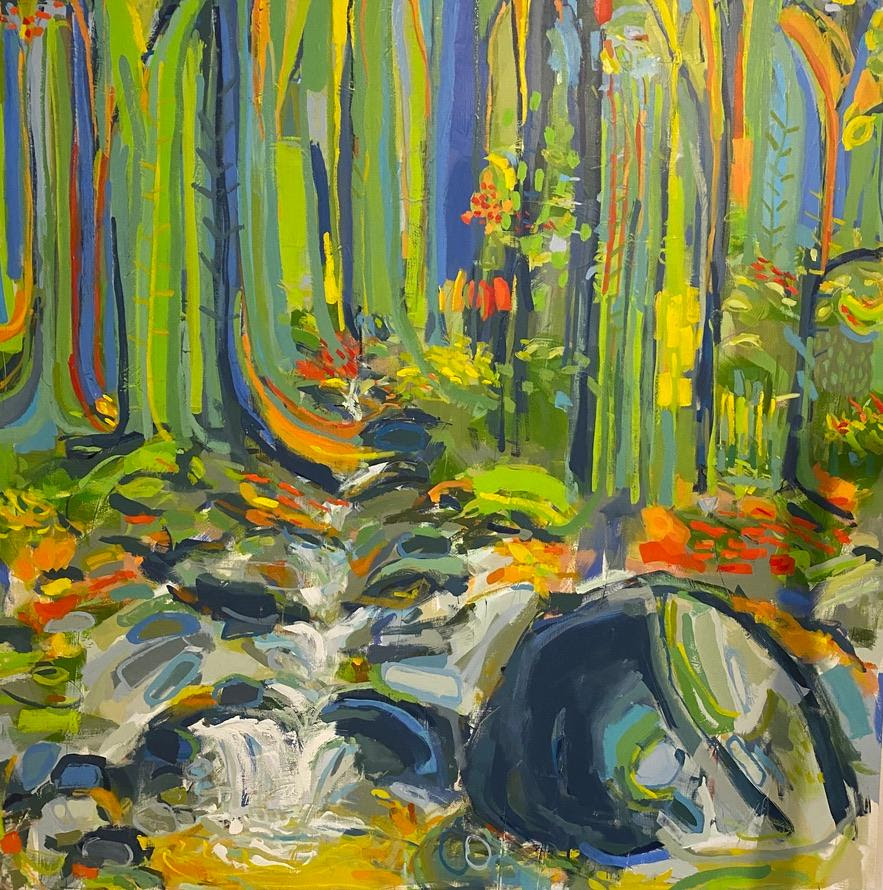
Interesting Finds
Linda Gritta
mixed media on canvas
36 x 36 inches

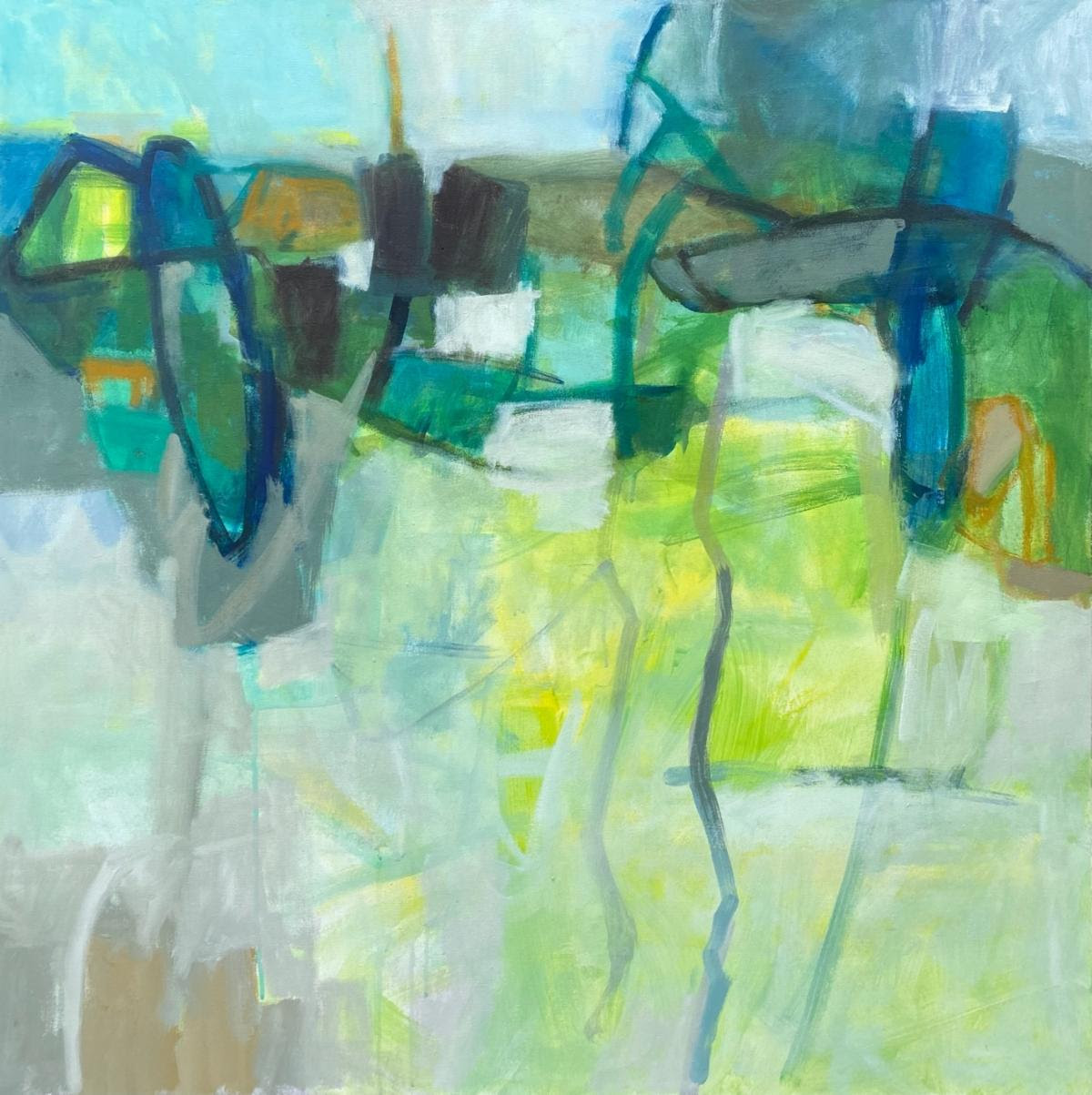
Sweeten Creek on Busbee Mountain
Moni Hill
acrylic on panel
60 x 60 inches
Gritta and Hill are abstract painters with different yet complementary styles reflecting the chaotic nature of the modern world and finding respite in nature and art. The exhibition celebrates the artists’ vibrant abstract work and their interconnection with Western North Carolina and its longstanding arts culture. Place and Presence runs from April 2nd through 30th during Bender Gallery’s regular business hours. There will be an opening reception for Gritta and Hill at the gallery on Saturday April 2nd from 6 to 9 PM at 29 Biltmore Avenue in downtown Asheville. Both artists will be in attendance to discuss their work. We hope to see you there!
SHOWCASE OF EXCELLENCE
Mar 7 @ 10:00 am – 4:00 pm
Tryon Fine Arts Center

Showcase of Excellence features the exceptional artistic talent of high school students in our area. This premier event is a juried fine arts competition that offers young artists their first taste of a professional gallery environment. Cash prizes are awarded for the top student artists and teachers.

High school teachers in North and South Carolina are invited to submit their students’ best work in painting, drawing, sculpture, mixed media, printmaking, and photography.

First Prize and Best in Show students are awarded a cash prize to encourage their artist pursuits. Winning teachers are awarded a Be Inspired Grant that they may use for classroom projects. These prizes are made possible by our generous donors.

The 2022 Showcase of Excellence will held from February 19 – March 12 in the Parker Gallery at TFAC.

Information about registration and Showcase rules can be found below.


2022 WNC Regional Scholastic Art Awards Exhibition
Mar 7 @ 11:00 am – 6:00 pm
Asheville Art Museum
Olivia Jones, Face Vessel, Ceramics & Glass, Silsa-Asheville High School, Grade 12. 2022 WNC Regional Scholastic Art Awards, Gold Key award.
The Asheville Art Museum has announced the regional award recipients of the 2022 Scholastic Art Awards and artworks will be on view at the Museum.
The regional program is judged in two groups: Group I, grades 7–8 and Group II, grades 9–12. Out of 540 total art entries, 190 works have been recognized by the judges, and Gold and Silver Key award-winning artworks are featured in this exhibition while honorable mentions will be featured digitally. The 2022 regional judges include local artists and educators Brandy Bourne, Jenny Pickens, and M. Paige Taylor.

Those works receiving Gold Keys have been submitted to compete in the 99th Annual National Scholastic Art Awards Program in New York City. Of the Gold Key Award recipients, five students have also been nominated for American Visions, indicating their work is the Best in Show of the regional awards. One of these American Visions Nominees will receive an American Visions Medal at the 2022 National Scholastic Art Awards. Award winners include students from public, private, homeschools, and charter schools in Buncombe, Burke, Haywood, Henderson, Jackson, Madison, McDowell, Rutherford.

Since the program’s founding in 1923, the Scholastic Art Awards have fostered the creativity and talent of millions of students, and include a distinguished list of alumni including Andy Warhol, who received recognition in the Awards when he was a teen.

National Gold Key medalists will be announced in March 2022 and honored during a special awards ceremony in June 2022.

For more information about the Alliance for Young Artists & Writers and the Scholastic Art & Writing Awards, visit the Scholastic Newsroom: mediaroom.scholastic.com/artandwriting.

Citations (left to right): Wen Yaxuan, Shakivatou, Painting, Asheville School, Grade 12. 2022 WNC Regional Scholastic Art Awards, Gold Key award. | Gracie Hart, Fly, Drawing & Illustration, West Henderson High School, Grade 11. 2022 WNC Regional Scholastic Art Awards, Gold Key award.
About the Asheville Art Museum  
The Museum’s galleries, the Museum Store, Art PLAYce, and Perspective Café are open with limited capacity. The Frances Mulhall Achilles Art Research Library remains temporarily closed. The Museum welcomes visitors Wednesday through Monday from 11am to 6pm, with late-night Thursdays from 11am to 9pm. The Museum is closed on Tuesdays. General admission is always free for Museum Members, UNC Asheville students, active-duty military personnel with valid ID, and children under 6; $15 per adult; $13 per senior (65+); and $10 per student (child 6–17 or degree-seeking college students with valid ID). Admission tickets are available at ashevilleart.org/visit. Visitors may become Members at the welcome desk during their visit or online at ashevilleart.org/membership.
A Hand in Studio Craft: Harvey K. Littleton as Peer and Pioneer Exhibition
Mar 7 @ 11:00 am – 6:00 pm
Asheville Art Museum

Harvey K. Littleton, Amber Maze, 1968, blown glass, 8 3/4 × 10 1/2 × 6 inches. Asheville Art Museum. © Estate of Harvey K. Littleton.
Asheville, N.C.A Hand in Studio Craft: Harvey K. Littleton as Peer and Pioneer highlights recent gifts to the Asheville Art Museum’s Collection and loans from the family of glass artist Harvey K. Littleton. This exhibition places Harvey and Bess Littleton’s collection into the context of their lives, as they moved around the United States, connected with other artists, and developed their own work. This exhibition—organized by the Asheville Art Museum and curated by Whitney Richardson, associate curator—will be on view in the Judith S. Moore Gallery at the Museum from January 19 through June 27, 2022.

Harvey K. Littleton (Corning, NY 1922–2013 Spruce Pine, NC) founded the Studio Glass Movement in the United States in 1962 when, as a teacher, he instituted a glass art program at the University of Wisconsin in Madison, the first of its kind in the United States. He taught the next generation of glass artists—who taught the next—and his influence can still be seen today. But before he dedicated himself to the medium of glass, Littleton studied industrial design, ceramics, and metalwork at the University of Michigan and the Cranbrook Academy of Art in the late 1930s and early 1940s. He met his wife Bess Tamura Littleton, a painting student, at the University of Michigan. Over the course of their careers, Harvey and Bess collected artwork by their fellow artists and amassed an impressive collection from the early days of the Studio Glass Movement and the height of the American mid-century Studio Pottery Movement.

“This exhibition offers the viewer an exciting opportunity to see some of Harvey K. Littleton’s early work in ceramic and metal—directly from his family’s collection—before he began making art in glass,” says Whitney Richardson, associate curator. “Best known for his glassworks, those will be on display alongside the work of his students and his peers making clear the influence he had on them and the Studio Glass Movement.” 

A Living Language: Cherokee Syllabary and Contemporary Art
Mar 7 @ 11:00 am – 6:00 pm
Asheville Art Museum

Rhiannon Skye Tafoya (Eastern Band of Cherokee Indians), Ul’nigid’, 2020, letterpress (photopolymer and Bembo & Cherokee Syllabary metal type) printed on handmade & color plan paper with paperweaving, closed: 11 × 11 ¼ inches, assembled: 23 ½ × 11 ¼ × 5 ⁵⁄₈ inches. Courtesy the Artist. © Rhiannon Skye Tafoya, image Rhiannon Skye Tafoya.
 Living Language: Cherokee Syllabary and Contemporary Art features over 50 works of art in a variety of media by 30+ Eastern Band of Cherokee Indians (EBCI) and Cherokee Nation artists. The exhibition highlights the use of the written Cherokee language, a syllabary developed by Cherokee innovator Sequoyah (circa 1776–1843). Cherokee syllabary is frequently found in the work of Cherokee artists as a compositional element or the subject matter of the work itself. The exhibition will be on view at the Museum of the Cherokee Indian in Cherokee, NC from June 12, 2021 to October 31, 2021, and in the Asheville Art Museum’s Appleby Foundation Exhibition Hall from November 19, 2021 to March 14, 2022.

The Cherokee Syllabary is a system of writing developed by Sequoyah in the early 1800s prior to the Removal period. Through Sequoyah’s innovative work, Cherokee people embraced the writing system as an expedient form of communication and documentation. During the Removal period, the syllabary was used as a tactic to combat land dispossession. Cherokee people continue to use the syllabary as a form of cultural expression and pride, which is showcased in the contemporary artwork of the Cherokee Citizens in this exhibition.

“We’re pleased to host this gathering of works from contemporary Cherokee artists, who perfectly illustrate how our language is a living and evolving part of who we are. It’s moving to see how each artist finds inspiration in their own way from this language that connects us as Cherokee people,” said Shana Bushyhead Condill, executive director of the Museum of the Cherokee Indian.

“The Asheville Art Museum and the Museum of the Cherokee Indian have been long-term collaborators, and we are delighted to further our partnership by working together to manage an open call to Cherokee artists and subsequently curate this exciting exhibition of contemporary works that take inspiration from, celebrate, preserve and interpret the syllabary,” said Pamela L. Myers, executive director of the Asheville Art Museum. “On view at both museums, we hope the exhibition engages a wide and diverse audience in dialogue with these extraordinary works.”

A Living Language: Cherokee Syllabary and Contemporary Art is organized by the Asheville Art Museum and Museum of the Cherokee Indian, and curated by Hilary Schroeder, assistant curator at the Asheville Art Museum, with assistance from curatorial consultant Joshua Adams (Eastern Band of Cherokee Indians). Special thanks to S. Dakota Brown, education director at the Museum of the Cherokee Indian, and Alexis Meldrum, curatorial assistant at the Asheville Art Museum, for their support in the planning of this exhibition. This project is made possible in part by a grant from the Blue Ridge National Heritage Area Partnership, and sponsored in part by the Cherokee Preservation Foundation and Kevin Click & April Liou in memory of Myron E. Click.

Eastern Band of Cherokee Indians artists include Joshua Adams, Jody Lipscomb Bradley, Nathan Bush, Kane Crowe, John Henry Gloyne, Shan Goshorn, Luzene Hill, Christy Long, Louise Bigmeat Maney, Christopher McCoy, Tara McCoy, Joel Queen, Sean Ross, Jakeli Swimmer, Rhiannon Skye Tafoya, Mary Thompson, Stan Tooni Jr.,  Alica Wildcatt, and Fred Wilnoty.

Cherokee Nation artists include Roy Boney Jr., Jeff Edwards, Joseph Erb, Raychel Foster, Kenny Glass, Camilla McGinty, Jessica Mehta, America Meredith, Jane Osti, Lisa Rutherford, Janet L. Smith, Jennifer Thiessen, and Jennie Wilson.

About the Museum of the Cherokee Indian

Established in 1948, the Museum of the Cherokee Indian is one of the longest operating tribal museums. Recognized for its innovative storytelling, the Museum features exhibits, artwork, and hands-on technology that brings over 15,000 years of Cherokee history to life. Located in Cherokee, NC, the Museum is open daily except Thanksgiving, Christmas, and New Year’s Day. Learn more by visiting mci.org.

March Art Exhibit, New Members Show “Color Dance”
Mar 7 @ 11:00 am – 6:00 pm
Asheville Gallery of Art

Asheville Gallery of Art March 2022 Exhibit, New Members Show“Color Dance” will feature works by four new gallery members: Anne Marie Brown, Raquel Egosi, JoAnn Pippin, and Cindy Shaw. The show will run March 1-31 during gallery hours, 11am-6pm. An event to meet the artists will be held at the gallery on First Friday, March 4, from 5-8pm at 82 Patton Avenue. These four exciting artists have selected “Color Dance” as the theme for their show. Paintings are generally static and are confined within a frame. The combined creative energy of these artists has seemingly moved beyond these limits, to create beautiful expressions of dynamic, moving shapes, captured within a spatial environment. They wish their works to evoke thoughts, emotions, and awareness to celebrate the sentient meaning of life. Please join us for “Color Dance” to revel in the paintings presented by these new gallery artists. They will deliver dynamic color, vibrancy, and hue into scenes that will dance their way into your heart. Anne Marie Brown began painting when, as a florist, she would paint small watercolors of her floral designs. She has exhibited in outdoor shows for over ten years and has had exhibitions in numerous galleries. Now settled in the mountains, she is inspired to paint the sweeping vistas and flora and fauna within. Anne Marie works in watercolor, gouache, oil, and acrylic, and hopes the images that touch her heart and canvas will touch yours as well. Color is music to my eyes. The song that is created on the canvas makes my heart dance. Raquel EgosiRaquel’s art career began in 1996 in Brazil. Studying with acclaimed artists and attending a variety of painting classes, she was active in her local art community, collaborating and setting up art shows. She currently participates regularly in gallery shows and museum exhibitions. Her art sells internationally, and she leads workshops for mixed media techniques in both the United States and overseas. Constructed using a variety of mixed media, my compositions are exceedingly rich in color and texture, with partial or fully figurative and abstract elements. JoAnn Pippin, her passion is to explore different watercolor techniques, with her subjects. Her paintings have been exhibited in juried art shows throughout the US, and her focus is on color, composition, and texture, to create light and mood through technique. The theme “Color Dance” is especially meaningful to watercolorists, because we literally watch color dance and blend when we add wet paint to wet paper. It is not simply mixing colors on the palette and placing them in our work, but the excitement of observing the action as they blend and mingle to create wonderful new hues. Cindy Shaw originally trained as an Architect and worked for many years on projects as well as teaching. However, when her husband’s career took her to rural Italy, she purchased art supplies and began to paint. While there, she enjoyed exploring the Italian countryside and capturing “le viste belle!”. Returning home to the USA, she has continued to grow and develop as an impressionist artist over the past decade. “Color adds depth and meaning, not only to our paintings, but also to our outlook on life. Color can be joyful, dramatic, and exciting.”

Ruminations on Memory Exhibition
Mar 7 @ 11:00 am – 6:00 pm
Asheville Art Museum
Robert Rauschenberg, John from the Ruminations series, 1999, photogravure on paper, edition 3/46, publisher: Universal Limited Art Editions, Bay Shore, NY, 29 ½ × 38 7/8 inches. Asheville Art Museum. © Robert Rauschenberg Foundation / VAGA at Artists Rights Society (ARS), New York.

Ruminations on Memory contends with the act of remembrance and reflection, featuring a rare presentation of all nine prints from Robert Rauschenberg’s Ruminations portfolio, Judy Chicago’s Retrospective in a Box portfolio, and selections from the Museum’s Collection. Organized by the Asheville Art Museum and curated by Hilary Schroeder, assistant curator, this exhibition will be on view in Appleby Foundation Exhibition Hall at the Museum from November 19, 2021 through March 14, 2022 in conjunction with A Living Language: Cherokee Syllabary and Contemporary Art

Artworks are vessels for processing, recalling, and reflecting on the past. Artists often draw upon materials from their own pasts and grasp at fleeting moments in time in the creation of an object. For the viewer, observation of an artwork can draw out personal memories.

Artworks in a variety of media explore various ways of remembering, including individual memories that focus on the moments from an artist’s past; generational memory that looks back to one’s ancestors, whether recent or long past; and collective memory, wherein in an image might evoke bygone times that balance between constructed and real. Through these artworks that ruminate upon the past, viewers may discover the stirrings of their own thoughts and recollections prompted by the works before them.

Ruminations on Memory offers a unique opportunity to experience the entirety of a major print portfolio by American painter Robert Rauschenberg (Port Arthur, TX 1925–2008 Captiva, FL). Rauschenberg was a student at Black Mountain College in NC for the 1948–1949 and 1951–1952 academic sessions and for the 1951 and 1952 summers. His Ruminations series consists of nine color photogravures which were printed in 1999 and reflect on Rauschenberg’s early life, his friends and family, and the memories he held dear. The series represents especially significant mature work by Rauschenberg that looks back to his most formative moments as an artist including his time at Black Mountain College and the friendships and ideas formed there.

Also presented in the exhibition is an important series of prints by Judy Chicago (born Chicago, IL 1939). Five decades into her career, Chicago stands as one of the foremost artists of the 20th and 21st centuries, having committed to socially minded work, uplifting in particular experiences salient to her feminine and Jewish identities. Retrospective in a Box consists of seven prints and a portfolio created in collaboration with the master printers at Landfall Press, and provides an overview of her major motifs and ideas, including the print Spring the Dinner, a nod to her seminal 1979 work The Dinner Party.

In addition to the artworks from the Museum’s Collection, visitors will be able to experience Felix Gonzales-Torres’s “Untitled” (L.A.), on loan from the Art Bridges collection. “Untitled” (L.A.) is one of the artist’s iconic interactive candy installations where memories are engaged not only through sight but through sound, touch, taste, and smell as well.

Learn more about Ruminations on Memory and A Living Language: Cherokee Syllabary and Contemporary Art at ashevilleart.org.