

Calendar of Events
Upcoming events and things to do in Asheville, NC. Below is a list of events for festivals, concerts, art exhibitions, group meetups and more.
Interested in adding an event to our calendar? Please click the green “Post Your Event” button below.
Hendersonville Racquet Club is offering a six week series of classes for adult beginner tennis players. Try Tennis is a tennis instruction program for beginners. The Monday night classes are 6 pm. The cost is $40 for the six weeks and includes six hours of instruction, a tennis racquet and a Try Tennis t-shirt.
“Try Tennis is a great program we do in partnership with the NC USTA. Their help allows new players to get from couch to court in six weeks at less than half the price it would normally cost…plus participants get a t-shirt and racquet! We will teach you the right way to play with certified tennis pros. This is a great program to get into tennis for adults.” stated HRC Director of Adult Programs Cre Still.
Hendersonville Racquet Club is a six acre complex that includes 7 outdoor tennis courts, 3 arena tennis courts, four racquetball courts, three pickleball courts, an outdoor swimming pool, fitness center, group fitness room and outdoor leisure area by Shaw’s Creek and pond.

This annual conference brings together student EcoReps, sustainability interns, and faculty and staff advisers from around the region for a weekend of peer leadership training and collaboration. This conference is a great opportunity to learn from your peers, share your successes (and get constructive feedback), and get inspiration you can bring back to your own campus.
Key topics in 2021 will include:
• Justice, Equity, Diversity, & Inclusion in our work
• Effective Student Leadership/ Peer 2 Peer education
• Zero Waste initiatives
• Educational initiatives & events
• Adapting to COVID-19
• Translating student visions into institutional action
This conference will be held VIRTUALLY due to the ongoing COVID-19 Pandemic.
Register
There is no fee to attend, however, you must register to participate in the virtual sessions. The registration deadline is Friday, March 19 at midnight.

Desire Paths looks at makers within the discourse of craft and those existing on the periphery of the craftscape who focus on the movement of the body towards something desirable. These desires of the body are in relationship to nature, technology, self, and society. Using architectural theory and queer curatorial strategies, Desire Paths examines the possibilities and futures of bodies, revealing connections between the corporeal and craft.
“Desire paths,” a term taken from urban planning, are lines trodden in the landscape when constructed walkways do not provide a direct or desired route. Through action, repetition, and intentionality, desire paths are crafted modifications to the landscape that allow for a body to move towards a horizon. The format of the works include traditional craft media, performance, video, and interactive web-based work. Through this variety of media and performative tactics the makers in Desire Paths consider how we view, value, and ascribe meaning to a body/the body/the others body. They show us the power and agency held in body and present us with crafted visions of the body that confront and expand expectations
The works in this exhibition reclaim the concept of craft from its historical associations with the decorative, frivolous, feminine, indigenous, and the other. The makers use the medium of craft, and the action of crafting, to produce powerful representations and counter narratives to dominant culture.
Two Ways to View
Virtual Tour
Online visitors can register to attend a virtual tour of this exhibition. This is a free event. A $5-10 donation at time of registration is recommended.
In-Person
The Center is offering free, unguided visits and affordable tours of its exhibitions to the public. Guests can reserve a 30-minute visit to explore the current exhibitions, learn more about the Center’s national impact in their Craft Research Fund Study Collection, and enjoy interactive activities. The Center is open to the public Tuesday-Friday, 11 am -5 pm. Hours of operation may be subject to change.
Center for Craft is monitoring the effects of COVID-19 on the community and following the instruction of federal, state, and local health departments. Our top priority is always the health and safety of our staff, coworkers, and visitors. At this time, the Center can only allow a maximum of five guests in its public space at once and will require the use of masks or face coverings by all visitors, including children. The Center reserves the right to refuse entry to any visitor that will not comply.
Black Is Beautiful is a collaborative effort in partnership with our friends at @weatheredsoulsbrewing whose shared mission is to bring awareness to the injustices that many People of Color face daily. Additional proceeds from select retailers will be donated to the Know Your Rights Campaign.

|

|
|
Share poetry in this inclusive group, either your own or by a favorite poet. Critiquing By request. You will receive a separate email with the Zoom link and log-in information. |
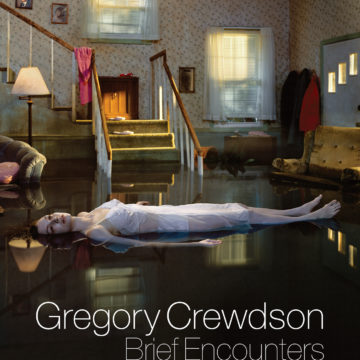
An acclaimed photographer with the eye of a filmmaker, Gregory Crewdson has created some of the most gorgeously haunting pictures in the history of the medium. Gregory Crewdson: Brief Encounters is a close-up portrait of the acclaimed photographer, filmed with unprecedented access over a decade as he creates his stunning images. For this program, director Ben Shapiro discusses his interest in Crewdson, the process of making the film, and answers questions from the audience. Presented in conjunction with Vantage Points: Contemporary Photography from the Whitney Museum of American Art, in partnership with the Grail Moviehouse. This program takes place via Zoom; space is limited. Generous support for exhibition programming provided by Art Bridges. Learn more and register at ashevilleart.org/events.
This annual conference brings together student EcoReps, sustainability interns, and faculty and staff advisers from around the region for a weekend of peer leadership training and collaboration. This conference is a great opportunity to learn from your peers, share your successes (and get constructive feedback), and get inspiration you can bring back to your own campus.
Key topics in 2021 will include:
• Justice, Equity, Diversity, & Inclusion in our work
• Effective Student Leadership/ Peer 2 Peer education
• Zero Waste initiatives
• Educational initiatives & events
• Adapting to COVID-19
• Translating student visions into institutional action
This conference will be held VIRTUALLY due to the ongoing COVID-19 Pandemic.
Register
There is no fee to attend, however, you must register to participate in the virtual sessions. The registration deadline is Friday, March 19 at midnight.
2021 WNC Regional Scholastic Art Awards
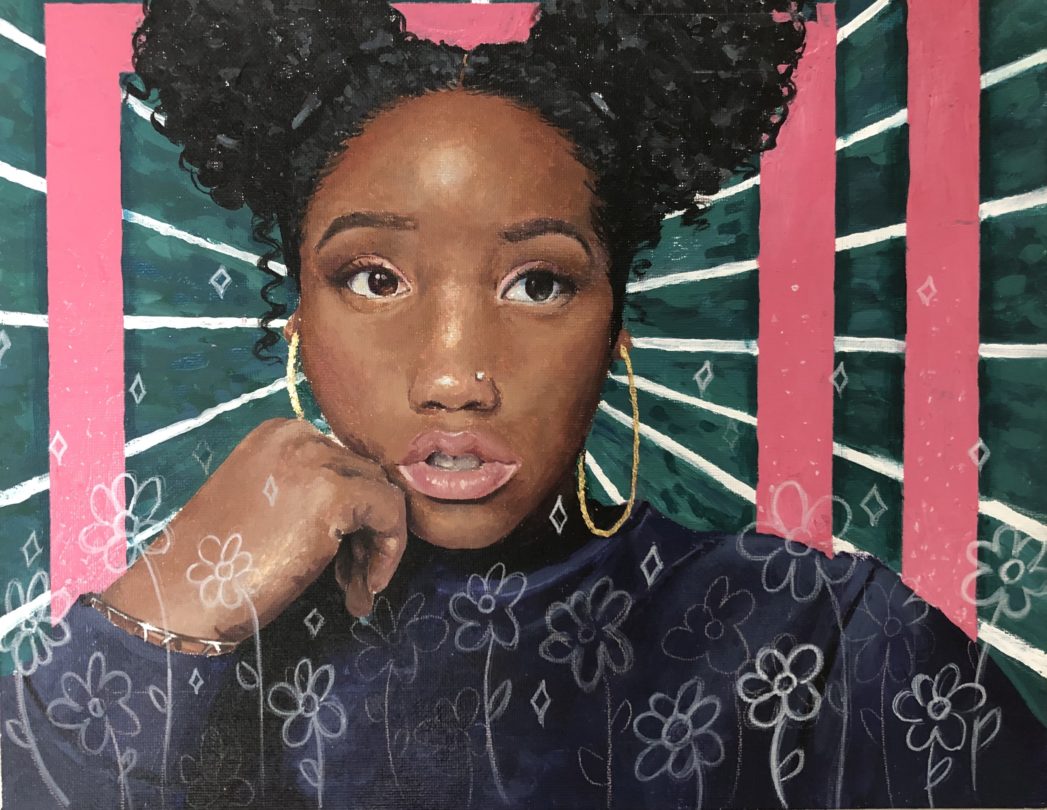
The Museum, with the assistance of its volunteer docents and support from the Asheville Area Section of the American Institute of Architects, is proud to sponsor the WNC Regional Scholastic Art Awards. Students in grades 7–12 from all across our region are invited to submit work for this special juried competition. The Museum works with the Alliance for Young Artists & Writers to facilitate regional judging of student artwork and recognition of our community’s burgeoning artistic talent.
In early spring each year, award winners are featured in an exhibition, and are honored at a ceremony. Regional Gold Key recipients’ work is sent to the National Scholastic Art competition hosted by the Alliance for Young Artists & Writers.
Across the Atlantic
Across the Atlantic
American Impressionism Through the French Lens
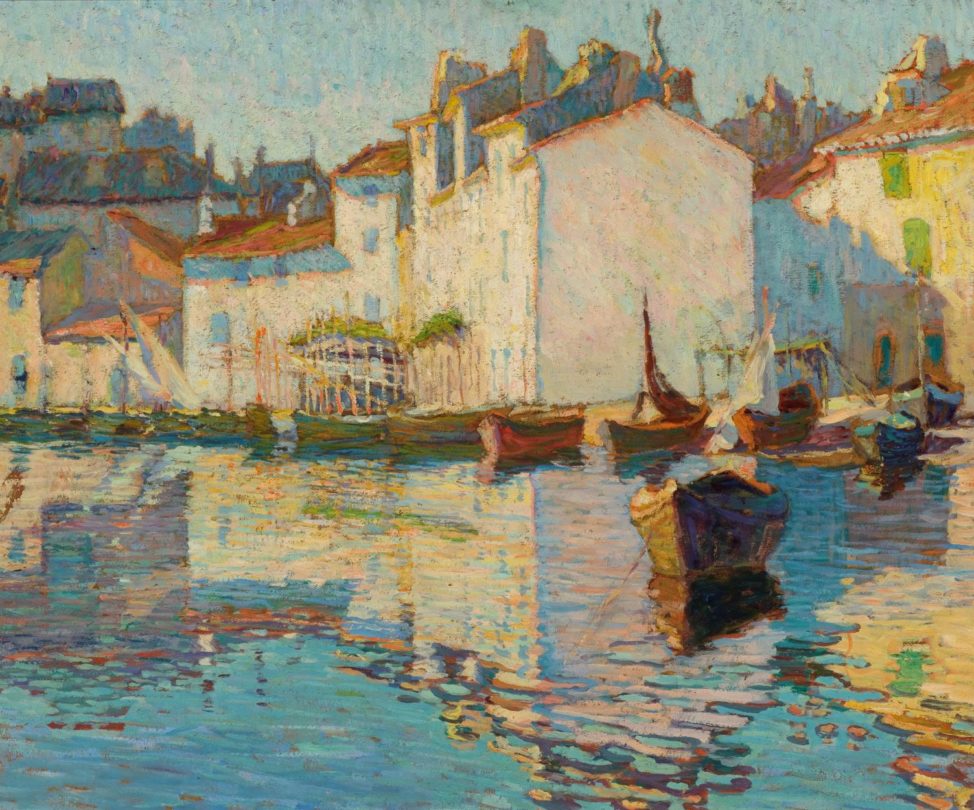
This extraordinary exhibition, drawn from the collection of the Reading Public Museum, explores the path to Impressionism through the 19th century in France. The show examines the sometimes complex relationship between French Impressionism of the 1870s and 1880s and the American interpretation of the style in the decades that followed. More than 65 paintings and works on paper help tell the story of the “new style” of painting which developed at the end of the 19th century—one that emphasized light and atmospheric conditions, rapid or loose brushstrokes, and a focus on brightly colored scenes from everyday life, including both urban and rural settings when artists preferred to paint outdoors and capture changing effects of light during different times of day and seasons of the year.
Across the Atlantic: American Impressionism through the French Lens is organized by the Reading Public Museum, Reading, Pennsylvania.
Generous support for this project provided by Art Bridges and The Maurer Family Foundation.
March is Red Cross Month, and for more than 130 years, heroic American Red Cross volunteers have provided hope and urgent relief to families in communities across the country.
This March the community is invited to join in the lifesaving mission of the Red Cross and be
someone’s hero by rolling up a sleeve to give blood.
According to the Red Cross, someone in the U.S. needs blood every two seconds to respond to
patient emergencies. Accident and burn victims, heart surgery and organ transplant patients,
and those receiving treatment for leukemia, cancer or sickle cell disease may all require blood.
All blood types are needed.
Be a hero in your community by rolling up a sleeve….
To make an appointment or to learn more, download the American Red Cross Blood Donor
App, visit RedCrossBlood.org, call 1-800-RED CROSS (1-800-733-2767) or enable the Blood
Donor Skill on any Alexa Echo device. Completion of a RapidPass® online health history
questionnaire is encouraged to help speed up the donation process. To get started, follow the
instructions at RedCrossBlood.org/RapidPass or use the Blood Donor App. A blood donor card
or driver’s license or two other forms of identification are required at check-in. Individuals who
are 17 years of age in most states (16 with parental consent where allowed by state law), weigh
at least 110 pounds and are in generally good health may be eligible to donate blood. High
school students and other donors 18 years of age and younger also have to meet certain height
and weight requirements.
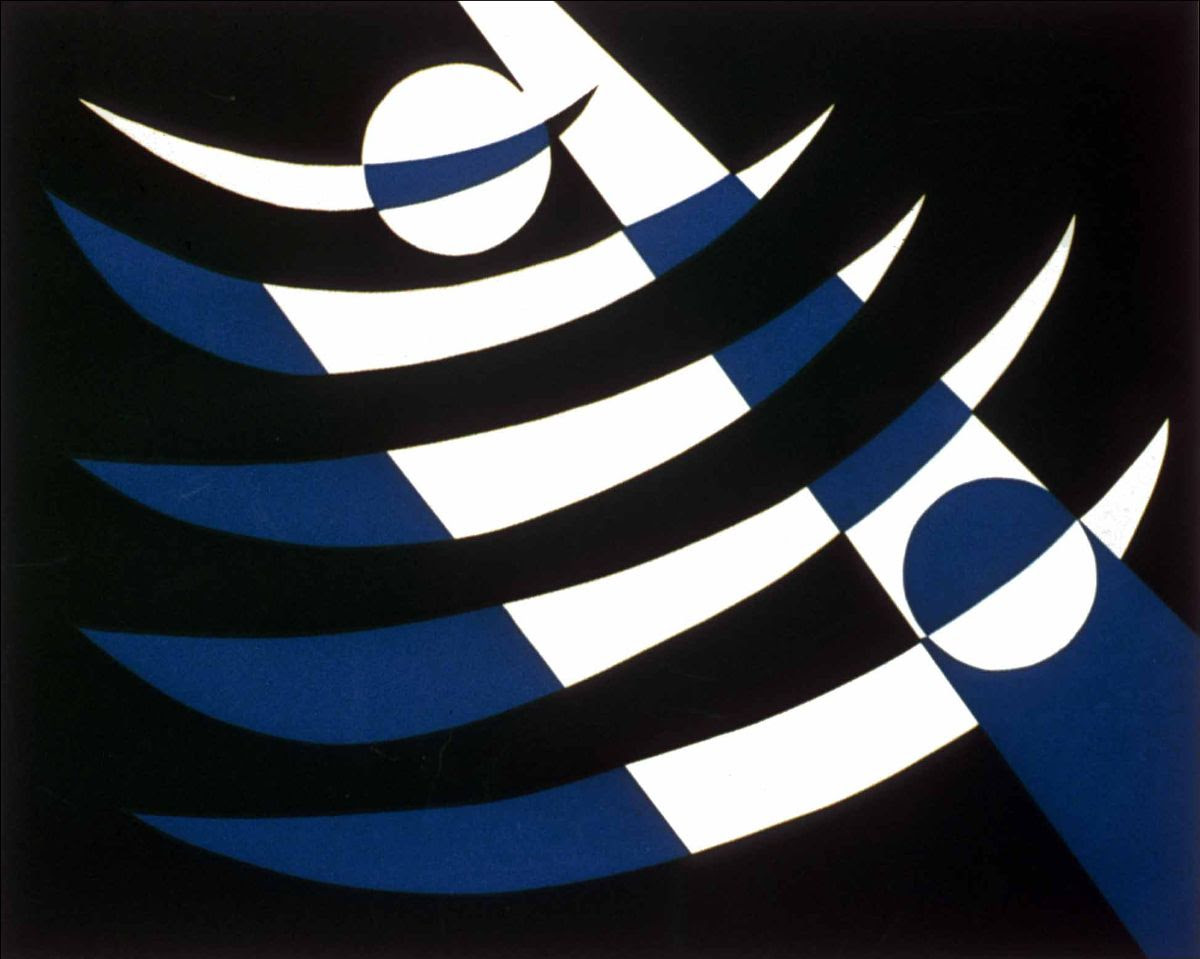
The Asheville Art Museum announces Meeting the Moon, an exhibition featuring prints, photographs, ceramics, sculptures, and more from the Museum’s Collection. This exhibition will be on view in the Asheville Art Museum’s McClinton Gallery February 3 through July 26, 2021.
2021 marks the 60th anniversary of the beginning of the Apollo space program at NASA, but its inception was hardly the beginning of humankind’s fascination with Earth’s only moon. Before space travel existed, the moon—its shape, its mystery, and the face we see in it—inspired countless artists. Once astronauts landed on the moon and we saw our world from a new perspective, a surge of creativity flooded the American art scene, in paintings, prints, sculpture, music, crafts, film, and poetry.
This exhibition, whose title is taken from a 1913 Robert Frost poem, examines artwork in the Asheville Art Museum’s Collection of artists who were inspired by the unknown, then increasingly familiar moon. Meeting the Moon includes works by nationally renowned artists Newcomb Pottery, James Rosenquist, Maltby Sykes, Paul Soldner, John Lewis, Richard Ritter (Bakersville, NC), and Mark Peiser (Penland, NC). Western North Carolina artists include Jane Peiser (Penland, NC), Jak Brewer (Zionville, NC), Dirck Cruser (Asheville, NC), George Peterson (Lake Toxaway, NC), John B. Neff (NC), and Maud Gatewood (Yanceyville, NC).
“Meeting the Moon offers the opportunity to combine science and popular culture with works of art in the Museum’s Collection,” says Whitney Richardson, associate curator. “I think all visitors will find something that draws them into this exhibition, whether it’s the artwork, poetry, music, or science of space travel. It’s such an affirmation of humanity to find these mysteries, like the moon, which enchant us all.”
This exhibition is organized by the Asheville Art Museum and curated by Whitney Richardson, associate curator. Visit ashevilleart.org for more information about this and other exhibitions.
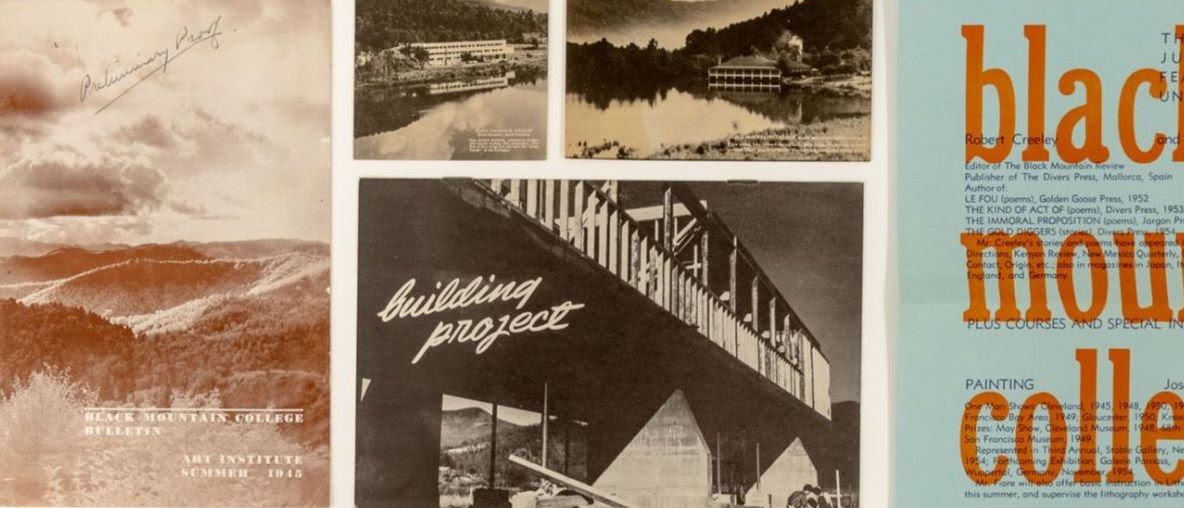
This exhibition features archival objects from the Theodore Dreier Sr. Document Collection presented alongside artworks from the Museum’s Black Mountain College Collection to explore the connections between artworks and ephemera. This exhibition is organized by the Asheville Art Museum and curated by lydia see, fall 2020 curatorial fellow, with support from a Digitizing Hidden Collections grant through the Council on Library and Information Resources.
Desire Paths looks at makers within the discourse of craft and those existing on the periphery of the craftscape who focus on the movement of the body towards something desirable. These desires of the body are in relationship to nature, technology, self, and society. Using architectural theory and queer curatorial strategies, Desire Paths examines the possibilities and futures of bodies, revealing connections between the corporeal and craft.
“Desire paths,” a term taken from urban planning, are lines trodden in the landscape when constructed walkways do not provide a direct or desired route. Through action, repetition, and intentionality, desire paths are crafted modifications to the landscape that allow for a body to move towards a horizon. The format of the works include traditional craft media, performance, video, and interactive web-based work. Through this variety of media and performative tactics the makers in Desire Paths consider how we view, value, and ascribe meaning to a body/the body/the others body. They show us the power and agency held in body and present us with crafted visions of the body that confront and expand expectations
The works in this exhibition reclaim the concept of craft from its historical associations with the decorative, frivolous, feminine, indigenous, and the other. The makers use the medium of craft, and the action of crafting, to produce powerful representations and counter narratives to dominant culture.
Two Ways to View
Virtual Tour
Online visitors can register to attend a virtual tour of this exhibition. This is a free event. A $5-10 donation at time of registration is recommended.
In-Person
The Center is offering free, unguided visits and affordable tours of its exhibitions to the public. Guests can reserve a 30-minute visit to explore the current exhibitions, learn more about the Center’s national impact in their Craft Research Fund Study Collection, and enjoy interactive activities. The Center is open to the public Tuesday-Friday, 11 am -5 pm. Hours of operation may be subject to change.
Center for Craft is monitoring the effects of COVID-19 on the community and following the instruction of federal, state, and local health departments. Our top priority is always the health and safety of our staff, coworkers, and visitors. At this time, the Center can only allow a maximum of five guests in its public space at once and will require the use of masks or face coverings by all visitors, including children. The Center reserves the right to refuse entry to any visitor that will not comply.
|
|
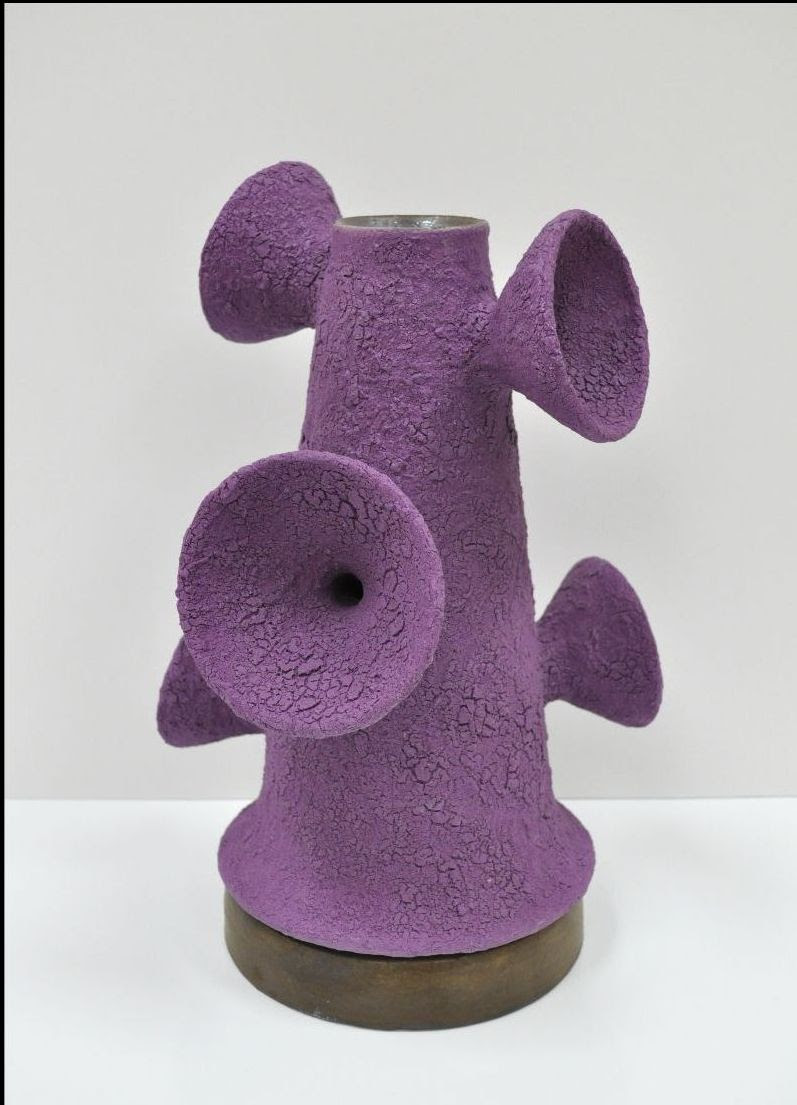
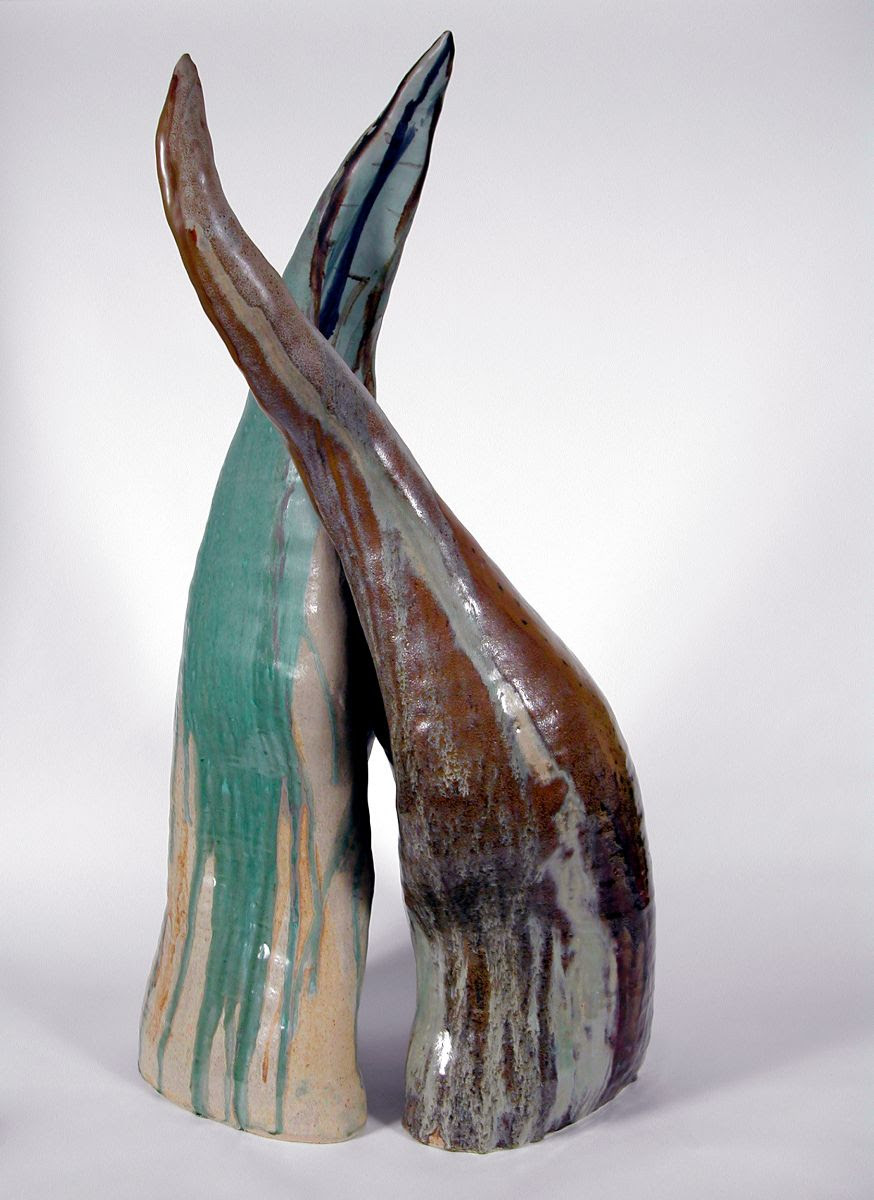
The Asheville Art Museum presents Fantastical Forms: Ceramics as Sculpture on view at the Museum November 4, 2020 through April 5, 2021. The 25 works in this exhibition—curated by associate curator Whitney Richardson—highlight the Museum’s Collection of sculptural ceramics from the last two decades of the 20th century to the present. Each work illustrates the artist’s ability to push beyond the utilitarian and transition ceramics into the world of sculpture.
North and South Carolina artists featured include Elma McBride Johnson, Neil Noland, Norm Schulman, Virginia Scotchie, Cynthia Bringle, Jane Palmer, Michael Sherrill, and Akira Satake. Works by American artists Don Reitz, Robert Chapman Turner, Karen Karnes, Toshiko Takaezu, Bill Griffith, and Xavier Toubes are also featured in the exhibition.
Black Is Beautiful is a collaborative effort in partnership with our friends at @weatheredsoulsbrewing whose shared mission is to bring awareness to the injustices that many People of Color face daily. Additional proceeds from select retailers will be donated to the Know Your Rights Campaign.
March is Red Cross Month, and for more than 130 years, heroic American Red Cross volunteers have provided hope and urgent relief to families in communities across the country.
This March the community is invited to join in the lifesaving mission of the Red Cross and be
someone’s hero by rolling up a sleeve to give blood.
According to the Red Cross, someone in the U.S. needs blood every two seconds to respond to
patient emergencies. Accident and burn victims, heart surgery and organ transplant patients,
and those receiving treatment for leukemia, cancer or sickle cell disease may all require blood.
All blood types are needed.
Be a hero in your community by rolling up a sleeve….
To make an appointment or to learn more, download the American Red Cross Blood Donor
App, visit RedCrossBlood.org, call 1-800-RED CROSS (1-800-733-2767) or enable the Blood
Donor Skill on any Alexa Echo device. Completion of a RapidPass® online health history
questionnaire is encouraged to help speed up the donation process. To get started, follow the
instructions at RedCrossBlood.org/RapidPass or use the Blood Donor App. A blood donor card
or driver’s license or two other forms of identification are required at check-in. Individuals who
are 17 years of age in most states (16 with parental consent where allowed by state law), weigh
at least 110 pounds and are in generally good health may be eligible to donate blood. High
school students and other donors 18 years of age and younger also have to meet certain height
and weight requirements.
This annual conference brings together student EcoReps, sustainability interns, and faculty and staff advisers from around the region for a weekend of peer leadership training and collaboration. This conference is a great opportunity to learn from your peers, share your successes (and get constructive feedback), and get inspiration you can bring back to your own campus.
Key topics in 2021 will include:
• Justice, Equity, Diversity, & Inclusion in our work
• Effective Student Leadership/ Peer 2 Peer education
• Zero Waste initiatives
• Educational initiatives & events
• Adapting to COVID-19
• Translating student visions into institutional action
This conference will be held VIRTUALLY due to the ongoing COVID-19 Pandemic.
Register
There is no fee to attend, however, you must register to participate in the virtual sessions. The registration deadline is Friday, March 19 at midnight.
Opening the Door to Change presents the history of education in Western North Carolina, with a particular emphasis on Madison County, from the mid-nineteenth century through the late twentieth. Here, learning has taken many forms, from in-home instruction, common, subscription, and religious schools, to colleges of farming and craft. The curriculum of these schools, as well as their very construction, and in some cases closing, was deeply entwined with the changing needs and values of the Western North Carolina Appalachian community.
The exhibition focuses on the dynamic relationship between community values and education, with a special focus on how students and their families navigated the economic, geographic, and racial challenges to education. Trends and changes in curriculum, assessment, and classroom design will also be explored.
The virtual exhibition will feature didactic panels showcasing a survey of schools within Madison County and highlighting the effect community values had on the curriculum, function, and format of these institutions. Online visitors may also get a sneak-peak at an original film, produced by the Museum, presenting the oral histories of several Madison County residents sharing their personal recollections and memories of past school-days.
Additional films will spotlight the Historic Mars Hill Anderson Rosenwald School and Laurel School, with first-hand accounts from former students and teachers.
This virtual exhibition is sponsored by the Madison County Tourism and Development Authority.
2021 WNC Regional Scholastic Art Awards
The Museum, with the assistance of its volunteer docents and support from the Asheville Area Section of the American Institute of Architects, is proud to sponsor the WNC Regional Scholastic Art Awards. Students in grades 7–12 from all across our region are invited to submit work for this special juried competition. The Museum works with the Alliance for Young Artists & Writers to facilitate regional judging of student artwork and recognition of our community’s burgeoning artistic talent.
In early spring each year, award winners are featured in an exhibition, and are honored at a ceremony. Regional Gold Key recipients’ work is sent to the National Scholastic Art competition hosted by the Alliance for Young Artists & Writers.
Across the Atlantic
Across the Atlantic
American Impressionism Through the French Lens
This extraordinary exhibition, drawn from the collection of the Reading Public Museum, explores the path to Impressionism through the 19th century in France. The show examines the sometimes complex relationship between French Impressionism of the 1870s and 1880s and the American interpretation of the style in the decades that followed. More than 65 paintings and works on paper help tell the story of the “new style” of painting which developed at the end of the 19th century—one that emphasized light and atmospheric conditions, rapid or loose brushstrokes, and a focus on brightly colored scenes from everyday life, including both urban and rural settings when artists preferred to paint outdoors and capture changing effects of light during different times of day and seasons of the year.
Across the Atlantic: American Impressionism through the French Lens is organized by the Reading Public Museum, Reading, Pennsylvania.
Generous support for this project provided by Art Bridges and The Maurer Family Foundation.
The Asheville Art Museum announces Meeting the Moon, an exhibition featuring prints, photographs, ceramics, sculptures, and more from the Museum’s Collection. This exhibition will be on view in the Asheville Art Museum’s McClinton Gallery February 3 through July 26, 2021.
2021 marks the 60th anniversary of the beginning of the Apollo space program at NASA, but its inception was hardly the beginning of humankind’s fascination with Earth’s only moon. Before space travel existed, the moon—its shape, its mystery, and the face we see in it—inspired countless artists. Once astronauts landed on the moon and we saw our world from a new perspective, a surge of creativity flooded the American art scene, in paintings, prints, sculpture, music, crafts, film, and poetry.
This exhibition, whose title is taken from a 1913 Robert Frost poem, examines artwork in the Asheville Art Museum’s Collection of artists who were inspired by the unknown, then increasingly familiar moon. Meeting the Moon includes works by nationally renowned artists Newcomb Pottery, James Rosenquist, Maltby Sykes, Paul Soldner, John Lewis, Richard Ritter (Bakersville, NC), and Mark Peiser (Penland, NC). Western North Carolina artists include Jane Peiser (Penland, NC), Jak Brewer (Zionville, NC), Dirck Cruser (Asheville, NC), George Peterson (Lake Toxaway, NC), John B. Neff (NC), and Maud Gatewood (Yanceyville, NC).
“Meeting the Moon offers the opportunity to combine science and popular culture with works of art in the Museum’s Collection,” says Whitney Richardson, associate curator. “I think all visitors will find something that draws them into this exhibition, whether it’s the artwork, poetry, music, or science of space travel. It’s such an affirmation of humanity to find these mysteries, like the moon, which enchant us all.”
This exhibition is organized by the Asheville Art Museum and curated by Whitney Richardson, associate curator. Visit ashevilleart.org for more information about this and other exhibitions.
This exhibition features archival objects from the Theodore Dreier Sr. Document Collection presented alongside artworks from the Museum’s Black Mountain College Collection to explore the connections between artworks and ephemera. This exhibition is organized by the Asheville Art Museum and curated by lydia see, fall 2020 curatorial fellow, with support from a Digitizing Hidden Collections grant through the Council on Library and Information Resources.
Desire Paths looks at makers within the discourse of craft and those existing on the periphery of the craftscape who focus on the movement of the body towards something desirable. These desires of the body are in relationship to nature, technology, self, and society. Using architectural theory and queer curatorial strategies, Desire Paths examines the possibilities and futures of bodies, revealing connections between the corporeal and craft.
“Desire paths,” a term taken from urban planning, are lines trodden in the landscape when constructed walkways do not provide a direct or desired route. Through action, repetition, and intentionality, desire paths are crafted modifications to the landscape that allow for a body to move towards a horizon. The format of the works include traditional craft media, performance, video, and interactive web-based work. Through this variety of media and performative tactics the makers in Desire Paths consider how we view, value, and ascribe meaning to a body/the body/the others body. They show us the power and agency held in body and present us with crafted visions of the body that confront and expand expectations
The works in this exhibition reclaim the concept of craft from its historical associations with the decorative, frivolous, feminine, indigenous, and the other. The makers use the medium of craft, and the action of crafting, to produce powerful representations and counter narratives to dominant culture.
Two Ways to View
Virtual Tour
Online visitors can register to attend a virtual tour of this exhibition. This is a free event. A $5-10 donation at time of registration is recommended.
In-Person
The Center is offering free, unguided visits and affordable tours of its exhibitions to the public. Guests can reserve a 30-minute visit to explore the current exhibitions, learn more about the Center’s national impact in their Craft Research Fund Study Collection, and enjoy interactive activities. The Center is open to the public Tuesday-Friday, 11 am -5 pm. Hours of operation may be subject to change.
Center for Craft is monitoring the effects of COVID-19 on the community and following the instruction of federal, state, and local health departments. Our top priority is always the health and safety of our staff, coworkers, and visitors. At this time, the Center can only allow a maximum of five guests in its public space at once and will require the use of masks or face coverings by all visitors, including children. The Center reserves the right to refuse entry to any visitor that will not comply.
|
|
The Asheville Art Museum presents Fantastical Forms: Ceramics as Sculpture on view at the Museum November 4, 2020 through April 5, 2021. The 25 works in this exhibition—curated by associate curator Whitney Richardson—highlight the Museum’s Collection of sculptural ceramics from the last two decades of the 20th century to the present. Each work illustrates the artist’s ability to push beyond the utilitarian and transition ceramics into the world of sculpture.
North and South Carolina artists featured include Elma McBride Johnson, Neil Noland, Norm Schulman, Virginia Scotchie, Cynthia Bringle, Jane Palmer, Michael Sherrill, and Akira Satake. Works by American artists Don Reitz, Robert Chapman Turner, Karen Karnes, Toshiko Takaezu, Bill Griffith, and Xavier Toubes are also featured in the exhibition.
March is Red Cross Month, and for more than 130 years, heroic American Red Cross volunteers have provided hope and urgent relief to families in communities across the country.
This March the community is invited to join in the lifesaving mission of the Red Cross and be
someone’s hero by rolling up a sleeve to give blood.
According to the Red Cross, someone in the U.S. needs blood every two seconds to respond to
patient emergencies. Accident and burn victims, heart surgery and organ transplant patients,
and those receiving treatment for leukemia, cancer or sickle cell disease may all require blood.
All blood types are needed.
Be a hero in your community by rolling up a sleeve….
To make an appointment or to learn more, download the American Red Cross Blood Donor
App, visit RedCrossBlood.org, call 1-800-RED CROSS (1-800-733-2767) or enable the Blood
Donor Skill on any Alexa Echo device. Completion of a RapidPass® online health history
questionnaire is encouraged to help speed up the donation process. To get started, follow the
instructions at RedCrossBlood.org/RapidPass or use the Blood Donor App. A blood donor card
or driver’s license or two other forms of identification are required at check-in. Individuals who
are 17 years of age in most states (16 with parental consent where allowed by state law), weigh
at least 110 pounds and are in generally good health may be eligible to donate blood. High
school students and other donors 18 years of age and younger also have to meet certain height
and weight requirements.
Black Is Beautiful is a collaborative effort in partnership with our friends at @weatheredsoulsbrewing whose shared mission is to bring awareness to the injustices that many People of Color face daily. Additional proceeds from select retailers will be donated to the Know Your Rights Campaign.

Until it’s safe to travel together for our popular Art Travels day, overnight, national, and international trips, we’re thrilled to launch virtual trips for armchair travelers each first Thursday evening! This month, we travel to the Detroit Institute of Arts (DIA) in Detroit, MI. For this virtual visit Benjamin Colman, the DIA’s associate curator of American art, introduces the museum’s history, building, and highlights from the collection, then takes us on a virtual tour of Detroit Style: Car Design in the Motor City, 1950–2020, on view at the DIA now. This program takes place via Zoom; space is limited. Generous support for this program is provided by Art Bridges. Learn more and register at ashevilleart.org/events.
This annual conference brings together student EcoReps, sustainability interns, and faculty and staff advisers from around the region for a weekend of peer leadership training and collaboration. This conference is a great opportunity to learn from your peers, share your successes (and get constructive feedback), and get inspiration you can bring back to your own campus.
Key topics in 2021 will include:
• Justice, Equity, Diversity, & Inclusion in our work
• Effective Student Leadership/ Peer 2 Peer education
• Zero Waste initiatives
• Educational initiatives & events
• Adapting to COVID-19
• Translating student visions into institutional action
This conference will be held VIRTUALLY due to the ongoing COVID-19 Pandemic.
Register
There is no fee to attend, however, you must register to participate in the virtual sessions. The registration deadline is Friday, March 19 at midnight.
Opening the Door to Change presents the history of education in Western North Carolina, with a particular emphasis on Madison County, from the mid-nineteenth century through the late twentieth. Here, learning has taken many forms, from in-home instruction, common, subscription, and religious schools, to colleges of farming and craft. The curriculum of these schools, as well as their very construction, and in some cases closing, was deeply entwined with the changing needs and values of the Western North Carolina Appalachian community.
The exhibition focuses on the dynamic relationship between community values and education, with a special focus on how students and their families navigated the economic, geographic, and racial challenges to education. Trends and changes in curriculum, assessment, and classroom design will also be explored.
The virtual exhibition will feature didactic panels showcasing a survey of schools within Madison County and highlighting the effect community values had on the curriculum, function, and format of these institutions. Online visitors may also get a sneak-peak at an original film, produced by the Museum, presenting the oral histories of several Madison County residents sharing their personal recollections and memories of past school-days.
Additional films will spotlight the Historic Mars Hill Anderson Rosenwald School and Laurel School, with first-hand accounts from former students and teachers.
This virtual exhibition is sponsored by the Madison County Tourism and Development Authority.