

Calendar of Events
Upcoming events and things to do in Asheville, NC. Below is a list of events for festivals, concerts, art exhibitions, group meetups and more.
Interested in adding an event to our calendar? Please click the green “Post Your Event” button below.
|

|
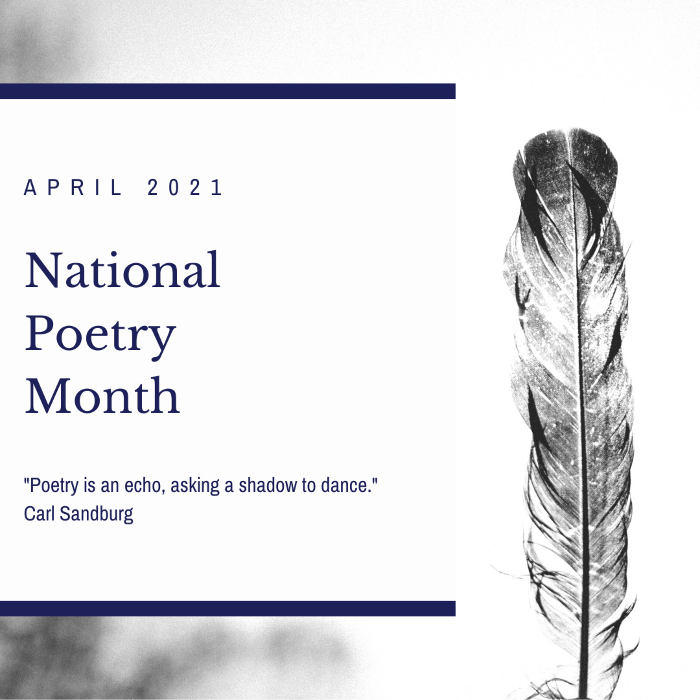
April is National Poetry Month and we invite all poets, would be poets and poetry fans to celebrate with Buncombe County Public Libraries. We’ll be hosting the following free events at libraries all over the county. For more information on any of these programs, contact your friendly neighborhood library.
Black Out Poetry Kits Available at the Library
All Month Long
Every Library
Come to any library and pick up a free kit to create a black out poetry masterpiece. Black out poetry doesn’t start with a blank page, it starts with a page of words taken from an old book. Poets will eliminate words to create a poem composed of the words left on the page. Visit any branch of Buncombe County Public Libraries in April to pick up your very own black out poetry kit featuring markers, inspiration and pages of print to begin your creation. When you’re finished, photograph your creation and upload it to facebook or instagram. Tag your library’s account and we’ll feature it as a post! You can also drop your poem by the library and we’ll post it for you. Kits are available while supplies last.
|
|
April is National Poetry Month and we invite all poets, would be poets and poetry fans to celebrate with Buncombe County Public Libraries. We’ll be hosting the following free events at libraries all over the county. For more information on any of these programs, contact your friendly neighborhood library.
Black Out Poetry Kits Available at the Library
All Month Long
Every Library
Come to any library and pick up a free kit to create a black out poetry masterpiece. Black out poetry doesn’t start with a blank page, it starts with a page of words taken from an old book. Poets will eliminate words to create a poem composed of the words left on the page. Visit any branch of Buncombe County Public Libraries in April to pick up your very own black out poetry kit featuring markers, inspiration and pages of print to begin your creation. When you’re finished, photograph your creation and upload it to facebook or instagram. Tag your library’s account and we’ll feature it as a post! You can also drop your poem by the library and we’ll post it for you. Kits are available while supplies last.

April is National Poetry Month and we invite all poets, would be poets and poetry fans to celebrate with Buncombe County Public Libraries. We’ll be hosting the following free events at libraries all over the county. For more information on any of these programs, contact your friendly neighborhood library.
Black Out Poetry Kits Available at the Library
All Month Long
Every Library
Come to any library and pick up a free kit to create a black out poetry masterpiece. Black out poetry doesn’t start with a blank page, it starts with a page of words taken from an old book. Poets will eliminate words to create a poem composed of the words left on the page. Visit any branch of Buncombe County Public Libraries in April to pick up your very own black out poetry kit featuring markers, inspiration and pages of print to begin your creation. When you’re finished, photograph your creation and upload it to facebook or instagram. Tag your library’s account and we’ll feature it as a post! You can also drop your poem by the library and we’ll post it for you. Kits are available while supplies last.
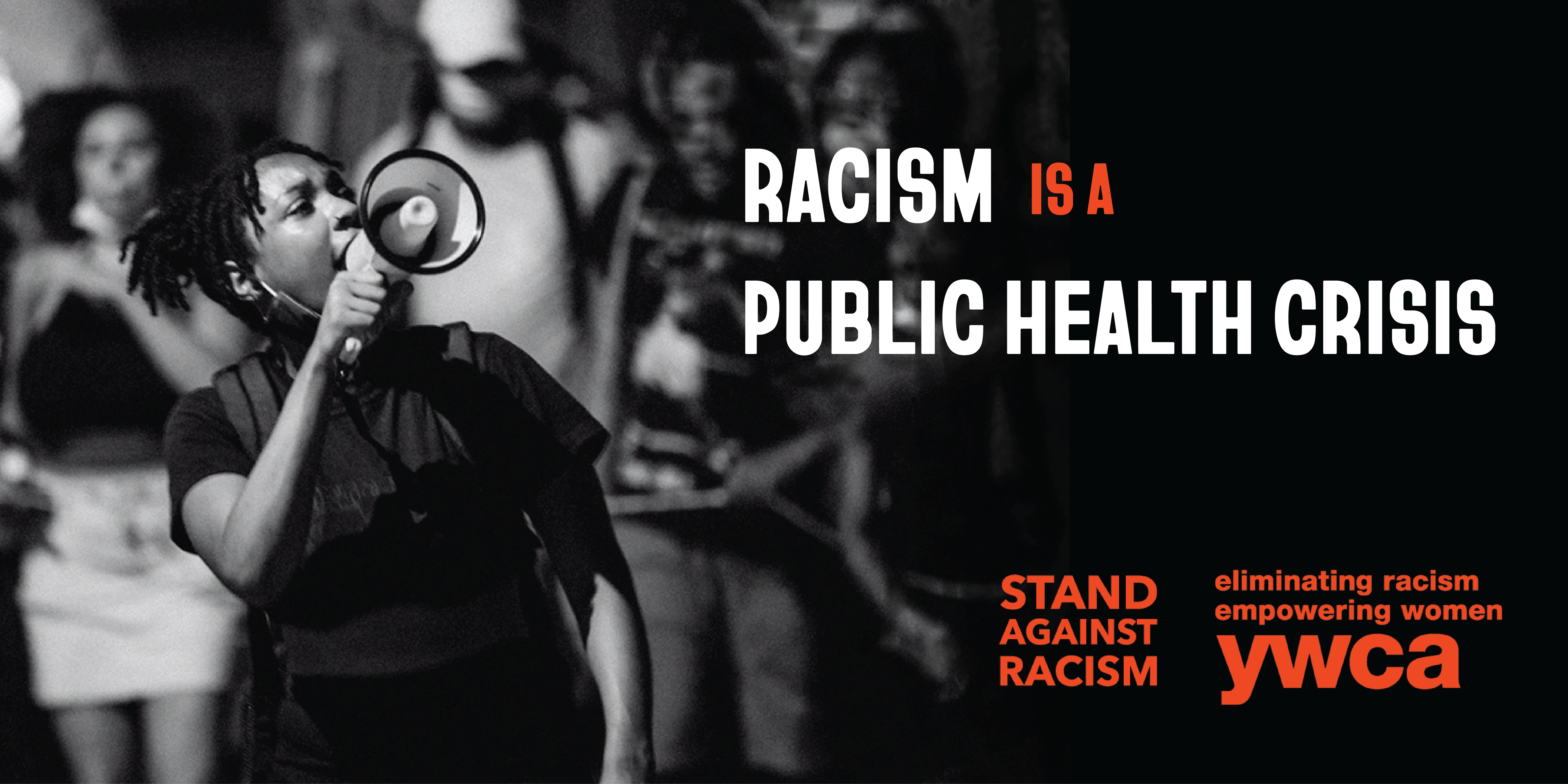
Racism is a Public Health Crisis
This year, our Stand Against Racism Campaign centers around the theme of Addressing Racism as a Public Health Crisis.
Public health is, and always has been, central to racial justice work. This year our theme is especially pertinent as our nation continues to face the intersecting public health crises of COVID-19 and racism.
Join us from April 22 – 25, 2021, as we hold virtual events, share information, advocate, and more with a common goal in mind. Understanding the economic and social determinants of health and how racism impacts public health outcomes. We see this critical work as necessary to uprooting systemic inequity in communities of color.
Saturday, April 24th: Ava DuVernay’s documentary “13th” chronicles how our justice system has been driven by racism from the days of slavery to today’s era of mass incarceration. The film is named for the constitutional amendment that abolished slavery with the exception of punishment for crime. Today, the United States accounts for 5 percent of the world’s population, but 25 percent of its prisoners. In 2020, more than 2 million people were incarcerated in the United States—of those, 40 percent were Black even though they only make up 13% of the population. On this Saturday during Stand Against Racism, we challenge you to watch the film and then to take some time to reflect on your learning by utilizing this discussion guide.
April is National Poetry Month and we invite all poets, would be poets and poetry fans to celebrate with Buncombe County Public Libraries. We’ll be hosting the following free events at libraries all over the county. For more information on any of these programs, contact your friendly neighborhood library.
Black Out Poetry Kits Available at the Library
All Month Long
Every Library
Come to any library and pick up a free kit to create a black out poetry masterpiece. Black out poetry doesn’t start with a blank page, it starts with a page of words taken from an old book. Poets will eliminate words to create a poem composed of the words left on the page. Visit any branch of Buncombe County Public Libraries in April to pick up your very own black out poetry kit featuring markers, inspiration and pages of print to begin your creation. When you’re finished, photograph your creation and upload it to facebook or instagram. Tag your library’s account and we’ll feature it as a post! You can also drop your poem by the library and we’ll post it for you. Kits are available while supplies last.
April is National Poetry Month and we invite all poets, would be poets and poetry fans to celebrate with Buncombe County Public Libraries. We’ll be hosting the following free events at libraries all over the county. For more information on any of these programs, contact your friendly neighborhood library.
Black Out Poetry Kits Available at the Library
All Month Long
Every Library
Come to any library and pick up a free kit to create a black out poetry masterpiece. Black out poetry doesn’t start with a blank page, it starts with a page of words taken from an old book. Poets will eliminate words to create a poem composed of the words left on the page. Visit any branch of Buncombe County Public Libraries in April to pick up your very own black out poetry kit featuring markers, inspiration and pages of print to begin your creation. When you’re finished, photograph your creation and upload it to facebook or instagram. Tag your library’s account and we’ll feature it as a post! You can also drop your poem by the library and we’ll post it for you. Kits are available while supplies last.
April is National Poetry Month and we invite all poets, would be poets and poetry fans to celebrate with Buncombe County Public Libraries. We’ll be hosting the following free events at libraries all over the county. For more information on any of these programs, contact your friendly neighborhood library.
Black Out Poetry Kits Available at the Library
All Month Long
Every Library
Come to any library and pick up a free kit to create a black out poetry masterpiece. Black out poetry doesn’t start with a blank page, it starts with a page of words taken from an old book. Poets will eliminate words to create a poem composed of the words left on the page. Visit any branch of Buncombe County Public Libraries in April to pick up your very own black out poetry kit featuring markers, inspiration and pages of print to begin your creation. When you’re finished, photograph your creation and upload it to facebook or instagram. Tag your library’s account and we’ll feature it as a post! You can also drop your poem by the library and we’ll post it for you. Kits are available while supplies last.
April is National Poetry Month and we invite all poets, would be poets and poetry fans to celebrate with Buncombe County Public Libraries. We’ll be hosting the following free events at libraries all over the county. For more information on any of these programs, contact your friendly neighborhood library.
Black Out Poetry Kits Available at the Library
All Month Long
Every Library
Come to any library and pick up a free kit to create a black out poetry masterpiece. Black out poetry doesn’t start with a blank page, it starts with a page of words taken from an old book. Poets will eliminate words to create a poem composed of the words left on the page. Visit any branch of Buncombe County Public Libraries in April to pick up your very own black out poetry kit featuring markers, inspiration and pages of print to begin your creation. When you’re finished, photograph your creation and upload it to facebook or instagram. Tag your library’s account and we’ll feature it as a post! You can also drop your poem by the library and we’ll post it for you. Kits are available while supplies last.

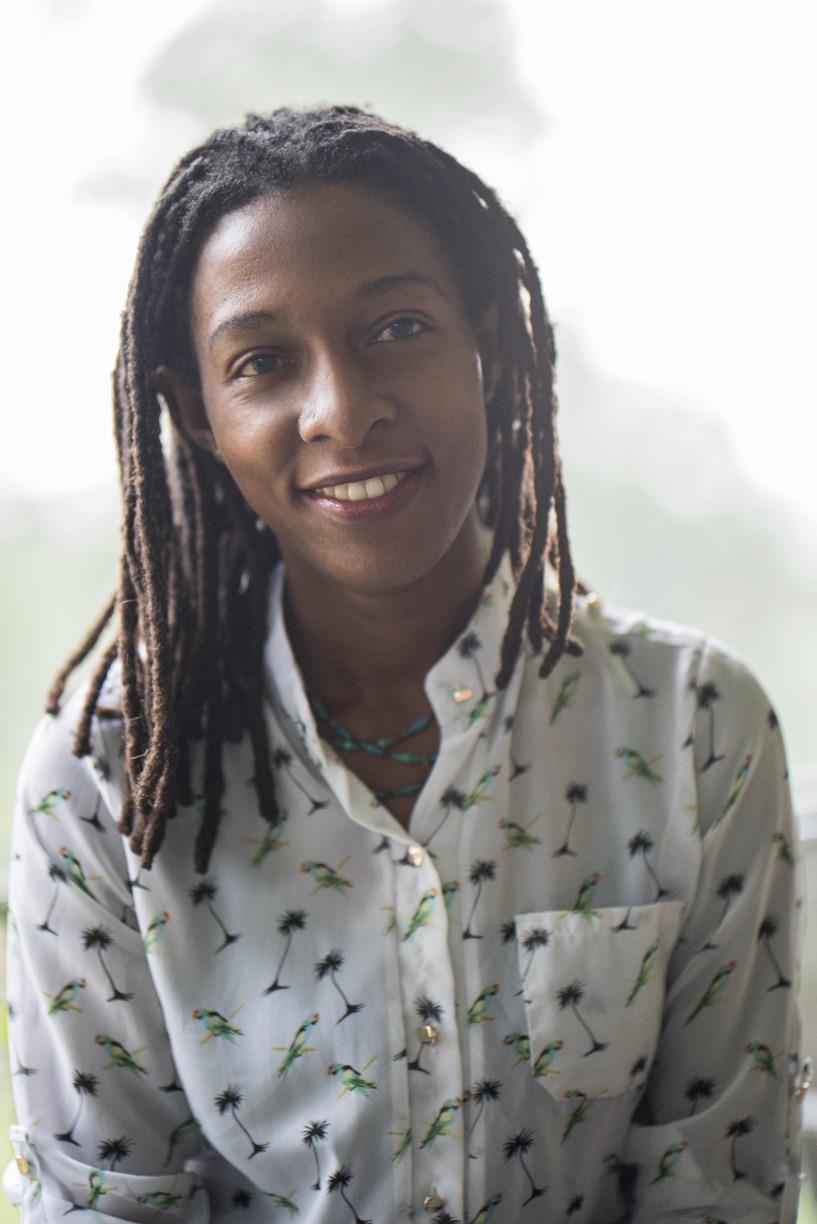
| Celebrate National Poetry month with WNC poet and author Mildred Barya. Born in Uganda, Mildred is an Assistant Professor of English at UNCA, where she teaches poetry, fiction, hybrid writing, and world literature. Mildred has published numerous short stories for literary magazines and anthologies, as well as three books of poetry: Give me Room to Move My Feet, The Price of Memory after the Tsunami, and Men Love Chocolates But They Don’t Say, which won the Uganda National Award for Poetry Publication in 2002. She was awarded the Pan African Prize for Africana Literary Fiction in 2008, and received the North Carolina Humanities Council, 2020 Linda Flowers Literary Award for her non-fiction entry, Being Here in This Body. Mildred hosts ‘Mildred Barya’s House of Life’, http://mildredbarya.com, a ‘world literature blog at its finest’! |
April is National Poetry Month and we invite all poets, would be poets and poetry fans to celebrate with Buncombe County Public Libraries. We’ll be hosting the following free events at libraries all over the county. For more information on any of these programs, contact your friendly neighborhood library.
Black Out Poetry Kits Available at the Library
All Month Long
Every Library
Come to any library and pick up a free kit to create a black out poetry masterpiece. Black out poetry doesn’t start with a blank page, it starts with a page of words taken from an old book. Poets will eliminate words to create a poem composed of the words left on the page. Visit any branch of Buncombe County Public Libraries in April to pick up your very own black out poetry kit featuring markers, inspiration and pages of print to begin your creation. When you’re finished, photograph your creation and upload it to facebook or instagram. Tag your library’s account and we’ll feature it as a post! You can also drop your poem by the library and we’ll post it for you. Kits are available while supplies last.
April is National Poetry Month and we invite all poets, would be poets and poetry fans to celebrate with Buncombe County Public Libraries. We’ll be hosting the following free events at libraries all over the county. For more information on any of these programs, contact your friendly neighborhood library.
Black Out Poetry Kits Available at the Library
All Month Long
Every Library
Come to any library and pick up a free kit to create a black out poetry masterpiece. Black out poetry doesn’t start with a blank page, it starts with a page of words taken from an old book. Poets will eliminate words to create a poem composed of the words left on the page. Visit any branch of Buncombe County Public Libraries in April to pick up your very own black out poetry kit featuring markers, inspiration and pages of print to begin your creation. When you’re finished, photograph your creation and upload it to facebook or instagram. Tag your library’s account and we’ll feature it as a post! You can also drop your poem by the library and we’ll post it for you. Kits are available while supplies last.

This Divided Land is a video produced by our friends at Asheville Area Habitat for Humanity (AAHH). They discovered a racial covenant in the deed of an AAHH property, and documented how they took steps to address it, with assistance from Pisgah Legal staff attorney, Parker Smith. Here’s how AAHH describes the video: The home is the primary way Americans build wealth, but laws and systems have kept people of color- especially Black Americans- from accessing homeownership. Nationally and here in Asheville, white homeownership rates are significantly higher than people of color, and the racial wealth gap is as wide as it was in 1968 when the Fair Housing Act was passed.
After discovering a racial covenant in a deed of a South Asheville property AAHH developed for affordable housing, they decided to delve deeper and learn more about the history of discriminatory housing practices, how they shaped our city, and how practices like these contributed to current day racial disparities. The result is this 18 minute film, This Divided Land, featuring local partners including Pisgah Legal Services.
April is National Poetry Month and we invite all poets, would be poets and poetry fans to celebrate with Buncombe County Public Libraries. We’ll be hosting the following free events at libraries all over the county. For more information on any of these programs, contact your friendly neighborhood library.
Black Out Poetry Kits Available at the Library
All Month Long
Every Library
Come to any library and pick up a free kit to create a black out poetry masterpiece. Black out poetry doesn’t start with a blank page, it starts with a page of words taken from an old book. Poets will eliminate words to create a poem composed of the words left on the page. Visit any branch of Buncombe County Public Libraries in April to pick up your very own black out poetry kit featuring markers, inspiration and pages of print to begin your creation. When you’re finished, photograph your creation and upload it to facebook or instagram. Tag your library’s account and we’ll feature it as a post! You can also drop your poem by the library and we’ll post it for you. Kits are available while supplies last.
This Divided Land is a video produced by our friends at Asheville Area Habitat for Humanity (AAHH). They discovered a racial covenant in the deed of an AAHH property, and documented how they took steps to address it, with assistance from Pisgah Legal staff attorney, Parker Smith. Here’s how AAHH describes the video: The home is the primary way Americans build wealth, but laws and systems have kept people of color- especially Black Americans- from accessing homeownership. Nationally and here in Asheville, white homeownership rates are significantly higher than people of color, and the racial wealth gap is as wide as it was in 1968 when the Fair Housing Act was passed.
After discovering a racial covenant in a deed of a South Asheville property AAHH developed for affordable housing, they decided to delve deeper and learn more about the history of discriminatory housing practices, how they shaped our city, and how practices like these contributed to current day racial disparities. The result is this 18 minute film, This Divided Land, featuring local partners including Pisgah Legal Services.
This Divided Land is a video produced by our friends at Asheville Area Habitat for Humanity (AAHH). They discovered a racial covenant in the deed of an AAHH property, and documented how they took steps to address it, with assistance from Pisgah Legal staff attorney, Parker Smith. Here’s how AAHH describes the video: The home is the primary way Americans build wealth, but laws and systems have kept people of color- especially Black Americans- from accessing homeownership. Nationally and here in Asheville, white homeownership rates are significantly higher than people of color, and the racial wealth gap is as wide as it was in 1968 when the Fair Housing Act was passed.
After discovering a racial covenant in a deed of a South Asheville property AAHH developed for affordable housing, they decided to delve deeper and learn more about the history of discriminatory housing practices, how they shaped our city, and how practices like these contributed to current day racial disparities. The result is this 18 minute film, This Divided Land, featuring local partners including Pisgah Legal Services.
Join us for our monthly poetry event featuring three poets. This month, we welcome Fleda Brown, Rita Quillen, and Gretchen Primack. Click here to RSVP for this event. On the day of the event, we will send a reminder email with the link required to attend.
Like most of our events, this event is free. If you decide to attend and to purchase the authors’ books, we ask that you purchase from Malaprop’s. When you do this you make it possible for us to continue hosting author events and you keep more dollars in our community. You may also support our work by purchasing a gift card or making a donation of any amount below. Thank you!
Fleda Brown’s tenth collection of poems, Flying Through a Hole in the Storm (2021) won the Hollis Summers Prize from Ohio University Press. Earlier poems can be found in The Woods Are On Fire: New & Selected Poems, chosen by Ted Kooser for the University of Nebraska poetry series, 2017. Her work has appeared three times in The Best American Poetry and has won a Pushcart Prize, the Felix Pollak Prize, the Philip Levine Prize, and the Great Lakes Colleges New Writer’s Award, and has twice been a finalist for the National Poetry Series. Her new memoir, Mortality, with Friends will be out from Wayne State University Press Fall 2021. She is professor emerita at the University of Delaware and was poet laureate of Delaware from 2001-07. Read more at: https://www.fledabrown.com
Golda Meir once said, “Old age is like a plane flying through a storm. Once you’re aboard, there’s nothing you can do.” The poems in Fleda Brown’s brave collection, her thirteenth, take readers on a journey through the fury of this storm. There are plenty of tragedies to weather here, both personal and universal: the death of a father, a child’s terminal cancer, the extinction of bees, and environmental degradation. Brown’s poems are wise, honest, and deeply observant meditations on contemporary science, physics, family, politics, and aging. With tributes to visionary artists, including Frida Kahlo, Pablo Picasso, and Grandma Moses, as well as to life’s terrors, sadnesses, and joys, these works are beautiful dispatches from a renowned poet who sees the shadows lengthening and imagines what they might look like from the other side.
—
Rita Quillen’s poetry book, Some Notes You Hold was published by Madville in 2020. She’s also author of the novel Wayland, Iris Press (2019), a full-length poetry collection, The Mad Farmer’s Wife, Texas Review Press, (2016), and was a finalist for the Weatherford Award in Appalachian Literature from Berea College. Her novel Hiding Ezra, released by Little Creek Books, was a finalist for the 2005 DANA Awards. One of six semi-finalists for the 2012-14 Poet Laureate of Virginia, she received three Pushcart nominations and a Best of the Net nomination in 2012. She lives, farms, writes songs, and takes photographs at Early Autumn Farm in southwestern Virginia. Read more at www.ritasimsquillen.com.
Some Notes You Hold is about surviving what life throws at us as we age. The so-called “golden years” are so named because of the high admission price—the tremendous losses, disappointments, illnesses, and failures we all experience if we live long enough. The first part of the book, called “Letting Go,” focuses on surviving deep grief. The middle section is a musical interlude, exploring the tremendous power of music to heal us mentally, physically, and spiritually and to reorder our thinking and our emotions. The last section, “Holding On,” explores the roads leading to survival: prayer and meditation, communion with the natural world, and writing.
—
Gretchen Primack is the author of Kind, republished by Lantern Books in 2021; Visiting Days (Willow Books Editors Select Series); and Doris’ Red Spaces (Mayapple Press). She also co-wrote, with Jenny Brown, the memoir The Lucky Ones: My Passionate Fight for Farm Animals (Penguin Avery). Her poems have appeared in The Paris Review, Prairie Schooner, FIELD, Ploughshares, Poet Lore, and other journals and anthologies. Primack has administrated and taught with college programs and poetry workshops in prison for many years, and she moonlights at The Golden Notebook Bookstore in Woodstock, NY. Read more at http://www.gretchenprimack.com/bio.php
Kind is the kind of poetry book that makes you think differently about our world and the beings that inhabit it. Primack explores all facets of our lives with other beings—the beauty, the tragedy, and the absurdity that surrounds her existence. Kind cuts to one’s emotional core to make us think and feel. “It is this poet’s calling to hold kindness and its opposite in tension. What is that opposite? The poems in this volume offer unsettling answers. With Gretchen Primack’s poems, the absence of kindness causes a quaking in our bodies. A lyrical language of the present tense evokes a fierce and tender impatience with what should never have been settled for.”
This Divided Land is a video produced by our friends at Asheville Area Habitat for Humanity (AAHH). They discovered a racial covenant in the deed of an AAHH property, and documented how they took steps to address it, with assistance from Pisgah Legal staff attorney, Parker Smith. Here’s how AAHH describes the video: The home is the primary way Americans build wealth, but laws and systems have kept people of color- especially Black Americans- from accessing homeownership. Nationally and here in Asheville, white homeownership rates are significantly higher than people of color, and the racial wealth gap is as wide as it was in 1968 when the Fair Housing Act was passed.
After discovering a racial covenant in a deed of a South Asheville property AAHH developed for affordable housing, they decided to delve deeper and learn more about the history of discriminatory housing practices, how they shaped our city, and how practices like these contributed to current day racial disparities. The result is this 18 minute film, This Divided Land, featuring local partners including Pisgah Legal Services.
This Divided Land is a video produced by our friends at Asheville Area Habitat for Humanity (AAHH). They discovered a racial covenant in the deed of an AAHH property, and documented how they took steps to address it, with assistance from Pisgah Legal staff attorney, Parker Smith. Here’s how AAHH describes the video: The home is the primary way Americans build wealth, but laws and systems have kept people of color- especially Black Americans- from accessing homeownership. Nationally and here in Asheville, white homeownership rates are significantly higher than people of color, and the racial wealth gap is as wide as it was in 1968 when the Fair Housing Act was passed.
After discovering a racial covenant in a deed of a South Asheville property AAHH developed for affordable housing, they decided to delve deeper and learn more about the history of discriminatory housing practices, how they shaped our city, and how practices like these contributed to current day racial disparities. The result is this 18 minute film, This Divided Land, featuring local partners including Pisgah Legal Services.

This Divided Land is a video produced by our friends at Asheville Area Habitat for Humanity (AAHH). They discovered a racial covenant in the deed of an AAHH property, and documented how they took steps to address it, with assistance from Pisgah Legal staff attorney, Parker Smith. Here’s how AAHH describes the video: The home is the primary way Americans build wealth, but laws and systems have kept people of color- especially Black Americans- from accessing homeownership. Nationally and here in Asheville, white homeownership rates are significantly higher than people of color, and the racial wealth gap is as wide as it was in 1968 when the Fair Housing Act was passed.
After discovering a racial covenant in a deed of a South Asheville property AAHH developed for affordable housing, they decided to delve deeper and learn more about the history of discriminatory housing practices, how they shaped our city, and how practices like these contributed to current day racial disparities. The result is this 18 minute film, This Divided Land, featuring local partners including Pisgah Legal Services.
This Divided Land is a video produced by our friends at Asheville Area Habitat for Humanity (AAHH). They discovered a racial covenant in the deed of an AAHH property, and documented how they took steps to address it, with assistance from Pisgah Legal staff attorney, Parker Smith. Here’s how AAHH describes the video: The home is the primary way Americans build wealth, but laws and systems have kept people of color- especially Black Americans- from accessing homeownership. Nationally and here in Asheville, white homeownership rates are significantly higher than people of color, and the racial wealth gap is as wide as it was in 1968 when the Fair Housing Act was passed.
After discovering a racial covenant in a deed of a South Asheville property AAHH developed for affordable housing, they decided to delve deeper and learn more about the history of discriminatory housing practices, how they shaped our city, and how practices like these contributed to current day racial disparities. The result is this 18 minute film, This Divided Land, featuring local partners including Pisgah Legal Services.


THURSDAY, MAY 06 Show | 8pm // Doors | 7pm $5 Rabbit Rabbit Each ticket comes with one pair of wireless headphones to listen to the movie.
This Divided Land is a video produced by our friends at Asheville Area Habitat for Humanity (AAHH). They discovered a racial covenant in the deed of an AAHH property, and documented how they took steps to address it, with assistance from Pisgah Legal staff attorney, Parker Smith. Here’s how AAHH describes the video: The home is the primary way Americans build wealth, but laws and systems have kept people of color- especially Black Americans- from accessing homeownership. Nationally and here in Asheville, white homeownership rates are significantly higher than people of color, and the racial wealth gap is as wide as it was in 1968 when the Fair Housing Act was passed.
After discovering a racial covenant in a deed of a South Asheville property AAHH developed for affordable housing, they decided to delve deeper and learn more about the history of discriminatory housing practices, how they shaped our city, and how practices like these contributed to current day racial disparities. The result is this 18 minute film, This Divided Land, featuring local partners including Pisgah Legal Services.
This Divided Land is a video produced by our friends at Asheville Area Habitat for Humanity (AAHH). They discovered a racial covenant in the deed of an AAHH property, and documented how they took steps to address it, with assistance from Pisgah Legal staff attorney, Parker Smith. Here’s how AAHH describes the video: The home is the primary way Americans build wealth, but laws and systems have kept people of color- especially Black Americans- from accessing homeownership. Nationally and here in Asheville, white homeownership rates are significantly higher than people of color, and the racial wealth gap is as wide as it was in 1968 when the Fair Housing Act was passed.
After discovering a racial covenant in a deed of a South Asheville property AAHH developed for affordable housing, they decided to delve deeper and learn more about the history of discriminatory housing practices, how they shaped our city, and how practices like these contributed to current day racial disparities. The result is this 18 minute film, This Divided Land, featuring local partners including Pisgah Legal Services.