

Calendar of Events
Upcoming events and things to do in Asheville, NC. Below is a list of events for festivals, concerts, art exhibitions, group meetups and more.
Interested in adding an event to our calendar? Please click the green “Post Your Event” button below.
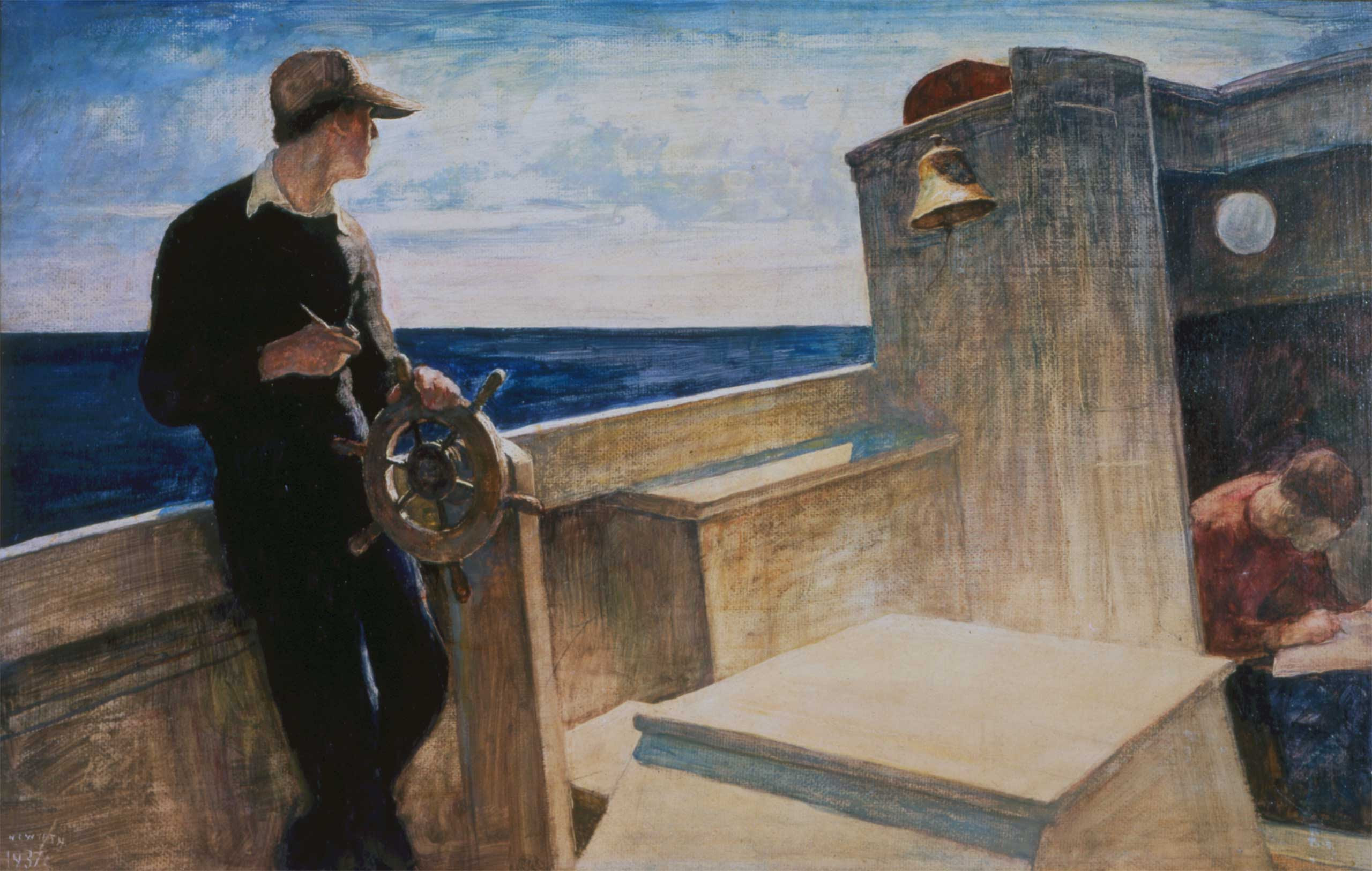 |
| N. C. Wyeth, Eight Bells (Clyde Stanley and Andrew Wyeth aboard Eight Bells), 1937, oil on hardboard, 20 × 30 inches. Bank of America Collection |
The Wyeths: Three Generations | Works from the Bank of America Collection provides a comprehensive survey of works by N. C. Wyeth, one of America’s finest illustrators; his son, Andrew, an important realist painter; his eldest daughter, Henriette, a realist painter; and Andrew’s son Jamie, a popular portraitist. Through the works of these artists from three generations of the Wyeth family, themes of American history, artistic techniques, and creative achievements can be explored. This exhibition will be on view in the Asheville Art Museum’s Explore Asheville Exhibition Hall February 12 through May 30, 2022.
N. C. Wyeth (1882–1945) has long been considered one of the nation’s leading illustrators. In the early 1900s, he studied with illustrator Howard Pyle in Delaware. In 1911, he built a house and studio in nearby Chadds Ford, PA. Later, he bought a sea captain’s house in Maine and in 1931 built a small studio, which he shared with his son, Andrew, and his daughters, Henriette and Carolyn. The exhibition includes illustrations for books by Robert Louis Stevenson and Washington Irving as well as historical scenes, seascapes, and landscapes.
Andrew Wyeth (1917–2009) is one of the United States’ most popular artists, and his paintings follow the American Realist tradition. He was influenced by the works of Winslow Homer, whose watercolor technique he admired, as well as by the art of Howard Pyle and his father, N. C. While Andrew painted recognizable images, his use of line and space often imbue his works with an underlying abstract quality. The exhibition includes important works from the 1970s and 1980s as well as recent paintings.
Henriette Wyeth (1907–1997) was the eldest daughter of N.C. Wyeth and an older sister to Andrew Wyeth. Like other members of her family, her painting style was realist in a time when Impressionism and Abstraction were popular in the early 20th century. She studied painting at the Pennsylvania Academy of the Fine Arts and was an acclaimed portraitist, though perhaps not as widely known as her father and brother. Most notably she painted the portrait of First Lady, Pat Nixon, which is in the collection of The White House.
Jamie Wyeth (born 1946), like his father and grandfather, paints subjects of everyday life, in particular the landscapes, animals, and people of Pennsylvania and Maine. In contrast to his father—who painted with watercolor, drybrush, and tempera—Jamie works in oil and mixed media, creating lush painterly surfaces. The 18 paintings in the exhibition represent all periods of his career.
This exhibition has been loaned through the Bank of America Art in our Communities® program.
|
|
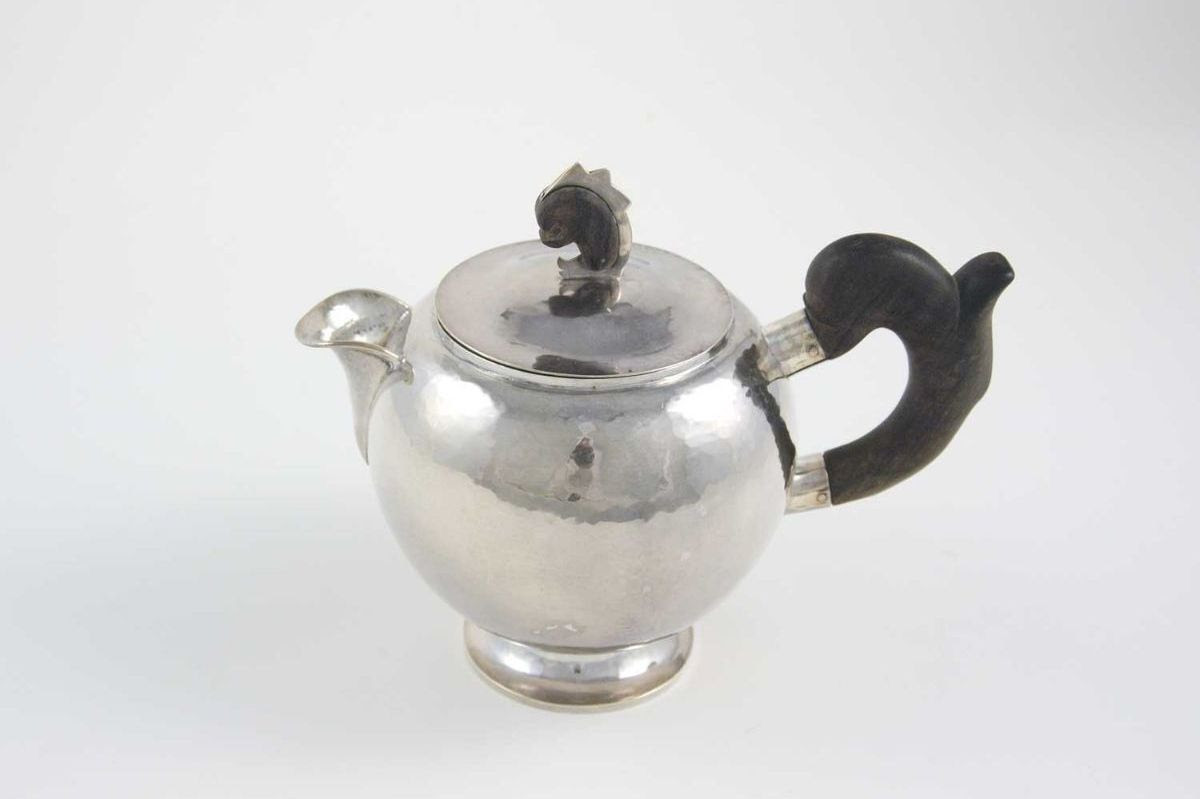
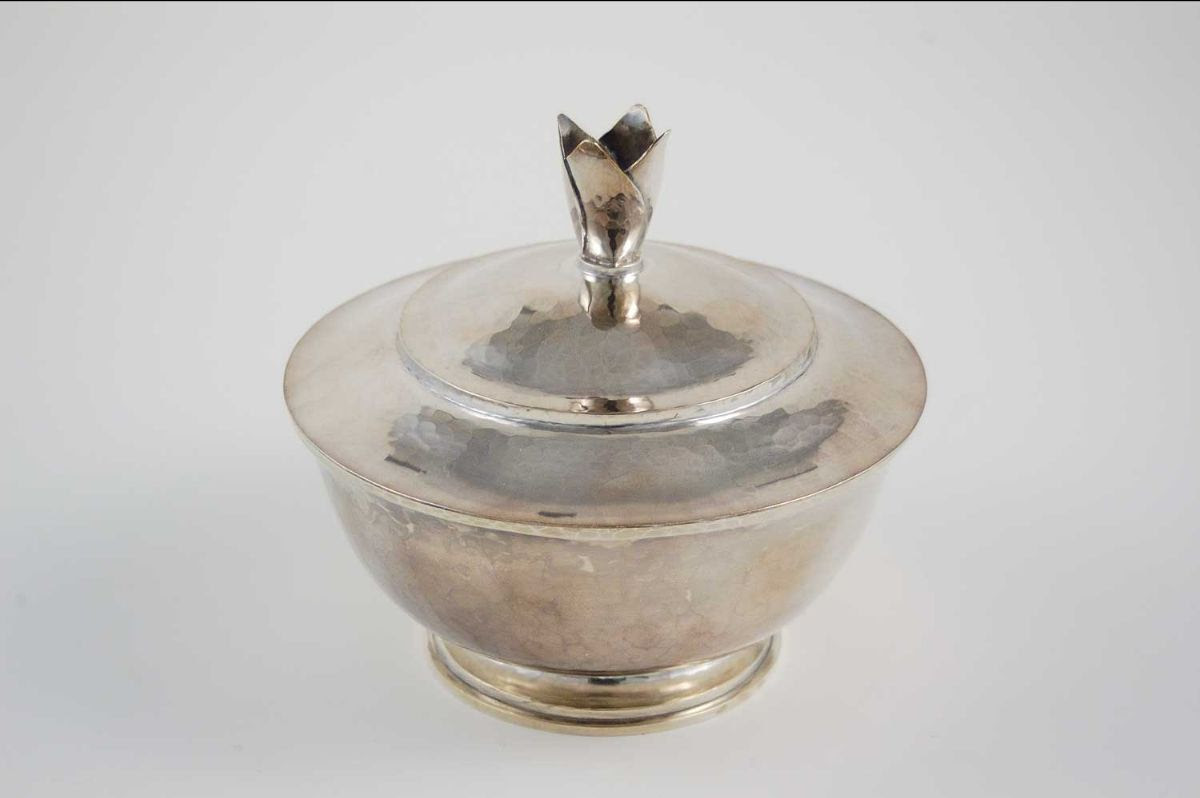
Useful and Beautiful: Silvercraft by William Waldo Dodge features a selection of functional silver works by Dodge drawn from the Museum’s Collection. Organized by the Asheville Art Museum and curated by Whitney Richardson, associate curator, this exhibition will be on view in the Debra McClinton Gallery at the Museum from February 23 through October 17, 2022.
William Waldo Dodge Jr. (Washington, DC 1895–1971 Asheville, NC) moved to Asheville in 1924 as a trained architect and a newly skilled silversmith. When he opened for business promoting his handwrought silver tableware, including plates, candlesticks, flatware (spoons, forks, and knives), and serving dishes, he did so in a true Arts and Crafts tradition. The aesthetics of the style were dictated by its philosophy: an artist’s handmade creation should reflect their hard work and skill, and the resulting artwork should highlight the material from which it was made. Dodge’s silver often displayed his hammer marks and inventive techniques, revealing the beauty of these useful household goods.
The Arts and Crafts style of England became popular in the United States in the early 1900s. Asheville was an early adopter of the movement because of the popularity and abundance of Arts and Crafts architecture in neighborhoods like Biltmore Forest, Biltmore Village, and the area around The Grove Park Inn. The title of this exhibition was taken from the famous quotation by one of the founding members of the English Arts and Crafts Movement, William Morris, who said, “have nothing in your house that you do not know to be useful or believe to be beautiful.” Not only did Dodge follow this suggestion; he contributed to American Arts and Crafts silver’s relevancy persisting almost halfway into the 20th century.
“It has been over 15 years since the Museum exhibited its collection of William Waldo Dodge silver and I am looking forward to displaying it in the new space with some new acquisitions added,” said Whitney Richardson, associate curator. Learn more at ashevilleart.org.
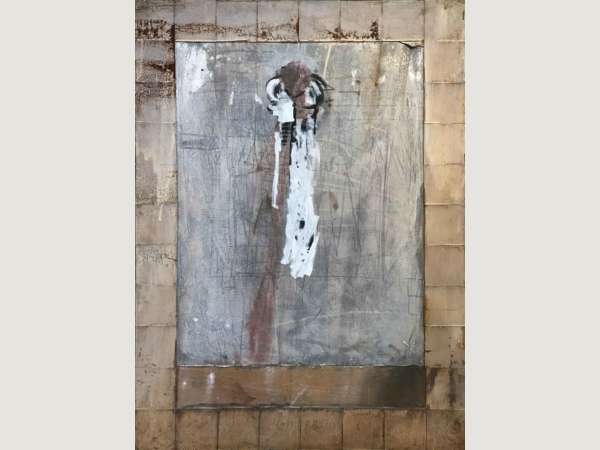
Arguably the most talented of the three Lange brother artists, TL Lange was an actual rockstar in Atlanta before he was an art rockstar in Asheville. “He was going to participate in the Fall Studio Stroll (2001) but something came up. He dropped a couple of cardboard jericho cases with random unstretched canvases & paper pieces for me to sell. This work is from that batch. It has never been viewed by the public before; some are for sale & others are only being shown.” –Stephen Lange. Twenty of these TL Lange paintings will be included in this exhibition as well as prints of Anonymous Bathers, one of his most noteworthy creations.TL Lange was born and raised in Charleston before studying drawing and painting at Winthrop University in Rock Hill, SC. After spending about five years in Atlanta, where he first made a name for himself in the art world, he moved to North Carolina where he maintained his home and atelier until his untimely death at the age of 36. Lange started his work with “concrete visions”, and actually began several paintings at one time. He tried to allow some form of synchronicity to determine his next decision. As the artist said, “I make marks for the sake of themselves. I create error that I find attractive in all of our everyday lives. However, I leave it hanging three marks shy of discernment. What I mean by that is that I choose that it not be understood or to be scrutinized by its detail or its adherence to reality—only to be seen for its sense and its nostalgic response without my personal sentiment.” A figurative and abstract artist, TL Lange had exhibited in numerous, prominent galleries in his young career. A condensed list includes Artworks Gallery (Salt Lake City, UT), Art Works (Atlanta, GA), Human Arts Gallery (Atlanta, GA), Landsdell Gallery (Atlanta, GA) and Art Dallas (Dallas, TX), Mary Bell Galleries (Chicago, IL) and Foster White Galleries (Seattle, WA). TL Lange’s remarkable artwork can be found in many private, corporate, and public collections including Wentworth Galleries, Larson Juhl Frames, and Saks Fifth Avenue Corporation and Microsoft Corporation.
Lightning round talks followed by a panel about the intrinsic relationship between Eastern Band Cherokee identity, land, and craft.

Various times
His masterworks have been displayed around the world for over a century… but never like this. Described as “an unforgettable multi-sensory experience,” Van Gogh Alive is a powerful and vibrant symphony of light, color, sound, and scent that compels you to leave the world behind and immerse yourself in Van Gogh’s paintings. Simultaneously enchanting, entertaining, and educational, Van Gogh Alive stimulates all the senses and opens the mind.
|
|
|

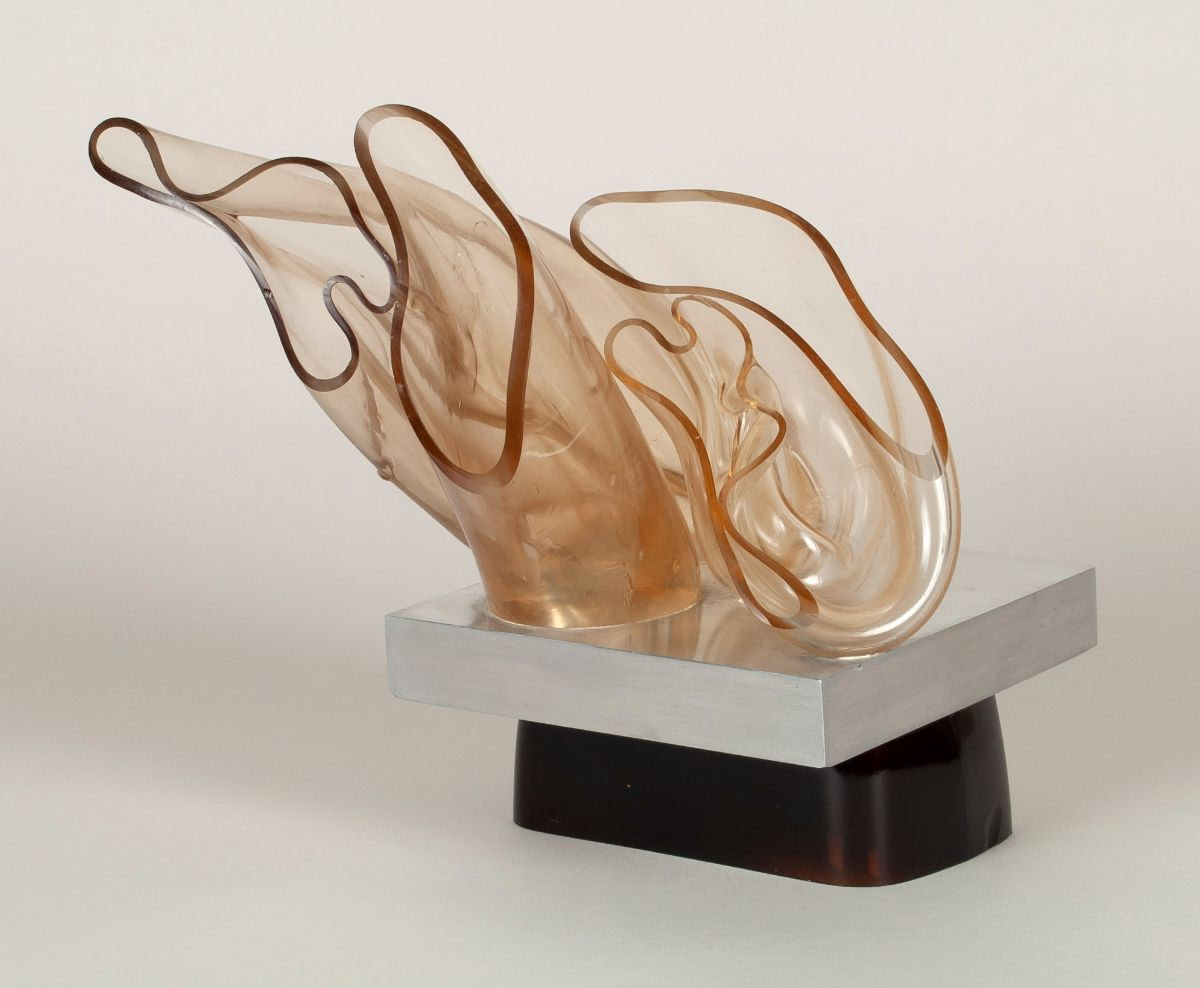
Our first exhibition of the year, Of Body & Mind, explores the connection between form and soul. Both functional and sculptural glass work is displayed. Artists are encouraged to expand the concept beyond static objects. The show exhibits work of glass artists living in Western North Carolina or who have a connection to the area. The exhibit is open during our regular gallery hours in D Space. Closed Tuesdays. Masks required. A reception will be announced at a later date. Featured artwork: ‘Be Here Now’ by Ben Greene-Colonnese.
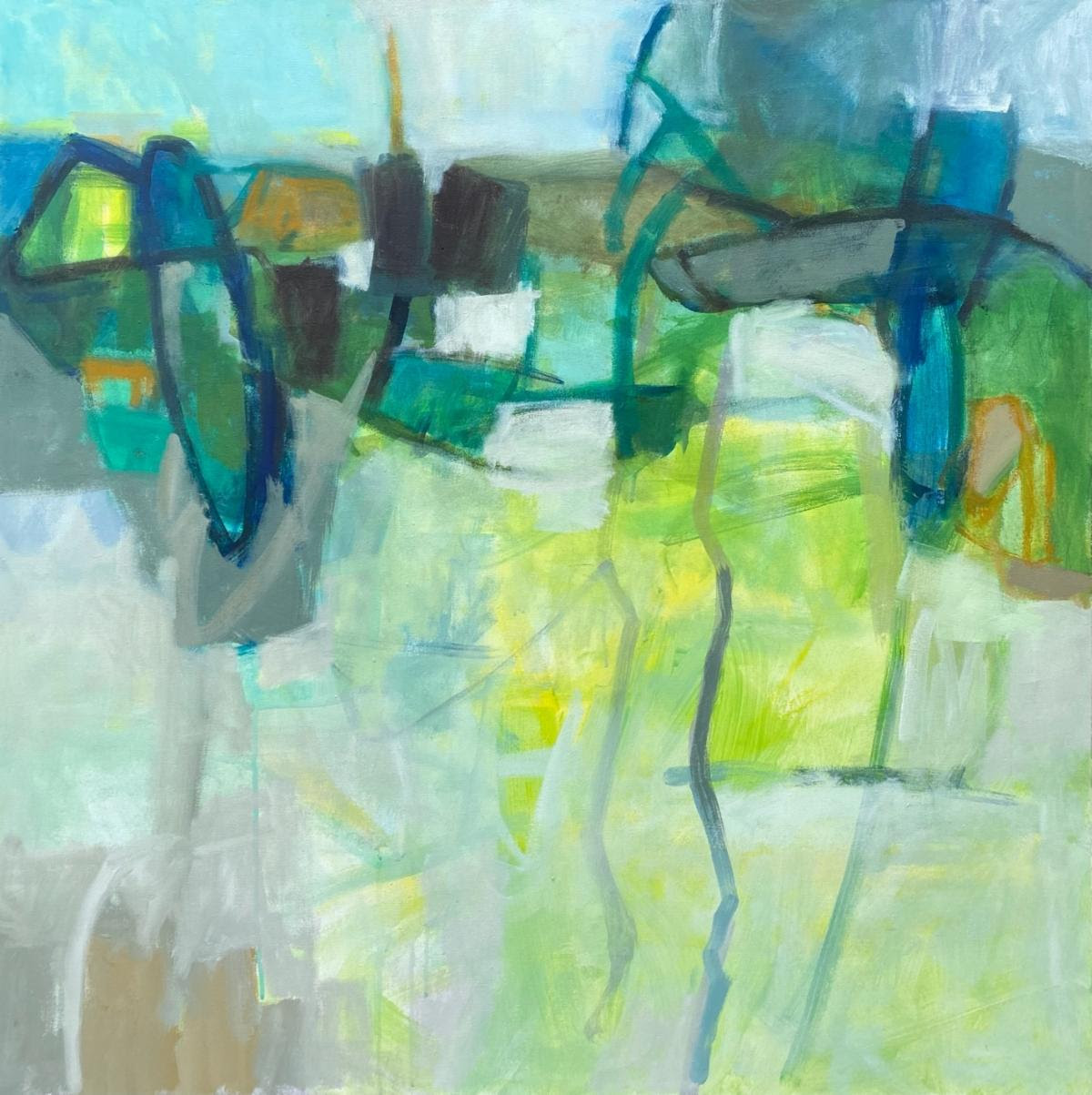
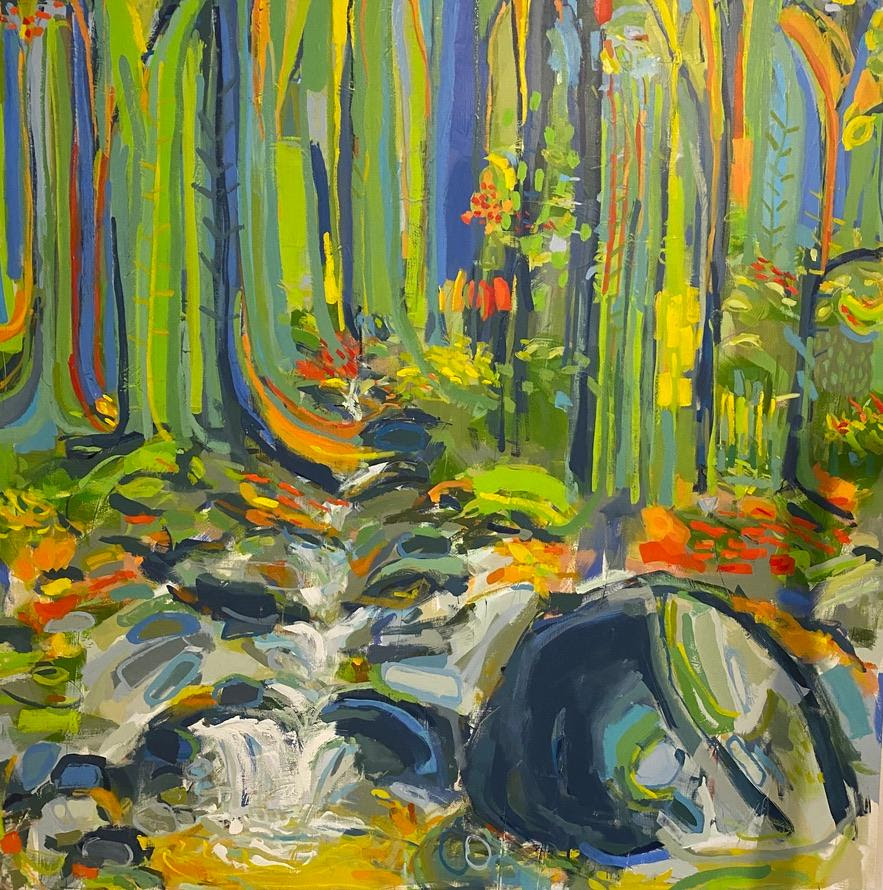

Showcase of Excellence features the exceptional artistic talent of high school students in our area. This premier event is a juried fine arts competition that offers young artists their first taste of a professional gallery environment. Cash prizes are awarded for the top student artists and teachers.
High school teachers in North and South Carolina are invited to submit their students’ best work in painting, drawing, sculpture, mixed media, printmaking, and photography.
First Prize and Best in Show students are awarded a cash prize to encourage their artist pursuits. Winning teachers are awarded a Be Inspired Grant that they may use for classroom projects. These prizes are made possible by our generous donors.
The 2022 Showcase of Excellence will held from February 19 – March 12 in the Parker Gallery at TFAC.
Information about registration and Showcase rules can be found below.
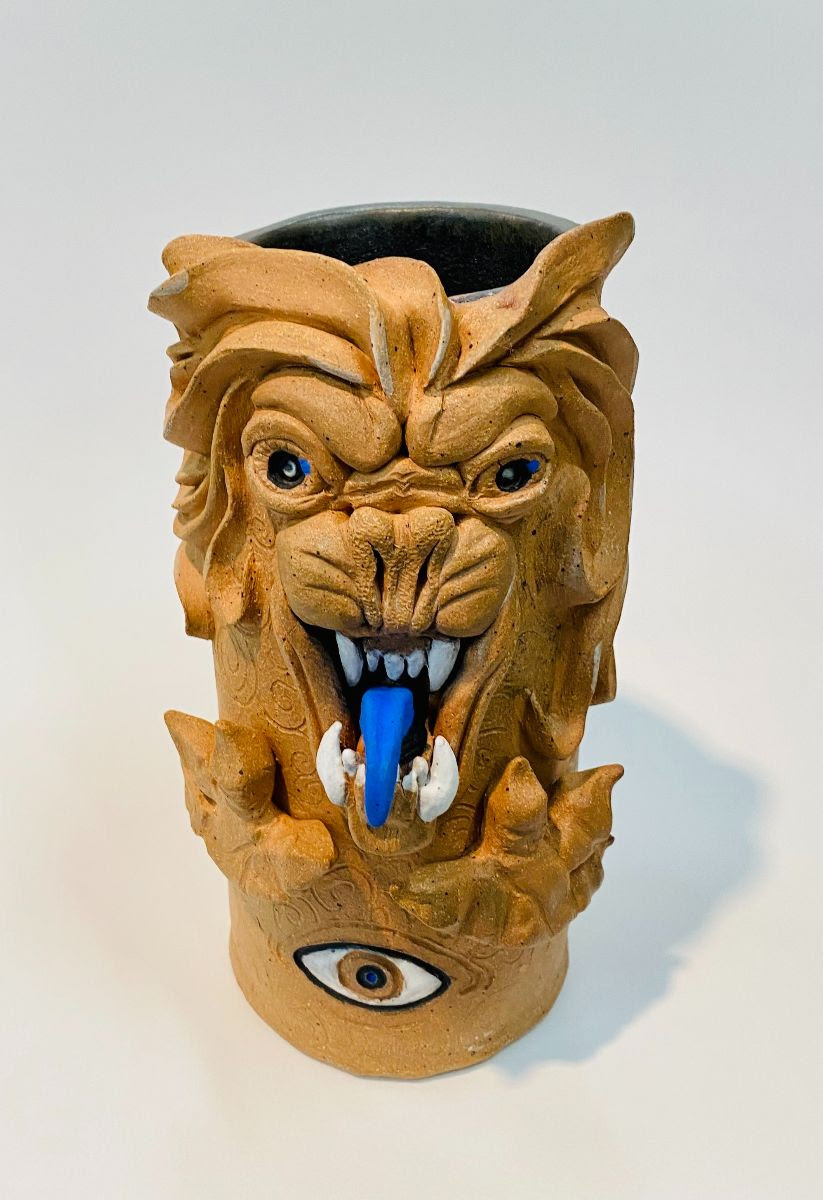
Olivia Jones, Face Vessel, Ceramics & Glass, Silsa-Asheville High School, Grade 12. 2022 WNC Regional Scholastic Art Awards, Gold Key award.
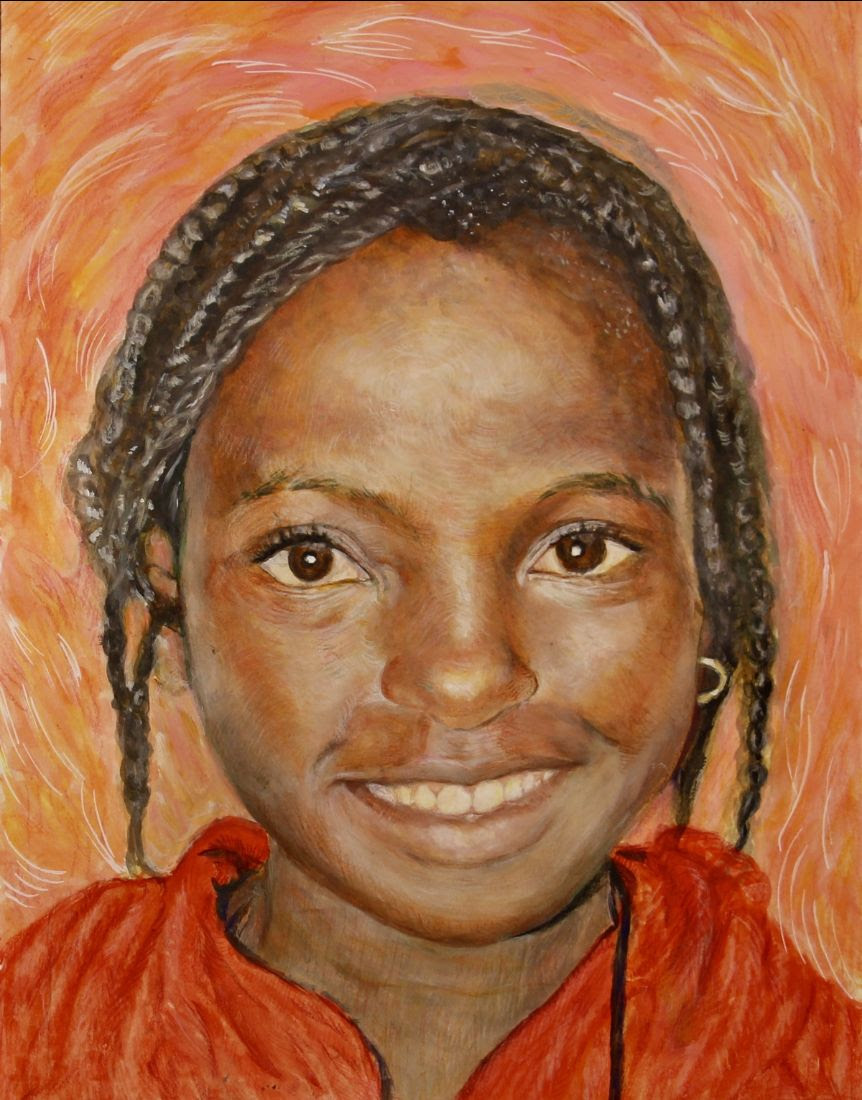
The Asheville Art Museum has announced the regional award recipients of the 2022 Scholastic Art Awards and artworks will be on view at the Museum.
The regional program is judged in two groups: Group I, grades 7–8 and Group II, grades 9–12. Out of 540 total art entries, 190 works have been recognized by the judges, and Gold and Silver Key award-winning artworks are featured in this exhibition while honorable mentions will be featured digitally. The 2022 regional judges include local artists and educators Brandy Bourne, Jenny Pickens, and M. Paige Taylor. Those works receiving Gold Keys have been submitted to compete in the 99th Annual National Scholastic Art Awards Program in New York City. Of the Gold Key Award recipients, five students have also been nominated for American Visions, indicating their work is the Best in Show of the regional awards. One of these American Visions Nominees will receive an American Visions Medal at the 2022 National Scholastic Art Awards. Award winners include students from public, private, homeschools, and charter schools in Buncombe, Burke, Haywood, Henderson, Jackson, Madison, McDowell, Rutherford.
Since the program’s founding in 1923, the Scholastic Art Awards have fostered the creativity and talent of millions of students, and include a distinguished list of alumni including Andy Warhol, who received recognition in the Awards when he was a teen.
National Gold Key medalists will be announced in March 2022 and honored during a special awards ceremony in June 2022.
For more information about the Alliance for Young Artists & Writers and the Scholastic Art & Writing Awards, visit the Scholastic Newsroom: mediaroom.scholastic.com/artandwriting.
|
|
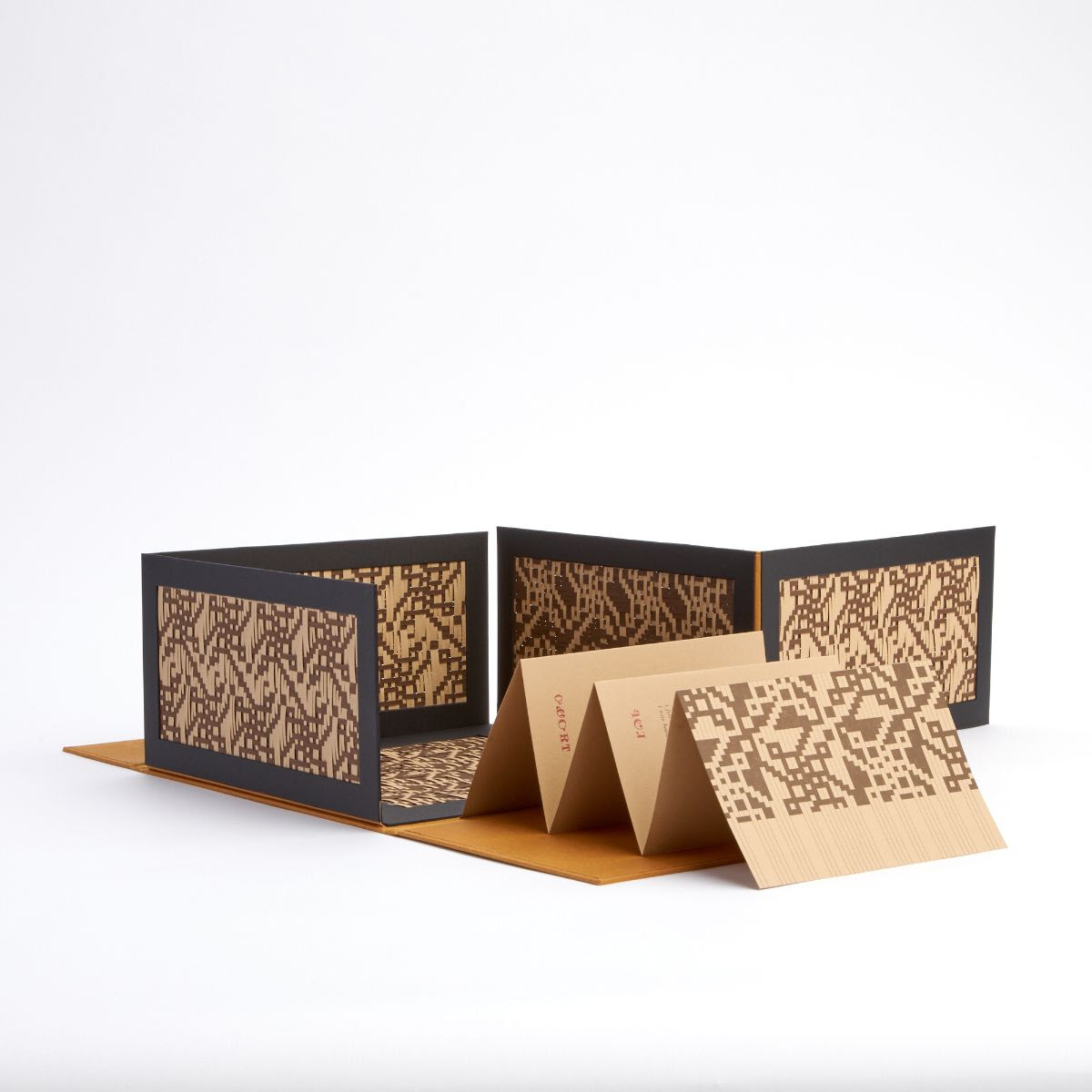
Rhiannon Skye Tafoya (Eastern Band of Cherokee Indians), Ul’nigid’, 2020, letterpress (photopolymer and Bembo & Cherokee Syllabary metal type) printed on handmade & color plan paper with paperweaving, closed: 11 × 11 ¼ inches, assembled: 23 ½ × 11 ¼ × 5 ⁵⁄₈ inches. Courtesy the Artist. © Rhiannon Skye Tafoya, image Rhiannon Skye Tafoya.
Living Language: Cherokee Syllabary and Contemporary Art features over 50 works of art in a variety of media by 30+ Eastern Band of Cherokee Indians (EBCI) and Cherokee Nation artists. The exhibition highlights the use of the written Cherokee language, a syllabary developed by Cherokee innovator Sequoyah (circa 1776–1843). Cherokee syllabary is frequently found in the work of Cherokee artists as a compositional element or the subject matter of the work itself. The exhibition will be on view at the Museum of the Cherokee Indian in Cherokee, NC from June 12, 2021 to October 31, 2021, and in the Asheville Art Museum’s Appleby Foundation Exhibition Hall from November 19, 2021 to March 14, 2022. The Cherokee Syllabary is a system of writing developed by Sequoyah in the early 1800s prior to the Removal period. Through Sequoyah’s innovative work, Cherokee people embraced the writing system as an expedient form of communication and documentation. During the Removal period, the syllabary was used as a tactic to combat land dispossession. Cherokee people continue to use the syllabary as a form of cultural expression and pride, which is showcased in the contemporary artwork of the Cherokee Citizens in this exhibition.
“We’re pleased to host this gathering of works from contemporary Cherokee artists, who perfectly illustrate how our language is a living and evolving part of who we are. It’s moving to see how each artist finds inspiration in their own way from this language that connects us as Cherokee people,” said Shana Bushyhead Condill, executive director of the Museum of the Cherokee Indian.
“The Asheville Art Museum and the Museum of the Cherokee Indian have been long-term collaborators, and we are delighted to further our partnership by working together to manage an open call to Cherokee artists and subsequently curate this exciting exhibition of contemporary works that take inspiration from, celebrate, preserve and interpret the syllabary,” said Pamela L. Myers, executive director of the Asheville Art Museum. “On view at both museums, we hope the exhibition engages a wide and diverse audience in dialogue with these extraordinary works.”
A Living Language: Cherokee Syllabary and Contemporary Art is organized by the Asheville Art Museum and Museum of the Cherokee Indian, and curated by Hilary Schroeder, assistant curator at the Asheville Art Museum, with assistance from curatorial consultant Joshua Adams (Eastern Band of Cherokee Indians). Special thanks to S. Dakota Brown, education director at the Museum of the Cherokee Indian, and Alexis Meldrum, curatorial assistant at the Asheville Art Museum, for their support in the planning of this exhibition. This project is made possible in part by a grant from the Blue Ridge National Heritage Area Partnership, and sponsored in part by the Cherokee Preservation Foundation and Kevin Click & April Liou in memory of Myron E. Click.
Eastern Band of Cherokee Indians artists include Joshua Adams, Jody Lipscomb Bradley, Nathan Bush, Kane Crowe, John Henry Gloyne, Shan Goshorn, Luzene Hill, Christy Long, Louise Bigmeat Maney, Christopher McCoy, Tara McCoy, Joel Queen, Sean Ross, Jakeli Swimmer, Rhiannon Skye Tafoya, Mary Thompson, Stan Tooni Jr., Alica Wildcatt, and Fred Wilnoty.
Cherokee Nation artists include Roy Boney Jr., Jeff Edwards, Joseph Erb, Raychel Foster, Kenny Glass, Camilla McGinty, Jessica Mehta, America Meredith, Jane Osti, Lisa Rutherford, Janet L. Smith, Jennifer Thiessen, and Jennie Wilson.
About the Museum of the Cherokee Indian
Established in 1948, the Museum of the Cherokee Indian is one of the longest operating tribal museums. Recognized for its innovative storytelling, the Museum features exhibits, artwork, and hands-on technology that brings over 15,000 years of Cherokee history to life. Located in Cherokee, NC, the Museum is open daily except Thanksgiving, Christmas, and New Year’s Day. Learn more by visiting
mci.org.
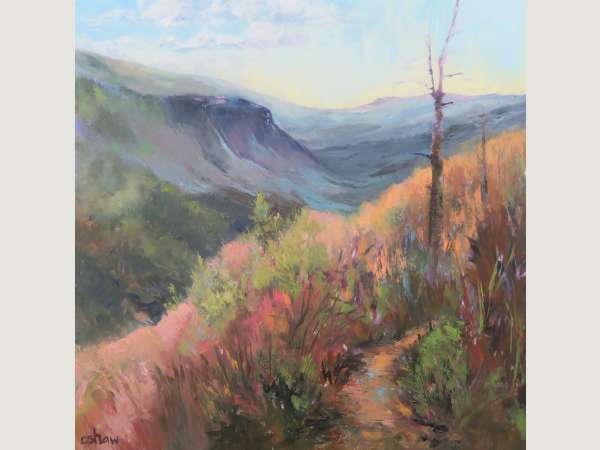
Asheville Gallery of Art March 2022 Exhibit, New Members Show“Color Dance” will feature works by four new gallery members: Anne Marie Brown, Raquel Egosi, JoAnn Pippin, and Cindy Shaw. The show will run March 1-31 during gallery hours, 11am-6pm. An event to meet the artists will be held at the gallery on First Friday, March 4, from 5-8pm at 82 Patton Avenue. These four exciting artists have selected “Color Dance” as the theme for their show. Paintings are generally static and are confined within a frame. The combined creative energy of these artists has seemingly moved beyond these limits, to create beautiful expressions of dynamic, moving shapes, captured within a spatial environment. They wish their works to evoke thoughts, emotions, and awareness to celebrate the sentient meaning of life. Please join us for “Color Dance” to revel in the paintings presented by these new gallery artists. They will deliver dynamic color, vibrancy, and hue into scenes that will dance their way into your heart. Anne Marie Brown began painting when, as a florist, she would paint small watercolors of her floral designs. She has exhibited in outdoor shows for over ten years and has had exhibitions in numerous galleries. Now settled in the mountains, she is inspired to paint the sweeping vistas and flora and fauna within. Anne Marie works in watercolor, gouache, oil, and acrylic, and hopes the images that touch her heart and canvas will touch yours as well. Color is music to my eyes. The song that is created on the canvas makes my heart dance. Raquel EgosiRaquel’s art career began in 1996 in Brazil. Studying with acclaimed artists and attending a variety of painting classes, she was active in her local art community, collaborating and setting up art shows. She currently participates regularly in gallery shows and museum exhibitions. Her art sells internationally, and she leads workshops for mixed media techniques in both the United States and overseas. Constructed using a variety of mixed media, my compositions are exceedingly rich in color and texture, with partial or fully figurative and abstract elements. JoAnn Pippin, her passion is to explore different watercolor techniques, with her subjects. Her paintings have been exhibited in juried art shows throughout the US, and her focus is on color, composition, and texture, to create light and mood through technique. The theme “Color Dance” is especially meaningful to watercolorists, because we literally watch color dance and blend when we add wet paint to wet paper. It is not simply mixing colors on the palette and placing them in our work, but the excitement of observing the action as they blend and mingle to create wonderful new hues. Cindy Shaw originally trained as an Architect and worked for many years on projects as well as teaching. However, when her husband’s career took her to rural Italy, she purchased art supplies and began to paint. While there, she enjoyed exploring the Italian countryside and capturing “le viste belle!”. Returning home to the USA, she has continued to grow and develop as an impressionist artist over the past decade. “Color adds depth and meaning, not only to our paintings, but also to our outlook on life. Color can be joyful, dramatic, and exciting.”
Pack Square Collection and Crawford Square Real Estate Advisors are thrilled to announce that we are installing downtown Asheville’s newest mural painted by local artist, Jenny Pickens, on the south side of the Pack Square Parking Garage which faces the corner of Eagle St. and Market St.!
Please join us in celebrating this new mural installation with our ribbon cutting on Thursday, March 3rd at 11am, located directly in front of the mural. There will be a statement from the artist and interview opportunities with the artist and/or Pack Square Collection will also be available.
The multi-layered mural will consist of four 8ft.x4ft. wooden panels spanning upwards to all three levels of the parking garage. The vibrant, colorful mural will portray a beautiful eagle to represent Eagle Street with a stained-glass appearance.
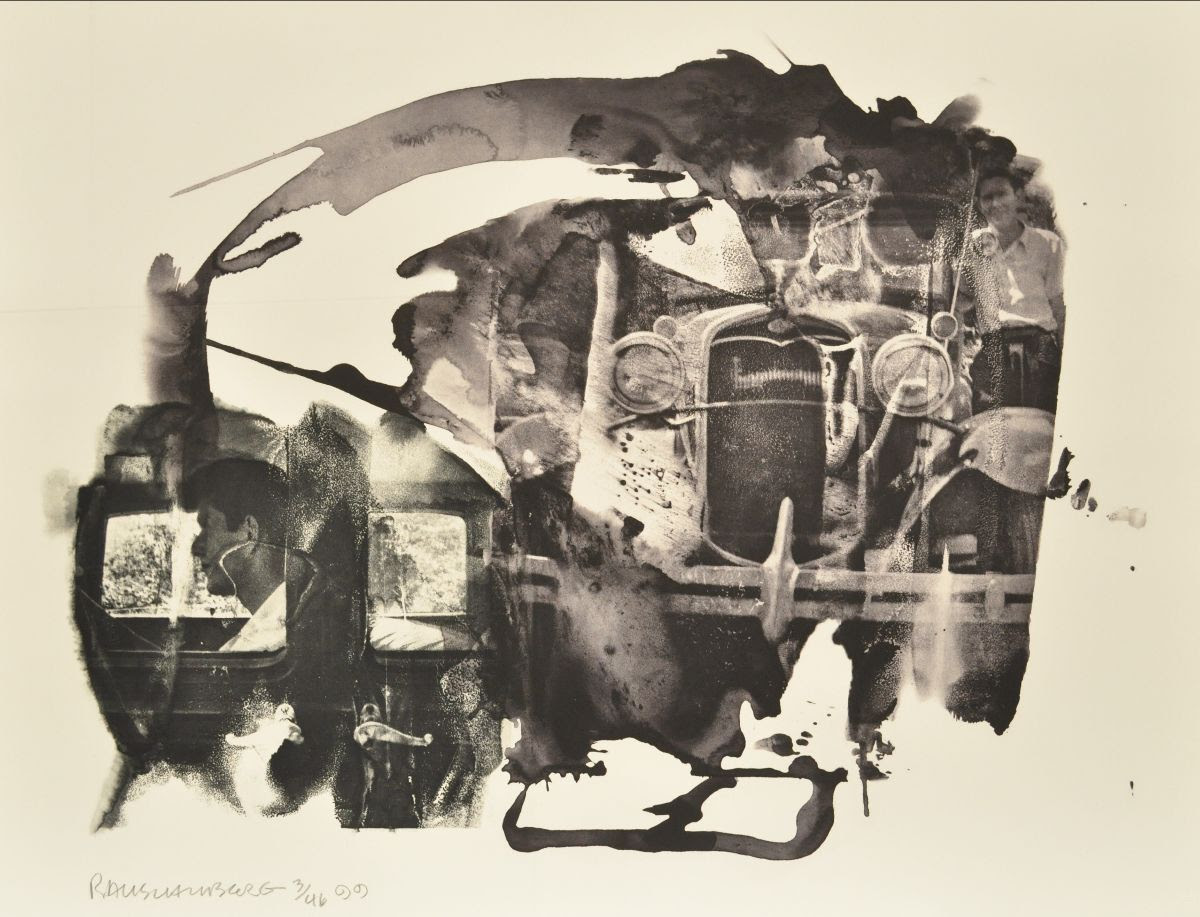 |
| Robert Rauschenberg, John from the Ruminations series, 1999, photogravure on paper, edition 3/46, publisher: Universal Limited Art Editions, Bay Shore, NY, 29 ½ × 38 7/8 inches. Asheville Art Museum. © Robert Rauschenberg Foundation / VAGA at Artists Rights Society (ARS), New York. |
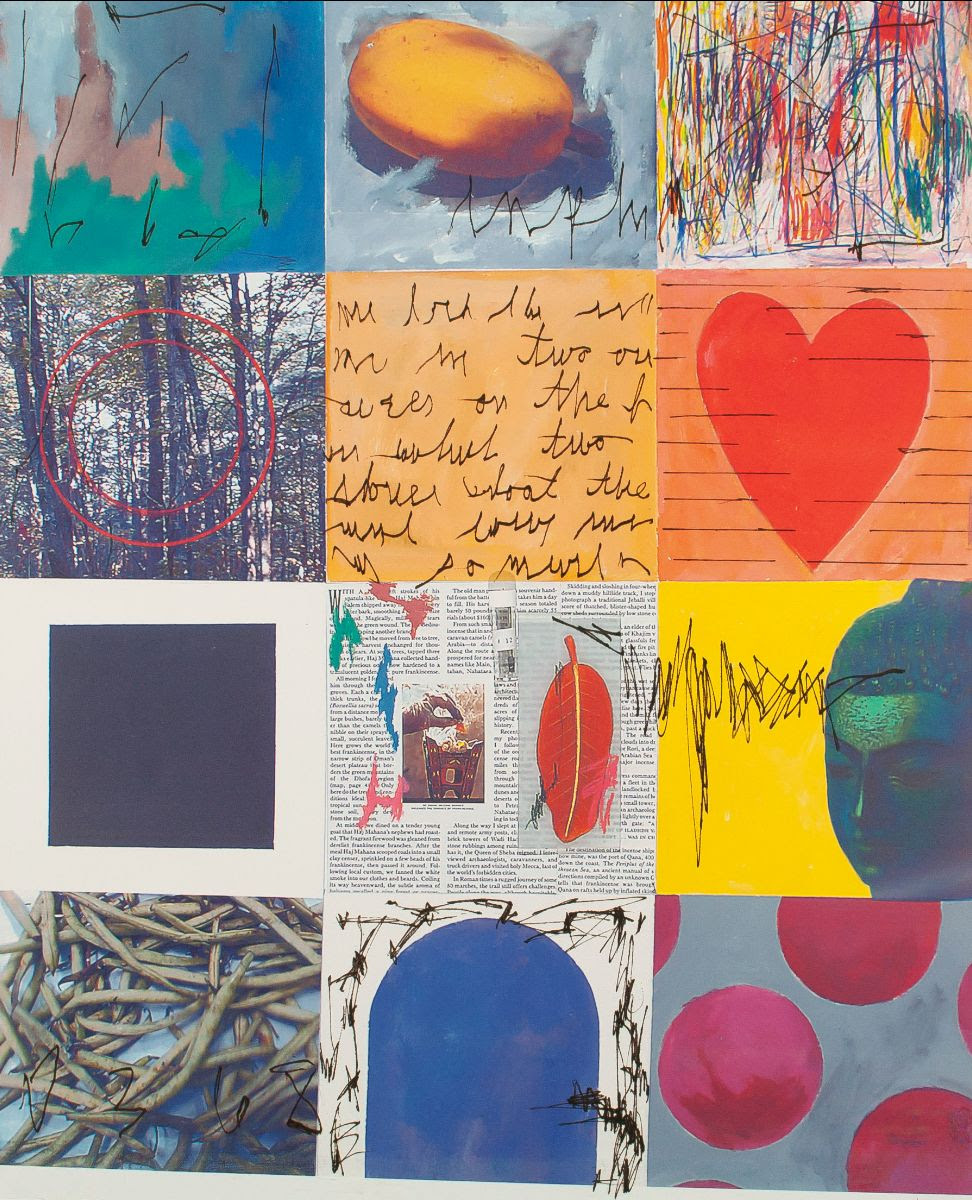
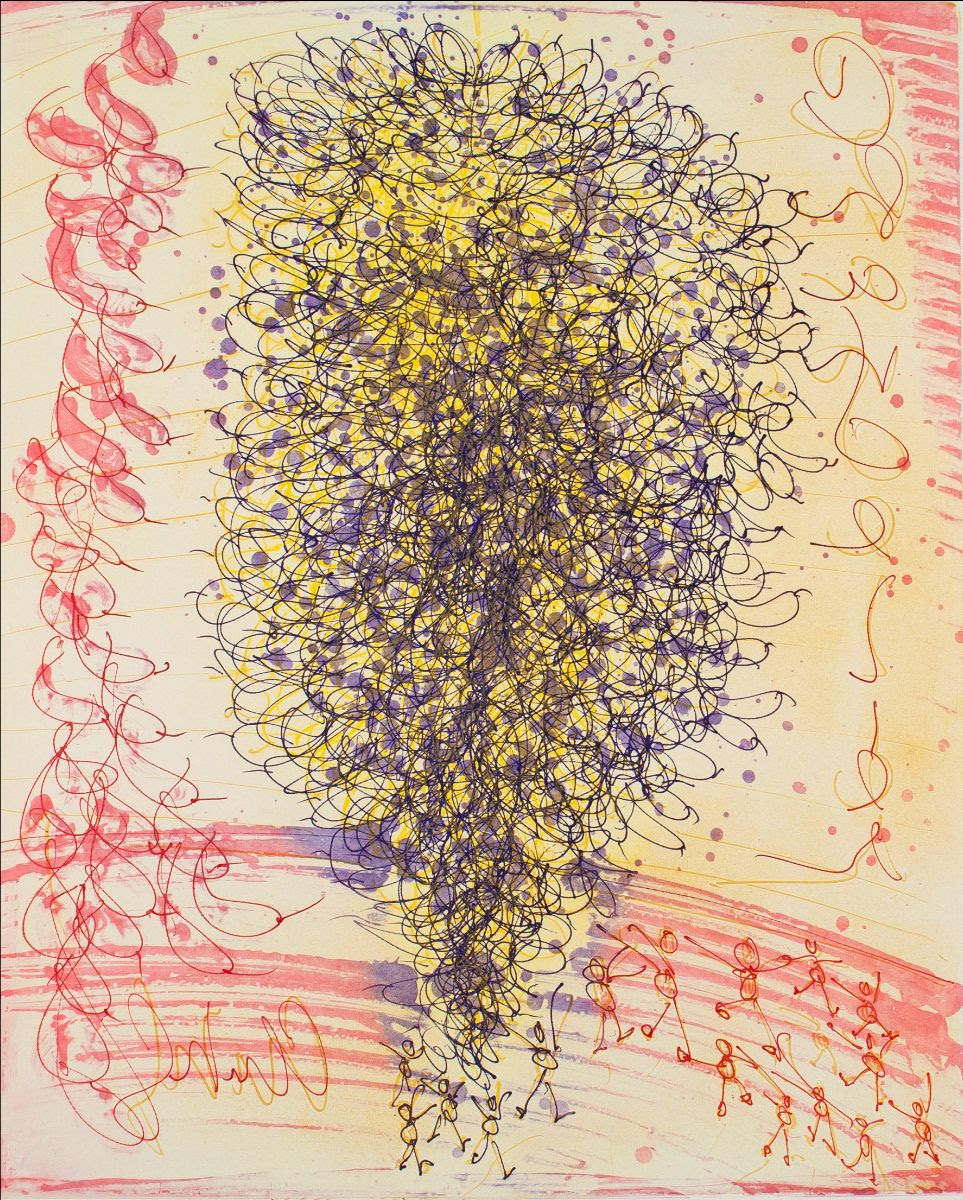
Ruminations on Memory contends with the act of remembrance and reflection, featuring a rare presentation of all nine prints from Robert Rauschenberg’s Ruminations portfolio, Judy Chicago’s Retrospective in a Box portfolio, and selections from the Museum’s Collection. Organized by the Asheville Art Museum and curated by Hilary Schroeder, assistant curator, this exhibition will be on view in Appleby Foundation Exhibition Hall at the Museum from November 19, 2021 through March 14, 2022 in conjunction with A Living Language: Cherokee Syllabary and Contemporary Art.
Artworks are vessels for processing, recalling, and reflecting on the past. Artists often draw upon materials from their own pasts and grasp at fleeting moments in time in the creation of an object. For the viewer, observation of an artwork can draw out personal memories.
Artworks in a variety of media explore various ways of remembering, including individual memories that focus on the moments from an artist’s past; generational memory that looks back to one’s ancestors, whether recent or long past; and collective memory, wherein in an image might evoke bygone times that balance between constructed and real. Through these artworks that ruminate upon the past, viewers may discover the stirrings of their own thoughts and recollections prompted by the works before them.
Ruminations on Memory offers a unique opportunity to experience the entirety of a major print portfolio by American painter Robert Rauschenberg (Port Arthur, TX 1925–2008 Captiva, FL). Rauschenberg was a student at Black Mountain College in NC for the 1948–1949 and 1951–1952 academic sessions and for the 1951 and 1952 summers. His Ruminations series consists of nine color photogravures which were printed in 1999 and reflect on Rauschenberg’s early life, his friends and family, and the memories he held dear. The series represents especially significant mature work by Rauschenberg that looks back to his most formative moments as an artist including his time at Black Mountain College and the friendships and ideas formed there.
Also presented in the exhibition is an important series of prints by Judy Chicago (born Chicago, IL 1939). Five decades into her career, Chicago stands as one of the foremost artists of the 20th and 21st centuries, having committed to socially minded work, uplifting in particular experiences salient to her feminine and Jewish identities. Retrospective in a Box consists of seven prints and a portfolio created in collaboration with the master printers at Landfall Press, and provides an overview of her major motifs and ideas, including the print Spring the Dinner, a nod to her seminal 1979 work The Dinner Party.
In addition to the artworks from the Museum’s Collection, visitors will be able to experience Felix Gonzales-Torres’s “Untitled” (L.A.), on loan from the Art Bridges collection. “Untitled” (L.A.) is one of the artist’s iconic interactive candy installations where memories are engaged not only through sight but through sound, touch, taste, and smell as well.
Learn more about Ruminations on Memory and A Living Language: Cherokee Syllabary and Contemporary Art at ashevilleart.org.
|
|
|
|
|
|
| N. C. Wyeth, Eight Bells (Clyde Stanley and Andrew Wyeth aboard Eight Bells), 1937, oil on hardboard, 20 × 30 inches. Bank of America Collection |
The Wyeths: Three Generations | Works from the Bank of America Collection provides a comprehensive survey of works by N. C. Wyeth, one of America’s finest illustrators; his son, Andrew, an important realist painter; his eldest daughter, Henriette, a realist painter; and Andrew’s son Jamie, a popular portraitist. Through the works of these artists from three generations of the Wyeth family, themes of American history, artistic techniques, and creative achievements can be explored. This exhibition will be on view in the Asheville Art Museum’s Explore Asheville Exhibition Hall February 12 through May 30, 2022.
N. C. Wyeth (1882–1945) has long been considered one of the nation’s leading illustrators. In the early 1900s, he studied with illustrator Howard Pyle in Delaware. In 1911, he built a house and studio in nearby Chadds Ford, PA. Later, he bought a sea captain’s house in Maine and in 1931 built a small studio, which he shared with his son, Andrew, and his daughters, Henriette and Carolyn. The exhibition includes illustrations for books by Robert Louis Stevenson and Washington Irving as well as historical scenes, seascapes, and landscapes.
Andrew Wyeth (1917–2009) is one of the United States’ most popular artists, and his paintings follow the American Realist tradition. He was influenced by the works of Winslow Homer, whose watercolor technique he admired, as well as by the art of Howard Pyle and his father, N. C. While Andrew painted recognizable images, his use of line and space often imbue his works with an underlying abstract quality. The exhibition includes important works from the 1970s and 1980s as well as recent paintings.
Henriette Wyeth (1907–1997) was the eldest daughter of N.C. Wyeth and an older sister to Andrew Wyeth. Like other members of her family, her painting style was realist in a time when Impressionism and Abstraction were popular in the early 20th century. She studied painting at the Pennsylvania Academy of the Fine Arts and was an acclaimed portraitist, though perhaps not as widely known as her father and brother. Most notably she painted the portrait of First Lady, Pat Nixon, which is in the collection of The White House.
Jamie Wyeth (born 1946), like his father and grandfather, paints subjects of everyday life, in particular the landscapes, animals, and people of Pennsylvania and Maine. In contrast to his father—who painted with watercolor, drybrush, and tempera—Jamie works in oil and mixed media, creating lush painterly surfaces. The 18 paintings in the exhibition represent all periods of his career.
This exhibition has been loaned through the Bank of America Art in our Communities® program.
|
|
Useful and Beautiful: Silvercraft by William Waldo Dodge features a selection of functional silver works by Dodge drawn from the Museum’s Collection. Organized by the Asheville Art Museum and curated by Whitney Richardson, associate curator, this exhibition will be on view in the Debra McClinton Gallery at the Museum from February 23 through October 17, 2022.
William Waldo Dodge Jr. (Washington, DC 1895–1971 Asheville, NC) moved to Asheville in 1924 as a trained architect and a newly skilled silversmith. When he opened for business promoting his handwrought silver tableware, including plates, candlesticks, flatware (spoons, forks, and knives), and serving dishes, he did so in a true Arts and Crafts tradition. The aesthetics of the style were dictated by its philosophy: an artist’s handmade creation should reflect their hard work and skill, and the resulting artwork should highlight the material from which it was made. Dodge’s silver often displayed his hammer marks and inventive techniques, revealing the beauty of these useful household goods.
The Arts and Crafts style of England became popular in the United States in the early 1900s. Asheville was an early adopter of the movement because of the popularity and abundance of Arts and Crafts architecture in neighborhoods like Biltmore Forest, Biltmore Village, and the area around The Grove Park Inn. The title of this exhibition was taken from the famous quotation by one of the founding members of the English Arts and Crafts Movement, William Morris, who said, “have nothing in your house that you do not know to be useful or believe to be beautiful.” Not only did Dodge follow this suggestion; he contributed to American Arts and Crafts silver’s relevancy persisting almost halfway into the 20th century.
“It has been over 15 years since the Museum exhibited its collection of William Waldo Dodge silver and I am looking forward to displaying it in the new space with some new acquisitions added,” said Whitney Richardson, associate curator. Learn more at ashevilleart.org.
Arguably the most talented of the three Lange brother artists, TL Lange was an actual rockstar in Atlanta before he was an art rockstar in Asheville. “He was going to participate in the Fall Studio Stroll (2001) but something came up. He dropped a couple of cardboard jericho cases with random unstretched canvases & paper pieces for me to sell. This work is from that batch. It has never been viewed by the public before; some are for sale & others are only being shown.” –Stephen Lange. Twenty of these TL Lange paintings will be included in this exhibition as well as prints of Anonymous Bathers, one of his most noteworthy creations.TL Lange was born and raised in Charleston before studying drawing and painting at Winthrop University in Rock Hill, SC. After spending about five years in Atlanta, where he first made a name for himself in the art world, he moved to North Carolina where he maintained his home and atelier until his untimely death at the age of 36. Lange started his work with “concrete visions”, and actually began several paintings at one time. He tried to allow some form of synchronicity to determine his next decision. As the artist said, “I make marks for the sake of themselves. I create error that I find attractive in all of our everyday lives. However, I leave it hanging three marks shy of discernment. What I mean by that is that I choose that it not be understood or to be scrutinized by its detail or its adherence to reality—only to be seen for its sense and its nostalgic response without my personal sentiment.” A figurative and abstract artist, TL Lange had exhibited in numerous, prominent galleries in his young career. A condensed list includes Artworks Gallery (Salt Lake City, UT), Art Works (Atlanta, GA), Human Arts Gallery (Atlanta, GA), Landsdell Gallery (Atlanta, GA) and Art Dallas (Dallas, TX), Mary Bell Galleries (Chicago, IL) and Foster White Galleries (Seattle, WA). TL Lange’s remarkable artwork can be found in many private, corporate, and public collections including Wentworth Galleries, Larson Juhl Frames, and Saks Fifth Avenue Corporation and Microsoft Corporation.
Before you even begin thinking about volunteering, ask yourself – Am I well enough to volunteer?
Your safety and limiting the spread of COVID-19 is everyone’s main priority. We encourage you to review and adhere to the recommendations on the Buncombe County readiness site on how best to avoid COVID-19 and what to do if you think you might have it.
Creative Peacemakers is an after-school program sponsored by St.George’s Episcopal Church serving children from the Deaverview Apartment Community. The mission of Creative Peacemakers is to bring peace to communities by helping children practice peacemaking through cooperative play, loving relationships, and creative expression. We provide opportunities for nurture, healing, empowerment, and building resilience.
We are seeking volunteers to assist us in our small after school program for children in West Asheville in low-income housing. We provide a safe and nourishing environment, healthy snacks, and creative activities. Our program currently meets during the school year on most Tuesday and Thursday afternoons from 3:00-5:00pm. You may volunteer for one or two days a week.
Volunteer Responsibilities:
- Assist with serving snacks
- Interact with children during activity time
- Supervise games and outdoor free time
- For people with background in education, there is also an opportunity to assist with curriculum development and program planning and administration
Requirements:
- Background check
- Orientation booklets will be provided
- Masks are required if unvaccinated
Location:
Deaverview Apartment Community Center
275 Deaverview Rd.
Asheville, NC 28806
Health & Safety:
- Hand washing stations are available
- Hand sanitizer is available
TFAC will follow CDC and Polk County COVID recommendations. Participants will have space to social distance and appropriate face masks are strongly recommended. The program will also be available via Zoom.
Description

Registrations are for ONE HOUSEHOLD.
All sessions will be held on the first Thursday of the month, at 4:30 pm. A link will be sent out the morning of the session if zoom is desired.
Schedule:
February 3:
.jpg)
Exhibition. Paintings. Music
A survey of 19th century Nationalism in the Arts through the works of Russian composers, members of the Mighty Five. Despite mockery from mainstream critics and audiences, the group members continued their pursuit of finding their unique voices. Their involvement with artists in other fields led to frequent connections between visual art and music. Join us on an expedition to the past as Mr. Begelman explores and deconstructs the rise of great Russian music through the works of prolific geniuses. Featured composer Musorgsky
March 3:
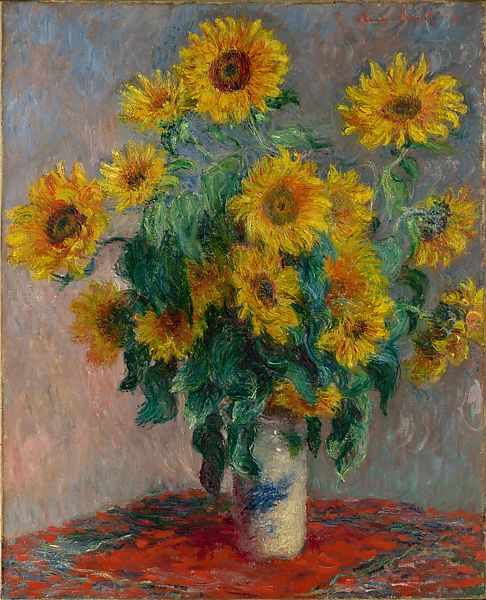
Impressions and Passions
Step into one of Claude Monet’s gardens and delight in the Impressionist period when music sought to convey moods or capture feelings, using unusual ways of looking at ordinary things. Mimicking the visual artists of the time, the structure of a work of art became subordinate to its effect. In the years containing the first movie theater and the invention of color photography, the world was brimming with opportunities to fill life with audio and visual encounters. Discover how a relatively small and rogue, in the eyes of many traditionalists, group of painters started one of the most recognized styles in the world that translated into music and literature. Be impressed and join us! Featured composers Debussy and Ravel
April 7:
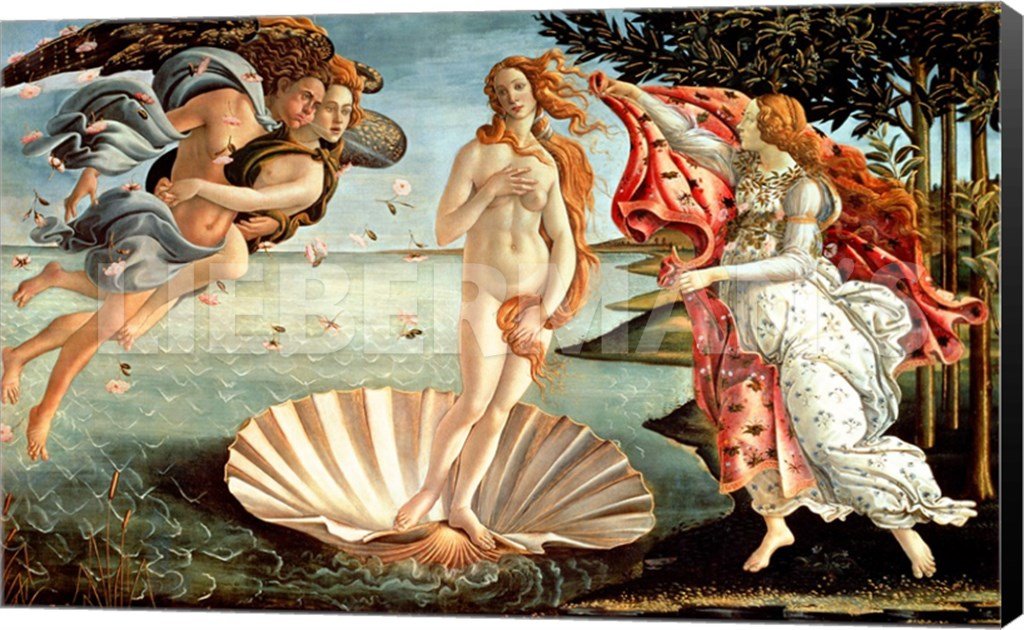
Musical brush
Can a composer be inspired by a painting? Can a painting be brought to life with music by giving the canvas a voice? Can you paint sound? Can a story be told with brush strokes or notes instead of words? In search of answers, come with us on a journey through times to witness how visual and musical artists inspired each other and produced some of the most creative works of art. Featured composers Liszt, Respighi.
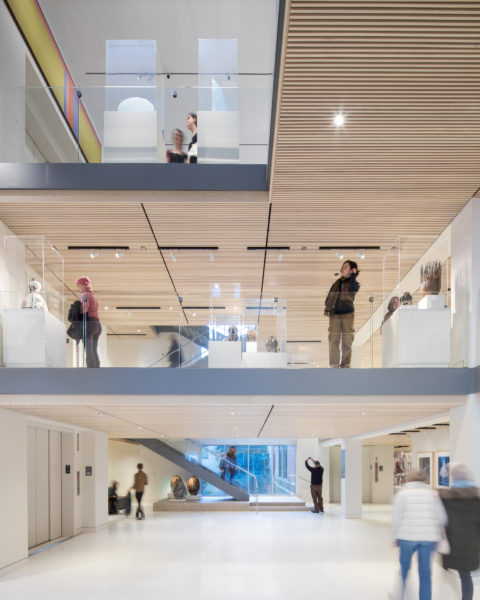
Today’s public tour is led by Shana Hill, touring docent.
PUBLIC TOURS
Join docents for tours of the Museum’s Collection and special exhibitions. No reservations are required.
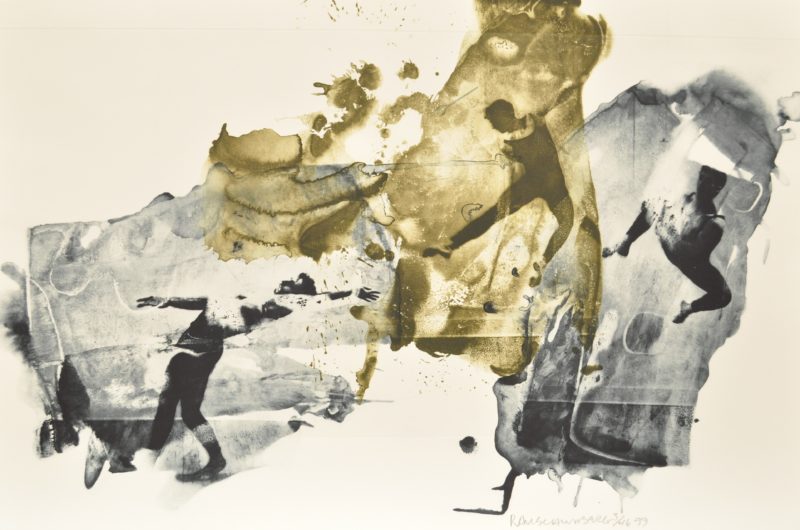
Robert Rauschenberg, Ace from the Ruminations series, 1999, intaglio in two colors with etching on Arches En Tout Cas paper, edition 3/46, 30 ½ × 45 ¾ inches. Black Mountain College Collection, gift of William Newton in honor of Ladene Newton on her 80th Birthday, 2020.27.05. © Robert Rauschenberg Foundation.
MARCH 3, 10, 17, 24 (make-up, if needed: March 31)—Thursdays, 6:30–8:30pm
In this four-class series, explore the power of memory and how to utilize photography and printmaking to create calls to the significant ties in our lives. Inspired by Robert Rauschenberg’s Ruminations series (on view now in the Ruminations on Memory exhibition), guest artist Liz Williams will demonstrate a variety of ways to use collage, printmaking, and alternative photography techniques. Techniques will include monoprints with gelli plates and image transfers with gel medium, blender pens, transfer paper, and wax paper. Class time includes exhibition visits, presentations, discussions, group shares, and critiques; individual preparation between classes includes taking and printing photographs in response to prompts. Although class projects will be analog, Liz will demonstrate how to create digital collages.
Instructor Liz Williams has worked as a visual artist for ten years, exploring the line between the real and fantastic elements of life in the South in a variety of mediums including photography and illustration. Her work ranges from t-shirt designs calling for the dismantling of anti-LGBTQ legislation for Equality NC to portraits of nationally acclaimed musicians to animations of family cats. In 2019, she joined Campaign for Southern Equality as the Artist in Residence and moved on to become the Program Manager for CSE’s Southern Equality Studios (SES), a project that explores how the arts can be a catalyst and force in achieving lived and legal LGBTQ equality across the South. Liz has also served as Revolve Gallery’s First Draft Artist in Residence and created the series “2020 Visions,” which created narratives for Southern queer artists who created work during Covid quarantine. Through her work with SES, Liz has recently become the recipient of the Tzedek Impact Award and Center for Crafts’ Craft Futures Fund.
Please note:
- This Adult Studio class is held indoors in the Museum’s John & Robyn Horn Education Center.
- Space is limited to small groups of students.
- Students follow the Museum’s temporary COVID-19 safety precautions; click here for more information.
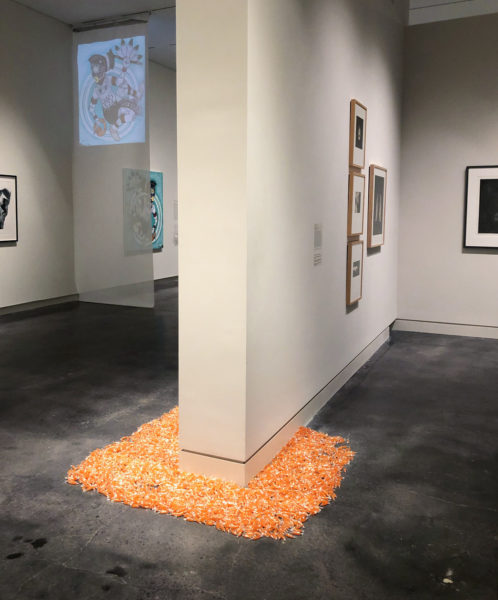
Félix González-Torres, “Untitled” (L.A.), 1991, green candies individually wrapped in cellophane, endless supply, overall dimensions vary with installation, original weight: 22.7 kg (50 lbs). Jointly owned by Art Bridges and Crystal Bridges Museum of American Art, AB.2018.20. © The Félix González-Torres Foundation.
How can an archive reflect artworks that are constantly changing? How can an archive incorporate diverse points of view? How can an archive foster complex thinking and questioning?
The specific, yet open-ended nature of Felix Gonzalez-Torres’s work necessitates a multifaceted approach to archival practices in order to record the unique decisions made around each manifestation and installation of the work, as well as to represent the evolution of the work over time. Felix Gonzalez-Torres’s work Untitled (L.A.), 1991, is a featured work in our special exhibition Ruminations on Memory. The specific choices made by the Museum around the manifestation and installation of Untitled (L.A.) will contribute to the history and trajectory of the work, and will be represented within the archive around the artists’ work.
Join Hilary Schroeder, assistant curator, and Brittni Zotos, director of archives at Andrea Rosen Gallery, in conversation as we explore ways in which archives are a form of memory keeping and how archival practices around Gonzalez-Torres’s work respond to the nature of experiencing the work itself.
Brittni Zotos is director of archives at Andrea Rosen Gallery in New York. Brittni received a BA in Art History from Wesleyan University and has 10 years of research and archives experience in the context of galleries, artist studios, and arts organizations.
THIS PROGRAM IS BEING OFFERED VIRTUALLY AND IN-PERSON. Space is limited; registration is required for virtual participants but not for in-person. To register for virtual attendance, use the ticket link above or call 828.253.3227 x124.
Generous funding for programming in conjunction with Félix González-Torres’ Untitled (L.A.) is provided by Art Bridges.
IN CONVERSATION
Hear from and interact with artists, experts, filmmakers, performing artists, poets, writers, and other special guests. To add your name to our In Conversations mailing list, click here or call 828.253.3227 x133.

General Admission Standing Show :: Some Balcony Seating
Enjoy an evening with The Floyd Philharmonic performing 2 sets of like -the-recording Floyd! First set is a mix of your favorite classics followed by Dark Side of the Moon in it’s entirety.
The Floyd Philharmonic is a 9-piece ensemble hailing from musical hotbed Asheville NC. The band combines faithful-to-the-recording performance and sound with beautiful visual effects and projections for each number.
General Admission Standing Show :: Some Balcony Seating
Call the venue for Dinner Reservation prior to the show at 828-575-2737 – come early and save a seat in the balcony while eating
Proof of Vaccination or Negative Covid Test w/i 48 Hours :: Masks are Required
-All ticket sales are final.
Various times
His masterworks have been displayed around the world for over a century… but never like this. Described as “an unforgettable multi-sensory experience,” Van Gogh Alive is a powerful and vibrant symphony of light, color, sound, and scent that compels you to leave the world behind and immerse yourself in Van Gogh’s paintings. Simultaneously enchanting, entertaining, and educational, Van Gogh Alive stimulates all the senses and opens the mind.
|
|
|
Our first exhibition of the year, Of Body & Mind, explores the connection between form and soul. Both functional and sculptural glass work is displayed. Artists are encouraged to expand the concept beyond static objects. The show exhibits work of glass artists living in Western North Carolina or who have a connection to the area. The exhibit is open during our regular gallery hours in D Space. Closed Tuesdays. Masks required. A reception will be announced at a later date. Featured artwork: ‘Be Here Now’ by Ben Greene-Colonnese.