

Calendar of Events
Upcoming events and things to do in Asheville, NC. Below is a list of events for festivals, concerts, art exhibitions, group meetups and more.
Interested in adding an event to our calendar? Please click the green “Post Your Event” button below.
|
|
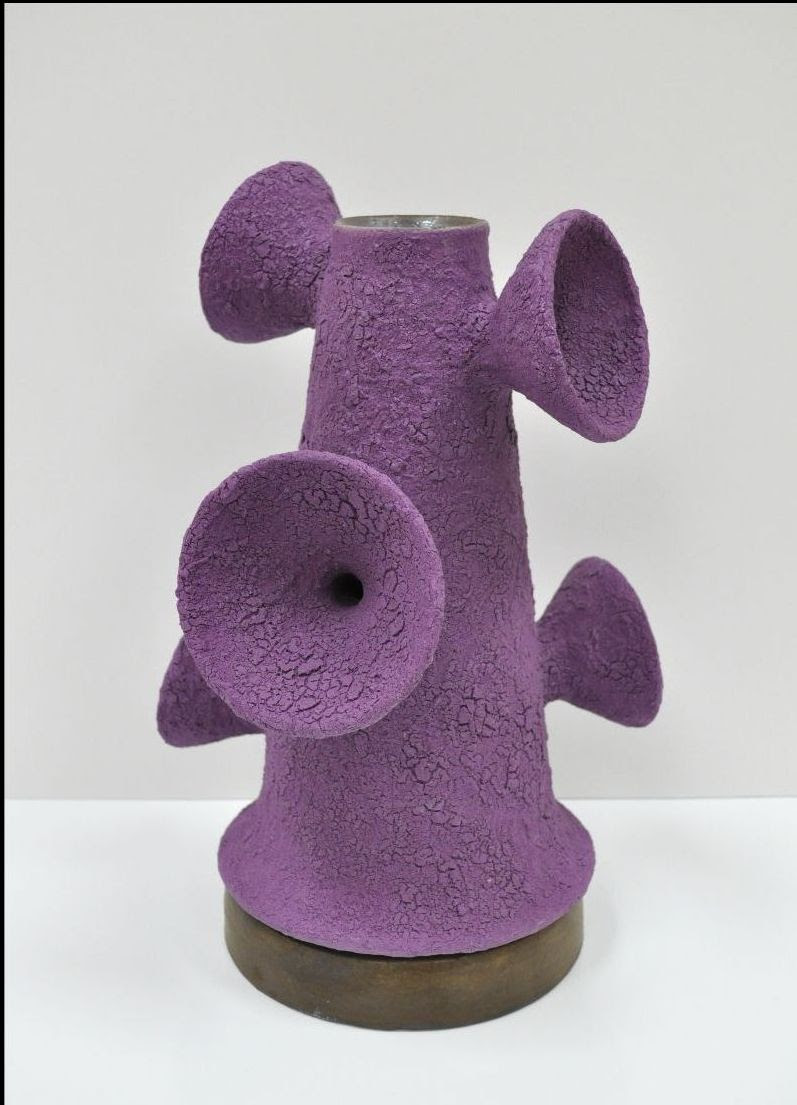
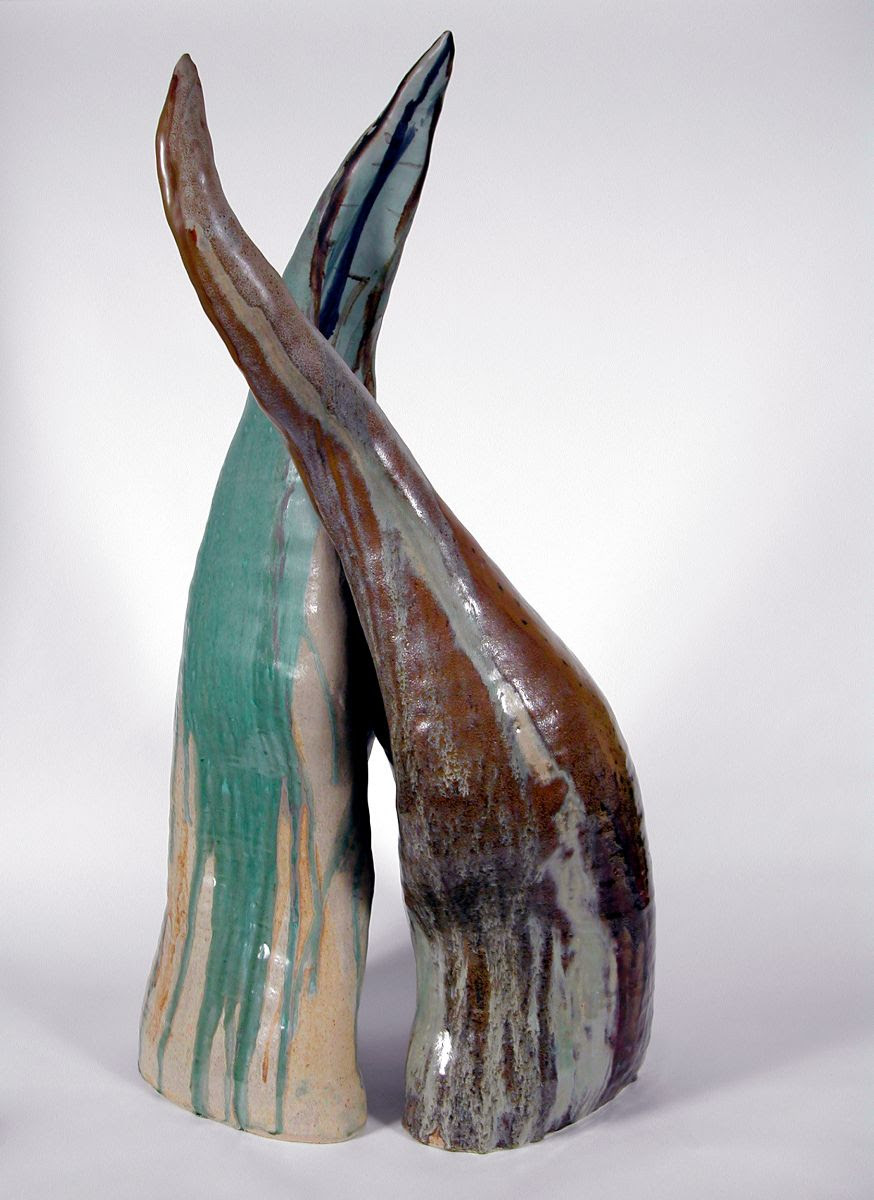
The Asheville Art Museum presents Fantastical Forms: Ceramics as Sculpture on view at the Museum November 4, 2020 through April 5, 2021. The 25 works in this exhibition—curated by associate curator Whitney Richardson—highlight the Museum’s Collection of sculptural ceramics from the last two decades of the 20th century to the present. Each work illustrates the artist’s ability to push beyond the utilitarian and transition ceramics into the world of sculpture.
North and South Carolina artists featured include Elma McBride Johnson, Neil Noland, Norm Schulman, Virginia Scotchie, Cynthia Bringle, Jane Palmer, Michael Sherrill, and Akira Satake. Works by American artists Don Reitz, Robert Chapman Turner, Karen Karnes, Toshiko Takaezu, Bill Griffith, and Xavier Toubes are also featured in the exhibition.
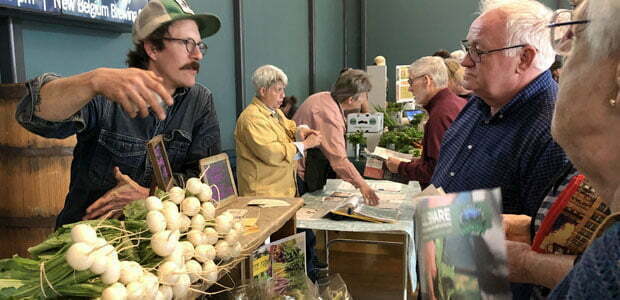
Joining a CSA (or Community Supported Agriculture) program connects you directly with local farms in your community. ASAP (Appalachian Sustainable Agriculture Project) offers several events and resources to learn more about CSAs, in which members buy a “share” of a farm’s harvest upfront and receive a weekly box of fresh produce or other farm goods. ASAP will host a virtual CSA Fair on March 10 from 4 to 6 p.m. on Zoom. In addition, Full Share, a free guide listing 60 CSA farms in the Appalachian Grown region, is available now at farmers markets and community centers throughout the region as well as digitally at asapconnections.org/find-local-food/csa.
The virtual CSA Fair will feature farms providing CSAs in Buncombe County and the surrounding region. In addition to traditional produce farms, the fair will include farms with meat and flower CSA programs. The virtual fair will have a similar format as live fairs in the past—a relaxed setting where attendees can talk to farmers about their CSA programs, products, growing practices, and more. Attendees can sign up for CSAs during the fair or follow up with farmers later. The fair is free to attend, but participants do need to register for the event to get a Zoom link.
For farmers, the CSA Fair is a chance to build relationships, even if attendees decide not to purchase a share. “[The customers we meet at the CSA Fair] tend to really want to know the farmer and the food, meaning they are a bit more adventurous when it comes to trying new things,” says K.P. Whaley of Tiny Bridge Farm. “They are interested in knowing how and what we are growing, and really want us to be successful as a farm operation. We may get some customers from the fair and that’s great. But we also start building relationships with future customers.”
Participating farms at press time include Bearwallow Valley Farms, Blazing Star Flowers, Colfax Creek Farm, Creekside Farm, Hickory Nut Gap Farm, Olivette Farm, and Tiny Bridge Farm, with more farms to be added before the fair. Check asapconnections.org/events/csa-fair for updates and to register
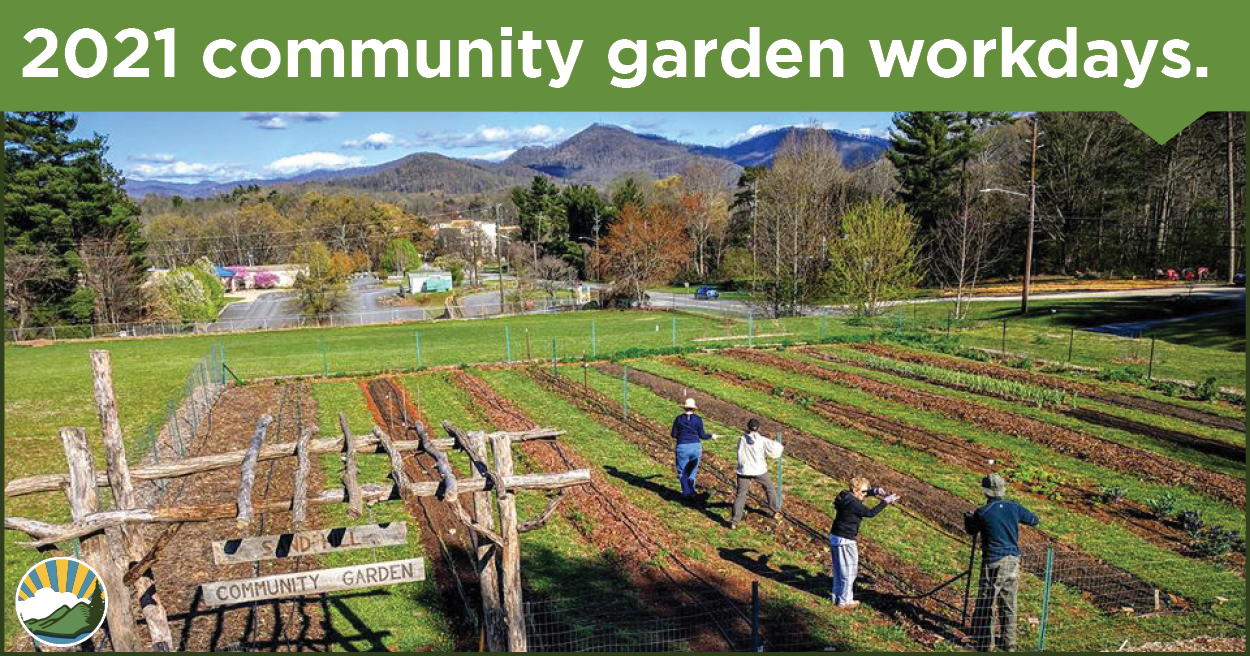
Looking to get involved, stay active, and meet some new friends? Sand Hill Community Garden workdays take place on Wednesdays (6-8 p.m.) and Saturdays (10 a.m.-noon) from Feb. 27-Oct. 30, 2021, at Buncombe County Sports Park. The garden is located on 16 Apac Dr. in West Asheville/Enka-Candler.
Join friends and neighbors as they come together on common ground to raise fresh, organic vegetables and fruits for the Enka community.
Expect to wear a mask and maintain social distance throughout. Tools and hand sanitizer are available, but any gloves, loppers, pruners, or gardening tools you can bring will decrease the amount of contact between volunteers. Please wear work clothes to get dirty and closed-toe shoes. Sunscreen, water, and a hat are also handy items to have on hand.
Sand Hill Community Garden has been growing fresh produce since 2011 and raised over 1,200 lbs. of organic produce last year.
NOTE: Community workdays are weather dependent. Please join the community garden email list (send your info to [email protected]) to stay up on workday tasks and other garden news.
To receive the I Heart Parks monthly newsletter, sign up online. Follow Buncombe County Recreation on Facebook and Instagram for the latest updates.

|
March 13-21, 2021 – Online
Kick-off Live Event
March 13, 2021
Track Workshops
March 14-19, 2021
View 3 pre-recorded hour long workshops in each of 11 Themed Tracks:
Live Panel Discussion SessionsMarch 20-21, 2021Join a live Panel Discussion with each speaker from the Track workshops. Interact directly with panelists during the live Q & A portion!
|
|
A Sowing Circle Presentation: Presenter: John Bowen, Extension Master GardenerSM Volunteer This three-part program is presented by John Bowen, Extension Master GardenerSM volunteer and long-time gardener. John shares tips and tricks for starting seeds indoors and tending the young plants until they are ready to transplant into your garden. He talks about containers, planting media, lights, temperature, and other parts of the process to grow those healthy, robust transplants we all need. He also discusses timing and helps us learn when to plant for the best outcome. To access this video on the Buncombe County Master Gardener website, click on the link below: Starting Seeds and Growing Transplants Indoors Or go to www.buncombemastergardener.org, click on the ‘Gardening Videos’ tab at the top of the page and select the video from the list provided. |
The Apprentice Link database connects people who are serious about learning the sustainable farming trade with farmers who are willing to teach them in an apprenticeship setting. Our programs’ emphasis is specifically in the Southern Appalachians, with a focus on farms that participate in local Collaborative Regional Alliance for Farmer Training (CRAFT) programs.
To be included in this listing, Organic Growers School has vetted each farm to determine of the following criteria has been met:
- Farms are actively engaged in the local community.
- Farms are using organic and/or sustainable production methods. Organic Certification and other certifications are not required, but we do ask that farms and farmers are “in-the-know” and conscientiously practicing organic standards.
- Farms are dedicated to training new farmers by providing education as a pinnacle element of their apprenticeship program.
Opening the Door to Change presents the history of education in Western North Carolina, with a particular emphasis on Madison County, from the mid-nineteenth century through the late twentieth. Here, learning has taken many forms, from in-home instruction, common, subscription, and religious schools, to colleges of farming and craft. The curriculum of these schools, as well as their very construction, and in some cases closing, was deeply entwined with the changing needs and values of the Western North Carolina Appalachian community.
The exhibition focuses on the dynamic relationship between community values and education, with a special focus on how students and their families navigated the economic, geographic, and racial challenges to education. Trends and changes in curriculum, assessment, and classroom design will also be explored.
The virtual exhibition will feature didactic panels showcasing a survey of schools within Madison County and highlighting the effect community values had on the curriculum, function, and format of these institutions. Online visitors may also get a sneak-peak at an original film, produced by the Museum, presenting the oral histories of several Madison County residents sharing their personal recollections and memories of past school-days.
Additional films will spotlight the Historic Mars Hill Anderson Rosenwald School and Laurel School, with first-hand accounts from former students and teachers.
This virtual exhibition is sponsored by the Madison County Tourism and Development Authority.
Visit Our Gardens This Spring
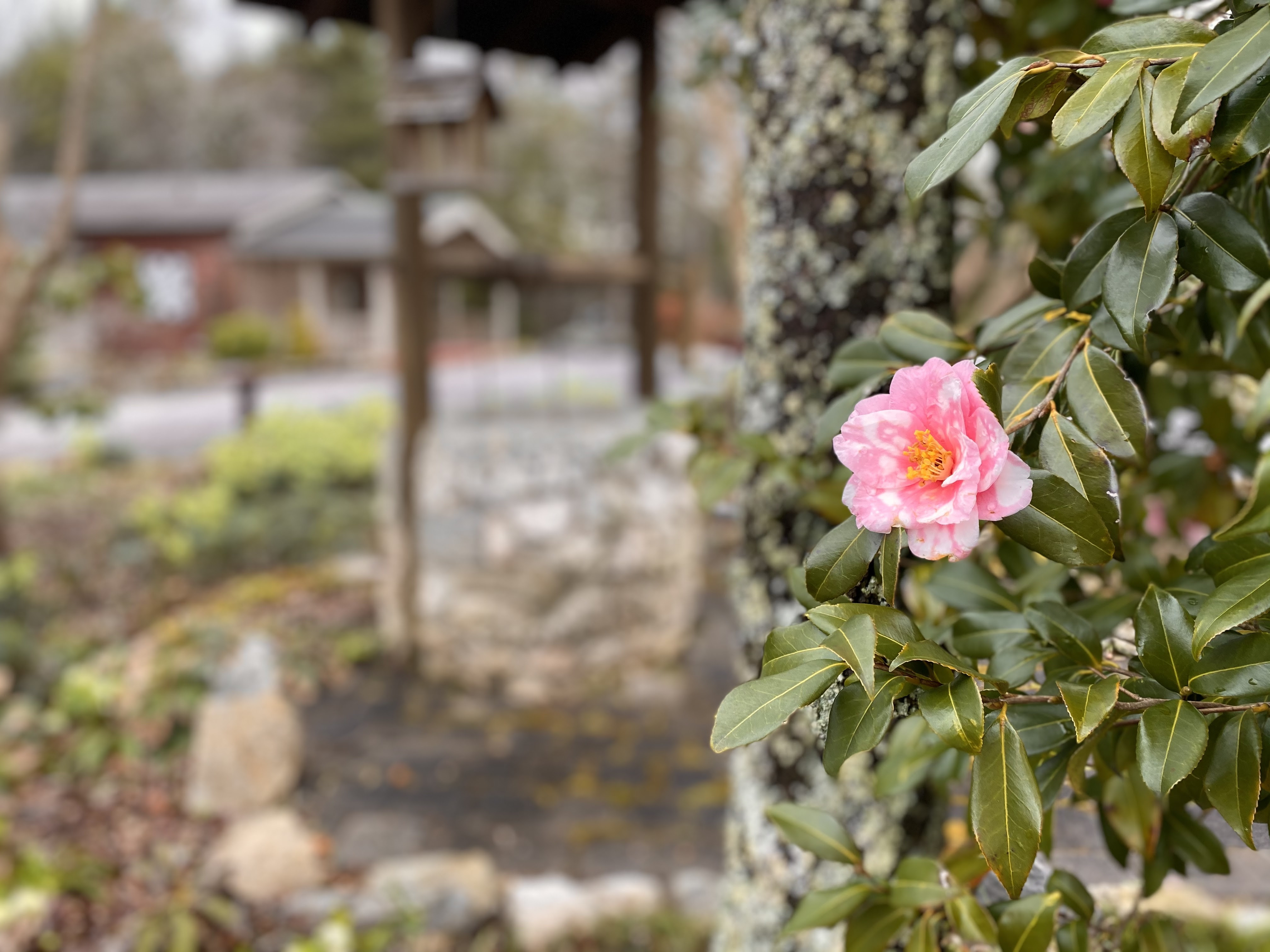
The Playhouse Gardens are open and just in time for spring! Whether you’re going for a stroll, staying for a picnic, or learning about the different flora using the QR codes in each flower bed, we hope you’ll join us at the Playhouse Gardens. Stay tuned for upcoming events and learn about all the hard work that our volunteers do by following them on Instagram.
2021 WNC Regional Scholastic Art Awards
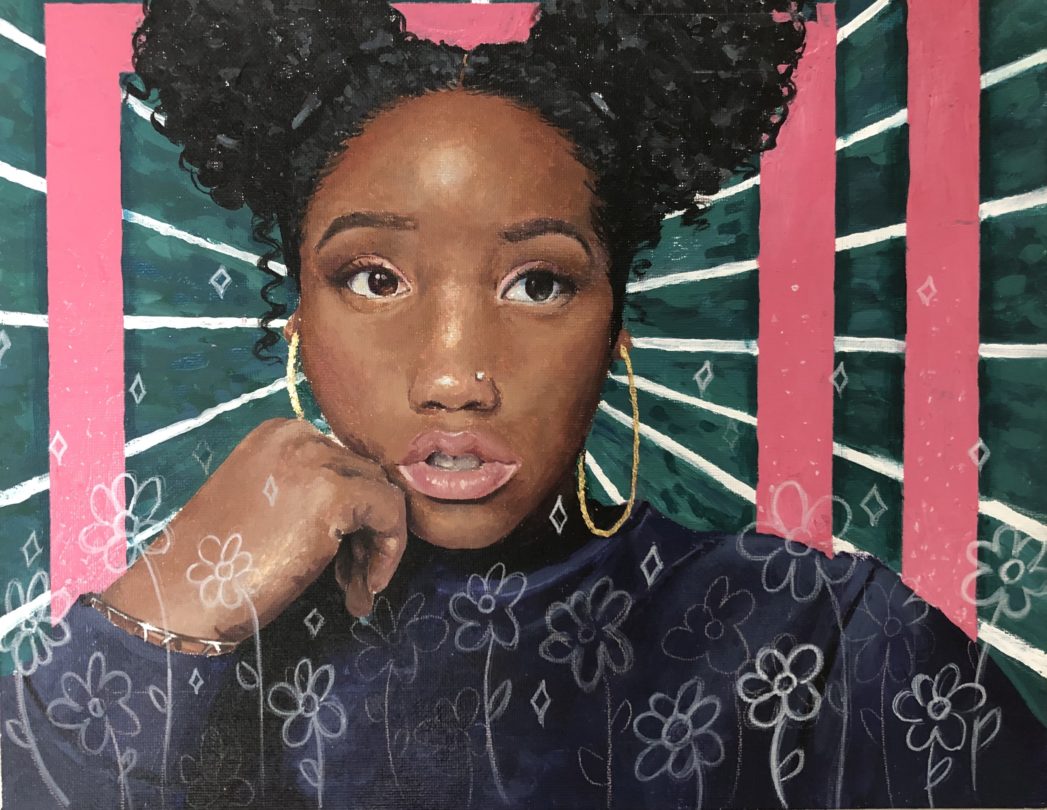
The Museum, with the assistance of its volunteer docents and support from the Asheville Area Section of the American Institute of Architects, is proud to sponsor the WNC Regional Scholastic Art Awards. Students in grades 7–12 from all across our region are invited to submit work for this special juried competition. The Museum works with the Alliance for Young Artists & Writers to facilitate regional judging of student artwork and recognition of our community’s burgeoning artistic talent.
In early spring each year, award winners are featured in an exhibition, and are honored at a ceremony. Regional Gold Key recipients’ work is sent to the National Scholastic Art competition hosted by the Alliance for Young Artists & Writers.
Across the Atlantic
Across the Atlantic
American Impressionism Through the French Lens
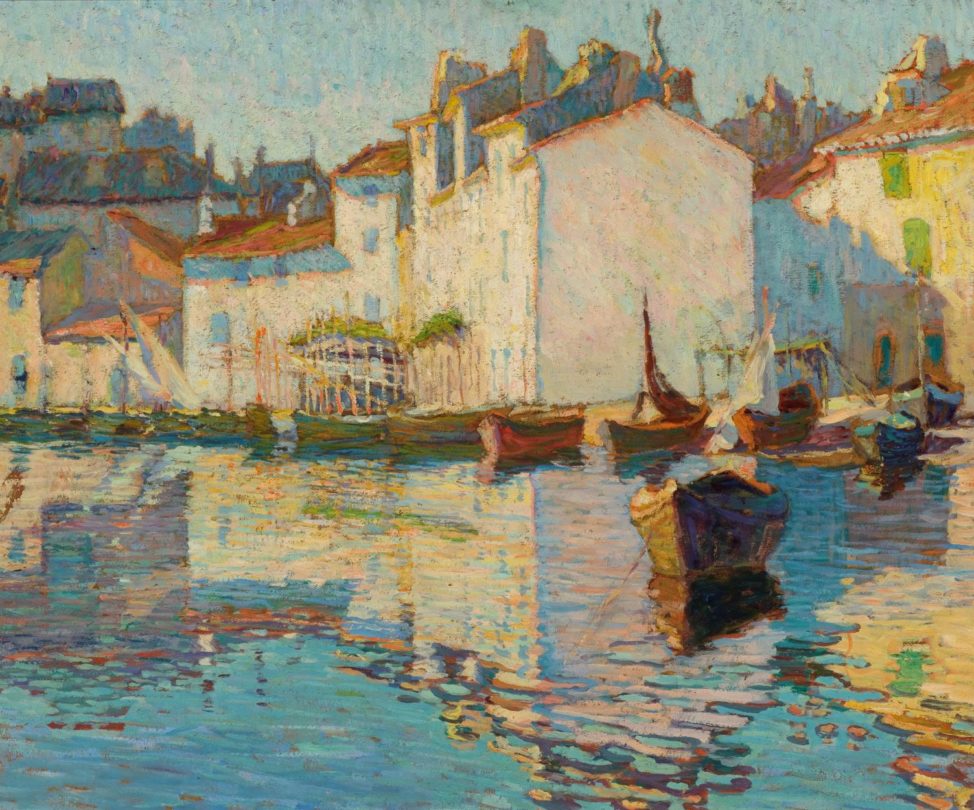
This extraordinary exhibition, drawn from the collection of the Reading Public Museum, explores the path to Impressionism through the 19th century in France. The show examines the sometimes complex relationship between French Impressionism of the 1870s and 1880s and the American interpretation of the style in the decades that followed. More than 65 paintings and works on paper help tell the story of the “new style” of painting which developed at the end of the 19th century—one that emphasized light and atmospheric conditions, rapid or loose brushstrokes, and a focus on brightly colored scenes from everyday life, including both urban and rural settings when artists preferred to paint outdoors and capture changing effects of light during different times of day and seasons of the year.
Across the Atlantic: American Impressionism through the French Lens is organized by the Reading Public Museum, Reading, Pennsylvania.
Generous support for this project provided by Art Bridges and The Maurer Family Foundation.

The Asheville Art Museum announces Meeting the Moon, an exhibition featuring prints, photographs, ceramics, sculptures, and more from the Museum’s Collection. This exhibition will be on view in the Asheville Art Museum’s McClinton Gallery February 3 through July 26, 2021.
2021 marks the 60th anniversary of the beginning of the Apollo space program at NASA, but its inception was hardly the beginning of humankind’s fascination with Earth’s only moon. Before space travel existed, the moon—its shape, its mystery, and the face we see in it—inspired countless artists. Once astronauts landed on the moon and we saw our world from a new perspective, a surge of creativity flooded the American art scene, in paintings, prints, sculpture, music, crafts, film, and poetry.
This exhibition, whose title is taken from a 1913 Robert Frost poem, examines artwork in the Asheville Art Museum’s Collection of artists who were inspired by the unknown, then increasingly familiar moon. Meeting the Moon includes works by nationally renowned artists Newcomb Pottery, James Rosenquist, Maltby Sykes, Paul Soldner, John Lewis, Richard Ritter (Bakersville, NC), and Mark Peiser (Penland, NC). Western North Carolina artists include Jane Peiser (Penland, NC), Jak Brewer (Zionville, NC), Dirck Cruser (Asheville, NC), George Peterson (Lake Toxaway, NC), John B. Neff (NC), and Maud Gatewood (Yanceyville, NC).
“Meeting the Moon offers the opportunity to combine science and popular culture with works of art in the Museum’s Collection,” says Whitney Richardson, associate curator. “I think all visitors will find something that draws them into this exhibition, whether it’s the artwork, poetry, music, or science of space travel. It’s such an affirmation of humanity to find these mysteries, like the moon, which enchant us all.”
This exhibition is organized by the Asheville Art Museum and curated by Whitney Richardson, associate curator. Visit ashevilleart.org for more information about this and other exhibitions.
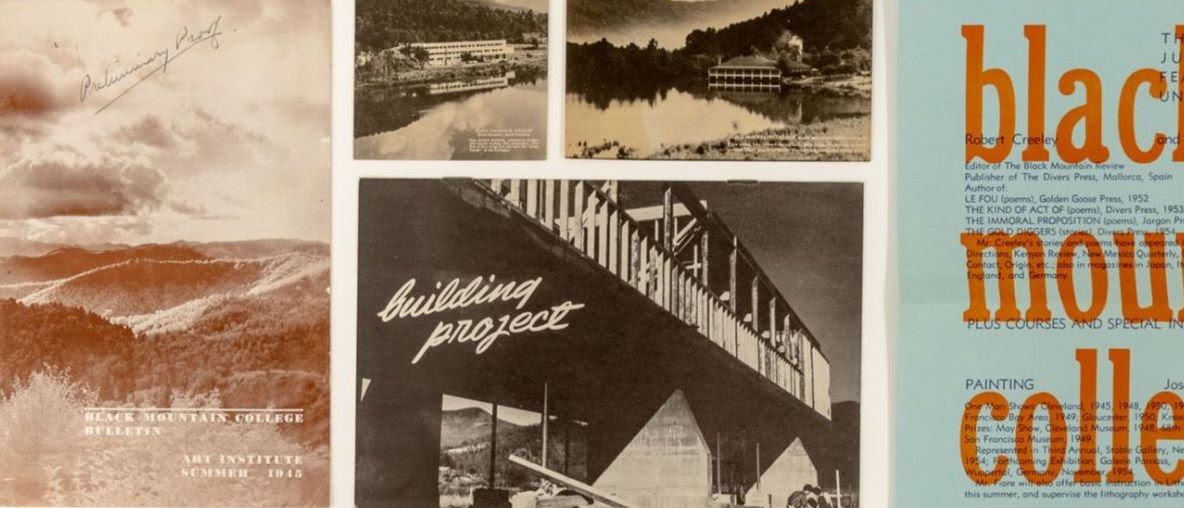
This exhibition features archival objects from the Theodore Dreier Sr. Document Collection presented alongside artworks from the Museum’s Black Mountain College Collection to explore the connections between artworks and ephemera. This exhibition is organized by the Asheville Art Museum and curated by lydia see, fall 2020 curatorial fellow, with support from a Digitizing Hidden Collections grant through the Council on Library and Information Resources.

Desire Paths looks at makers within the discourse of craft and those existing on the periphery of the craftscape who focus on the movement of the body towards something desirable. These desires of the body are in relationship to nature, technology, self, and society. Using architectural theory and queer curatorial strategies, Desire Paths examines the possibilities and futures of bodies, revealing connections between the corporeal and craft.
“Desire paths,” a term taken from urban planning, are lines trodden in the landscape when constructed walkways do not provide a direct or desired route. Through action, repetition, and intentionality, desire paths are crafted modifications to the landscape that allow for a body to move towards a horizon. The format of the works include traditional craft media, performance, video, and interactive web-based work. Through this variety of media and performative tactics the makers in Desire Paths consider how we view, value, and ascribe meaning to a body/the body/the others body. They show us the power and agency held in body and present us with crafted visions of the body that confront and expand expectations
The works in this exhibition reclaim the concept of craft from its historical associations with the decorative, frivolous, feminine, indigenous, and the other. The makers use the medium of craft, and the action of crafting, to produce powerful representations and counter narratives to dominant culture.
Two Ways to View
Virtual Tour
Online visitors can register to attend a virtual tour of this exhibition. This is a free event. A $5-10 donation at time of registration is recommended.
In-Person
The Center is offering free, unguided visits and affordable tours of its exhibitions to the public. Guests can reserve a 30-minute visit to explore the current exhibitions, learn more about the Center’s national impact in their Craft Research Fund Study Collection, and enjoy interactive activities. The Center is open to the public Tuesday-Friday, 11 am -5 pm. Hours of operation may be subject to change.
Center for Craft is monitoring the effects of COVID-19 on the community and following the instruction of federal, state, and local health departments. Our top priority is always the health and safety of our staff, coworkers, and visitors. At this time, the Center can only allow a maximum of five guests in its public space at once and will require the use of masks or face coverings by all visitors, including children. The Center reserves the right to refuse entry to any visitor that will not comply.
|
|
The Asheville Art Museum presents Fantastical Forms: Ceramics as Sculpture on view at the Museum November 4, 2020 through April 5, 2021. The 25 works in this exhibition—curated by associate curator Whitney Richardson—highlight the Museum’s Collection of sculptural ceramics from the last two decades of the 20th century to the present. Each work illustrates the artist’s ability to push beyond the utilitarian and transition ceramics into the world of sculpture.
North and South Carolina artists featured include Elma McBride Johnson, Neil Noland, Norm Schulman, Virginia Scotchie, Cynthia Bringle, Jane Palmer, Michael Sherrill, and Akira Satake. Works by American artists Don Reitz, Robert Chapman Turner, Karen Karnes, Toshiko Takaezu, Bill Griffith, and Xavier Toubes are also featured in the exhibition.

Webinar to help you expand your customer base and tap into regional demand for local food.
Whether you are the next generation on the farm obtaining your GAP Certification or an established producer with GAP Certification looking to expand your customer base, this webinar will offer an overview of direct market opportunities and moving toward selling wholesale. Strategies for tapping into regional demand for local food will be discussed.

What is the relationship between public health and collective memory? How can the critical and creative practices of craft and public art be imagined to better serve and support the wellbeing of BIPOC communities? Artists engaged in craft and public art both probe these connections and questions, exploring models for how to collectively shape and confront legacies of racist, sexist, homophobic, and colonial systems of knowledge and the implications of these systems on public health and wellbeing.

On second Thursdays, local musicians enliven our spaces with music to complement your visit. As you stroll the galleries, a variety of tunes adds new dimensions to your viewing experience. This evening violinist Alex Travers plays 19th- and 20th-century music inspired by the Across the Atlantic: American Impressionism Through the French Lens exhibition. Generous funding for exhibition programming provided by Art Bridges. More info at ashevilleart.org/events.
On second Thursdays, local musicians enliven our spaces with music to complement your visit. As you stroll the galleries, a variety of tunes adds new dimensions to your viewing experience.

|
March 13-21, 2021 – Online
Kick-off Live Event
March 13, 2021
Track Workshops
March 14-19, 2021
View 3 pre-recorded hour long workshops in each of 11 Themed Tracks:
Live Panel Discussion SessionsMarch 20-21, 2021Join a live Panel Discussion with each speaker from the Track workshops. Interact directly with panelists during the live Q & A portion!
|
|
A Sowing Circle Presentation: Presenter: John Bowen, Extension Master GardenerSM Volunteer This three-part program is presented by John Bowen, Extension Master GardenerSM volunteer and long-time gardener. John shares tips and tricks for starting seeds indoors and tending the young plants until they are ready to transplant into your garden. He talks about containers, planting media, lights, temperature, and other parts of the process to grow those healthy, robust transplants we all need. He also discusses timing and helps us learn when to plant for the best outcome. To access this video on the Buncombe County Master Gardener website, click on the link below: Starting Seeds and Growing Transplants Indoors Or go to www.buncombemastergardener.org, click on the ‘Gardening Videos’ tab at the top of the page and select the video from the list provided. |
Mirror/Mentor brings together work by Warren Wilson College Art professor Lara Nguyen and three of her former students, Steven Horton Jr. (class of 2017), Sather Robinson-Waters (class of 2018), and Jess Self (class of 2014).
The diversity of media, styles, and themes in the art on view reflects Lara’s philosophy of teaching and mentoring. For Lara, the idea of being a mentor who is a mirror does not mean producing students whose work mimics her own. Instead she follows the advice of her mother, who told her to set an example for her four younger siblings–mirror for them how to live fully in this world. As she worked, and sometimes struggled, to integrate the different layers of her own very full life, Lara discovered her students were as curious about this art of living as they were about learning artistic techniques and handling different media.
The terms of Lara’s life changed when she was diagnosed with uterine leiomyosarcoma cancer (uLMS) in 2018. Her works in this exhibition hold up a mirror to teach us her new reality: stage 4 cancer, incurable and terminal. The photo series Un-Broken pictures the scars from her own surgeries and the healed wounds of family and friends embellished in gold as a means of adornment and repair in the vein of the Japanese art of kintsugi. In Brushes with Death, the artist creates new tools from her own hair lost due to chemotherapy. The mixed media sculpture Forbidden Grapefruit is a new iteration of a poem written about her mother’s journey, which became a series of performances and installations.
The body as vessel, trauma, a daily artistic practice, making as a means of social justice, and repurposing and repairing with the hopes of reemergence are among the overlapping themes that connect the works of these four artists–teacher and students
The Apprentice Link database connects people who are serious about learning the sustainable farming trade with farmers who are willing to teach them in an apprenticeship setting. Our programs’ emphasis is specifically in the Southern Appalachians, with a focus on farms that participate in local Collaborative Regional Alliance for Farmer Training (CRAFT) programs.
To be included in this listing, Organic Growers School has vetted each farm to determine of the following criteria has been met:
- Farms are actively engaged in the local community.
- Farms are using organic and/or sustainable production methods. Organic Certification and other certifications are not required, but we do ask that farms and farmers are “in-the-know” and conscientiously practicing organic standards.
- Farms are dedicated to training new farmers by providing education as a pinnacle element of their apprenticeship program.
Opening the Door to Change presents the history of education in Western North Carolina, with a particular emphasis on Madison County, from the mid-nineteenth century through the late twentieth. Here, learning has taken many forms, from in-home instruction, common, subscription, and religious schools, to colleges of farming and craft. The curriculum of these schools, as well as their very construction, and in some cases closing, was deeply entwined with the changing needs and values of the Western North Carolina Appalachian community.
The exhibition focuses on the dynamic relationship between community values and education, with a special focus on how students and their families navigated the economic, geographic, and racial challenges to education. Trends and changes in curriculum, assessment, and classroom design will also be explored.
The virtual exhibition will feature didactic panels showcasing a survey of schools within Madison County and highlighting the effect community values had on the curriculum, function, and format of these institutions. Online visitors may also get a sneak-peak at an original film, produced by the Museum, presenting the oral histories of several Madison County residents sharing their personal recollections and memories of past school-days.
Additional films will spotlight the Historic Mars Hill Anderson Rosenwald School and Laurel School, with first-hand accounts from former students and teachers.
This virtual exhibition is sponsored by the Madison County Tourism and Development Authority.
Visit Our Gardens This Spring
The Playhouse Gardens are open and just in time for spring! Whether you’re going for a stroll, staying for a picnic, or learning about the different flora using the QR codes in each flower bed, we hope you’ll join us at the Playhouse Gardens. Stay tuned for upcoming events and learn about all the hard work that our volunteers do by following them on Instagram.
|

2021 WNC Regional Scholastic Art Awards
The Museum, with the assistance of its volunteer docents and support from the Asheville Area Section of the American Institute of Architects, is proud to sponsor the WNC Regional Scholastic Art Awards. Students in grades 7–12 from all across our region are invited to submit work for this special juried competition. The Museum works with the Alliance for Young Artists & Writers to facilitate regional judging of student artwork and recognition of our community’s burgeoning artistic talent.
In early spring each year, award winners are featured in an exhibition, and are honored at a ceremony. Regional Gold Key recipients’ work is sent to the National Scholastic Art competition hosted by the Alliance for Young Artists & Writers.
Across the Atlantic
Across the Atlantic
American Impressionism Through the French Lens
This extraordinary exhibition, drawn from the collection of the Reading Public Museum, explores the path to Impressionism through the 19th century in France. The show examines the sometimes complex relationship between French Impressionism of the 1870s and 1880s and the American interpretation of the style in the decades that followed. More than 65 paintings and works on paper help tell the story of the “new style” of painting which developed at the end of the 19th century—one that emphasized light and atmospheric conditions, rapid or loose brushstrokes, and a focus on brightly colored scenes from everyday life, including both urban and rural settings when artists preferred to paint outdoors and capture changing effects of light during different times of day and seasons of the year.
Across the Atlantic: American Impressionism through the French Lens is organized by the Reading Public Museum, Reading, Pennsylvania.
Generous support for this project provided by Art Bridges and The Maurer Family Foundation.
The Asheville Art Museum announces Meeting the Moon, an exhibition featuring prints, photographs, ceramics, sculptures, and more from the Museum’s Collection. This exhibition will be on view in the Asheville Art Museum’s McClinton Gallery February 3 through July 26, 2021.
2021 marks the 60th anniversary of the beginning of the Apollo space program at NASA, but its inception was hardly the beginning of humankind’s fascination with Earth’s only moon. Before space travel existed, the moon—its shape, its mystery, and the face we see in it—inspired countless artists. Once astronauts landed on the moon and we saw our world from a new perspective, a surge of creativity flooded the American art scene, in paintings, prints, sculpture, music, crafts, film, and poetry.
This exhibition, whose title is taken from a 1913 Robert Frost poem, examines artwork in the Asheville Art Museum’s Collection of artists who were inspired by the unknown, then increasingly familiar moon. Meeting the Moon includes works by nationally renowned artists Newcomb Pottery, James Rosenquist, Maltby Sykes, Paul Soldner, John Lewis, Richard Ritter (Bakersville, NC), and Mark Peiser (Penland, NC). Western North Carolina artists include Jane Peiser (Penland, NC), Jak Brewer (Zionville, NC), Dirck Cruser (Asheville, NC), George Peterson (Lake Toxaway, NC), John B. Neff (NC), and Maud Gatewood (Yanceyville, NC).
“Meeting the Moon offers the opportunity to combine science and popular culture with works of art in the Museum’s Collection,” says Whitney Richardson, associate curator. “I think all visitors will find something that draws them into this exhibition, whether it’s the artwork, poetry, music, or science of space travel. It’s such an affirmation of humanity to find these mysteries, like the moon, which enchant us all.”
This exhibition is organized by the Asheville Art Museum and curated by Whitney Richardson, associate curator. Visit ashevilleart.org for more information about this and other exhibitions.
This exhibition features archival objects from the Theodore Dreier Sr. Document Collection presented alongside artworks from the Museum’s Black Mountain College Collection to explore the connections between artworks and ephemera. This exhibition is organized by the Asheville Art Museum and curated by lydia see, fall 2020 curatorial fellow, with support from a Digitizing Hidden Collections grant through the Council on Library and Information Resources.
Desire Paths looks at makers within the discourse of craft and those existing on the periphery of the craftscape who focus on the movement of the body towards something desirable. These desires of the body are in relationship to nature, technology, self, and society. Using architectural theory and queer curatorial strategies, Desire Paths examines the possibilities and futures of bodies, revealing connections between the corporeal and craft.
“Desire paths,” a term taken from urban planning, are lines trodden in the landscape when constructed walkways do not provide a direct or desired route. Through action, repetition, and intentionality, desire paths are crafted modifications to the landscape that allow for a body to move towards a horizon. The format of the works include traditional craft media, performance, video, and interactive web-based work. Through this variety of media and performative tactics the makers in Desire Paths consider how we view, value, and ascribe meaning to a body/the body/the others body. They show us the power and agency held in body and present us with crafted visions of the body that confront and expand expectations
The works in this exhibition reclaim the concept of craft from its historical associations with the decorative, frivolous, feminine, indigenous, and the other. The makers use the medium of craft, and the action of crafting, to produce powerful representations and counter narratives to dominant culture.
Two Ways to View
Virtual Tour
Online visitors can register to attend a virtual tour of this exhibition. This is a free event. A $5-10 donation at time of registration is recommended.
In-Person
The Center is offering free, unguided visits and affordable tours of its exhibitions to the public. Guests can reserve a 30-minute visit to explore the current exhibitions, learn more about the Center’s national impact in their Craft Research Fund Study Collection, and enjoy interactive activities. The Center is open to the public Tuesday-Friday, 11 am -5 pm. Hours of operation may be subject to change.
Center for Craft is monitoring the effects of COVID-19 on the community and following the instruction of federal, state, and local health departments. Our top priority is always the health and safety of our staff, coworkers, and visitors. At this time, the Center can only allow a maximum of five guests in its public space at once and will require the use of masks or face coverings by all visitors, including children. The Center reserves the right to refuse entry to any visitor that will not comply.