

Calendar of Events
Upcoming events and things to do in Asheville, NC. Below is a list of events for festivals, concerts, art exhibitions, group meetups and more.
Interested in adding an event to our calendar? Please click the green “Post Your Event” button below.
Emerging and established artists in NC can apply for $500-2,000 in aid
The North Carolina Arts Council understands the important role artists contribute to the vitality, unity and resiliency of our communities. NCAC has established the North Carolina Arts Council Artist Support Grant (ASG) as a regional grant program to support individual artists during and following the COVID-19 pandemic. The program funds professional and artistic development for emerging or established artists to create work, improve their business operations, or bring their work to new audiences.
Funds are granted through 18 regional partners across the state, to ensure a more equitable disbursement of funds to artists in rural and urban areas across the state. Buncombe County is part of Region 17, which includes Buncombe, Haywood, Henderson, Polk, Rutherford, and Transylvania counties.
Last year, Region 17 received 126 applications and awarded 32 awards totaling $30,088– supporting artists from a variety of different mediums.
This year, applicants have the opportunity to apply for up to $2,000– double what was offered last year. Applicants will also apply directly through the NCAC website to help simplify the application process. Instructions and a virtual application workshop video are available on the AAAC website.
The deadline to apply is September 30.
|
|
||||||||||||||||||||||||||
.jpg)
September is National Preparedness Month and this year’s theme is Prepare to Protect. In 2020, North Carolina experienced 247 flood events and 609 severe thunderstorms with damaging wind and hail. Weather events, the global pandemic, and even a 5.1 earthquake, are stark reminders that disasters can happen quickly. “Emergencies and disasters can happen at any time and we want individuals, families and our entire community to be Buncombe Ready,” says Buncombe County Public Health Preparedness Director, Fletcher Tove. “The recent flash flooding events serve as a reminder that families and individuals need to have a plan in place for unexpected disasters.”
Each week in September, the national campaign will be highlighting different aspects of preparedness planning to encourage residents and communities to consider their options in the event of an emergency.
COVID-19 Vaccination
The most important thing you can do to protect yourself and your family is to get the COVID-19 vaccine if you have not already been vaccinated. COVID-19 vaccines are safe, effective, and are our best chance to defeat the virus. The COVID-19 vaccine may not keep you from getting the virus, but it is highly effective at reducing severe illness, hospitalizations, and death in vaccinated individuals. Additionally, as more people get vaccinated, the virus loses the opportunity to evolve into new variants. Getting the vaccine is vital to the safety of our community and ensures that you and your family are taking the most important step in being prepared for this real, disaster-level virus.
Click here, to find a vaccine provider near you.
Week 1 September 1-4: Make A Plan
Active communication with your loved ones is crucial before, during, and after a disaster or emergency. Discuss a shelter plan, an evacuation route, a family communication plan and review the items in your emergency preparedness kit when composing a plan with your household. You should also establish a family meeting place that is familiar and easily accessible in case you are not together when disaster strikes.
Click here, for a guide to developing a household preparedness plan.
Week 2 September 5-11: Build A Kit
There is a chance that you and your family may have to stay put in a designated area for several hours or days in the event of an emergency or disaster. It is important to have a kit ready with food, water and other supplies that can last your entire household at least three to seven days. You need to compile all supplies in an easy to carry container before an emergency so that it is ready at a moment’s notice. Consider unique needs of family members and pets when putting together your kit and make sure that all of the members of your household are aware of its location.
Due to the coronavirus pandemic, make sure to include extra protective face masks, soap, hand sanitizer and disinfectant wipes in your kit.
Click here, for a comprehensive list of supplies to include in your emergency kit.
Week 3 September 12-18: Low-Cost, No-Cost Preparedness
Learn more about the risk of disasters in your area in order to limit their impacts on you and your family. Residents of Buncombe County can sign up to receive time-sensitive emergency alerts with the Buncombe Alerts emergency notification system. You can choose one or more options for receiving notifications, including landline, cellphone, text message, email, TTY, and the CodeRED mobile app.
Click here, to sign up for Buncombe Alerts.
Week 4 September 19-25: Teach Youth About Preparedness
Household members of all ages can and should get involved in making a preparedness plan and putting together an emergency kit. Getting kids involved in planning can ensure that they know what to do in the event of an emergency or disaster, especially if you are separated at first.
Click here, to find out more about how to involve youth in different aspects of preparedness planning.
The bottom line is that simple steps such as making a family disaster plan, creating an emergency supply kit, and signing up for your county’s emergency notification system are smart, cheap, and easy to do. Additionally, www.ReadyNC.org is a great resource for disaster preparedness in North Carolina. The site features resources and videos in multiple languages including American Sign Language. Prepare to Protect by taking these simple steps today!
We are Asheville’s Community Blood Center.
We’re proud to call Western North Carolina home. Our dedicated staff work and live in the area, just like you. Whether you’re here for the breath-taking mountain views or the cooler weather, we’re glad you’re here to help us save the lives of your neighbors.
Our centers are the perfect places to give back and kick back. Open every day, yes weekends too, makes it easy to fit donating into your schedule.
You could probably use a little peace, and every Blood Connection center offers that. Clean, spacious, and comfortable, a center getaway may be exactly what you need…it’s exactly what 3 blood recipients need too.
Every donation has the power to save up to 3 lives. Every 2 seconds, someone in the U.S. is in need of a life-saving blood transfusion. You’re 1 person who can make a difference!
|
|
||||||||||||||||||||||||||
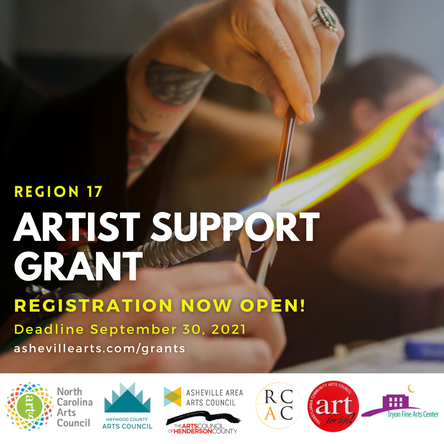
Emerging and established artists in NC can apply for $500-2,000 in aid
The North Carolina Arts Council understands the important role artists contribute to the vitality, unity and resiliency of our communities. NCAC has established the North Carolina Arts Council Artist Support Grant (ASG) as a regional grant program to support individual artists during and following the COVID-19 pandemic. The program funds professional and artistic development for emerging or established artists to create work, improve their business operations, or bring their work to new audiences.
Funds are granted through 18 regional partners across the state, to ensure a more equitable disbursement of funds to artists in rural and urban areas across the state. Buncombe County is part of Region 17, which includes Buncombe, Haywood, Henderson, Polk, Rutherford, and Transylvania counties.
Last year, Region 17 received 126 applications and awarded 32 awards totaling $30,088– supporting artists from a variety of different mediums.
This year, applicants have the opportunity to apply for up to $2,000– double what was offered last year. Applicants will also apply directly through the NCAC website to help simplify the application process. Instructions and a virtual application workshop video are available on the AAAC website.
The deadline to apply is September 30.
|
|
||||||||||||||||||||||||||
September is National Preparedness Month and this year’s theme is Prepare to Protect. In 2020, North Carolina experienced 247 flood events and 609 severe thunderstorms with damaging wind and hail. Weather events, the global pandemic, and even a 5.1 earthquake, are stark reminders that disasters can happen quickly. “Emergencies and disasters can happen at any time and we want individuals, families and our entire community to be Buncombe Ready,” says Buncombe County Public Health Preparedness Director, Fletcher Tove. “The recent flash flooding events serve as a reminder that families and individuals need to have a plan in place for unexpected disasters.”
Each week in September, the national campaign will be highlighting different aspects of preparedness planning to encourage residents and communities to consider their options in the event of an emergency.
COVID-19 Vaccination
The most important thing you can do to protect yourself and your family is to get the COVID-19 vaccine if you have not already been vaccinated. COVID-19 vaccines are safe, effective, and are our best chance to defeat the virus. The COVID-19 vaccine may not keep you from getting the virus, but it is highly effective at reducing severe illness, hospitalizations, and death in vaccinated individuals. Additionally, as more people get vaccinated, the virus loses the opportunity to evolve into new variants. Getting the vaccine is vital to the safety of our community and ensures that you and your family are taking the most important step in being prepared for this real, disaster-level virus.
Click here, to find a vaccine provider near you.
Week 1 September 1-4: Make A Plan
Active communication with your loved ones is crucial before, during, and after a disaster or emergency. Discuss a shelter plan, an evacuation route, a family communication plan and review the items in your emergency preparedness kit when composing a plan with your household. You should also establish a family meeting place that is familiar and easily accessible in case you are not together when disaster strikes.
Click here, for a guide to developing a household preparedness plan.
Week 2 September 5-11: Build A Kit
There is a chance that you and your family may have to stay put in a designated area for several hours or days in the event of an emergency or disaster. It is important to have a kit ready with food, water and other supplies that can last your entire household at least three to seven days. You need to compile all supplies in an easy to carry container before an emergency so that it is ready at a moment’s notice. Consider unique needs of family members and pets when putting together your kit and make sure that all of the members of your household are aware of its location.
Due to the coronavirus pandemic, make sure to include extra protective face masks, soap, hand sanitizer and disinfectant wipes in your kit.
Click here, for a comprehensive list of supplies to include in your emergency kit.
Week 3 September 12-18: Low-Cost, No-Cost Preparedness
Learn more about the risk of disasters in your area in order to limit their impacts on you and your family. Residents of Buncombe County can sign up to receive time-sensitive emergency alerts with the Buncombe Alerts emergency notification system. You can choose one or more options for receiving notifications, including landline, cellphone, text message, email, TTY, and the CodeRED mobile app.
Click here, to sign up for Buncombe Alerts.
Week 4 September 19-25: Teach Youth About Preparedness
Household members of all ages can and should get involved in making a preparedness plan and putting together an emergency kit. Getting kids involved in planning can ensure that they know what to do in the event of an emergency or disaster, especially if you are separated at first.
Click here, to find out more about how to involve youth in different aspects of preparedness planning.
The bottom line is that simple steps such as making a family disaster plan, creating an emergency supply kit, and signing up for your county’s emergency notification system are smart, cheap, and easy to do. Additionally, www.ReadyNC.org is a great resource for disaster preparedness in North Carolina. The site features resources and videos in multiple languages including American Sign Language. Prepare to Protect by taking these simple steps today!
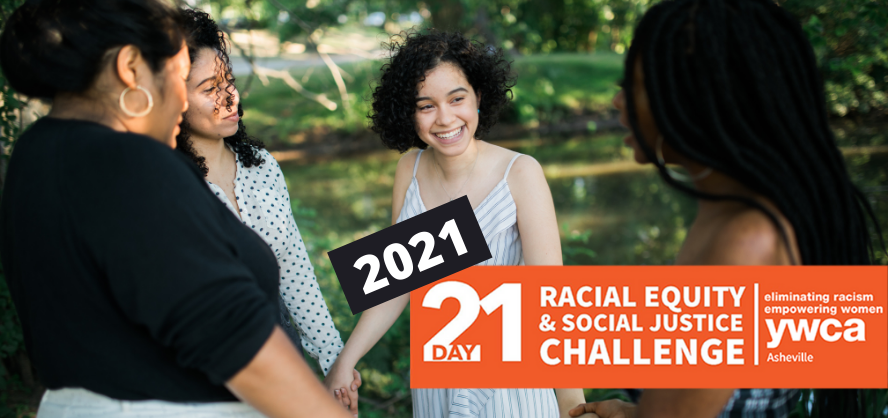
What is the 21 Day Racial Equity & Social Justice Challenge?
Many people are becoming newly aware of how systemic racism and violence are impacting people of color. Even if you are new to the conversation, that is OK. Our 21 Day Challenge is designed to create dedicated time and space to build more effective social justice habits, particularly those dealing with issues of race, power, privilege, and leadership. Participants who sign up for the Challenge will receive daily tasks via email to help foster their understanding and awareness, with activities such as reading an article, listening to a podcast, or reflecting on personal experience. If you’ve already completed this version of the challenge (released in March of this year) with us in the past please know that our challenge is designed to be taken multiple times by selecting different daily challenges in order to expand what you have previously learned.
Our next challenge starts on Monday, September 6th, and continues (Monday –Friday) through October 1st.
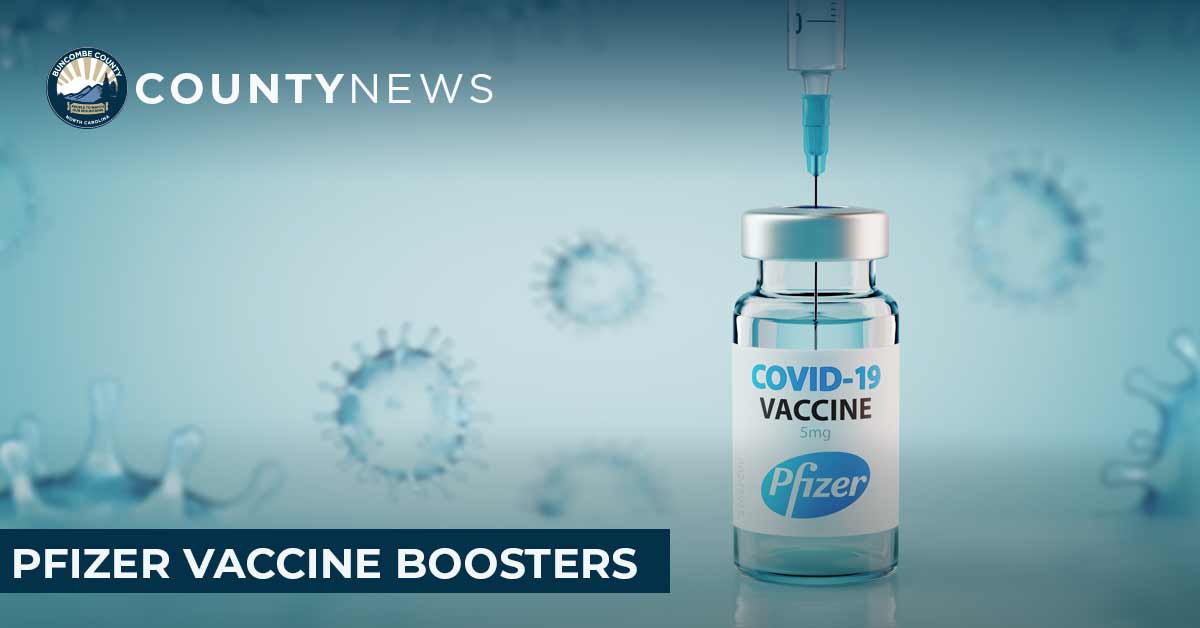
The CDC’s independent Advisory Committee on Immunization Practices (ACIP) recommended certain populations receive a booster shot of Pfizer-BioNTech’s COVID-19 Vaccine at least six months after the completion of their 2-dose Pfizer vaccine series. In addition, the CDC Director recommended a booster dose for those in high-risk occupational and institutional settings.
The CDC recommends:
- People 65 years and older and residents in long-term care settings should receive a booster shot of Pfizer-BioNTech’s COVID-19 vaccine at least 6 months after their 2nd dose of Pfizer-BioNTech vaccine;
- People aged 50 to 64 with certain underlying medical conditions should receive a booster shot of Pfizer-BioNTech’s COVID-19 vaccine at least 6 months after their 2nd dose of Pfizer-BioNTech vaccine;
- People 18 to 49 who are at high risk for severe COVID-19 due to certain underlying medical conditions may receive a booster shot of Pfizer-BioNTech’s COVID-19 vaccine at least 6 months after their 2nd dose of Pfizer-BioNTech vaccine, based on their individual benefits and risks; and
- People aged 18-64 years who are at increased risk for COVID-19 exposure and transmission because of occupational or institutional setting may receive a booster shot of Pfizer-BioNTech’s COVID-19 vaccine at least 6 months after their 2nd dose of Pfizer-BioNTech vaccine, based on their individual benefits and risks.
- According to the CDC, many of the people who are now eligible to receive a Pfizer booster shot will benefit from additional protection. While the more contagious Delta variant remains the predominant strain and in this time of high transmission, a booster shot will help strengthen protection against severe disease in those populations who are at high risk for exposure to COVID-19 or the complications from severe disease.
Individuals who received the 2-dose Pfizer vaccine series and meet the criteria above for the recommended booster of Pfizer may receive their booster at any area Pfizer vaccine provider. Many local pharmacies, grocery stores, medical providers, and local health departments in the area can provide your booster. You can visit www.yourspotyourshot.nc.gov to find a Pfizer booster provider near you.
Buncombe County HHS will begin providing Pfizer boosters to individuals included in the CDC recommendations beginning September 27 at 10 a.m. at Biltmore Church-Arden Campus. The booster drive-through site will be open Monday – Friday from 10 am – 6 pm. In the event of adverse weather, Buncombe County will use all available communication platforms and partners to notify the community. Please bring your proof of vaccination, preferably your vaccine card that lists your previous vaccinations. Only Pfizer boosters will be available at the Biltmore Church Arden drive-through site. Moderna and J&J boosters are not recommended at this time.
As a reminder, Buncombe County has extended the countywide Face Covering requirement in all indoor spaces during this time of high COVID-19 transmission. Even after the booster, individuals must comply with the local face covering requirement unless experiencing a medical exemption. Additionally, it is recommended that all individuals continue following other infection prevention measures, such as waiting six feet apart from others you do not live with and washing hands frequently.
For more information on Buncombe County’s vaccination efforts, visit www.buncombeready.org.

MARA Meetings (Medication-Assisted Recovery Anonymous)
Monday, Wednesday, Friday
12:00 PM – 1:00 PM
Medication-Assisted Recovery Anonymous is a support group of people who believe in the value of medication as a means to recovery. We understand that our individual needs may not be the same; our backgrounds may not be the same; our futures may not be the same. However, our desire to live a safe lifestyle joins us together. Non-judgement is our code.
About Hope Coalition
Hope Coalition is a grassroots effort initiated by the Henderson County Partnership for Health in 2013 as a community collaborative to educate, evaluate, and implement evidence-based models on substance misuse and underage drinking in Henderson County by building capacity and creating long-term and sustainable plans that are action-oriented and focus on community level change.
|
|
||||||||||||||||||||||||||
Emerging and established artists in NC can apply for $500-2,000 in aid
The North Carolina Arts Council understands the important role artists contribute to the vitality, unity and resiliency of our communities. NCAC has established the North Carolina Arts Council Artist Support Grant (ASG) as a regional grant program to support individual artists during and following the COVID-19 pandemic. The program funds professional and artistic development for emerging or established artists to create work, improve their business operations, or bring their work to new audiences.
Funds are granted through 18 regional partners across the state, to ensure a more equitable disbursement of funds to artists in rural and urban areas across the state. Buncombe County is part of Region 17, which includes Buncombe, Haywood, Henderson, Polk, Rutherford, and Transylvania counties.
Last year, Region 17 received 126 applications and awarded 32 awards totaling $30,088– supporting artists from a variety of different mediums.
This year, applicants have the opportunity to apply for up to $2,000– double what was offered last year. Applicants will also apply directly through the NCAC website to help simplify the application process. Instructions and a virtual application workshop video are available on the AAAC website.
The deadline to apply is September 30.
|
|
||||||||||||||||||||||||||
September is National Preparedness Month and this year’s theme is Prepare to Protect. In 2020, North Carolina experienced 247 flood events and 609 severe thunderstorms with damaging wind and hail. Weather events, the global pandemic, and even a 5.1 earthquake, are stark reminders that disasters can happen quickly. “Emergencies and disasters can happen at any time and we want individuals, families and our entire community to be Buncombe Ready,” says Buncombe County Public Health Preparedness Director, Fletcher Tove. “The recent flash flooding events serve as a reminder that families and individuals need to have a plan in place for unexpected disasters.”
Each week in September, the national campaign will be highlighting different aspects of preparedness planning to encourage residents and communities to consider their options in the event of an emergency.
COVID-19 Vaccination
The most important thing you can do to protect yourself and your family is to get the COVID-19 vaccine if you have not already been vaccinated. COVID-19 vaccines are safe, effective, and are our best chance to defeat the virus. The COVID-19 vaccine may not keep you from getting the virus, but it is highly effective at reducing severe illness, hospitalizations, and death in vaccinated individuals. Additionally, as more people get vaccinated, the virus loses the opportunity to evolve into new variants. Getting the vaccine is vital to the safety of our community and ensures that you and your family are taking the most important step in being prepared for this real, disaster-level virus.
Click here, to find a vaccine provider near you.
Week 1 September 1-4: Make A Plan
Active communication with your loved ones is crucial before, during, and after a disaster or emergency. Discuss a shelter plan, an evacuation route, a family communication plan and review the items in your emergency preparedness kit when composing a plan with your household. You should also establish a family meeting place that is familiar and easily accessible in case you are not together when disaster strikes.
Click here, for a guide to developing a household preparedness plan.
Week 2 September 5-11: Build A Kit
There is a chance that you and your family may have to stay put in a designated area for several hours or days in the event of an emergency or disaster. It is important to have a kit ready with food, water and other supplies that can last your entire household at least three to seven days. You need to compile all supplies in an easy to carry container before an emergency so that it is ready at a moment’s notice. Consider unique needs of family members and pets when putting together your kit and make sure that all of the members of your household are aware of its location.
Due to the coronavirus pandemic, make sure to include extra protective face masks, soap, hand sanitizer and disinfectant wipes in your kit.
Click here, for a comprehensive list of supplies to include in your emergency kit.
Week 3 September 12-18: Low-Cost, No-Cost Preparedness
Learn more about the risk of disasters in your area in order to limit their impacts on you and your family. Residents of Buncombe County can sign up to receive time-sensitive emergency alerts with the Buncombe Alerts emergency notification system. You can choose one or more options for receiving notifications, including landline, cellphone, text message, email, TTY, and the CodeRED mobile app.
Click here, to sign up for Buncombe Alerts.
Week 4 September 19-25: Teach Youth About Preparedness
Household members of all ages can and should get involved in making a preparedness plan and putting together an emergency kit. Getting kids involved in planning can ensure that they know what to do in the event of an emergency or disaster, especially if you are separated at first.
Click here, to find out more about how to involve youth in different aspects of preparedness planning.
The bottom line is that simple steps such as making a family disaster plan, creating an emergency supply kit, and signing up for your county’s emergency notification system are smart, cheap, and easy to do. Additionally, www.ReadyNC.org is a great resource for disaster preparedness in North Carolina. The site features resources and videos in multiple languages including American Sign Language. Prepare to Protect by taking these simple steps today!
Although cases per 100,000 per week decreased to 295 this week from 351 the week prior, COVID cases, rates, and percent positivity remain at high levels. The percent positivity decreased slightly to 8.3% from the mid-9% range for the past month. Hospitalizations remain level but high. Currently 13.4% of inpatient hospital beds are occupied with COVID-19 patients, and 54% of ICU beds are occupied with COVID-19 patients. Last week, there were 14 COVID-19-related deaths reported in Buncombe County.
Because of sustained high transmission levels, Buncombe County Health and Human Services (BCHHS) recommended extending the indoor face covering requirement for indoor public spaces until the end of October. Buncombe County Commissioners voted to extend the requirement through Oct. 29, 2021. Read the entire declaration.
To date, BCHHS has administered almost 100,000 total doses of the COVID-19 vaccine, with about 3,000 of those coming in outreach settings. Currently 65% of the total Buncombe County population is partially vaccinated, and 73 percent of the eligible population is partially vaccinated.
According to recent NC DHHS data, unvaccinated individuals have a risk that is 4 times that of their vaccinated counterparts in becoming ill with COVID-19. Additionally, unvaccinated individuals have a risk of death that is 14 times that of their vaccinated counterparts.
Last week, the FDA recommended COVID-19 Pfizer booster shots for individuals who received Pfizer and are:
- 65 or older
- At high risk of severe COVID-19
- At high risk of occupational exposure
The CDC and ACIP are expected to meet Sept. 22 regarding recommendations. When recommendations are finalized, BCHHS will announce booster vaccine opportunities using its emergency alert program. To enroll, text “BCAlert” to 99411 or click here.
It is also anticipated that Pfizer vaccines for children ages 5-11 will be announced soon.
Currently, $100 incentive cards are still available through the NC DHHS extension while supplies last for eligible individuals (18 years and up) receiving their first dose of vaccine at the Buncombe County Vaccination Clinic. Individuals can visit the Buncombe County Health Department at 40 Coxe Ave., Asheville Monday through Friday, from 9 a.m. until 4 p.m. to receive a vaccination. Individuals can also visit yourspotyourshot.nc.gov to find a vaccination site near you.
If you are experiencing symptoms of COVID-19, get tested and isolate from others while waiting for your test results. Testing locations can be found at Find My Testing Site NC. Beginning Sept. 27, StarMed will offer testing at Harrah’s Event Center.
What is the 21 Day Racial Equity & Social Justice Challenge?
Many people are becoming newly aware of how systemic racism and violence are impacting people of color. Even if you are new to the conversation, that is OK. Our 21 Day Challenge is designed to create dedicated time and space to build more effective social justice habits, particularly those dealing with issues of race, power, privilege, and leadership. Participants who sign up for the Challenge will receive daily tasks via email to help foster their understanding and awareness, with activities such as reading an article, listening to a podcast, or reflecting on personal experience. If you’ve already completed this version of the challenge (released in March of this year) with us in the past please know that our challenge is designed to be taken multiple times by selecting different daily challenges in order to expand what you have previously learned.
Our next challenge starts on Monday, September 6th, and continues (Monday –Friday) through October 1st.
The CDC’s independent Advisory Committee on Immunization Practices (ACIP) recommended certain populations receive a booster shot of Pfizer-BioNTech’s COVID-19 Vaccine at least six months after the completion of their 2-dose Pfizer vaccine series. In addition, the CDC Director recommended a booster dose for those in high-risk occupational and institutional settings.
The CDC recommends:
- People 65 years and older and residents in long-term care settings should receive a booster shot of Pfizer-BioNTech’s COVID-19 vaccine at least 6 months after their 2nd dose of Pfizer-BioNTech vaccine;
- People aged 50 to 64 with certain underlying medical conditions should receive a booster shot of Pfizer-BioNTech’s COVID-19 vaccine at least 6 months after their 2nd dose of Pfizer-BioNTech vaccine;
- People 18 to 49 who are at high risk for severe COVID-19 due to certain underlying medical conditions may receive a booster shot of Pfizer-BioNTech’s COVID-19 vaccine at least 6 months after their 2nd dose of Pfizer-BioNTech vaccine, based on their individual benefits and risks; and
- People aged 18-64 years who are at increased risk for COVID-19 exposure and transmission because of occupational or institutional setting may receive a booster shot of Pfizer-BioNTech’s COVID-19 vaccine at least 6 months after their 2nd dose of Pfizer-BioNTech vaccine, based on their individual benefits and risks.
- According to the CDC, many of the people who are now eligible to receive a Pfizer booster shot will benefit from additional protection. While the more contagious Delta variant remains the predominant strain and in this time of high transmission, a booster shot will help strengthen protection against severe disease in those populations who are at high risk for exposure to COVID-19 or the complications from severe disease.
Individuals who received the 2-dose Pfizer vaccine series and meet the criteria above for the recommended booster of Pfizer may receive their booster at any area Pfizer vaccine provider. Many local pharmacies, grocery stores, medical providers, and local health departments in the area can provide your booster. You can visit www.yourspotyourshot.nc.gov to find a Pfizer booster provider near you.
Buncombe County HHS will begin providing Pfizer boosters to individuals included in the CDC recommendations beginning September 27 at 10 a.m. at Biltmore Church-Arden Campus. The booster drive-through site will be open Monday – Friday from 10 am – 6 pm. In the event of adverse weather, Buncombe County will use all available communication platforms and partners to notify the community. Please bring your proof of vaccination, preferably your vaccine card that lists your previous vaccinations. Only Pfizer boosters will be available at the Biltmore Church Arden drive-through site. Moderna and J&J boosters are not recommended at this time.
As a reminder, Buncombe County has extended the countywide Face Covering requirement in all indoor spaces during this time of high COVID-19 transmission. Even after the booster, individuals must comply with the local face covering requirement unless experiencing a medical exemption. Additionally, it is recommended that all individuals continue following other infection prevention measures, such as waiting six feet apart from others you do not live with and washing hands frequently.
For more information on Buncombe County’s vaccination efforts, visit www.buncombeready.org.
|
|
||||||||||||||||||||||||||
Emerging and established artists in NC can apply for $500-2,000 in aid
The North Carolina Arts Council understands the important role artists contribute to the vitality, unity and resiliency of our communities. NCAC has established the North Carolina Arts Council Artist Support Grant (ASG) as a regional grant program to support individual artists during and following the COVID-19 pandemic. The program funds professional and artistic development for emerging or established artists to create work, improve their business operations, or bring their work to new audiences.
Funds are granted through 18 regional partners across the state, to ensure a more equitable disbursement of funds to artists in rural and urban areas across the state. Buncombe County is part of Region 17, which includes Buncombe, Haywood, Henderson, Polk, Rutherford, and Transylvania counties.
Last year, Region 17 received 126 applications and awarded 32 awards totaling $30,088– supporting artists from a variety of different mediums.
This year, applicants have the opportunity to apply for up to $2,000– double what was offered last year. Applicants will also apply directly through the NCAC website to help simplify the application process. Instructions and a virtual application workshop video are available on the AAAC website.
The deadline to apply is September 30.
|
|
||||||||||||||||||||||||||
September is National Preparedness Month and this year’s theme is Prepare to Protect. In 2020, North Carolina experienced 247 flood events and 609 severe thunderstorms with damaging wind and hail. Weather events, the global pandemic, and even a 5.1 earthquake, are stark reminders that disasters can happen quickly. “Emergencies and disasters can happen at any time and we want individuals, families and our entire community to be Buncombe Ready,” says Buncombe County Public Health Preparedness Director, Fletcher Tove. “The recent flash flooding events serve as a reminder that families and individuals need to have a plan in place for unexpected disasters.”
Each week in September, the national campaign will be highlighting different aspects of preparedness planning to encourage residents and communities to consider their options in the event of an emergency.
COVID-19 Vaccination
The most important thing you can do to protect yourself and your family is to get the COVID-19 vaccine if you have not already been vaccinated. COVID-19 vaccines are safe, effective, and are our best chance to defeat the virus. The COVID-19 vaccine may not keep you from getting the virus, but it is highly effective at reducing severe illness, hospitalizations, and death in vaccinated individuals. Additionally, as more people get vaccinated, the virus loses the opportunity to evolve into new variants. Getting the vaccine is vital to the safety of our community and ensures that you and your family are taking the most important step in being prepared for this real, disaster-level virus.
Click here, to find a vaccine provider near you.
Week 1 September 1-4: Make A Plan
Active communication with your loved ones is crucial before, during, and after a disaster or emergency. Discuss a shelter plan, an evacuation route, a family communication plan and review the items in your emergency preparedness kit when composing a plan with your household. You should also establish a family meeting place that is familiar and easily accessible in case you are not together when disaster strikes.
Click here, for a guide to developing a household preparedness plan.
Week 2 September 5-11: Build A Kit
There is a chance that you and your family may have to stay put in a designated area for several hours or days in the event of an emergency or disaster. It is important to have a kit ready with food, water and other supplies that can last your entire household at least three to seven days. You need to compile all supplies in an easy to carry container before an emergency so that it is ready at a moment’s notice. Consider unique needs of family members and pets when putting together your kit and make sure that all of the members of your household are aware of its location.
Due to the coronavirus pandemic, make sure to include extra protective face masks, soap, hand sanitizer and disinfectant wipes in your kit.
Click here, for a comprehensive list of supplies to include in your emergency kit.
Week 3 September 12-18: Low-Cost, No-Cost Preparedness
Learn more about the risk of disasters in your area in order to limit their impacts on you and your family. Residents of Buncombe County can sign up to receive time-sensitive emergency alerts with the Buncombe Alerts emergency notification system. You can choose one or more options for receiving notifications, including landline, cellphone, text message, email, TTY, and the CodeRED mobile app.
Click here, to sign up for Buncombe Alerts.
Week 4 September 19-25: Teach Youth About Preparedness
Household members of all ages can and should get involved in making a preparedness plan and putting together an emergency kit. Getting kids involved in planning can ensure that they know what to do in the event of an emergency or disaster, especially if you are separated at first.
Click here, to find out more about how to involve youth in different aspects of preparedness planning.
The bottom line is that simple steps such as making a family disaster plan, creating an emergency supply kit, and signing up for your county’s emergency notification system are smart, cheap, and easy to do. Additionally, www.ReadyNC.org is a great resource for disaster preparedness in North Carolina. The site features resources and videos in multiple languages including American Sign Language. Prepare to Protect by taking these simple steps today!
Although cases per 100,000 per week decreased to 295 this week from 351 the week prior, COVID cases, rates, and percent positivity remain at high levels. The percent positivity decreased slightly to 8.3% from the mid-9% range for the past month. Hospitalizations remain level but high. Currently 13.4% of inpatient hospital beds are occupied with COVID-19 patients, and 54% of ICU beds are occupied with COVID-19 patients. Last week, there were 14 COVID-19-related deaths reported in Buncombe County.
Because of sustained high transmission levels, Buncombe County Health and Human Services (BCHHS) recommended extending the indoor face covering requirement for indoor public spaces until the end of October. Buncombe County Commissioners voted to extend the requirement through Oct. 29, 2021. Read the entire declaration.
To date, BCHHS has administered almost 100,000 total doses of the COVID-19 vaccine, with about 3,000 of those coming in outreach settings. Currently 65% of the total Buncombe County population is partially vaccinated, and 73 percent of the eligible population is partially vaccinated.
According to recent NC DHHS data, unvaccinated individuals have a risk that is 4 times that of their vaccinated counterparts in becoming ill with COVID-19. Additionally, unvaccinated individuals have a risk of death that is 14 times that of their vaccinated counterparts.
Last week, the FDA recommended COVID-19 Pfizer booster shots for individuals who received Pfizer and are:
- 65 or older
- At high risk of severe COVID-19
- At high risk of occupational exposure
The CDC and ACIP are expected to meet Sept. 22 regarding recommendations. When recommendations are finalized, BCHHS will announce booster vaccine opportunities using its emergency alert program. To enroll, text “BCAlert” to 99411 or click here.
It is also anticipated that Pfizer vaccines for children ages 5-11 will be announced soon.
Currently, $100 incentive cards are still available through the NC DHHS extension while supplies last for eligible individuals (18 years and up) receiving their first dose of vaccine at the Buncombe County Vaccination Clinic. Individuals can visit the Buncombe County Health Department at 40 Coxe Ave., Asheville Monday through Friday, from 9 a.m. until 4 p.m. to receive a vaccination. Individuals can also visit yourspotyourshot.nc.gov to find a vaccination site near you.
If you are experiencing symptoms of COVID-19, get tested and isolate from others while waiting for your test results. Testing locations can be found at Find My Testing Site NC. Beginning Sept. 27, StarMed will offer testing at Harrah’s Event Center.
What is the 21 Day Racial Equity & Social Justice Challenge?
Many people are becoming newly aware of how systemic racism and violence are impacting people of color. Even if you are new to the conversation, that is OK. Our 21 Day Challenge is designed to create dedicated time and space to build more effective social justice habits, particularly those dealing with issues of race, power, privilege, and leadership. Participants who sign up for the Challenge will receive daily tasks via email to help foster their understanding and awareness, with activities such as reading an article, listening to a podcast, or reflecting on personal experience. If you’ve already completed this version of the challenge (released in March of this year) with us in the past please know that our challenge is designed to be taken multiple times by selecting different daily challenges in order to expand what you have previously learned.
Our next challenge starts on Monday, September 6th, and continues (Monday –Friday) through October 1st.

The City of Asheville will accept proposals from government agencies and nonprofits for community projects funded through the American Rescue Plan. At their September 14 meeting, Asheville City Council voted to fund projects in the following categories:
- Affordable housing
- Care for aging residents
- City infrastructure
- Climate change
- Community communication
- Domestic violence prevention and assistance
- Food systems
- Homelessness services
- Small business recovery
- Workforce development
Projects must serve City residents and fall under one of the categories above. For more information, including the timeline for the process
The CDC’s independent Advisory Committee on Immunization Practices (ACIP) recommended certain populations receive a booster shot of Pfizer-BioNTech’s COVID-19 Vaccine at least six months after the completion of their 2-dose Pfizer vaccine series. In addition, the CDC Director recommended a booster dose for those in high-risk occupational and institutional settings.
The CDC recommends:
- People 65 years and older and residents in long-term care settings should receive a booster shot of Pfizer-BioNTech’s COVID-19 vaccine at least 6 months after their 2nd dose of Pfizer-BioNTech vaccine;
- People aged 50 to 64 with certain underlying medical conditions should receive a booster shot of Pfizer-BioNTech’s COVID-19 vaccine at least 6 months after their 2nd dose of Pfizer-BioNTech vaccine;
- People 18 to 49 who are at high risk for severe COVID-19 due to certain underlying medical conditions may receive a booster shot of Pfizer-BioNTech’s COVID-19 vaccine at least 6 months after their 2nd dose of Pfizer-BioNTech vaccine, based on their individual benefits and risks; and
- People aged 18-64 years who are at increased risk for COVID-19 exposure and transmission because of occupational or institutional setting may receive a booster shot of Pfizer-BioNTech’s COVID-19 vaccine at least 6 months after their 2nd dose of Pfizer-BioNTech vaccine, based on their individual benefits and risks.
- According to the CDC, many of the people who are now eligible to receive a Pfizer booster shot will benefit from additional protection. While the more contagious Delta variant remains the predominant strain and in this time of high transmission, a booster shot will help strengthen protection against severe disease in those populations who are at high risk for exposure to COVID-19 or the complications from severe disease.
Individuals who received the 2-dose Pfizer vaccine series and meet the criteria above for the recommended booster of Pfizer may receive their booster at any area Pfizer vaccine provider. Many local pharmacies, grocery stores, medical providers, and local health departments in the area can provide your booster. You can visit www.yourspotyourshot.nc.gov to find a Pfizer booster provider near you.
Buncombe County HHS will begin providing Pfizer boosters to individuals included in the CDC recommendations beginning September 27 at 10 a.m. at Biltmore Church-Arden Campus. The booster drive-through site will be open Monday – Friday from 10 am – 6 pm. In the event of adverse weather, Buncombe County will use all available communication platforms and partners to notify the community. Please bring your proof of vaccination, preferably your vaccine card that lists your previous vaccinations. Only Pfizer boosters will be available at the Biltmore Church Arden drive-through site. Moderna and J&J boosters are not recommended at this time.
As a reminder, Buncombe County has extended the countywide Face Covering requirement in all indoor spaces during this time of high COVID-19 transmission. Even after the booster, individuals must comply with the local face covering requirement unless experiencing a medical exemption. Additionally, it is recommended that all individuals continue following other infection prevention measures, such as waiting six feet apart from others you do not live with and washing hands frequently.
For more information on Buncombe County’s vaccination efforts, visit www.buncombeready.org.
MARA Meetings (Medication-Assisted Recovery Anonymous)
Monday, Wednesday, Friday
12:00 PM – 1:00 PM
Medication-Assisted Recovery Anonymous is a support group of people who believe in the value of medication as a means to recovery. We understand that our individual needs may not be the same; our backgrounds may not be the same; our futures may not be the same. However, our desire to live a safe lifestyle joins us together. Non-judgement is our code.
About Hope Coalition
Hope Coalition is a grassroots effort initiated by the Henderson County Partnership for Health in 2013 as a community collaborative to educate, evaluate, and implement evidence-based models on substance misuse and underage drinking in Henderson County by building capacity and creating long-term and sustainable plans that are action-oriented and focus on community level change.
|
|
||||||||||||||||||||||||||
Emerging and established artists in NC can apply for $500-2,000 in aid
The North Carolina Arts Council understands the important role artists contribute to the vitality, unity and resiliency of our communities. NCAC has established the North Carolina Arts Council Artist Support Grant (ASG) as a regional grant program to support individual artists during and following the COVID-19 pandemic. The program funds professional and artistic development for emerging or established artists to create work, improve their business operations, or bring their work to new audiences.
Funds are granted through 18 regional partners across the state, to ensure a more equitable disbursement of funds to artists in rural and urban areas across the state. Buncombe County is part of Region 17, which includes Buncombe, Haywood, Henderson, Polk, Rutherford, and Transylvania counties.
Last year, Region 17 received 126 applications and awarded 32 awards totaling $30,088– supporting artists from a variety of different mediums.
This year, applicants have the opportunity to apply for up to $2,000– double what was offered last year. Applicants will also apply directly through the NCAC website to help simplify the application process. Instructions and a virtual application workshop video are available on the AAAC website.
The deadline to apply is September 30.
|
|
||||||||||||||||||||||||||