


Calendar of Events
Upcoming events and things to do in Asheville, NC. Below is a list of events for festivals, concerts, art exhibitions, group meetups and more.
Interested in adding an event to our calendar? Please click the green “Post Your Event” button below.
Thursday, April
2, 2020
Virtual Tour 1918 vs. 2020 Flu Pandemics WNC
Sitopia: Rethinking Our Lives through Food Free Webinar
North Carolina in the Great War Exhibit
Adult Creative Writing Group for Children’s Books
Pack Library Online Spanish Conversation Group
Bill McKibben Lecture: “Our Changing Climate: A Global Movement of Reform” CANCELLED
CANCELLED: Bill McKibben at UNCA

ABOUT THE EXHIBIT
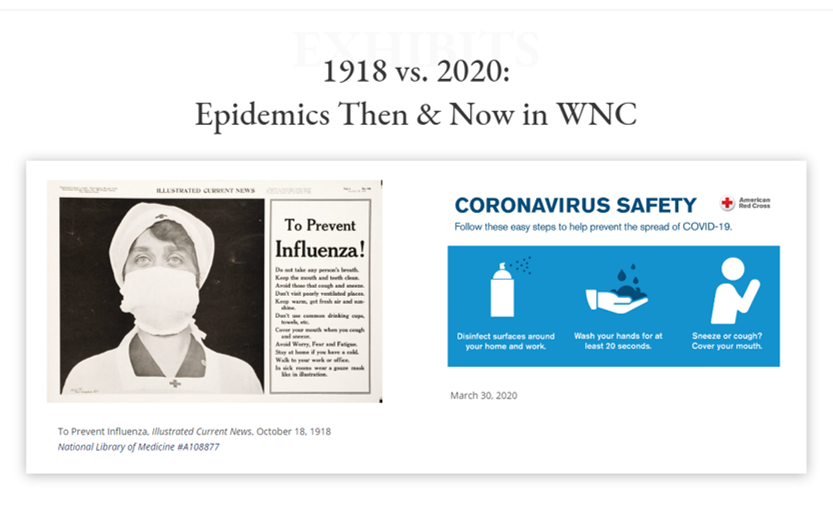
In the midst of the 2020 Covid-19 pandemic, we take an in-depth look at the 1918 influenza epidemic in Western North Carolina through newspaper clippings, advertisements, ephemera, photographs, and oral history and place the events of 1918 into context with our present-day response to the coronavirus pandemic.
https://www.wnchistory.org/virtual-exhibits/influenza/?utm_source=Western%20North%20Carolina%20Historical%20Association&utm_campaign=78fa0bbdf8-EMAIL_CAMPAIGN_2020_01_23_05_25_COPY_01&utm_medium=email&utm_term=0_7424f63c4d-78fa0bbdf8-329482143

About the speaker
Carolyn Steel is a leading thinker on food and cities. Her 2008 book, “Hungry City: How Food Shapes Our Lives”, received international acclaim, establishing her as an influential voice across a range of fields in academia, industry and the arts. It has been translated into seven languages and has become a key text for architects, planners, green thinkers and food professionals.
A London-based architect, academic and writer, Carolyn has lectured at Cambridge University, London Metropolitan University, Wageningen University and the London School of Economics. She is in international demand as a speaker and her 2009 TED talk has received more than one million views. Her new book, “Sitopia: How Food Can Save the World”, was recently published by Chatto & Windus.
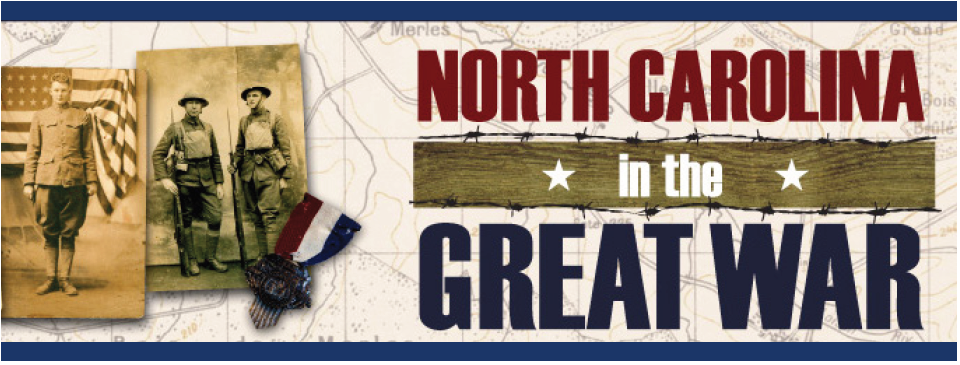
The exhibit is on loan from the North Carolina Department of Natural and Cultural Resources and has been supplemented with artifacts from the Smith-McDowell House collection. Entrance to the exhibit is included with Smith-McDowell House admission – and is always free for members – and runs through May 16, 2020.
The exhibit seeks to put the local men and women who served in context with the larger events happening in North Carolina, the United States, and the world. In the exhibit, visitors will find displays and interactive elements telling the stories of just a few of our hometown heroes.
It’s never too late to begin writing the next great American novel – or children’s book. The Leicester Library Creative Writing Work Group is opening its doors to any and all adults who are interested in writing children’s books. Meetings will include writing exercises, idea sharing, and other group discussions. The group will focus on writing picture books, early-reader, and chapter books. Participants are welcome to bring up to 500 words of original writing to share. But you don’t have to, you’re welcome to bring your thoughts to turn into great ideas later.
The classes take place on the first Thursday of every month at 1 p.m. at the Leicester Library. In previous groups, local children’s authors have visited to discuss their writing process. Also, members of the group have already published their own books.

Grupo de conversación en español!
Looking to practice your Spanish speaking skills? Join us in a ZOOM meeting every Thursday at 6 PM.
Note: This group meeting is taking place online.
Join Zoom Meeting-
https://us04web.zoom.us/j/326502512?pwd=eitScmlWMjdGb3M4V0EwZW5RMUxLUT09
Meeting ID: 326 502 512
Password: 902882
Gracias, mantente a salvo todos.
Bill McKibben, one of America’s best known advocates for action on climate change, will give a lecture, Our Changing Climate: A Global Movement of Reform, at UNC Asheville’s Kimmel Arena at 7 p.m. on Thursday, April 2. This talk is free and open to everyone – no tickets needed – with support from The David and Lin Brown Visionary Lecture Series and The Ecology Wildlife Foundation Fund.
McKibben is widely credited with having authored the first book on global warming written for a general audience – published in 1989, The End of Nature was written with the hope and expectation that simply and clearly stating the problem, then called the “greenhouse effect,” would lead to corrective action. And in the succeeding three decades, McKibben has continued to write, speak out, and organize mass actions around the world. He is a founder of 350.org, an international movement “working to end the age of fossil fuels and build a world of community-led renewable energy.”
Last year, McKibben published a new book, Falter: Has the Human Game Begun to Play Itself Out? “In a way, Falter is a summing up after three decades of where we are … we haven’t done very much in those 30 years,” said McKibben in an interview with the Sierra Club’s national magazine. “As a result, what was an abstract and theoretical threat is now daily reality for people all over the world. … I now have amazing colleagues around the planet [at 350.org] – most of them in places that did nothing to cause this problem, but all of them nonetheless engaged in the fight. I find that endlessly inspiring.”
McKibben, the Schumann Distinguished Scholar in Environmental Studies at Middlebury College and a fellow of the American Academy of Arts and Sciences, has earned many prestigious awards. He won the Right Livelihood Award in 2014, and was the 2013 winner of the Gandhi Peace Prize Award and the Thomas Merton Prize; he holds honorary degrees from 18 colleges and universities. Foreign Policy named him to their inaugural list of the world’s 100 most important global thinkers, and The Boston Globe said he was “probably America’s most important environmentalist.”
McKibben also has been a leader in the movement to divest from fossil fuel industries, which has recently gained some momentum. His report, Money is the Oxygen On Which the Fire of Global Warming Burns, was published last year in The New Yorker, and when BlackRock, the world’s biggest asset manager, announced in January 2020 that it would withdraw from investments that “present a high sustainability-related risk,” McKibben called it “a remarkable breakthrough.”
He also said that BlackRock’s move was too limited and called for pushing them further, “but at least we’ve reached the point that [BlackRock] realized they have a role in dealing with the climate crisis,” he told The Guardian. “I don’t think the big oil companies are capable of changing, though I’d like to be proved wrong. The job is basically to starve them and reduce their ability to continue expanding.”
Last year, UNC Asheville took the step of using ESG (Environment, Social and Governance) criteria for 10% of its endowed funds. This move, approved in June 2019 by the University’s Board of Trustees, followed a multi-year effort initiated by UNC Asheville student leaders, including members of the UNCA Divest activist group.
Seating at this free, unticketed event is first-come, first served. Kimmel Arena’s “Clear Bag Policy” will be in effect; please do not bring backpacks. People attending this event will be permitted to park in faculty/staff and non-resident lots on campus after 5 p.m., but parking is limited so please consider using public transportation.
For more information, contact Brian Davis, in UNC Asheville’s Advancement Office, 828.350.4575 or [email protected].
Visitor Parking on the UNC Asheville Campus – Visitors may park in faculty/staff and non-resident lots from 5:00 p.m. until 7:30 a.m., Monday through Friday, and on weekends, holidays, and campus breaks. Visitors are not permitted to park in resident student lots at any time.
Bill McKibben, one of America’s best known advocates for action on climate change, will give a lecture, “Our Changing Climate: A Global Movement of Reform,” at UNCA’s Kimmel Arena. This talk is free and open to everyone, with support from The David and Lin Brown Visionary Lecture Series and The Ecology Wildlife Foundation Fund.
Friday, April
3, 2020
British Museum Virtual Tour Museum of the World
National Museum of Natural History – Virtual Tours


On line Buncombe County Library Services
SAHC Education Videos Spiders and Snakes! Oh My! Myth Buster
Verner Early Education: How to Keep Kids Engaged at Home
Virtual Exhibit: Hillbilly Land Myth and Reality of Appalachian Culture
Virtual Tour 1918 vs. 2020 Flu Pandemics WNC
Conserving Carolina Spring Hiking Series: Reasonover Creek Trail
North Carolina in the Great War Exhibit
Read with J.R. the Therapy Dog!
https://britishmuseum.withgoogle.com/
THE MUSEUM OF THE WORLD interactive
Available Tours
Permanent Exhibits
Current Exhibits
Past Exhibits
Museum Support Center & Research Stations
A Few Other Smithsonian Tours

Here are five awesome library resources you can use from anywhere.
For any service that asks for a User ID or PIN, your User ID is your library card number (with no spaces) and your PIN is the last four digits of your phone number. If you have a Buncombe County or Asheville City school ID card, your ID is your card number and your PIN is the last four digits of your ID number.
Ebooks and Audio Books:
We have thousands of ebooks and audio books on the North Carolina Digital Library you can download to any device. Get the free Libby app from your app store and you are ready to go. Digital materials automatically return themselves at the end of the loan period, so there are never any overdue fines.
- Adult ebooks and audio books you can download right now
- Teen books you can download right now
- Children’s books you can download right now
Magazines:
We have a large collection of recent popular magazines on the NCDL. Your User ID and PIN stay the same.
Online Streaming Video:
For streaming video, you can use the North Carolina Digital Library, or Films on Demand on NC Live.
Tutorials and Courses:
Get unlimited access to an online library of high-quality instructional videos taught by industry experts on the latest software tools and skills with LinkedIn Learning. Learn a whole course or just the section you need. Topics include Microsoft Office, Adobe Photoshop, Illustrator, Web design, Social Media, Business and Career Skills and much more.
Want to learn another language? Mango Languages is an online language-learning system teaching actual conversation skills for a wide variety of languages. Mango uses real-life situations and actual conversations to more effectively teach a new language.
Local History Buffs:
If you love local history, our North Carolina Room at Pack Library has an extensive collection of materials available online that bring the past to life. The photograph collection documents over 200 years of Buncombe County history.
You can email the library for help with any of these resources at [email protected].
Want to access our online resources but don’t have a library card? While library branches are closed to prevent the spread of COVID-19, we’re issuing and renewing library cards by email.
- Email [email protected] and ask for a library card. You need to be a Buncombe County resident to get a card.
- We’ll respond with instructions on how to email a copy or photo of your local ID.
- We’ll send you back a library card number and PIN that you can use for all digital resources. The physical card will be mailed to you at a later date.
We’ll issue new cards by email as long as library branches are closed to the public. We can also renew cards by email.

We’ve turned some of our youth conservation education programs into videos to share online. Earlier this year, we asked elementary and middle school students what might prevent them from enjoying time outdoors – and many responded “snakes” or “spiders.” So, we developed fun lessons to help dispel myths and fears about snakes and spiders. These video adaptations of our youth education programs include short 5-minute lessons and step-by-step craft activities. Enjoy!
SPIDERS: https://www.youtube.com/watch?v=vRWaw6jPeN8&utm_source=SAHC+Default+MC+List&utm_campaign=6b1835d2ec-February_2018_COPY_01&utm_medium=email&utm_term=0_4717684d09-6b1835d2ec-144635353&ct=t%28February_2018_COPY_01%29&mc_cid=6b1835d2ec&mc_eid=cccced3ffd
SNAKES: https://www.youtube.com/watch?v=QpFcByki9xM&utm_source=SAHC+Default+MC+List&utm_campaign=6b1835d2ec-February_2018_COPY_01&utm_medium=email&utm_term=0_4717684d09-6b1835d2ec-144635353&ct=t%28February_2018_COPY_01%29&mc_cid=6b1835d2ec&mc_eid=cccced3ffd
Early Education Home-Days: Socially Distanced But Still Connected
Even during social distancing, families and their early learners benefit from high-quality early education.
Like so many families in our community that are practicing social distancing and are fortunate to have the ability to do so, I am working from home. As early educators, we know very well the struggles of working from home while having little ones at your side. Verner staff are working remotely and supporting Verner families that are now practicing “home-days” while center-based care is suspended.
Some observations about home-days:
Early educators speak frequently about the importance of trusting connections and relationships and their importance for the development of children’s social-emotional intelligence and foundations for life-long learning. This is true for both children and adults! During these days of increased isolation, Verner’s early educators have all been asking what can we do to support families so home-days feel good for everyone and our community remains connected even if we cannot all be together at school right now.
Our staff are making these home-day suggestions available to the community:
https://www.vernerearlylearning.org/covid-19.html
We have also created a YouTube site so that our children can share videos that their teachers have recorded of themselves reading stories, going on an exploratory hike, etc.:
https://www.youtube.com/channel/UC4dZ7hot37TIK8EYzgdnBcA
Buncombe Partnership for Children has also compiled a great list of supports for families:
https://buncombepfc.org/covid19/
Our community is coming together in amazing ways to support families through this transitional period.
We hope to back serving families in center-based care soon!
Verner Center for Early Learning fosters holistic learning environments where young children and families thrive.
Verner supports over 250 families with center-based and home-based services at four locations throughout Buncombe County. For more information please visit www.vernerearlylearning.org
ABOUT THE EXHIBIT The hillbilly stereotype is one that is alive and well in American popular culture as a quick survey of the cable dial reveals with such shows as Moonshiners, Appalachian Outlaws, Here Comes Honey Boo Boo, and countless others.
Surprisingly, it is one often displayed among educated sorts here in Western North Carolina who would never dream of disparaging any minority or “out group,” but do not hesitate to characterize native Western North Carolinians, as a group, as ignorant, in-bred, hopelessly retrograde, violent, snake-handling, moonshining/meth-making rednecks.
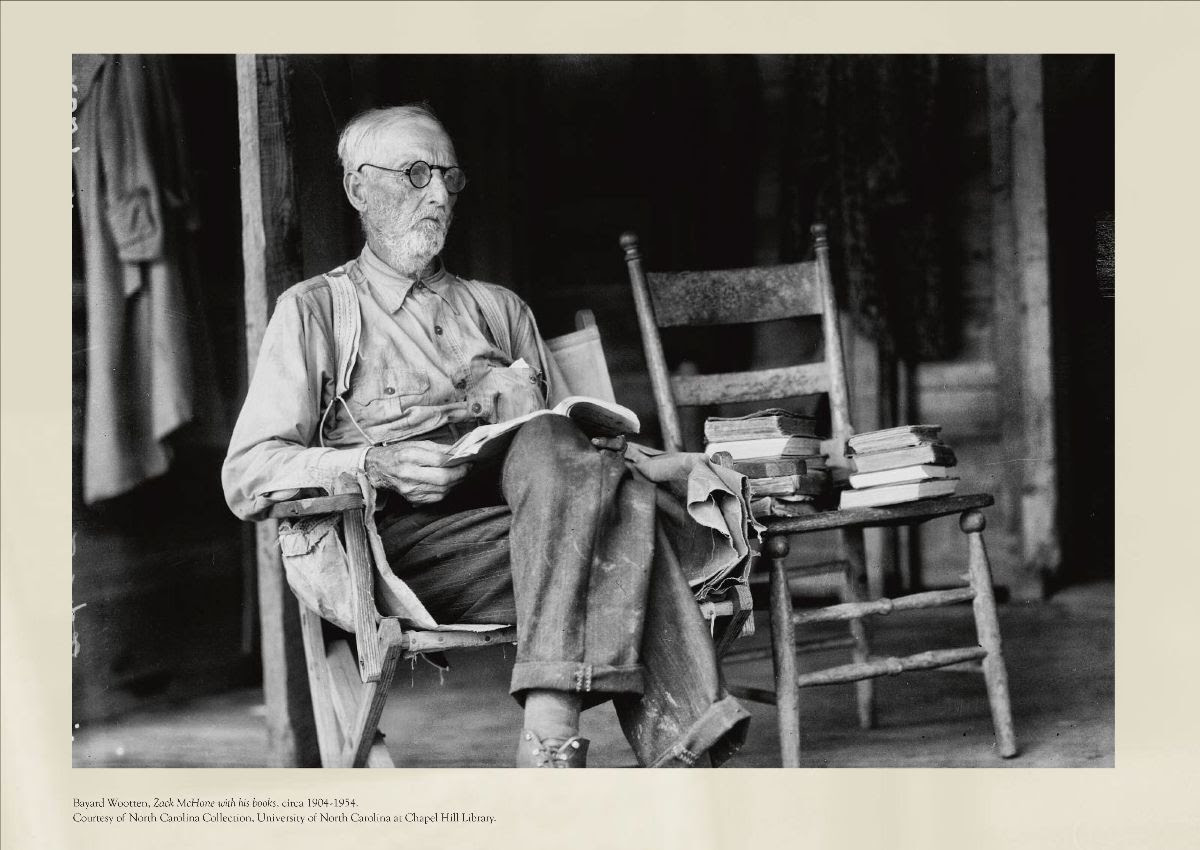
The Hillbillyland Exhibition explores the power, prevalence, and persistence of the hillbilly stereotype from the days of its beginnings in the late 19th century to the present day. The exhibit takes a unique approach by focusing on photography featuring the people of the region, some of them stereotypical images, combined with poetry and short prose pieces that challenge and complicate these stereotypes.
Visit the Virtual Exhibit
ABOUT THE EXHIBIT
In the midst of the 2020 Covid-19 pandemic, we take an in-depth look at the 1918 influenza epidemic in Western North Carolina through newspaper clippings, advertisements, ephemera, photographs, and oral history and place the events of 1918 into context with our present-day response to the coronavirus pandemic.
https://www.wnchistory.org/virtual-exhibits/influenza/?utm_source=Western%20North%20Carolina%20Historical%20Association&utm_campaign=78fa0bbdf8-EMAIL_CAMPAIGN_2020_01_23_05_25_COPY_01&utm_medium=email&utm_term=0_7424f63c4d-78fa0bbdf8-329482143

Where: Reasonover Creek Trail, DuPont State Recreational Forest
Meet: Columbus, Food Lion parking area, east side, @ 8:30
5.3-miles, moderate; trail type – loop
Hikers will experience the natural beauty of DuPont’s Fawn Lake, Lake Julia, and Reasonover Creek on this trek!Following Fawn Lake Road past the small lake, the trail will lead hikers over an abandoned airstrip where we will follow Camp Summit Road to Lake Julia for stunning views of the lake and a snack. This one-hundred-acre man-made lake is surrounded by beautiful rocky cliffs. After taking in the sights at the lake, we’ll pick up the Reasonover Creek Trail. Along this portion of trail, there are a few places that we’ll have to cross Reasonover Creek – there may be the opportunity to rock-hop, but be prepared to get your feet wet or take the time to take off and put on your boots! Hopefully, we’ll have the opportunity to see spring wildflowers along the way…maybe even a bird or two!
Contact [email protected] with additional questions.
Conserving Carolina is sponsoring a Friday hiking series this fall, free, guided, and open to the public. The hikes will meet at various locations (noted for each date) and will leave promptly at 8:45 a.m. Hikers should plan to return to the area in the late afternoon, time varying with group size, distance of hike, and drive time. Car-pooling will be organized at the meeting locations. If you’re coming from an area closer to the trailhead, please contact Pam Torlina (email above and number below) to make other meeting arrangements.
Be sure to wear appropriate clothing and sturdy footwear. Bring a bag lunch and/or snack and plenty of water for yourself. In case of inclement weather, call the Conserving Carolina office, ext. 300, before 8:15 a.m. on the date of the hike, and/or check our Facebook page and calendar. Please also remember to bring any medication that you may need in the event of an emergency (ie: epinephrine, nitroglycerine, insulin, etc.). Hike leaders will carry a first aid kit; however, it may not contain specific medication for your individual needs.
The exhibit is on loan from the North Carolina Department of Natural and Cultural Resources and has been supplemented with artifacts from the Smith-McDowell House collection. Entrance to the exhibit is included with Smith-McDowell House admission – and is always free for members – and runs through May 16, 2020.
The exhibit seeks to put the local men and women who served in context with the larger events happening in North Carolina, the United States, and the world. In the exhibit, visitors will find displays and interactive elements telling the stories of just a few of our hometown heroes.
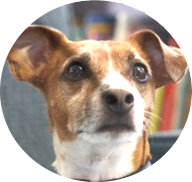
The Skyland Library will host J.R. the Therapy Dog on the 1st Friday of each month. Kids are invited to stop by between 2:30-3:30 pm to practice their reading skills with a gentle, patient and adorable canine friend. J.R. is a certified therapy dog and he can’t wait to meet you!
Saturday, April
4, 2020
British Museum Virtual Tour Museum of the World
Forest Floor Wilderness Programs
National Museum of Natural History – Virtual Tours
On line Buncombe County Library Services
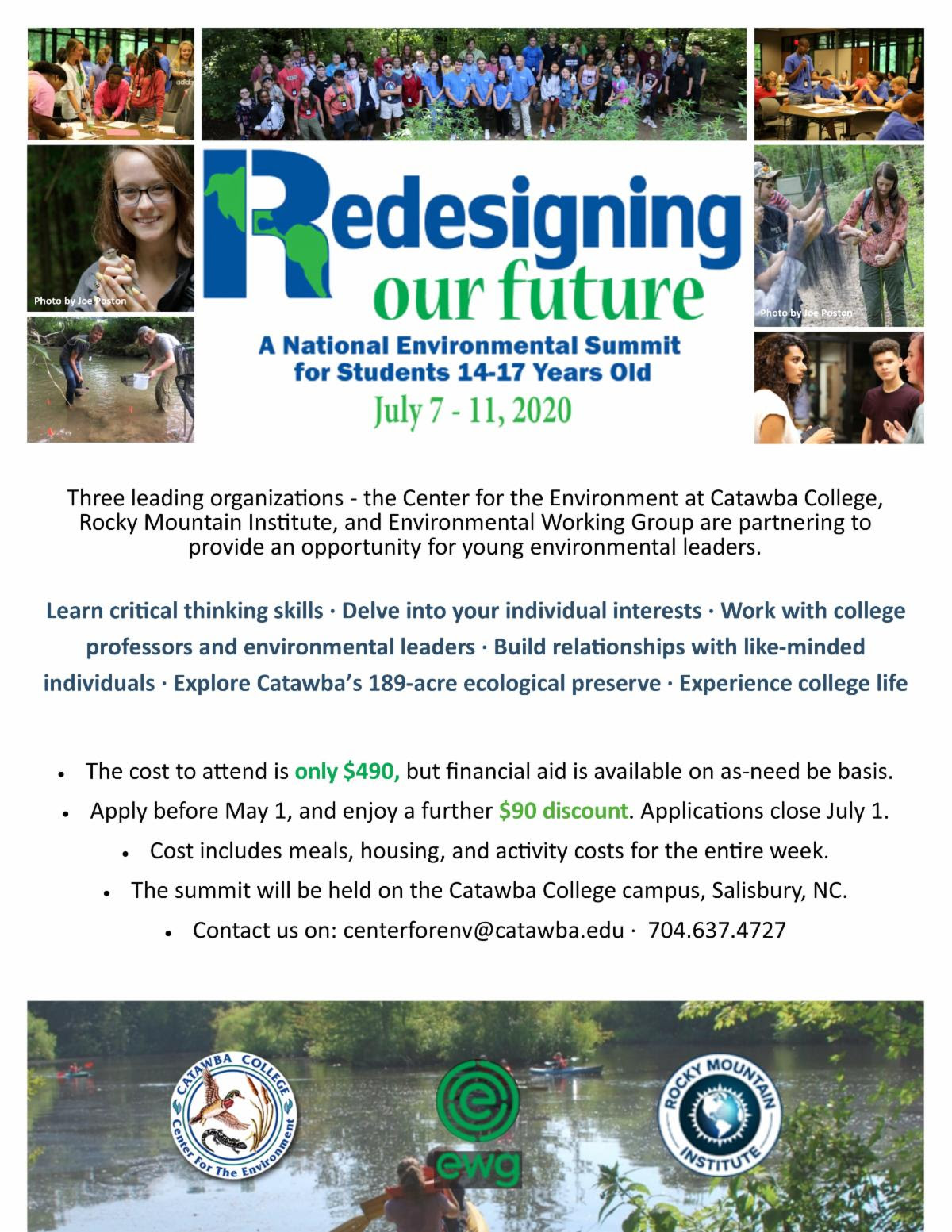
Redesigning Our Future: National Environmental Summit for High School Students
SAHC Education Videos Spiders and Snakes! Oh My! Myth Buster
Verner Early Education: How to Keep Kids Engaged at Home
Virtual Exhibit: Hillbilly Land Myth and Reality of Appalachian Culture
Virtual Tour 1918 vs. 2020 Flu Pandemics WNC
Animal Habitats VIP Tours
North Carolina in the Great War Exhibit
https://britishmuseum.withgoogle.com/
THE MUSEUM OF THE WORLD interactive
Forest Floor is offering sixteen different week-long camp options for ages ranging from K-10. Camps begin with the first week June 15-19 and end with the week of August 10-14. The program is structured to get kids out in the forest, exercising and playing, sharing stories and songs, solving challenges, and learning traditional crafts, wilderness skills, survival skills, and martial arts. Forest Floor programs are unique in the Asheville area because of the focus on Nature Connection Mentoring and helping children reach and exceed their potential.
Parents can drop their children off at Haw Creek Commons in Asheville between 8:30 – 9:00 AM daily, and then pick them up there between 3:00 – 3:30 PM. Camp staff will transport the children via passenger van to the forest location and back each day. An “After Camp” option with games and nature activities is available for parents who choose to pickup as late as 5:30 PM. After Camp can be reserved for specific days or the entire camp week.
The standard pricing for the camps is $295 per week including transportation. The Blacksmithing and Knife-making camps for Grades 6-10 only are priced at $384 per week. After Camp adds $15-30 per afternoon depending on the specific reservations. A payment plan and sibling discount are offered as well. A limited number of partial scholarships are also available. Registrations are taken online in advance at the company website www.OnTheForestFloor.org.
About Forest Floor Wilderness Programs – Forest Floor Wilderness Programs (FFWP) is a unique Asheville provider of Nature-Connection Mentoring programs. FFWP was founded in 2011 by Executive Director Clint Corley to bring a nationally-proven youth mentoring model to the Asheville area. The group offers summer camps, and a wide variety of other programs including weekly programs for homeschool families, bi-weekly programs for teens & public school children, Saturday programs, family campouts, and workshops for adults.
Available Tours
Permanent Exhibits
Current Exhibits
Past Exhibits
Museum Support Center & Research Stations
A Few Other Smithsonian Tours
Here are five awesome library resources you can use from anywhere.
For any service that asks for a User ID or PIN, your User ID is your library card number (with no spaces) and your PIN is the last four digits of your phone number. If you have a Buncombe County or Asheville City school ID card, your ID is your card number and your PIN is the last four digits of your ID number.
Ebooks and Audio Books:
We have thousands of ebooks and audio books on the North Carolina Digital Library you can download to any device. Get the free Libby app from your app store and you are ready to go. Digital materials automatically return themselves at the end of the loan period, so there are never any overdue fines.
- Adult ebooks and audio books you can download right now
- Teen books you can download right now
- Children’s books you can download right now
Magazines:
We have a large collection of recent popular magazines on the NCDL. Your User ID and PIN stay the same.
Online Streaming Video:
For streaming video, you can use the North Carolina Digital Library, or Films on Demand on NC Live.
Tutorials and Courses:
Get unlimited access to an online library of high-quality instructional videos taught by industry experts on the latest software tools and skills with LinkedIn Learning. Learn a whole course or just the section you need. Topics include Microsoft Office, Adobe Photoshop, Illustrator, Web design, Social Media, Business and Career Skills and much more.
Want to learn another language? Mango Languages is an online language-learning system teaching actual conversation skills for a wide variety of languages. Mango uses real-life situations and actual conversations to more effectively teach a new language.
Local History Buffs:
If you love local history, our North Carolina Room at Pack Library has an extensive collection of materials available online that bring the past to life. The photograph collection documents over 200 years of Buncombe County history.
You can email the library for help with any of these resources at [email protected].
Want to access our online resources but don’t have a library card? While library branches are closed to prevent the spread of COVID-19, we’re issuing and renewing library cards by email.
- Email [email protected] and ask for a library card. You need to be a Buncombe County resident to get a card.
- We’ll respond with instructions on how to email a copy or photo of your local ID.
- We’ll send you back a library card number and PIN that you can use for all digital resources. The physical card will be mailed to you at a later date.
We’ll issue new cards by email as long as library branches are closed to the public. We can also renew cards by email.
We’ve turned some of our youth conservation education programs into videos to share online. Earlier this year, we asked elementary and middle school students what might prevent them from enjoying time outdoors – and many responded “snakes” or “spiders.” So, we developed fun lessons to help dispel myths and fears about snakes and spiders. These video adaptations of our youth education programs include short 5-minute lessons and step-by-step craft activities. Enjoy!
SPIDERS: https://www.youtube.com/watch?v=vRWaw6jPeN8&utm_source=SAHC+Default+MC+List&utm_campaign=6b1835d2ec-February_2018_COPY_01&utm_medium=email&utm_term=0_4717684d09-6b1835d2ec-144635353&ct=t%28February_2018_COPY_01%29&mc_cid=6b1835d2ec&mc_eid=cccced3ffd
SNAKES: https://www.youtube.com/watch?v=QpFcByki9xM&utm_source=SAHC+Default+MC+List&utm_campaign=6b1835d2ec-February_2018_COPY_01&utm_medium=email&utm_term=0_4717684d09-6b1835d2ec-144635353&ct=t%28February_2018_COPY_01%29&mc_cid=6b1835d2ec&mc_eid=cccced3ffd
Early Education Home-Days: Socially Distanced But Still Connected
Even during social distancing, families and their early learners benefit from high-quality early education.
Like so many families in our community that are practicing social distancing and are fortunate to have the ability to do so, I am working from home. As early educators, we know very well the struggles of working from home while having little ones at your side. Verner staff are working remotely and supporting Verner families that are now practicing “home-days” while center-based care is suspended.
Some observations about home-days:
Early educators speak frequently about the importance of trusting connections and relationships and their importance for the development of children’s social-emotional intelligence and foundations for life-long learning. This is true for both children and adults! During these days of increased isolation, Verner’s early educators have all been asking what can we do to support families so home-days feel good for everyone and our community remains connected even if we cannot all be together at school right now.
Our staff are making these home-day suggestions available to the community:
https://www.vernerearlylearning.org/covid-19.html
We have also created a YouTube site so that our children can share videos that their teachers have recorded of themselves reading stories, going on an exploratory hike, etc.:
https://www.youtube.com/channel/UC4dZ7hot37TIK8EYzgdnBcA
Buncombe Partnership for Children has also compiled a great list of supports for families:
https://buncombepfc.org/covid19/
Our community is coming together in amazing ways to support families through this transitional period.
We hope to back serving families in center-based care soon!
Verner Center for Early Learning fosters holistic learning environments where young children and families thrive.
Verner supports over 250 families with center-based and home-based services at four locations throughout Buncombe County. For more information please visit www.vernerearlylearning.org
ABOUT THE EXHIBIT The hillbilly stereotype is one that is alive and well in American popular culture as a quick survey of the cable dial reveals with such shows as Moonshiners, Appalachian Outlaws, Here Comes Honey Boo Boo, and countless others.
Surprisingly, it is one often displayed among educated sorts here in Western North Carolina who would never dream of disparaging any minority or “out group,” but do not hesitate to characterize native Western North Carolinians, as a group, as ignorant, in-bred, hopelessly retrograde, violent, snake-handling, moonshining/meth-making rednecks.
The Hillbillyland Exhibition explores the power, prevalence, and persistence of the hillbilly stereotype from the days of its beginnings in the late 19th century to the present day. The exhibit takes a unique approach by focusing on photography featuring the people of the region, some of them stereotypical images, combined with poetry and short prose pieces that challenge and complicate these stereotypes.
Visit the Virtual Exhibit
ABOUT THE EXHIBIT
In the midst of the 2020 Covid-19 pandemic, we take an in-depth look at the 1918 influenza epidemic in Western North Carolina through newspaper clippings, advertisements, ephemera, photographs, and oral history and place the events of 1918 into context with our present-day response to the coronavirus pandemic.
https://www.wnchistory.org/virtual-exhibits/influenza/?utm_source=Western%20North%20Carolina%20Historical%20Association&utm_campaign=78fa0bbdf8-EMAIL_CAMPAIGN_2020_01_23_05_25_COPY_01&utm_medium=email&utm_term=0_7424f63c4d-78fa0bbdf8-329482143
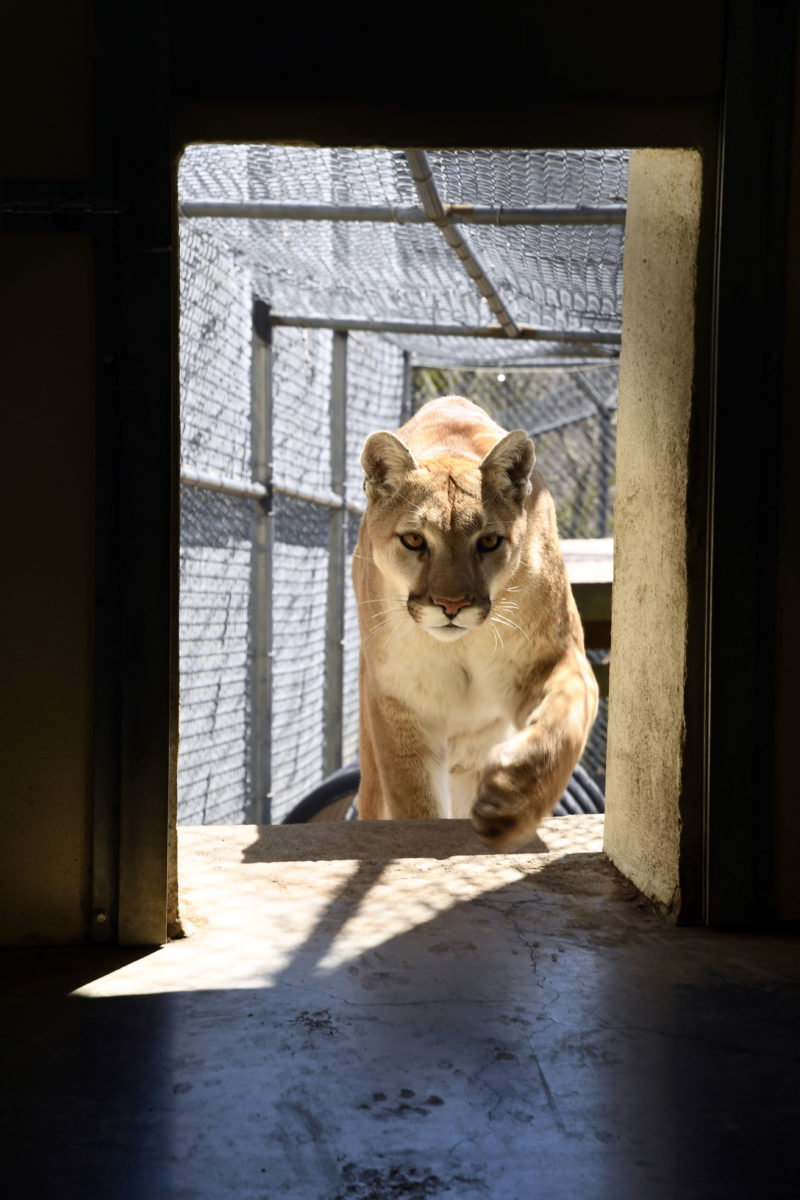
See where the cougars and otters sleep overnight, meet black bears that are not commonly on display, learn the ins and outs of what it takes to care for the animals year-round, observe a training session and find out why the animals call Grandfather Mountain home.
Offered on weekends, April – October.
The exhibit is on loan from the North Carolina Department of Natural and Cultural Resources and has been supplemented with artifacts from the Smith-McDowell House collection. Entrance to the exhibit is included with Smith-McDowell House admission – and is always free for members – and runs through May 16, 2020.
The exhibit seeks to put the local men and women who served in context with the larger events happening in North Carolina, the United States, and the world. In the exhibit, visitors will find displays and interactive elements telling the stories of just a few of our hometown heroes.
Sunday, April
5, 2020
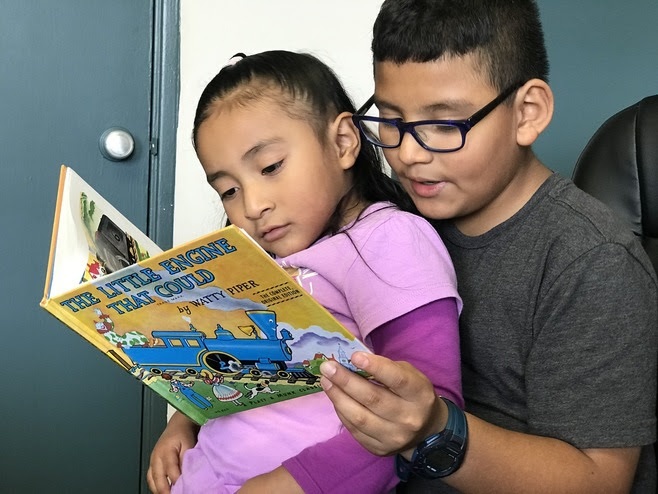
Get Free Books from Dolly Parton’s Imagination Library
On line Buncombe County Library Services
|

|
Here are five awesome library resources you can use from anywhere.
For any service that asks for a User ID or PIN, your User ID is your library card number (with no spaces) and your PIN is the last four digits of your phone number. If you have a Buncombe County or Asheville City school ID card, your ID is your card number and your PIN is the last four digits of your ID number.
Ebooks and Audio Books:
We have thousands of ebooks and audio books on the North Carolina Digital Library you can download to any device. Get the free Libby app from your app store and you are ready to go. Digital materials automatically return themselves at the end of the loan period, so there are never any overdue fines.
- Adult ebooks and audio books you can download right now
- Teen books you can download right now
- Children’s books you can download right now
Magazines:
We have a large collection of recent popular magazines on the NCDL. Your User ID and PIN stay the same.
Online Streaming Video:
For streaming video, you can use the North Carolina Digital Library, or Films on Demand on NC Live.
Tutorials and Courses:
Get unlimited access to an online library of high-quality instructional videos taught by industry experts on the latest software tools and skills with LinkedIn Learning. Learn a whole course or just the section you need. Topics include Microsoft Office, Adobe Photoshop, Illustrator, Web design, Social Media, Business and Career Skills and much more.
Want to learn another language? Mango Languages is an online language-learning system teaching actual conversation skills for a wide variety of languages. Mango uses real-life situations and actual conversations to more effectively teach a new language.
Local History Buffs:
If you love local history, our North Carolina Room at Pack Library has an extensive collection of materials available online that bring the past to life. The photograph collection documents over 200 years of Buncombe County history.
You can email the library for help with any of these resources at [email protected].
Want to access our online resources but don’t have a library card? While library branches are closed to prevent the spread of COVID-19, we’re issuing and renewing library cards by email.
- Email [email protected] and ask for a library card. You need to be a Buncombe County resident to get a card.
- We’ll respond with instructions on how to email a copy or photo of your local ID.
- We’ll send you back a library card number and PIN that you can use for all digital resources. The physical card will be mailed to you at a later date.
We’ll issue new cards by email as long as library branches are closed to the public. We can also renew cards by email.