

Calendar of Events
Upcoming events and things to do in Asheville, NC. Below is a list of events for festivals, concerts, art exhibitions, group meetups and more.
Interested in adding an event to our calendar? Please click the green “Post Your Event” button below.
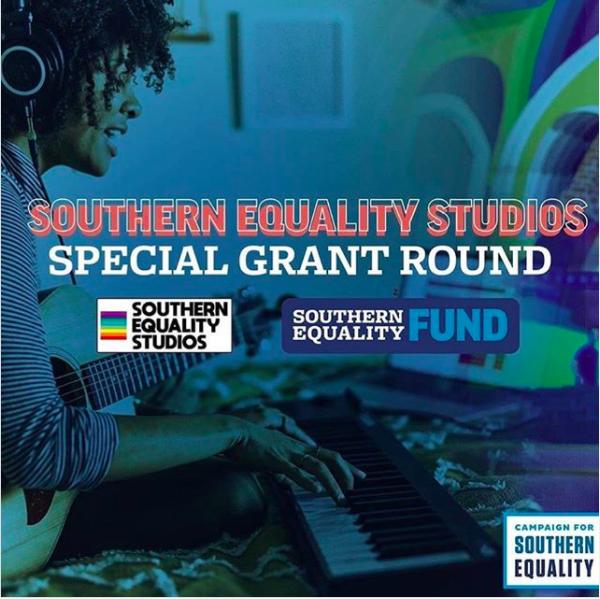
The Southern Equality Studios special grant round is dedicated to resourcing and celebrating LGBTQ artists and creatives across the LGBTQ South who are BIPOC (Black, Indigenous, or people of color). Grants of up to $500 will support BIPOC LGBTQ Southern artists working on a wide range of creative projects.
These new grant rounds are part of CSE’s Southern Equality Fund, which has been making grassroots grants across the LGBTQ South since 2015. Since its inception, the Southern Equality Fund has prioritized supporting work led by BIPOC, transgender, and rural organizers.
Have you seen an inspiring BIPOC LGBTQ artists in your community, or are you a creative who could use grant support? If so, we want to hear from you!
We are specifically seeking nominations for artists or creatives efforts who are:
- Based in the South.
- Black, Indigenous, or people of color (BIPOC).
- LGBTQ people.
- Funds can be used to support a wide range of artistic endeavors.
- Nominees are eligible to receive this grant even if they have received a previous Southern Equality Fund grant; however, priority will be given to nominees who have not yet received a grant.
- Anyone is welcome and encouraged to nominate an artist for a grant and artists may also nominate themselves.
- There are no grant reports, budgets or supplemental materials required in this process. However, if selected, applicants will have to fill out and return a W9 form to receive their funding.
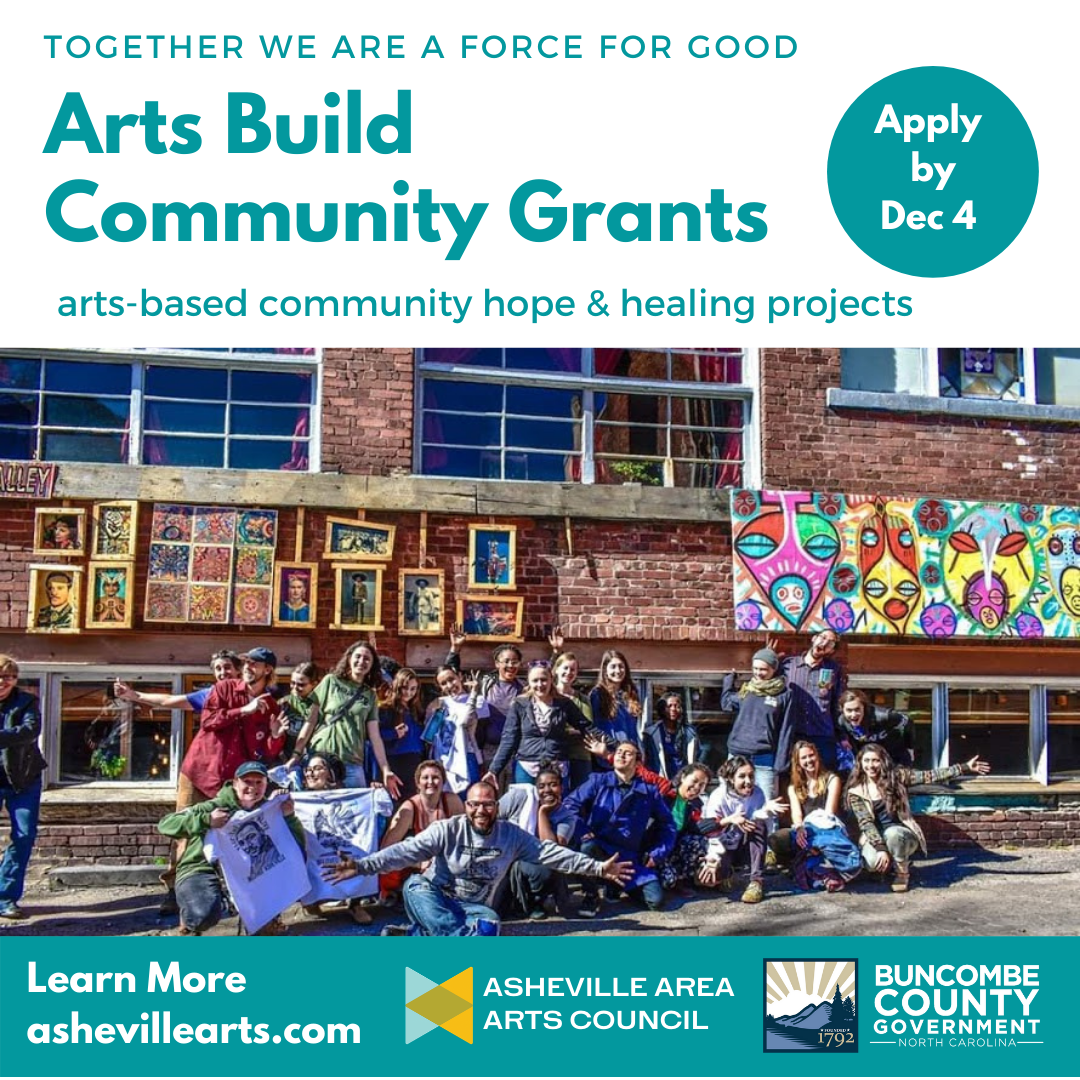
This year the Asheville Area Arts Council is offering $500 micro-grants for arts-based projects specifically focused on community hope and healing. These can be projects that bring joy to our local community, and/or projects that actively engage community members in safe activities following state and local health restrictions.
Arts and culture are a fundamental part of our community. They help us connect with one another and better understand history, people, and new ideas. When people become involved in the design, creation, and upkeep of places, they develop a vested interest in using and maintaining these spaces. When neighbors have a true sense of “ownership” or connection to the places they frequent, the community becomes a better place to live, work, and visit. According to Americans for the Arts (AFTA), “86% of participants who took part in community-based art want to be involved in future projects, and people living where these art projects occurred were more than twice as likely to be civically engaged as those whose neighborhoods did not have projects.”
The Southern Equality Studios special grant round is dedicated to resourcing and celebrating LGBTQ artists and creatives across the LGBTQ South who are BIPOC (Black, Indigenous, or people of color). Grants of up to $500 will support BIPOC LGBTQ Southern artists working on a wide range of creative projects.
These new grant rounds are part of CSE’s Southern Equality Fund, which has been making grassroots grants across the LGBTQ South since 2015. Since its inception, the Southern Equality Fund has prioritized supporting work led by BIPOC, transgender, and rural organizers.
Have you seen an inspiring BIPOC LGBTQ artists in your community, or are you a creative who could use grant support? If so, we want to hear from you!
We are specifically seeking nominations for artists or creatives efforts who are:
- Based in the South.
- Black, Indigenous, or people of color (BIPOC).
- LGBTQ people.
- Funds can be used to support a wide range of artistic endeavors.
- Nominees are eligible to receive this grant even if they have received a previous Southern Equality Fund grant; however, priority will be given to nominees who have not yet received a grant.
- Anyone is welcome and encouraged to nominate an artist for a grant and artists may also nominate themselves.
- There are no grant reports, budgets or supplemental materials required in this process. However, if selected, applicants will have to fill out and return a W9 form to receive their funding.
This year the Asheville Area Arts Council is offering $500 micro-grants for arts-based projects specifically focused on community hope and healing. These can be projects that bring joy to our local community, and/or projects that actively engage community members in safe activities following state and local health restrictions.
Arts and culture are a fundamental part of our community. They help us connect with one another and better understand history, people, and new ideas. When people become involved in the design, creation, and upkeep of places, they develop a vested interest in using and maintaining these spaces. When neighbors have a true sense of “ownership” or connection to the places they frequent, the community becomes a better place to live, work, and visit. According to Americans for the Arts (AFTA), “86% of participants who took part in community-based art want to be involved in future projects, and people living where these art projects occurred were more than twice as likely to be civically engaged as those whose neighborhoods did not have projects.”
This year the Asheville Area Arts Council is offering $500 micro-grants for arts-based projects specifically focused on community hope and healing. These can be projects that bring joy to our local community, and/or projects that actively engage community members in safe activities following state and local health restrictions.
Arts and culture are a fundamental part of our community. They help us connect with one another and better understand history, people, and new ideas. When people become involved in the design, creation, and upkeep of places, they develop a vested interest in using and maintaining these spaces. When neighbors have a true sense of “ownership” or connection to the places they frequent, the community becomes a better place to live, work, and visit. According to Americans for the Arts (AFTA), “86% of participants who took part in community-based art want to be involved in future projects, and people living where these art projects occurred were more than twice as likely to be civically engaged as those whose neighborhoods did not have projects.”
The Southern Equality Studios special grant round is dedicated to resourcing and celebrating LGBTQ artists and creatives across the LGBTQ South who are BIPOC (Black, Indigenous, or people of color). Grants of up to $500 will support BIPOC LGBTQ Southern artists working on a wide range of creative projects.
These new grant rounds are part of CSE’s Southern Equality Fund, which has been making grassroots grants across the LGBTQ South since 2015. Since its inception, the Southern Equality Fund has prioritized supporting work led by BIPOC, transgender, and rural organizers.
Have you seen an inspiring BIPOC LGBTQ artists in your community, or are you a creative who could use grant support? If so, we want to hear from you!
We are specifically seeking nominations for artists or creatives efforts who are:
- Based in the South.
- Black, Indigenous, or people of color (BIPOC).
- LGBTQ people.
- Funds can be used to support a wide range of artistic endeavors.
- Nominees are eligible to receive this grant even if they have received a previous Southern Equality Fund grant; however, priority will be given to nominees who have not yet received a grant.
- Anyone is welcome and encouraged to nominate an artist for a grant and artists may also nominate themselves.
- There are no grant reports, budgets or supplemental materials required in this process. However, if selected, applicants will have to fill out and return a W9 form to receive their funding.
This year the Asheville Area Arts Council is offering $500 micro-grants for arts-based projects specifically focused on community hope and healing. These can be projects that bring joy to our local community, and/or projects that actively engage community members in safe activities following state and local health restrictions.
Arts and culture are a fundamental part of our community. They help us connect with one another and better understand history, people, and new ideas. When people become involved in the design, creation, and upkeep of places, they develop a vested interest in using and maintaining these spaces. When neighbors have a true sense of “ownership” or connection to the places they frequent, the community becomes a better place to live, work, and visit. According to Americans for the Arts (AFTA), “86% of participants who took part in community-based art want to be involved in future projects, and people living where these art projects occurred were more than twice as likely to be civically engaged as those whose neighborhoods did not have projects.”
This year the Asheville Area Arts Council is offering $500 micro-grants for arts-based projects specifically focused on community hope and healing. These can be projects that bring joy to our local community, and/or projects that actively engage community members in safe activities following state and local health restrictions.
Arts and culture are a fundamental part of our community. They help us connect with one another and better understand history, people, and new ideas. When people become involved in the design, creation, and upkeep of places, they develop a vested interest in using and maintaining these spaces. When neighbors have a true sense of “ownership” or connection to the places they frequent, the community becomes a better place to live, work, and visit. According to Americans for the Arts (AFTA), “86% of participants who took part in community-based art want to be involved in future projects, and people living where these art projects occurred were more than twice as likely to be civically engaged as those whose neighborhoods did not have projects.”
The Southern Equality Studios special grant round is dedicated to resourcing and celebrating LGBTQ artists and creatives across the LGBTQ South who are BIPOC (Black, Indigenous, or people of color). Grants of up to $500 will support BIPOC LGBTQ Southern artists working on a wide range of creative projects.
These new grant rounds are part of CSE’s Southern Equality Fund, which has been making grassroots grants across the LGBTQ South since 2015. Since its inception, the Southern Equality Fund has prioritized supporting work led by BIPOC, transgender, and rural organizers.
Have you seen an inspiring BIPOC LGBTQ artists in your community, or are you a creative who could use grant support? If so, we want to hear from you!
We are specifically seeking nominations for artists or creatives efforts who are:
- Based in the South.
- Black, Indigenous, or people of color (BIPOC).
- LGBTQ people.
- Funds can be used to support a wide range of artistic endeavors.
- Nominees are eligible to receive this grant even if they have received a previous Southern Equality Fund grant; however, priority will be given to nominees who have not yet received a grant.
- Anyone is welcome and encouraged to nominate an artist for a grant and artists may also nominate themselves.
- There are no grant reports, budgets or supplemental materials required in this process. However, if selected, applicants will have to fill out and return a W9 form to receive their funding.
This year the Asheville Area Arts Council is offering $500 micro-grants for arts-based projects specifically focused on community hope and healing. These can be projects that bring joy to our local community, and/or projects that actively engage community members in safe activities following state and local health restrictions.
Arts and culture are a fundamental part of our community. They help us connect with one another and better understand history, people, and new ideas. When people become involved in the design, creation, and upkeep of places, they develop a vested interest in using and maintaining these spaces. When neighbors have a true sense of “ownership” or connection to the places they frequent, the community becomes a better place to live, work, and visit. According to Americans for the Arts (AFTA), “86% of participants who took part in community-based art want to be involved in future projects, and people living where these art projects occurred were more than twice as likely to be civically engaged as those whose neighborhoods did not have projects.”
This year the Asheville Area Arts Council is offering $500 micro-grants for arts-based projects specifically focused on community hope and healing. These can be projects that bring joy to our local community, and/or projects that actively engage community members in safe activities following state and local health restrictions.
Arts and culture are a fundamental part of our community. They help us connect with one another and better understand history, people, and new ideas. When people become involved in the design, creation, and upkeep of places, they develop a vested interest in using and maintaining these spaces. When neighbors have a true sense of “ownership” or connection to the places they frequent, the community becomes a better place to live, work, and visit. According to Americans for the Arts (AFTA), “86% of participants who took part in community-based art want to be involved in future projects, and people living where these art projects occurred were more than twice as likely to be civically engaged as those whose neighborhoods did not have projects.”
The Southern Equality Studios special grant round is dedicated to resourcing and celebrating LGBTQ artists and creatives across the LGBTQ South who are BIPOC (Black, Indigenous, or people of color). Grants of up to $500 will support BIPOC LGBTQ Southern artists working on a wide range of creative projects.
These new grant rounds are part of CSE’s Southern Equality Fund, which has been making grassroots grants across the LGBTQ South since 2015. Since its inception, the Southern Equality Fund has prioritized supporting work led by BIPOC, transgender, and rural organizers.
Have you seen an inspiring BIPOC LGBTQ artists in your community, or are you a creative who could use grant support? If so, we want to hear from you!
We are specifically seeking nominations for artists or creatives efforts who are:
- Based in the South.
- Black, Indigenous, or people of color (BIPOC).
- LGBTQ people.
- Funds can be used to support a wide range of artistic endeavors.
- Nominees are eligible to receive this grant even if they have received a previous Southern Equality Fund grant; however, priority will be given to nominees who have not yet received a grant.
- Anyone is welcome and encouraged to nominate an artist for a grant and artists may also nominate themselves.
- There are no grant reports, budgets or supplemental materials required in this process. However, if selected, applicants will have to fill out and return a W9 form to receive their funding.
This year the Asheville Area Arts Council is offering $500 micro-grants for arts-based projects specifically focused on community hope and healing. These can be projects that bring joy to our local community, and/or projects that actively engage community members in safe activities following state and local health restrictions.
Arts and culture are a fundamental part of our community. They help us connect with one another and better understand history, people, and new ideas. When people become involved in the design, creation, and upkeep of places, they develop a vested interest in using and maintaining these spaces. When neighbors have a true sense of “ownership” or connection to the places they frequent, the community becomes a better place to live, work, and visit. According to Americans for the Arts (AFTA), “86% of participants who took part in community-based art want to be involved in future projects, and people living where these art projects occurred were more than twice as likely to be civically engaged as those whose neighborhoods did not have projects.”
This year the Asheville Area Arts Council is offering $500 micro-grants for arts-based projects specifically focused on community hope and healing. These can be projects that bring joy to our local community, and/or projects that actively engage community members in safe activities following state and local health restrictions.
Arts and culture are a fundamental part of our community. They help us connect with one another and better understand history, people, and new ideas. When people become involved in the design, creation, and upkeep of places, they develop a vested interest in using and maintaining these spaces. When neighbors have a true sense of “ownership” or connection to the places they frequent, the community becomes a better place to live, work, and visit. According to Americans for the Arts (AFTA), “86% of participants who took part in community-based art want to be involved in future projects, and people living where these art projects occurred were more than twice as likely to be civically engaged as those whose neighborhoods did not have projects.”
The Southern Equality Studios special grant round is dedicated to resourcing and celebrating LGBTQ artists and creatives across the LGBTQ South who are BIPOC (Black, Indigenous, or people of color). Grants of up to $500 will support BIPOC LGBTQ Southern artists working on a wide range of creative projects.
These new grant rounds are part of CSE’s Southern Equality Fund, which has been making grassroots grants across the LGBTQ South since 2015. Since its inception, the Southern Equality Fund has prioritized supporting work led by BIPOC, transgender, and rural organizers.
Have you seen an inspiring BIPOC LGBTQ artists in your community, or are you a creative who could use grant support? If so, we want to hear from you!
We are specifically seeking nominations for artists or creatives efforts who are:
- Based in the South.
- Black, Indigenous, or people of color (BIPOC).
- LGBTQ people.
- Funds can be used to support a wide range of artistic endeavors.
- Nominees are eligible to receive this grant even if they have received a previous Southern Equality Fund grant; however, priority will be given to nominees who have not yet received a grant.
- Anyone is welcome and encouraged to nominate an artist for a grant and artists may also nominate themselves.
- There are no grant reports, budgets or supplemental materials required in this process. However, if selected, applicants will have to fill out and return a W9 form to receive their funding.

Next Stage Arts Project and the Putney Historical Society present “Hoedowns, Reels, and Frolics: Roots and Branches of Southern Appalachian Dance,” a virtual lecture by scholar of traditional music and dance, Phil Jamison, on Thursday, December 3 at 7:30 p.m.
The southern Appalachian square dance is a hybrid dance form that developed in the American South during the nineteenth century, and like the Appalachian musical traditions, these dances reflect the racial and ethnic diversity of the region. In this Zoom event, Phil examines the multicultural roots and historical development of these dances and identifies the components of earlier European, African, and Native American dance forms that combined to make them uniquely American. He will also discuss African-American and native American musicians and callers who at one time were present in New England. These include African-American musician and barber John Putnam (1825–1895), who was active as a fiddler and dance prompter in Greenfield, Massachusetts during the nineteenth century. Proceeds from this event will benefit the Putney Historical Society. For more information and to register for the Zoom, visit www.nextstagearts.org.
Phil Jamison is nationally known as a dance caller, old-time musician, flatfoot dancer, and scholar of traditional Appalachian dance. A 2017 inductee to the Blue Ridge Music Hall of Fame, he has called dances, performed, and taught at music festivals and dance events throughout the U.S. and overseas since the early 1970s, including forty years as a member of the Green Grass Cloggers. Over the last thirty years, Jamison has done extensive research in the area of Appalachian dance, and his book Hoedowns, Reels, and Frolics: Roots and Branches of Southern Appalachian Dance(University of Illinois Press, 2015) tells the story behind the square dances, step dances, reels, and other forms of dance practiced in southern Appalachia. He has given numerous presentations on Appalachian dance – from the Smithsonian Institution to Beijing, China – and he teaches Appalachian music and dance at Warren Wilson College, in Asheville, North Carolina, where for twenty-five years, he served as coordinator of the Old-Time Music and Dance Week at the Swannanoa Gathering. http://www.philjamison.com/
This year the Asheville Area Arts Council is offering $500 micro-grants for arts-based projects specifically focused on community hope and healing. These can be projects that bring joy to our local community, and/or projects that actively engage community members in safe activities following state and local health restrictions.
Arts and culture are a fundamental part of our community. They help us connect with one another and better understand history, people, and new ideas. When people become involved in the design, creation, and upkeep of places, they develop a vested interest in using and maintaining these spaces. When neighbors have a true sense of “ownership” or connection to the places they frequent, the community becomes a better place to live, work, and visit. According to Americans for the Arts (AFTA), “86% of participants who took part in community-based art want to be involved in future projects, and people living where these art projects occurred were more than twice as likely to be civically engaged as those whose neighborhoods did not have projects.”
This year the Asheville Area Arts Council is offering $500 micro-grants for arts-based projects specifically focused on community hope and healing. These can be projects that bring joy to our local community, and/or projects that actively engage community members in safe activities following state and local health restrictions.
Arts and culture are a fundamental part of our community. They help us connect with one another and better understand history, people, and new ideas. When people become involved in the design, creation, and upkeep of places, they develop a vested interest in using and maintaining these spaces. When neighbors have a true sense of “ownership” or connection to the places they frequent, the community becomes a better place to live, work, and visit. According to Americans for the Arts (AFTA), “86% of participants who took part in community-based art want to be involved in future projects, and people living where these art projects occurred were more than twice as likely to be civically engaged as those whose neighborhoods did not have projects.”
Brevard Music Center Staff Picks From Around the Web
Royal Opera House:
Ballet Evolved
Through demonstrations, discover how barre work has changed considerably over the last 200 years.
The Southern Equality Studios special grant round is dedicated to resourcing and celebrating LGBTQ artists and creatives across the LGBTQ South who are BIPOC (Black, Indigenous, or people of color). Grants of up to $500 will support BIPOC LGBTQ Southern artists working on a wide range of creative projects.
These new grant rounds are part of CSE’s Southern Equality Fund, which has been making grassroots grants across the LGBTQ South since 2015. Since its inception, the Southern Equality Fund has prioritized supporting work led by BIPOC, transgender, and rural organizers.
Have you seen an inspiring BIPOC LGBTQ artists in your community, or are you a creative who could use grant support? If so, we want to hear from you!
We are specifically seeking nominations for artists or creatives efforts who are:
- Based in the South.
- Black, Indigenous, or people of color (BIPOC).
- LGBTQ people.
- Funds can be used to support a wide range of artistic endeavors.
- Nominees are eligible to receive this grant even if they have received a previous Southern Equality Fund grant; however, priority will be given to nominees who have not yet received a grant.
- Anyone is welcome and encouraged to nominate an artist for a grant and artists may also nominate themselves.
- There are no grant reports, budgets or supplemental materials required in this process. However, if selected, applicants will have to fill out and return a W9 form to receive their funding.
Brevard Music Center Staff Picks From Around the Web
Royal Opera House:
Ballet Evolved
Through demonstrations, discover how barre work has changed considerably over the last 200 years.
The Southern Equality Studios special grant round is dedicated to resourcing and celebrating LGBTQ artists and creatives across the LGBTQ South who are BIPOC (Black, Indigenous, or people of color). Grants of up to $500 will support BIPOC LGBTQ Southern artists working on a wide range of creative projects.
These new grant rounds are part of CSE’s Southern Equality Fund, which has been making grassroots grants across the LGBTQ South since 2015. Since its inception, the Southern Equality Fund has prioritized supporting work led by BIPOC, transgender, and rural organizers.
Have you seen an inspiring BIPOC LGBTQ artists in your community, or are you a creative who could use grant support? If so, we want to hear from you!
We are specifically seeking nominations for artists or creatives efforts who are:
- Based in the South.
- Black, Indigenous, or people of color (BIPOC).
- LGBTQ people.
- Funds can be used to support a wide range of artistic endeavors.
- Nominees are eligible to receive this grant even if they have received a previous Southern Equality Fund grant; however, priority will be given to nominees who have not yet received a grant.
- Anyone is welcome and encouraged to nominate an artist for a grant and artists may also nominate themselves.
- There are no grant reports, budgets or supplemental materials required in this process. However, if selected, applicants will have to fill out and return a W9 form to receive their funding.
Brevard Music Center Staff Picks From Around the Web
Royal Opera House:
Ballet Evolved
Through demonstrations, discover how barre work has changed considerably over the last 200 years.

3:30pm-4:00pm, Pre-Dance Workshop – Regular dancers assisting Beginners with basic ECD dance figures.
4:00pm-6:30pm, Dance
All are welcome; no partner necessary; wear comfortable clothes and shoes; bring a snack from time to time to share at the break; fragrance-free dance.
Brevard Music Center Staff Picks From Around the Web
Royal Opera House:
Ballet Evolved
Through demonstrations, discover how barre work has changed considerably over the last 200 years.
Brevard Music Center Staff Picks From Around the Web
Royal Opera House:
Ballet Evolved
Through demonstrations, discover how barre work has changed considerably over the last 200 years.
The Greene Space: Live from New York
In episode eleven of this series, host Adam Hamway shares what a few local musicians, comedians, dancers and animators can do from their apartments on Tuesday, December 8 at 7:00pm ET. Don’t miss performances by New York artists! This program streams on the Greene Space website, YouTube, and Facebook, and is available for archived viewing.
Brevard Music Center Staff Picks From Around the Web
Royal Opera House:
Ballet Evolved
Through demonstrations, discover how barre work has changed considerably over the last 200 years.
Brevard Music Center Staff Picks From Around the Web
Royal Opera House:
Ballet Evolved
Through demonstrations, discover how barre work has changed considerably over the last 200 years.
Brevard Music Center Staff Picks From Around the Web
Royal Opera House:
Ballet Evolved
Through demonstrations, discover how barre work has changed considerably over the last 200 years.