
Upcoming events and things to do in Asheville, NC. Below is a list of events for festivals, concerts, art exhibitions, group meetups and more.

Interested in adding an event to our calendar? Please click the green “Post Your Event” button below.

Wednesday, February 8, 2023
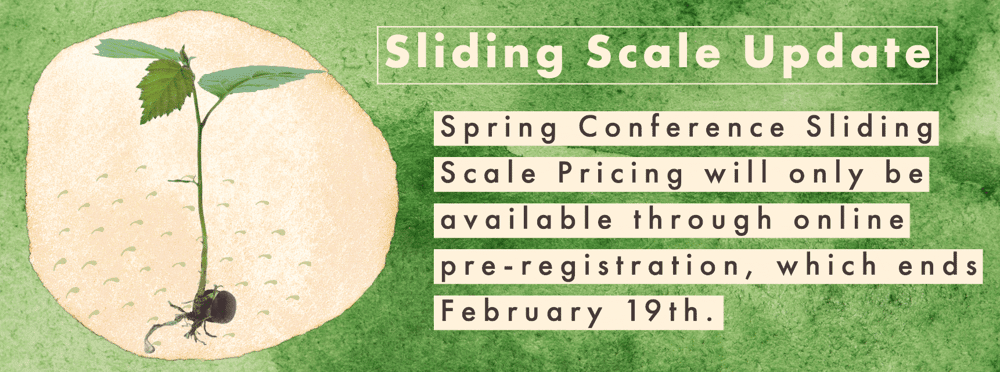
Sliding Scale Pricing for Spring Conference 2023
Feb 8 all-day
online

Screen Shot 2023-01-19 at 2.09.44 PM

For the past 30 years, the Organic Growers School Spring Conference has served as a gathering place for growers in Appalachia to connect, learn from one another, and deepen connections to land and community. The Spring Conference began as an entirely volunteer-run and free event and has expanded to support an organization of ten staff with year-round programming. As we have grown, we have experimented with different approaches to keeping the event affordable and accessible while also working on compensation for our speakers and supporting our growing staff. We encourage you to check out our recent blog post exploring this in more depth. This year, we are excited to be experimenting with sliding scale ticket pricing for the first time, and we wanted to take some time to explain how this works and why we decided to implement it this year.

Looking beyond scholarships

Over the past several years, we have started implementing different scholarship options. We have set aside around $3000 in our internal budget for scholarships, and we have increased our outreach to other groups in the area who have funding to support individuals to attend conferences. We also offer work-trade opportunities for people who are interested in helping out with our event in exchange for attendance. We have around 100 work-traders access the conference each year through these opportunities, but we have never used up our entire scholarship fund for the event. We know that there are many individuals in our community that we are not reaching through our scholarship opportunities. We began to wonder if scholarship applications were creating a barrier to participation and started researching other options, landing eventually on sliding scale as our preferred model.

How alternative pricing models address accessibility

The sliding scale model, which offers the opportunity for participants to select a price to pay for their ticket, meets several of the parameters we were looking for in an accessible pricing model. Most importantly, it is a seamless way for attendees to access the price that meets their needs. So many things are means-tested in our society, and it can be exhausting to justify why one needs a more affordable price point. While many of our community members need financial support, there are also members of this community who have more than enough to share and are excited about supporting their fellow co-learners. These attendees can select the higher end of the sliding scale, which will be set at a price to offset the lower price paid by other attendees. We trust our attendees to select the option that best works for them while also considering how their selection would affect the ability of other participants to access a lower price point.

Accessibility is a priority for OGS, and implementing it is a risk for us as a small non-profit, given that we rely on our large events like the Spring Conference to support our year-round programming and staff salaries. This will certainly be an experimental year, and if we are not able to secure enough income through sliding-scale registrations, we will have to rethink our approach to pricing. We trust that our community will be thoughtful in thinking about the value that this conference has to them and about what they are able to pay for at this time. Thank you for being on this journey of discovery with us!


ASAP’s Farm to Preschool Training 
Feb 8 @ 4:00 pm – 5:30 pm
online

photo

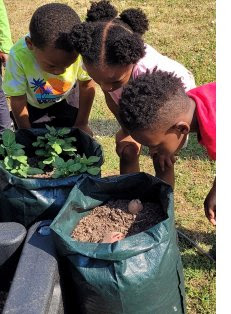
Students will eat what they grow! School gardens are an excellent tool for experiential learning and nutrition education. In this virtual workshop, early care and education professionals will be trained to establish farm to school gardens and to integrate gardening into state and national curriculum.

We will share resources to create or expand your garden program as well as tips and strategies for gardening with young children. We emphasize how to sustain a garden program by involving community partners, such as parents, farmers, college students, and agricultural professionals. Please register in advance for this meeting. After registering, you will receive a confirmation email containing information about joining the meeting.

Wednesday, August 17, 2022, 4-5:30pm Register here
Wednesday, October 12, 2022, 4-5:30pm Register here
Wednesday, February 8, 2023, 4-5:30pm Register here

Thursday, February 9, 2023
Journeyperson Program NOW FREE! 12-Month Farm Support Cohort
Feb 9 all-day
Organic Growers School

The upcoming Journeyperson course is now available AT NO COST! Due to some timely grant funding, we can offer this in-depth farmer training for farmers in years 3-7 with no associated tuition fee! The course consists of monthly cohort meet-ups and 2-3 in-depth workshops, plus mentorship!


In addition, a select number of participants will also receive matched FUNDS for your farm savings account (Savings Incentive Program) and money to spend on a professional development opportunity of your choosing! Want to attend a workshop on livestock management? OGS will contribute towards that fee! Are you saving money for a farm asset? OGS will contribute up to a certain amount to that investment.


The Journeyperson Program is for farmers who have been independently farming for three or more years and are serious about operating farm businesses in the Southern Appalachian region.

Join the Journeyperson Info Session on Zoom!

November 15th at 7:00 pm

Sign up here

Sliding Scale Pricing for Spring Conference 2023
Feb 9 all-day
online

Screen Shot 2023-01-19 at 2.09.44 PM

For the past 30 years, the Organic Growers School Spring Conference has served as a gathering place for growers in Appalachia to connect, learn from one another, and deepen connections to land and community. The Spring Conference began as an entirely volunteer-run and free event and has expanded to support an organization of ten staff with year-round programming. As we have grown, we have experimented with different approaches to keeping the event affordable and accessible while also working on compensation for our speakers and supporting our growing staff. We encourage you to check out our recent blog post exploring this in more depth. This year, we are excited to be experimenting with sliding scale ticket pricing for the first time, and we wanted to take some time to explain how this works and why we decided to implement it this year.

Looking beyond scholarships

Over the past several years, we have started implementing different scholarship options. We have set aside around $3000 in our internal budget for scholarships, and we have increased our outreach to other groups in the area who have funding to support individuals to attend conferences. We also offer work-trade opportunities for people who are interested in helping out with our event in exchange for attendance. We have around 100 work-traders access the conference each year through these opportunities, but we have never used up our entire scholarship fund for the event. We know that there are many individuals in our community that we are not reaching through our scholarship opportunities. We began to wonder if scholarship applications were creating a barrier to participation and started researching other options, landing eventually on sliding scale as our preferred model.

How alternative pricing models address accessibility

The sliding scale model, which offers the opportunity for participants to select a price to pay for their ticket, meets several of the parameters we were looking for in an accessible pricing model. Most importantly, it is a seamless way for attendees to access the price that meets their needs. So many things are means-tested in our society, and it can be exhausting to justify why one needs a more affordable price point. While many of our community members need financial support, there are also members of this community who have more than enough to share and are excited about supporting their fellow co-learners. These attendees can select the higher end of the sliding scale, which will be set at a price to offset the lower price paid by other attendees. We trust our attendees to select the option that best works for them while also considering how their selection would affect the ability of other participants to access a lower price point.

Accessibility is a priority for OGS, and implementing it is a risk for us as a small non-profit, given that we rely on our large events like the Spring Conference to support our year-round programming and staff salaries. This will certainly be an experimental year, and if we are not able to secure enough income through sliding-scale registrations, we will have to rethink our approach to pricing. We trust that our community will be thoughtful in thinking about the value that this conference has to them and about what they are able to pay for at this time. Thank you for being on this journey of discovery with us!


Valentine’s Burlesque Class ​
Feb 9 @ 7:00 pm – 8:30 pm
Black Mountain Center for the Arts

Time to schedule a Valentine’s date for yourself. During these two classes, you will learn and get to know the basics of classic burlesque dance as well as perfecting a dance routine. Please wear clothes you can move in, and bring a large button-down or sweatshirt as well as a scarf or wrap to play with!

Friday, February 10, 2023
Sliding Scale Pricing for Spring Conference 2023
Feb 10 all-day
online

Screen Shot 2023-01-19 at 2.09.44 PM

For the past 30 years, the Organic Growers School Spring Conference has served as a gathering place for growers in Appalachia to connect, learn from one another, and deepen connections to land and community. The Spring Conference began as an entirely volunteer-run and free event and has expanded to support an organization of ten staff with year-round programming. As we have grown, we have experimented with different approaches to keeping the event affordable and accessible while also working on compensation for our speakers and supporting our growing staff. We encourage you to check out our recent blog post exploring this in more depth. This year, we are excited to be experimenting with sliding scale ticket pricing for the first time, and we wanted to take some time to explain how this works and why we decided to implement it this year.

Looking beyond scholarships

Over the past several years, we have started implementing different scholarship options. We have set aside around $3000 in our internal budget for scholarships, and we have increased our outreach to other groups in the area who have funding to support individuals to attend conferences. We also offer work-trade opportunities for people who are interested in helping out with our event in exchange for attendance. We have around 100 work-traders access the conference each year through these opportunities, but we have never used up our entire scholarship fund for the event. We know that there are many individuals in our community that we are not reaching through our scholarship opportunities. We began to wonder if scholarship applications were creating a barrier to participation and started researching other options, landing eventually on sliding scale as our preferred model.

How alternative pricing models address accessibility

The sliding scale model, which offers the opportunity for participants to select a price to pay for their ticket, meets several of the parameters we were looking for in an accessible pricing model. Most importantly, it is a seamless way for attendees to access the price that meets their needs. So many things are means-tested in our society, and it can be exhausting to justify why one needs a more affordable price point. While many of our community members need financial support, there are also members of this community who have more than enough to share and are excited about supporting their fellow co-learners. These attendees can select the higher end of the sliding scale, which will be set at a price to offset the lower price paid by other attendees. We trust our attendees to select the option that best works for them while also considering how their selection would affect the ability of other participants to access a lower price point.

Accessibility is a priority for OGS, and implementing it is a risk for us as a small non-profit, given that we rely on our large events like the Spring Conference to support our year-round programming and staff salaries. This will certainly be an experimental year, and if we are not able to secure enough income through sliding-scale registrations, we will have to rethink our approach to pricing. We trust that our community will be thoughtful in thinking about the value that this conference has to them and about what they are able to pay for at this time. Thank you for being on this journey of discovery with us!


MUSES AND MOCKTAILS
Feb 10 @ 7:30 pm
White Horse Black Mountain

We invite you to drink in the nectar of our heart’s creative delight… A Love Potion by OMotion!

THE SHOW

A one of a kind unique multi-dimensional event !!!!

Muses & Mocktails is not only a show to indulge the senses; it is also a fundraiser for our next full length production, Cycles of Dance, coming up Autumn 2023!

Join us for an evening of potent performance art & herbal elixirs!

OMotion Collective & featured performers convene to share an infusion of musings woven together.

Highlighting:

  • Dance
  • Burlesque
  • Flow arts
  • Comedy
  • Poetry

– & –

  • Looping Musical Mastery

The mocktails being served are The MerTails curated by local purveyor: The NOHM. These herbaceous libations hold a sweet reminder to savor every drop of this creative healing elixir as we rejoice with a cheers.

———————————————–

THE AFTER-SHOW DANCE PARTY

The show will be followed by a dance party. Electronic sets by local talents Blacknote and Atum are sure to getcha’ moving once you’re bubbling with inspiration after the spectrum of expressive acts we have brewed up.

TIming conflicts or preference to just come after the main show & shake it on out? If you can’t make it to the main show, you can purchase a reduced price ticket which is only valid for the after-show Dance Party.

_________________________

Doors at 6:30pm

Show at 7:30pm

Dance Party 9:15pm

~~~~~~~~~~~~~

GENERAL ADMISSION: $33 per person – Full Access Show + Drink + Dance Party

VIP:  $88 for 2 persons – Full Access Show + Drink + Dance Party ( with reserved table for 2 with a decadent spread of fruits, nuts & local chocolate)

DANCE PARTY ONLY: $22 per person – Admittance following the end of the main show

HARRY’S HOUSE PARTY with DJ Molly Parti
Feb 10 @ 9:00 pm
The Orange Peel

Get ready for some Late Night Talking as DJ Molly Parti spins all of Harry’s hits from The Orange Peel stage. Grab some friends who Adore You and come sing and dance along to your favorite songs from Harry Styles!

Saturday, February 11, 2023
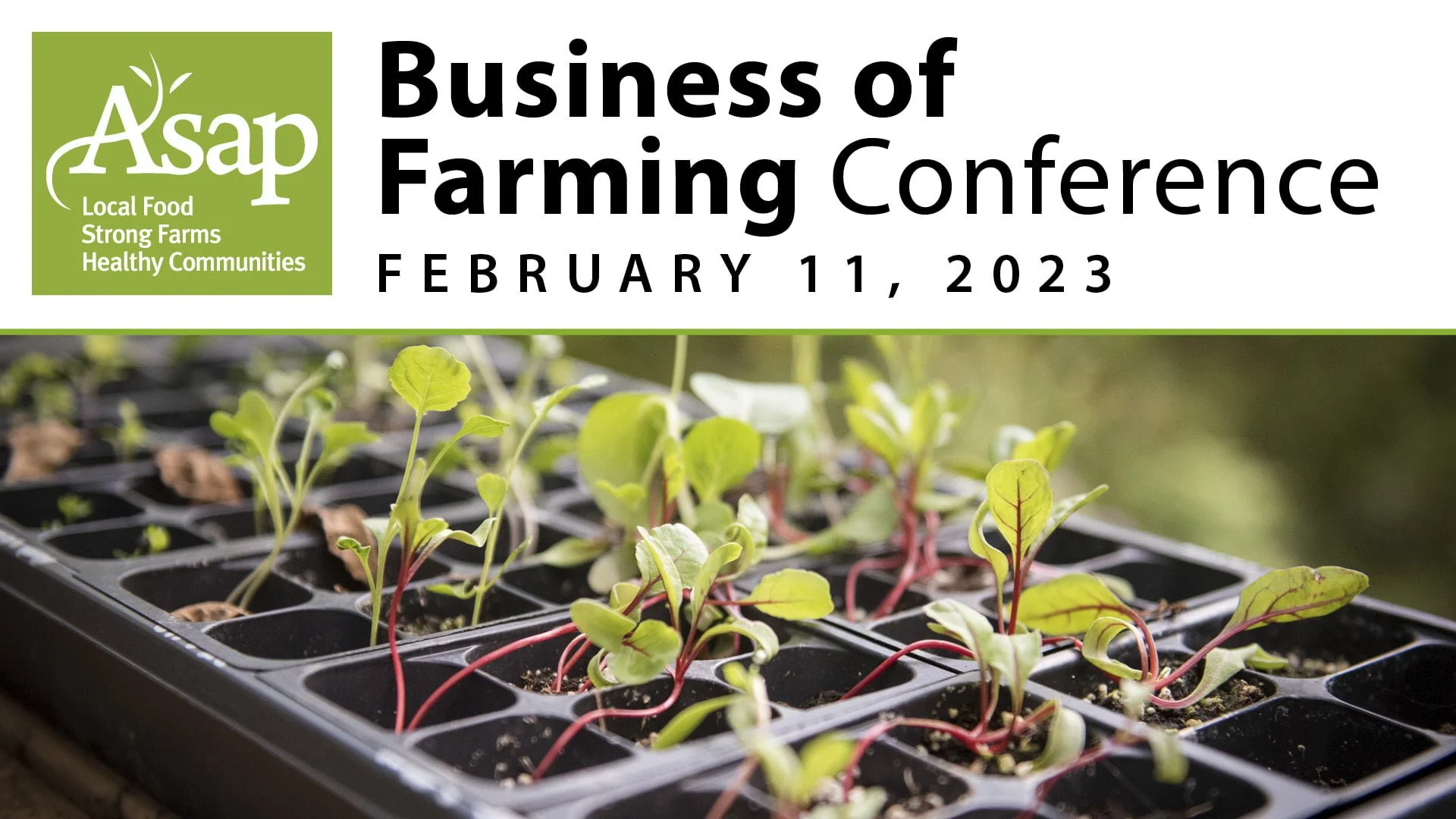
ASAP’s Business of Farming Conference
Feb 11 all-day
A-B Tech Conference Center

About the Business of Farming Conference

ASAP’s 2023 Business of Farming Conference will take place on Saturday, Feb. 11, at the A-B Tech Conference Center in Asheville. 

ASAP’s Annual Business of Farming Conference brings together professional farmers from across the Southeast region to network and share resources to grow their farm businesses. Farmers learn about marketing, business planning, and financial management from regional experts and innovative peers. The conference is designed for beginning and established farmers as well as those seriously considering farming as a profession. Scholarships are available for BIPOC and limited-resource farmers. Find out more and apply.

Interested in sponsoring the conference? Sponsorships are a great way to get your product or services in front of farmers and establish you as a leader of the local food movement. Contact Nora Scheff for details.

Interested in being an exhibitor at the conference? Exhibitors can connect directly with more than 200 farmers and agricultural professionals. Fill out an exhibitor application.

Workshops for Beginning and Established Farmers

Choose from workshops on business planning, farm financials, marketing, branding, legal considerations, and much more, led by regional business and marketing professionals and innovative farmers. Workshops for the 2023 conference will be announced in December. You may view workshop descriptions from the 2022 conference on the workshop page. Typically workshops are rotated regularly with some new workshops offered each year.

Grower-Buyer Meeting

Meet with restaurant owners, chefs, distributors, and grocers to discuss sourcing and possible matches between what you produce and what each buyer needs. (It’s like speed dating for local sourcing!) Many farmers have made connections with participating buyers, and many more have improved their ability to serve wholesale accounts. Find out more.

Farmers Market Summit

The summit brings together farmers market managers from across the Appalachian Grown region for peer-sharing, technical assistance support, and annual planning. The summit is free for market leadership, but does require pre-registration. Each market may send two representatives to the summit. Contact Mike McCreary to learn more.

Networking and 1:1 Consulting

Attendees have the opportunity to meet, connect, and form supportive relationships. Experts are available to provide your farm with individual support on a variety of business, legal, marketing, and management topics.

Exhibitors Hall

Connect with representatives from a variety of regional agricultural and business services in our exhibitor hall.

Building Racial Equity in Land, Food, and Health Systems
Feb 11 all-day
Dreaming Stone Arts and Ecology Center

This training is led by Community Food Strategies and is geared toward community leaders, educators, and folks working in the food system. We will look at how racial inequity is perpetuated by institutional and structural systems and is normalized to the extent of being nearly invisible. Simultaneously, our country’s agricultural system has an unacknowledged debt to Black, Indigenous and people of color. Together, we will build understanding around historical and current impacts of structural racism on our food and agricultural systems.

Instructors will share best practices and challenges around engaging racial equity personally, institutionally and culturally. You will leave this training with greater awareness of our shared history, of our interconnected liberation and healing, and a greater capacity to address all forms of marginalization and undo food system inequities to the benefit of all.

Lunch is provided. Space is limited to 35. Register and RSVP at dreamingstone.org/upcoming.

We will follow state regulations with COVID protocols and will keep participants informed before and after the event concerning any heightened risks, or protocol changes.

Journeyperson Program NOW FREE! 12-Month Farm Support Cohort
Feb 11 all-day
Organic Growers School

The upcoming Journeyperson course is now available AT NO COST! Due to some timely grant funding, we can offer this in-depth farmer training for farmers in years 3-7 with no associated tuition fee! The course consists of monthly cohort meet-ups and 2-3 in-depth workshops, plus mentorship!


In addition, a select number of participants will also receive matched FUNDS for your farm savings account (Savings Incentive Program) and money to spend on a professional development opportunity of your choosing! Want to attend a workshop on livestock management? OGS will contribute towards that fee! Are you saving money for a farm asset? OGS will contribute up to a certain amount to that investment.


The Journeyperson Program is for farmers who have been independently farming for three or more years and are serious about operating farm businesses in the Southern Appalachian region.

Join the Journeyperson Info Session on Zoom!

November 15th at 7:00 pm

Sign up here

Sliding Scale Pricing for Spring Conference 2023
Feb 11 all-day
online

Screen Shot 2023-01-19 at 2.09.44 PM

For the past 30 years, the Organic Growers School Spring Conference has served as a gathering place for growers in Appalachia to connect, learn from one another, and deepen connections to land and community. The Spring Conference began as an entirely volunteer-run and free event and has expanded to support an organization of ten staff with year-round programming. As we have grown, we have experimented with different approaches to keeping the event affordable and accessible while also working on compensation for our speakers and supporting our growing staff. We encourage you to check out our recent blog post exploring this in more depth. This year, we are excited to be experimenting with sliding scale ticket pricing for the first time, and we wanted to take some time to explain how this works and why we decided to implement it this year.

Looking beyond scholarships

Over the past several years, we have started implementing different scholarship options. We have set aside around $3000 in our internal budget for scholarships, and we have increased our outreach to other groups in the area who have funding to support individuals to attend conferences. We also offer work-trade opportunities for people who are interested in helping out with our event in exchange for attendance. We have around 100 work-traders access the conference each year through these opportunities, but we have never used up our entire scholarship fund for the event. We know that there are many individuals in our community that we are not reaching through our scholarship opportunities. We began to wonder if scholarship applications were creating a barrier to participation and started researching other options, landing eventually on sliding scale as our preferred model.

How alternative pricing models address accessibility

The sliding scale model, which offers the opportunity for participants to select a price to pay for their ticket, meets several of the parameters we were looking for in an accessible pricing model. Most importantly, it is a seamless way for attendees to access the price that meets their needs. So many things are means-tested in our society, and it can be exhausting to justify why one needs a more affordable price point. While many of our community members need financial support, there are also members of this community who have more than enough to share and are excited about supporting their fellow co-learners. These attendees can select the higher end of the sliding scale, which will be set at a price to offset the lower price paid by other attendees. We trust our attendees to select the option that best works for them while also considering how their selection would affect the ability of other participants to access a lower price point.

Accessibility is a priority for OGS, and implementing it is a risk for us as a small non-profit, given that we rely on our large events like the Spring Conference to support our year-round programming and staff salaries. This will certainly be an experimental year, and if we are not able to secure enough income through sliding-scale registrations, we will have to rethink our approach to pricing. We trust that our community will be thoughtful in thinking about the value that this conference has to them and about what they are able to pay for at this time. Thank you for being on this journey of discovery with us!


ASAP Business of Farming Conference
Feb 11 @ 8:00 am – 4:00 pm
A-B Tech Conference Center

ASAP’s Annual Business of Farming Conference brings together professional farmers from across the Southeast region to network and share resources to grow their farm businesses. Farmers learn about marketing, business planning, and financial management from regional experts and innovative peers. The conference is designed for beginning and established farmers as well as those seriously considering farming as a profession. Scholarships are available for BIPOC and limited-resource farmers. Find out more and apply.

Interested in sponsoring the conference? Sponsorships are a great way to get your product or services in front of farmers and establish you as a leader of the local food movement. Contact Nora Scheff for details.

Interested in being an exhibitor at the conference? Exhibitors can connect directly with more than 200 farmers and agricultural professionals. Fill out an exhibitor application.

Workshops for Beginning and Established Farmers

Choose from workshops on business planning, farm financials, marketing, branding, legal considerations, and much more, led by regional business and marketing professionals and innovative farmers. Workshops are rotated regularly with some new workshops offered each year. See a preview of 2023 workshops here (additional workshops and speakers will be added).

Grower-Buyer Meeting

Meet with restaurant owners, chefs, distributors, and grocers to discuss sourcing and possible matches between what you produce and what each buyer needs. (It’s like speed dating for local sourcing!) Many farmers have made connections with participating buyers, and many more have improved their ability to serve wholesale accounts. Find out more.

Farmers Market Summit

The summit brings together farmers market managers from across the Appalachian Grown region for peer-sharing, technical assistance support, and annual planning. The summit is free for market leadership, but does require pre-registration. Each market may send two representatives to the summit. Contact Mike McCreary to learn more.

Networking and 1:1 Consulting

Attendees have the opportunity to meet, connect, and form supportive relationships. Experts are available to provide your farm with individual support on a variety of business, legal, marketing, and management topics.

Exhibitors Hall

Connect with representatives from a variety of regional agricultural and business services in our exhibitor hall.

Farm Dreams
Feb 11 @ 10:00 am – 4:00 pm
Creekside Farm and Education Center, Arden, NC

If you’re in the exploratory stages of starting your own farm, this entry-level workshop is designed just for you.
You will receive practical, common-sense information on sustainable farming and how to move forward.


Learn about sustainable farming careers in Western North Carolina.

Discover and assess your resources, skills and farming intentions.

Begin to develop an educational plan toward farming.

Connect with regional training opportunities and support networks.

Prioritize your next steps toward your farming goals.

Hear from experienced farmers running successful farms in WNC.

Gina has worked in agriculture for over 15 years and has spent seven years as an experiential educator for North Carolina Outward Bound and other schools.  Along the way, she earned a master’s in environmental studies focused on sustainable agriculture and has Master Gardener, Permaculture Design, and Master Meat Goat Producer certifications.  Combining her knowledge in experiential education and sustainable agriculture, she found a niche working with colleges wishing to create educational farms and curricula in sustainable agriculture.

She has a depth of experience raising grass-fed cattle, sheep, goats, and laying hens for the institutions she has worked for and her own farm. Gina has owned and operated Sparrow Hill Farm since 2016 in Candler, where she lives with her daughter and raises heritage breed sheep. She also offers coaching services for beginning farmers.

HOME + GARDEN SHOW + SENIOR EXPO
Feb 11 @ 10:00 am
Spartanburg Memorial Auditorium
The Orange Peel + The Hop Present KID HOP HOORAY! with DJ Oso Rey
Feb 11 @ 10:00 am
The Orange Peel
Open Floor Dance Party for Kids with Live DJ: DJ Oso Rey!
Drop in anytime.
Playing family-friendly dance music for family wintertime fun/
There will be FREE Glow accessories for your little dancers, plenty of room to run, dance, and get their sillies out while it’s cold outside, and snacks for purchase the Hop Ice Creamery!  And of course, The Orange Peel bar will be open for mom and dad’s refreshments (and/or kids‘ juice boxes)
Padded area available for crawlers and new walkers to play and explore.
12 and under are only $2 (babies under 2 years old are free) and everyone else is $6.

Ticket price includes applicable sales tax.

Make Your Own Meadow Workshop
Feb 11 @ 1:00 pm – 3:00 pm
Ag and Land Resources Building

Are you interested in establishing a meadow, pocket prairie, or native grassland themed planting on your property? Nathan Buchanan, of Wildbud Natives, will cover the whys, wheres, and hows of establishing a meadow-themed planting. From planning, plant selection, preparation approaches, and ways to plant and manage, we’ll give you a basic toolkit to be ready to establish a beautiful, vibrant, and living habitat on your property. This will be a great way to figure out how to incorporate the beautiful native grasses that will be offered at the upcoming Buncombe County Soil and Water seedling sale!

Note: Please be prepared to spend a portion of the session outside and dress comfortably for the weather.

Sunday, February 12, 2023
Journeyperson Program NOW FREE! 12-Month Farm Support Cohort
Feb 12 all-day
Organic Growers School

The upcoming Journeyperson course is now available AT NO COST! Due to some timely grant funding, we can offer this in-depth farmer training for farmers in years 3-7 with no associated tuition fee! The course consists of monthly cohort meet-ups and 2-3 in-depth workshops, plus mentorship!


In addition, a select number of participants will also receive matched FUNDS for your farm savings account (Savings Incentive Program) and money to spend on a professional development opportunity of your choosing! Want to attend a workshop on livestock management? OGS will contribute towards that fee! Are you saving money for a farm asset? OGS will contribute up to a certain amount to that investment.


The Journeyperson Program is for farmers who have been independently farming for three or more years and are serious about operating farm businesses in the Southern Appalachian region.

Join the Journeyperson Info Session on Zoom!

November 15th at 7:00 pm

Sign up here

Sliding Scale Pricing for Spring Conference 2023
Feb 12 all-day
online

Screen Shot 2023-01-19 at 2.09.44 PM

For the past 30 years, the Organic Growers School Spring Conference has served as a gathering place for growers in Appalachia to connect, learn from one another, and deepen connections to land and community. The Spring Conference began as an entirely volunteer-run and free event and has expanded to support an organization of ten staff with year-round programming. As we have grown, we have experimented with different approaches to keeping the event affordable and accessible while also working on compensation for our speakers and supporting our growing staff. We encourage you to check out our recent blog post exploring this in more depth. This year, we are excited to be experimenting with sliding scale ticket pricing for the first time, and we wanted to take some time to explain how this works and why we decided to implement it this year.

Looking beyond scholarships

Over the past several years, we have started implementing different scholarship options. We have set aside around $3000 in our internal budget for scholarships, and we have increased our outreach to other groups in the area who have funding to support individuals to attend conferences. We also offer work-trade opportunities for people who are interested in helping out with our event in exchange for attendance. We have around 100 work-traders access the conference each year through these opportunities, but we have never used up our entire scholarship fund for the event. We know that there are many individuals in our community that we are not reaching through our scholarship opportunities. We began to wonder if scholarship applications were creating a barrier to participation and started researching other options, landing eventually on sliding scale as our preferred model.

How alternative pricing models address accessibility

The sliding scale model, which offers the opportunity for participants to select a price to pay for their ticket, meets several of the parameters we were looking for in an accessible pricing model. Most importantly, it is a seamless way for attendees to access the price that meets their needs. So many things are means-tested in our society, and it can be exhausting to justify why one needs a more affordable price point. While many of our community members need financial support, there are also members of this community who have more than enough to share and are excited about supporting their fellow co-learners. These attendees can select the higher end of the sliding scale, which will be set at a price to offset the lower price paid by other attendees. We trust our attendees to select the option that best works for them while also considering how their selection would affect the ability of other participants to access a lower price point.

Accessibility is a priority for OGS, and implementing it is a risk for us as a small non-profit, given that we rely on our large events like the Spring Conference to support our year-round programming and staff salaries. This will certainly be an experimental year, and if we are not able to secure enough income through sliding-scale registrations, we will have to rethink our approach to pricing. We trust that our community will be thoughtful in thinking about the value that this conference has to them and about what they are able to pay for at this time. Thank you for being on this journey of discovery with us!


HOME + GARDEN SHOW + SENIOR EXPO
Feb 12 @ 10:00 am
Spartanburg Memorial Auditorium
Sowing Circle Presents: Starting Seeds with John Bowen
Feb 12 @ 10:33 pm – 11:33 pm
Black Mountain Library

Master Gardener, John Bowen kicks off the opening of the Sowing Circle season! He’ll offer instructions and tips on starting your seeds.
The Friends of the Library will have seed starting kits available for participants as well as seeds to take home.

**This is an in-person event

Monday, February 13, 2023
Sliding Scale Pricing for Spring Conference 2023
Feb 13 all-day
online

Screen Shot 2023-01-19 at 2.09.44 PM

For the past 30 years, the Organic Growers School Spring Conference has served as a gathering place for growers in Appalachia to connect, learn from one another, and deepen connections to land and community. The Spring Conference began as an entirely volunteer-run and free event and has expanded to support an organization of ten staff with year-round programming. As we have grown, we have experimented with different approaches to keeping the event affordable and accessible while also working on compensation for our speakers and supporting our growing staff. We encourage you to check out our recent blog post exploring this in more depth. This year, we are excited to be experimenting with sliding scale ticket pricing for the first time, and we wanted to take some time to explain how this works and why we decided to implement it this year.

Looking beyond scholarships

Over the past several years, we have started implementing different scholarship options. We have set aside around $3000 in our internal budget for scholarships, and we have increased our outreach to other groups in the area who have funding to support individuals to attend conferences. We also offer work-trade opportunities for people who are interested in helping out with our event in exchange for attendance. We have around 100 work-traders access the conference each year through these opportunities, but we have never used up our entire scholarship fund for the event. We know that there are many individuals in our community that we are not reaching through our scholarship opportunities. We began to wonder if scholarship applications were creating a barrier to participation and started researching other options, landing eventually on sliding scale as our preferred model.

How alternative pricing models address accessibility

The sliding scale model, which offers the opportunity for participants to select a price to pay for their ticket, meets several of the parameters we were looking for in an accessible pricing model. Most importantly, it is a seamless way for attendees to access the price that meets their needs. So many things are means-tested in our society, and it can be exhausting to justify why one needs a more affordable price point. While many of our community members need financial support, there are also members of this community who have more than enough to share and are excited about supporting their fellow co-learners. These attendees can select the higher end of the sliding scale, which will be set at a price to offset the lower price paid by other attendees. We trust our attendees to select the option that best works for them while also considering how their selection would affect the ability of other participants to access a lower price point.

Accessibility is a priority for OGS, and implementing it is a risk for us as a small non-profit, given that we rely on our large events like the Spring Conference to support our year-round programming and staff salaries. This will certainly be an experimental year, and if we are not able to secure enough income through sliding-scale registrations, we will have to rethink our approach to pricing. We trust that our community will be thoughtful in thinking about the value that this conference has to them and about what they are able to pay for at this time. Thank you for being on this journey of discovery with us!


The Learning Garden: A Hub of Gardening Education in 2023
Feb 13 all-day
Buncombe County Extension Office

After six years of hard work, the dream of using The Learning Garden as a hub for public gardening education is finally a reality. The Learning Garden, located at the Extension Office, 49 Mt. Carmel Road, is offering the public the opportunity to Visit and Learn in the garden on selected 2nd and 4th Thursdays, February – October. The Thursday in-person programs will consist of five garden-specific series. Visitors can walk around before or after the program and soak in our lovely gardens. Our gardens will open at 9:00 a.m. and all the demonstration programs run between 10-11:30 a.m.  To ensure a good learning experience, attendance will be limited and registration will be required.

Dahlia_labbradolci_CC BY-NC 2.0_Flickr

Dahlia Series
February 23
 – Getting Your Dahlias Ready for Planting
August 3
 – Disbudding Dahlias for Better Blooms
October 26 – Dividing and Storing Dahlias


Naturally dyed cotton_by Lucia Garcia Gonzalez_CC 1.0_Flickr

Dye Garden Series
May 4 – Planning Your Dye Garden
June 22 – Introduction to Natural Dyeing
July 27 – Fresh Indigo
August 24 – Botanical Printing: Printing with Leaves and Flowers
September 28 – Dyeing with Hopi Black Sunflower
November 9 – The Magic of Indigo

Rose Garden Series
March 9 – Pruning Roses
April 6 – Climbing Roses
April 13 – Rose Pests and Pathogens
May 20 – Growing Beautiful Roses (Saturday Seminar)


Sun & Shade Garden Series
May 11 – Planting a Native Butterfly Host Plant Garden
June 29 – Foodscaping Edible Plants in Flower Beds
August 31 – Dealing with “the Good, the Bad, and the Ugly” Plants
Sept 14 – Native Butterfly Life Cycles in the Fall Garden


Vegetable Garden Series
March 23
 – Building an ADA Compliant Raised Garden
April 26
 – Planting Root Crops: Leeks, Onions, Carrots, Parsnips
May 25 – Planting a Seed Saving Garden
June 8 – Common Vegetable Garden Pests
July 13 – Kid Friendly Gardening
                                       August 10 – Preserving Your Vegetable Harvest

In addition to the Thursday programs listed above, The Learning Garden will present a series of ninety minute (+/-) hands-on seminars covering various gardening topics. These in-person programs will be held at The Learning Garden on selected Saturday mornings, February – September.

Saturday Seminars
February 18 – Tool Selection and Sharpening
March 18 – Pruning Trees and Shrubs
April 22 – Gardening for the Birds
May 20 – Growing Beautiful Roses
June 17 – Pollinator Plants in The Learning Garden
September 16 – Bulbs for All Seasons

Each of the programs in The Learning Garden will be announced individually through this blog and on our website two weeks before each program.  Each announcement will include instructions on how to register. Mark your calendar and register to attend as many as you can.

Tuesday, February 14, 2023
Gardening Video: Garden Conifers and Evergreens
Feb 14 all-day
online

Presenter: Bruce Appeldoorn – Appeldoorn Landscape Nursery

Bruce Appeldoorn, a life-long nurseryman and the owner of Appeldoorn Landscape Nursery, will share with us some of the best conifers for Western North Carolina gardens. You will see his favorite low-maintenance, long-lived choices based on his 45 years of nursery experience.

Journeyperson Program NOW FREE! 12-Month Farm Support Cohort
Feb 14 all-day
Organic Growers School

The upcoming Journeyperson course is now available AT NO COST! Due to some timely grant funding, we can offer this in-depth farmer training for farmers in years 3-7 with no associated tuition fee! The course consists of monthly cohort meet-ups and 2-3 in-depth workshops, plus mentorship!


In addition, a select number of participants will also receive matched FUNDS for your farm savings account (Savings Incentive Program) and money to spend on a professional development opportunity of your choosing! Want to attend a workshop on livestock management? OGS will contribute towards that fee! Are you saving money for a farm asset? OGS will contribute up to a certain amount to that investment.


The Journeyperson Program is for farmers who have been independently farming for three or more years and are serious about operating farm businesses in the Southern Appalachian region.

Join the Journeyperson Info Session on Zoom!

November 15th at 7:00 pm

Sign up here

Sliding Scale Pricing for Spring Conference 2023
Feb 14 all-day
online

Screen Shot 2023-01-19 at 2.09.44 PM

For the past 30 years, the Organic Growers School Spring Conference has served as a gathering place for growers in Appalachia to connect, learn from one another, and deepen connections to land and community. The Spring Conference began as an entirely volunteer-run and free event and has expanded to support an organization of ten staff with year-round programming. As we have grown, we have experimented with different approaches to keeping the event affordable and accessible while also working on compensation for our speakers and supporting our growing staff. We encourage you to check out our recent blog post exploring this in more depth. This year, we are excited to be experimenting with sliding scale ticket pricing for the first time, and we wanted to take some time to explain how this works and why we decided to implement it this year.

Looking beyond scholarships

Over the past several years, we have started implementing different scholarship options. We have set aside around $3000 in our internal budget for scholarships, and we have increased our outreach to other groups in the area who have funding to support individuals to attend conferences. We also offer work-trade opportunities for people who are interested in helping out with our event in exchange for attendance. We have around 100 work-traders access the conference each year through these opportunities, but we have never used up our entire scholarship fund for the event. We know that there are many individuals in our community that we are not reaching through our scholarship opportunities. We began to wonder if scholarship applications were creating a barrier to participation and started researching other options, landing eventually on sliding scale as our preferred model.

How alternative pricing models address accessibility

The sliding scale model, which offers the opportunity for participants to select a price to pay for their ticket, meets several of the parameters we were looking for in an accessible pricing model. Most importantly, it is a seamless way for attendees to access the price that meets their needs. So many things are means-tested in our society, and it can be exhausting to justify why one needs a more affordable price point. While many of our community members need financial support, there are also members of this community who have more than enough to share and are excited about supporting their fellow co-learners. These attendees can select the higher end of the sliding scale, which will be set at a price to offset the lower price paid by other attendees. We trust our attendees to select the option that best works for them while also considering how their selection would affect the ability of other participants to access a lower price point.

Accessibility is a priority for OGS, and implementing it is a risk for us as a small non-profit, given that we rely on our large events like the Spring Conference to support our year-round programming and staff salaries. This will certainly be an experimental year, and if we are not able to secure enough income through sliding-scale registrations, we will have to rethink our approach to pricing. We trust that our community will be thoughtful in thinking about the value that this conference has to them and about what they are able to pay for at this time. Thank you for being on this journey of discovery with us!


Breathing Under Water: Spirituality and the 12 Steps
Feb 14 @ 6:00 pm – 7:30 pm
Asheville Yoga Center

This 6-week workshop series is inspired by Richard Rohr’s, “Breathing Under Water: Spirituality and the Twelve Steps”. Throughout this series, we will explore The Twelve Steps as described in this powerful book and how they connect with Spirituality and Yoga. Join instructor, Rosie Mulford, as she takes you on a journey to gain a deeper understanding of how the ancient principles in the Gospels and the modern-day Twelve Steps can help to free those who struggle with addiction.

Interweaving yogic philosophy and asana to “connect the dots,” this 6-week workshop will include discussion, movement, pranayama and relaxation.

This course is open to all recovery paths or anyone affected by addiction and no prior yoga experience is required.

We will unpack 3 major principles of addiction:

1. We all have a universal addiction to the way we think 2. We must recognize that we are already that which we seek to become and we already have that which we desire 3. We need to rid ourselves of the heaviness of the ego in order to see what we are and what we have

Wednesday, February 15, 2023
Gardening Video: Garden Conifers and Evergreens
Feb 15 all-day
online

Presenter: Bruce Appeldoorn – Appeldoorn Landscape Nursery

Bruce Appeldoorn, a life-long nurseryman and the owner of Appeldoorn Landscape Nursery, will share with us some of the best conifers for Western North Carolina gardens. You will see his favorite low-maintenance, long-lived choices based on his 45 years of nursery experience.

Sliding Scale Pricing for Spring Conference 2023
Feb 15 all-day
online

Screen Shot 2023-01-19 at 2.09.44 PM

For the past 30 years, the Organic Growers School Spring Conference has served as a gathering place for growers in Appalachia to connect, learn from one another, and deepen connections to land and community. The Spring Conference began as an entirely volunteer-run and free event and has expanded to support an organization of ten staff with year-round programming. As we have grown, we have experimented with different approaches to keeping the event affordable and accessible while also working on compensation for our speakers and supporting our growing staff. We encourage you to check out our recent blog post exploring this in more depth. This year, we are excited to be experimenting with sliding scale ticket pricing for the first time, and we wanted to take some time to explain how this works and why we decided to implement it this year.

Looking beyond scholarships

Over the past several years, we have started implementing different scholarship options. We have set aside around $3000 in our internal budget for scholarships, and we have increased our outreach to other groups in the area who have funding to support individuals to attend conferences. We also offer work-trade opportunities for people who are interested in helping out with our event in exchange for attendance. We have around 100 work-traders access the conference each year through these opportunities, but we have never used up our entire scholarship fund for the event. We know that there are many individuals in our community that we are not reaching through our scholarship opportunities. We began to wonder if scholarship applications were creating a barrier to participation and started researching other options, landing eventually on sliding scale as our preferred model.

How alternative pricing models address accessibility

The sliding scale model, which offers the opportunity for participants to select a price to pay for their ticket, meets several of the parameters we were looking for in an accessible pricing model. Most importantly, it is a seamless way for attendees to access the price that meets their needs. So many things are means-tested in our society, and it can be exhausting to justify why one needs a more affordable price point. While many of our community members need financial support, there are also members of this community who have more than enough to share and are excited about supporting their fellow co-learners. These attendees can select the higher end of the sliding scale, which will be set at a price to offset the lower price paid by other attendees. We trust our attendees to select the option that best works for them while also considering how their selection would affect the ability of other participants to access a lower price point.

Accessibility is a priority for OGS, and implementing it is a risk for us as a small non-profit, given that we rely on our large events like the Spring Conference to support our year-round programming and staff salaries. This will certainly be an experimental year, and if we are not able to secure enough income through sliding-scale registrations, we will have to rethink our approach to pricing. We trust that our community will be thoughtful in thinking about the value that this conference has to them and about what they are able to pay for at this time. Thank you for being on this journey of discovery with us!


The Learning Garden: A Hub of Gardening Education in 2023
Feb 15 all-day
Buncombe County Extension Office

After six years of hard work, the dream of using The Learning Garden as a hub for public gardening education is finally a reality. The Learning Garden, located at the Extension Office, 49 Mt. Carmel Road, is offering the public the opportunity to Visit and Learn in the garden on selected 2nd and 4th Thursdays, February – October. The Thursday in-person programs will consist of five garden-specific series. Visitors can walk around before or after the program and soak in our lovely gardens. Our gardens will open at 9:00 a.m. and all the demonstration programs run between 10-11:30 a.m.  To ensure a good learning experience, attendance will be limited and registration will be required.

Dahlia_labbradolci_CC BY-NC 2.0_Flickr

Dahlia Series
February 23
 – Getting Your Dahlias Ready for Planting
August 3
 – Disbudding Dahlias for Better Blooms
October 26 – Dividing and Storing Dahlias


Naturally dyed cotton_by Lucia Garcia Gonzalez_CC 1.0_Flickr

Dye Garden Series
May 4 – Planning Your Dye Garden
June 22 – Introduction to Natural Dyeing
July 27 – Fresh Indigo
August 24 – Botanical Printing: Printing with Leaves and Flowers
September 28 – Dyeing with Hopi Black Sunflower
November 9 – The Magic of Indigo

Rose Garden Series
March 9 – Pruning Roses
April 6 – Climbing Roses
April 13 – Rose Pests and Pathogens
May 20 – Growing Beautiful Roses (Saturday Seminar)


Sun & Shade Garden Series
May 11 – Planting a Native Butterfly Host Plant Garden
June 29 – Foodscaping Edible Plants in Flower Beds
August 31 – Dealing with “the Good, the Bad, and the Ugly” Plants
Sept 14 – Native Butterfly Life Cycles in the Fall Garden


Vegetable Garden Series
March 23
 – Building an ADA Compliant Raised Garden
April 26
 – Planting Root Crops: Leeks, Onions, Carrots, Parsnips
May 25 – Planting a Seed Saving Garden
June 8 – Common Vegetable Garden Pests
July 13 – Kid Friendly Gardening
                                       August 10 – Preserving Your Vegetable Harvest

In addition to the Thursday programs listed above, The Learning Garden will present a series of ninety minute (+/-) hands-on seminars covering various gardening topics. These in-person programs will be held at The Learning Garden on selected Saturday mornings, February – September.

Saturday Seminars
February 18 – Tool Selection and Sharpening
March 18 – Pruning Trees and Shrubs
April 22 – Gardening for the Birds
May 20 – Growing Beautiful Roses
June 17 – Pollinator Plants in The Learning Garden
September 16 – Bulbs for All Seasons

Each of the programs in The Learning Garden will be announced individually through this blog and on our website two weeks before each program.  Each announcement will include instructions on how to register. Mark your calendar and register to attend as many as you can.