

Calendar of Events
Upcoming events and things to do in Asheville, NC. Below is a list of events for festivals, concerts, art exhibitions, group meetups and more.
Interested in adding an event to our calendar? Please click the green “Post Your Event” button below.

This class will be offered in person on the ACT Mainstage, following all the recommended protocols for safety and sanitation. Limited to 10 students. For ages 18+.
This course covers the fundamentals of improvisational acting with an emphasis on comedy; such as listening, commitment, intuitive reaction, as well as recognizing and capitalizing on emerging patterns. Final showcase to be held on Friday, May 27, 2022. Tuition will be $180.00 – payment plans and scholarships will both be available.
Ages 18+ April 18- May 23, 2022 | Mondays at 6:30-8:30 PM
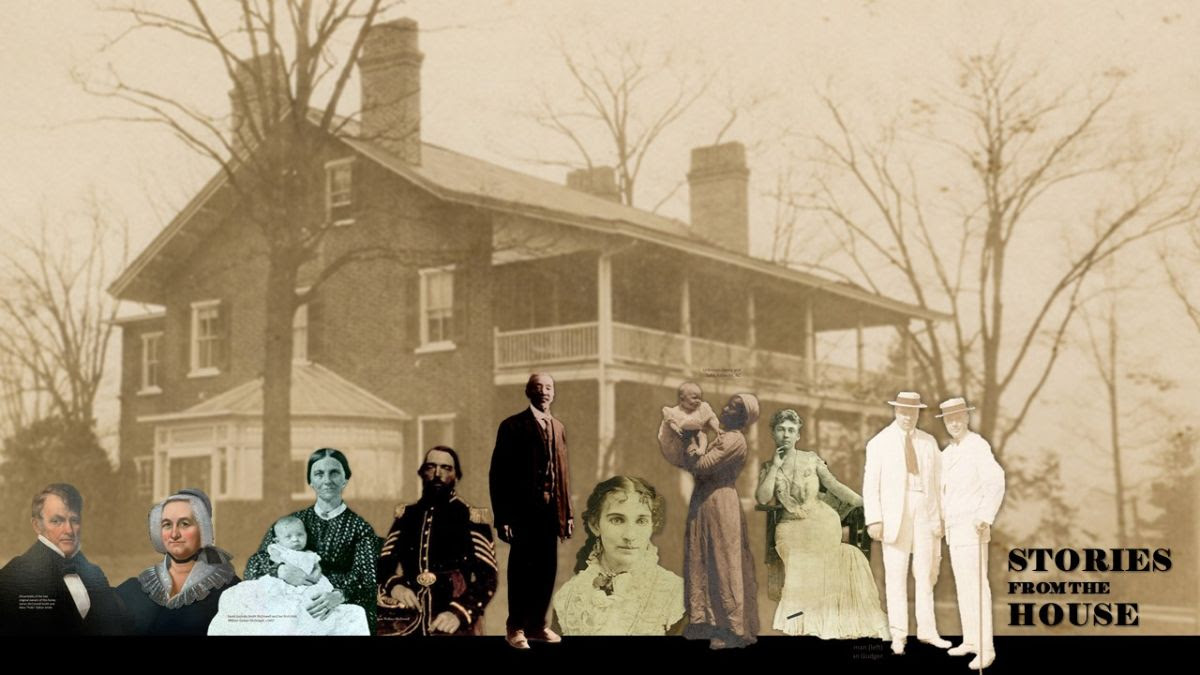
Old Shiloh was one of Asheville’s first communities established by emancipated people. The community moved to its present-day location – New Shiloh – after George Vanderbilt, in an effort to expand his land holdings as he planned to build his Biltmore Estate, purchased the land and buildings and agreed to relocate the Shiloh church and cemetery.


No cost due to sponsor support
Google is an excellent way to connect customers to your small business. Learn how to grow and protect your business online brand in 2022 with new ways to better connect with potential and existing customers through using Google “free” products: Alert, Analytics, Calendar, Gmail, Maps, Google My Business, Search, Translate, YouTube while being more organized and efficient.
Speaker(s): Gary Heisey
Co-Sponsor(s): Henderson County Chamber of Commerce, Brevard/Transylvania Chamber of Commerce
Webinar info will be emailed after registration
Ages 18+ April 19-May 24, 2022 | Tuesdays at 6:30-8:30 PM
This class will be offered in person on the ACT Mainstage, following all the recommended protocols for safety and sanitation. Limited to 10 students. For ages 18+.
PREREQUISITE: Improv I or extensive improv experience (*must be pre-approved by instructor)
Improv II reinforces all of the skills learned in Improv 1 by applying those skills to advanced scene work, character creation structures, and at times intentionally conflict-filled scenarios. Final showcase to be held on Friday, May 27, 2022. Tuition will be $180.00 – payment plans and scholarships will both be available.
Registration for this class will open on Wednesday, March 16 at 10:00 am.
Old Shiloh was one of Asheville’s first communities established by emancipated people. The community moved to its present-day location – New Shiloh – after George Vanderbilt, in an effort to expand his land holdings as he planned to build his Biltmore Estate, purchased the land and buildings and agreed to relocate the Shiloh church and cemetery.
|
Take your Business to the Next Level with the Mission Accelerator Program
|
Companies in 2022 will face a business landscape disrupted by a pandemic: staffing issues, supply chain issues, new business models, shift in consumer purchasing patterns, revenue disruptions, and new applications of tech just to name a few.
The 2022 Mission Accelerator class can help organizations you know develop new tools and strategies to proactively successfully navigate the ever changing business environment that 2022 will be.
Registration is open through January 24th. The program begins January 26th and will meet every-other Wednesday from 8:30 am – 1 pm through June 1st. The cost for the program is $295.
|

|
Not sure if your business could benefit from this program? Take the self-assessment below to rate your success.
|
|
Blue Ridge Community College and the Henderson County Chamber of Commerce have partnered once again to offer the Mission Acceleration Business Accelerator, a five-month, ten-course program.
January 26, 2022
Business Best Practices and KPI (Key Performance Indicators) Checklist by Department Identifying Opportunities for Acceleration
February 9, 2022
Management and Leadership
February 23, 2022
Human Resources, Legal and Insurance
March 9, 2022
Capital and Purchasing
March 23, 2022
Competition and Competitive Advantage
April 6, 2022
Branding, Marketing and Sales
April 20, 2022
Customer Service and Information Technology
May 4, 2022
Business Logistics: Best ways to meet customer needs
May 18, 2022
Accounting and Finance
June 1, 2022
Business Acceleration Plan Presentation and Graduation
Sessions run Wednesdays, from 8:30 a.m. to 1:00 p.m. except 8:30 a.m. to 4:30 p.m. on January 26.
Cost for the course is $295.
Registration begins at 8:00 AM
Location: The Porter Center at Brevard College
In-person only
No cost due to sponsor support
Join us at the third iteration of the Business of Art Conference to enhance your entrepreneurial and small business ownership skills within the arts marketspace. Sessions for artists have been specifically tailored to support your business needs. Learn best practices for branding your business, marketing your art to your target audience, and tips on local and regional resources to take your business to the next level!
Co-Sponsor(s): Henderson County Chamber of Commerce, Brevard/Transylvania Chamber of Commerce, Transylvania Community Arts Council
 |
Farmer-to-Farmer Training
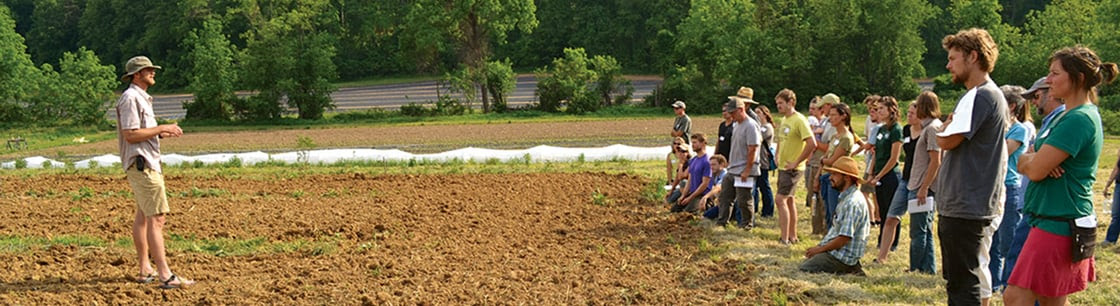
WNC Collaborative Regional Alliance for Farmer Training (CRAFT) is a farmer-led effort to bring established farmers, farm apprentices, and aspiring farmers together for year-long training in the art and science of sustainable agriculture, straight from the hearts, mouths, and fields of seasoned local farmers in Western North Carolina (WNC).
Why join CRAFT?
- Network with beginning and experienced farmers to exchange your ideas and knowledge and build community in the region.
- Expand your training opportunities beyond your farm to bolster the robustness of your apprenticeship offerings.
- Attract aspiring farmers to your apprenticeship positions to cultivate success and improve the future of our region’s agriculture.
Old Shiloh was one of Asheville’s first communities established by emancipated people. The community moved to its present-day location – New Shiloh – after George Vanderbilt, in an effort to expand his land holdings as he planned to build his Biltmore Estate, purchased the land and buildings and agreed to relocate the Shiloh church and cemetery.
Dates: July 11 – 16, 2022
Application: Available now through MyBMC
Cost: A $600 fee covers all housing, meals, classes, materials, and concert tickets. Spots are limited and applications will be reviewed on a rolling basis.
Please note: Proof of COVID-19 vaccination is required for all students, faculty, and summer staff for the 2022 season. Please see our FAQ page for more information.
Program Summary
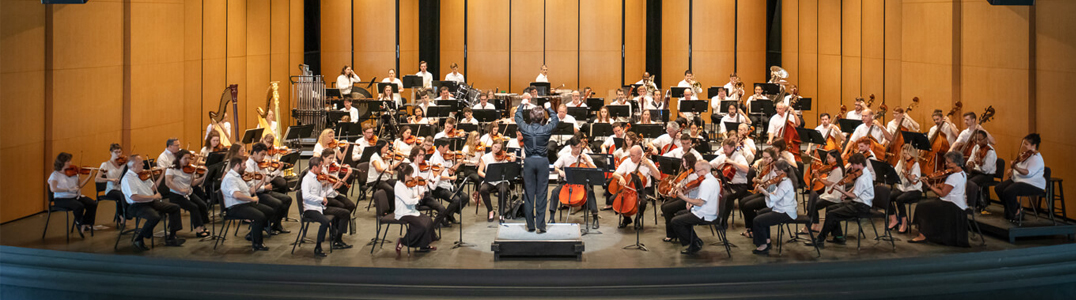
Brevard Music Center (BMC) presents The Brevard Project: Reimagining the Future of Orchestral Programming, a six-day intensive seminar and think-tank on orchestral programming intended for professionals and influencers in the orchestral field. Presented by Brevard Music Center in partnership with Bard College, the Blair School of Music at Vanderbilt University, the Chicago Sinfonietta, the South Dakota Symphony, the University of Michigan School of Music, and Project Director Joseph Horowitz, The Brevard Project takes place July 11-16, 2022. The central goals of The Brevard Project are to re-evaluate the artistic mission of the American orchestra and to share the skills needed to curate a more comprehensive, more inclusive American orchestral repertoire.
Curriculum
The Brevard Project: Reimagining the Future of Orchestral Programing complements Brevard Music Center’s week-long “Dvořák’s Prophecy” festival from July 11-16 and is inspired by Joseph Horowitz’s acclaimed new book Dvořák’s Prophecy and the Vexed Fate of Black Classical Music. Part think-tank, part seminar, this inaugural Project gathering equips practitioners and scholars alike to begin to answer questions about the dense nexus of culture and race, of historical, political, and moral reckonings surrounding the story of American orchestral music. The central goals of this program are to re-evaluate the artistic mission of the American orchestra and to share the skills needed to curate a more comprehensive, more inclusive American orchestral repertoire. The Brevard Project is designed for conductors, artistic administrators, executive directors, community engagement specialists, conservatory students, and engaged orchestra Board members.
Moving forward requires a fresh and closer look at our musical past – and to the lagging formation of an American symphonic canon. A new narrative of American classical music will be proposed that explores timely and topical issues that impact present and future orchestral programming. Why did our repertoire remain so stubbornly Eurocentric? What can we learn from this history? What can be mined from the treasure trove of long-hidden indigenous and Black music that can help to pave the future?
Classroom sessions will be highly interactive, drawing upon first-hand accounts of humanities-infused approaches to programming and community engagement. Topics of exploration include creating a “new paradigm” for American orchestral repertoire, rethinking the concert experience, and redefining the role of the music director. Participants will be challenged to envision programming and organizational initiatives to promote symphonic events grounded in the American experience, past and present.
The Faculty
A remarkable faculty has been assembled for this groundbreaking exercise.
*virtual participant
Joseph Horowitz, Project Director
Leon Botstein, President, Bard College; Music Director, American Symphony; Founder, Bard Festival and The Orchestra Now
Lorenzo Candelaria, Dean, Blair School of Music at Vanderbilt University
Mark Clague, Music Historian, University of Michigan
JoAnn Falletta*, Music Director, Buffalo Philharmonic Orchestra
Christopher Gibbs*, Music Historian, Bard Conservatory; Artistic Co-Director, Bard Festival
Delta David Gier, Music Director, South Dakota Symphony
Blake-Anthony Johnson, CEO, Chicago Sinfonietta
Keith Lockhart*, Artistic Director, Brevard Music Center
Douglas McLennan, Founder/Editor, ArtsJournal
Jason Posnock, Chief Artistic Officer, Brevard Music Center
Jesse Rosen, Former CEO, League of American Orchestras
Larry Tamburri, CEO, Newark School of the Arts (former CEO, Pittsburgh and New Jersey Symphonies)
The Performers
Lara Downes, Pianist, producer, arts advocate
Sidney Outlaw, Baritone/pedagogue, Ithaca College
George Shirley, Tenor/pedagogue, University of Michigan
Enrollment Information
Conductors, artistic administrators, executive directors, community engagement specialists, conservatory students, and Board members are all encouraged to apply for The Brevard Project.
Capacity is limited. A $600 fee covers all housing, meals, classes, materials, and concert tickets for the week. Applications will be reviewed on a rolling basis. Apply now through MyBMC.

Presenter: Craig Mauney, Extension Area Specialized Agent, NC State Extension
Learn how to add edible plants to a new or existing landscape. Edible landscaping is an option for gardeners with limited space or those who want to incorporate some fruits and vegetables into their gardens without dedicating space to edibles alone. Craig Mauney, NC Cooperative Extension Area Specialized Agent, will show you how to select and use plants to enrich your WNC landscape with incredible edibles.
Registration: The talk is free but registration is required. Please click on the link below to register. If you encounter problems registering or if you have questions, call 828-255-5522.
Zoom seminar access: After registration, you will receive an email with instructions and a link to join this online live broadcast via Zoom. The ability to access Zoom through a computer, tablet or smartphone with a reliable internet connection is necessary to attend.
Join Craig Mauney, NC Extension Area Specialized Agent, to learn how to add edible plants to a new or existing landscape. Edible landscaping is an option for gardeners with limited space or those who want to incorporate some fruits and vegetables into their gardens without dedicating space to edibles alone. The presentation will include information about how to select and use plants to enrich your WNC landscape with incredible edibles.
The talk is free; registration is required. For more information, and to register, go to:
https://www.buncombemastergardener.org/upcoming-events/

Virtual attendance via Zoom video and audio internet connection
Presenter: Craig Mauney, NC Cooperative Extension Area Specialized Agent
Learn how to add edible plants to a new or existing landscape. Edible landscaping is an option
for gardeners with limited space or those who want to incorporate some fruits and vegetables
into their gardens without dedicating space to edibles alone. Craig Mauney, NC Cooperative
Extension Area Specialized Agent, will show you how to select and use plants to enrich your
WNC landscape with incredible edibles.
Registration: The talk is free but registration is required. Please click on the link below to register. If you encounter problems registering or if you have questions, call 828-255-5522.
Zoom seminar access: After registration, you will receive an email with instructions and a link to join this online live broadcast via Zoom. The ability to access Zoom through a computer, tablet or smartphone with a reliable internet connection is necessary to attend.

Join us at Eliada Home’s campus for a small group guided walking Farm Tour. Tours last approximately 1 hour. Participants will learn about outdoor and greenhouse growing practices, aquaponics, hydroponics, market gardening, corn maze production, and learn about our Animal Therapy program.
We will be meeting at the PARC building and walking to the different greenhouses, garden site, and a visit with our animals. Reservations required, tickets are $10 each visitor (to be collected at the time of the tour).
We recommend bringing the following: comfortable shoes for walking on pavement and grass, hat, sunglasses, and sunscreen. This tour is not handicap accessible and will require participants to climb stairs and walk on uneven ground.
We will begin out tour promptly at the starting time, so please arrive 5-10 min early to allow for parking and check-in. If you are running late or cannot make your tour, please email [email protected] or call #828-348-2287.
All proceeds from ticket sales from your farm tour go directly back to helping the Campus Farm Program grow more food for the children of Eliada!
Click above photo to sign up for a time slot and number of people in your group. Payment for tour will be collected when you arrive. Cards accepted.
This tour is best suited for school age children ages 10+ and adults.

Join us for Protecting the Environment, a series of classes taught by NC State Cooperative Extension Agent, Steve Pettis. The second class in this series is Protecting Water Quality in Local Streams.
Class will be offered in person for the first 24 participants, ZOOM thereafter for more than 24. $16.
May 19, 2:00pm-3:30pm.
Protecting Water Quality in Local Streams
Join us for Protecting the Environment, a series of classes taught by NC State Cooperative Extension Agent, Steve Pettis. The second class in this series is Protecting Water Quality in Local Streams. Class will be offered in person for the first 20 participants, ZOOM thereafter for more than 20. $16.

Protecting Water Quality in Local Streams
Join us for Protecting the Environment, a series of classes taught by NC State Cooperative Extension Agent, Steve Pettis. The second class in this series is Protecting Water Quality in Local Streams. Class will be offered in person for the first 20 participants, ZOOM thereafter for more than 20. $16.

Are you looking for a way to develop your Spanish language skills or a way to keep your skills fresh? Join this friendly and welcoming Spanish Language Practice Group organized by Pack Library. Newcomers are always welcome on the first Thursday of each month at 5 p.m. This group meets online and is focused on providing an intermediate level, immersive discussion experience. This event is free, but you do need to register. Please visit the library web page and use the link on the calendar for this program to sign up.
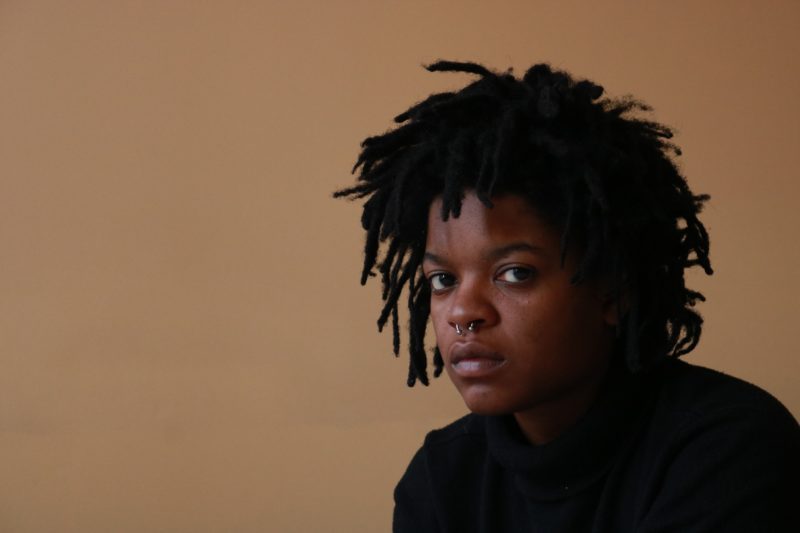
In the absence of consent, exploitation is what remains. When documenting communities, particularly those who are marginalized, there is the potential to either support or exploit said communities by our intention and actions behind the camera. This 4-part class series will explore themes within Gillian Laub’s Southern Rites exhibition, examples of both exploitation and consent, and offer feedback & perspective to current documentary projects. Particular to this class are discussions about racism, sexism, classism, homophobia, transphobia and other discussions around intersections of identities.
Please note:
- This class will be held via Zoom and requires participants to have a Zoom account and access to a computer with video/audio capabilities.
- This class series is intended for photographers of all levels, but some experience behind a camera is required.
- 2 seats for this class will be offered at $15 and priority will be given to BIPOC artists.
ABOUT THE INSTRUCTOR
Jupiter “Jupe” Javeta is a Black, southern, queer, nonbinary person who resides in Albany, Georgia where they were born and raised. They are an artist, culture keeper, and community member who practices community healing through visual art, documentation, written work, and installations. Their visual work (photography and documentary short films) center reconciliation and reprieve for Black folks in the Deep South. Their written work centers grief as a ritual and rites process, and digs into the transformative potential of grieving. Their community work (events and arts spaces) focuses on marginalized communities and connecting people across those communities to places and spaces of rest, affirmation, and communion. In each modality, they are driven by a deep love for their people and a determination to reflect it back to the communities they come from.
ADULT STUDIO
The Museum’s studio program for adults offers a core curriculum in drawing, painting, printmaking, and three-dimensional media, and also explores the intersections between them. Local and visiting artists help students of all levels and abilities develop skills in media that reflect techniques and themes featured in the Museum’s Collection and special exhibitions. Classes meet for 3–12 weeks, and are designed for anyone interested in exploring specific media in depth; daylong workshops introduce new media or processes. To add your name to our Adult Studio mailing list, click here or call 828.253.3227 x133.
| Little has been documented about the Jewish history of Western North Carolina, yet clues are all around us. Jews could be found in many towns including Brevard, Hendersonville, Statesville, Asheville, Rosman, Boone, Blowing Rock, Franklin, Sylva, Little Switzerland, Valle Crucis, Marion, Canton. Bryson City, Robbinsville, and Waynesville. Why did they come? What did they do? What is their lasting legacy? Join us for some answers.
This event is co-sponsored by Jewish Heritage North Carolina, the only statewide independent organization dedicated to collect, preserve and present the history of the Jewish people of our State. “To serve our mission we honor our history, celebrate our culture, and connect our communities.” About the Speaker: Sharon Fahrer is a recovered New Yorker with a background in geography and urban planning. She and her husband were drawn to Asheville by its wonderful historic neighborhoods. For 25 years they lived in an 1896 house they restored in Montford. In 2003 she co-founded History@Hand with Jan Schochet to reveal the history of Asheville’s Jewish businesses creating a book and an exhibit titled The Family Store a History of Jewish Businesses in Downtown Asheville from 1880-1990. Since then she has continued to research and produce history panels which are installed: along the French Broad River about Wilma Dykeman (not currently on display), downtown Asheville, bus shelters along Montford Avenue, on the campus of UNC Asheville, in the Osher Life Long Learning Institute, the ASheVille museum (no longer open), Asheville Museum of Science, Asheville Community Theater (ACT), Stephens-Lee Recreation Center, the Dry Ridge Museum in Weaverville, and the Sprinza Weizenblatt Gallery on the campus of Mars Hill University. She has also written two other books The Man Who Lived on Main Street about Sol Shulman of Sylva (coauthored with Jan Schochet) and A Home in Shalomville. the History of Asheville’s Jewish Community. The latter book received the 2016 Bob Terrill book award from the Old Buncombe County Genealogical Society. Sharon created the Jewish Museum without Walls highlighting locations which are part of Asheville’s Jewish history. In 2003 she started the Montford Music and Arts Festival. Currently she leads walking tours in downtown on architecture and history and also the Family Store, Montford, Riverside Cemetery and Biltmore Village in Asheville. Currently she is serving on the Buncombe County Remembrance Project research committee, the boards of Jewish Heritage North Carolina, Friends of Buncombe County Special Collections, and the Wilma Dykeman Legacy. Her work can be seen on her website: www.history-at-hand.com Tickets: $5 for WNCHA members/ $10 for General Admission. We also have no-cost, community-funded tickets available. We want our events to be accessible to as many people as possible. If you are able please consider making a donation along with your ticket purchase. These donations are placed in our Community Fund, which allows us to offer tickets at no cost to those who would not be able to attend otherwise. Viewing: Registrants will receive a Zoom link with which to view the program. It will also be recorded and later available on our website. (Images: Ada and Lou Pollock Collection, D.H. Ramsey Library Special Collections, University of North Carolina Asheville 2880 |
 |
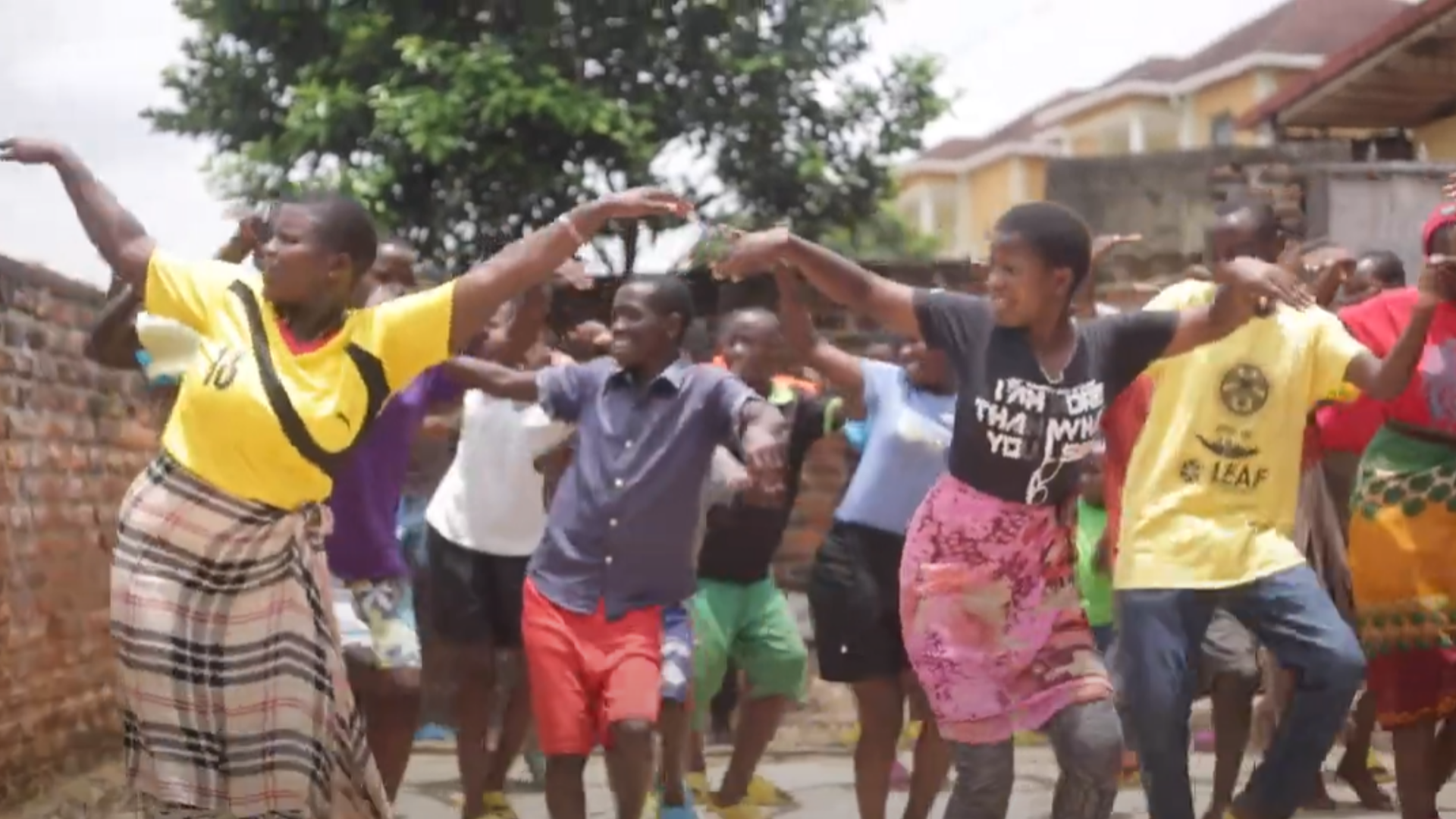
Step Into the heart of Rwanda With Culture Keeper David Kwizera + the LEAF International Rwanda Jr. Troupe! This spring documentary is exactly what you need!
|
Farmer-to-Farmer Training
WNC Collaborative Regional Alliance for Farmer Training (CRAFT) is a farmer-led effort to bring established farmers, farm apprentices, and aspiring farmers together for year-long training in the art and science of sustainable agriculture, straight from the hearts, mouths, and fields of seasoned local farmers in Western North Carolina (WNC).
Why join CRAFT?
- Network with beginning and experienced farmers to exchange your ideas and knowledge and build community in the region.
- Expand your training opportunities beyond your farm to bolster the robustness of your apprenticeship offerings.
- Attract aspiring farmers to your apprenticeship positions to cultivate success and improve the future of our region’s agriculture.
Old Shiloh was one of Asheville’s first communities established by emancipated people. The community moved to its present-day location – New Shiloh – after George Vanderbilt, in an effort to expand his land holdings as he planned to build his Biltmore Estate, purchased the land and buildings and agreed to relocate the Shiloh church and cemetery.
Dates: July 11 – 16, 2022
Application: Available now through MyBMC
Cost: A $600 fee covers all housing, meals, classes, materials, and concert tickets. Spots are limited and applications will be reviewed on a rolling basis.
Please note: Proof of COVID-19 vaccination is required for all students, faculty, and summer staff for the 2022 season. Please see our FAQ page for more information.
Program Summary
Brevard Music Center (BMC) presents The Brevard Project: Reimagining the Future of Orchestral Programming, a six-day intensive seminar and think-tank on orchestral programming intended for professionals and influencers in the orchestral field. Presented by Brevard Music Center in partnership with Bard College, the Blair School of Music at Vanderbilt University, the Chicago Sinfonietta, the South Dakota Symphony, the University of Michigan School of Music, and Project Director Joseph Horowitz, The Brevard Project takes place July 11-16, 2022. The central goals of The Brevard Project are to re-evaluate the artistic mission of the American orchestra and to share the skills needed to curate a more comprehensive, more inclusive American orchestral repertoire.
Curriculum
The Brevard Project: Reimagining the Future of Orchestral Programing complements Brevard Music Center’s week-long “Dvořák’s Prophecy” festival from July 11-16 and is inspired by Joseph Horowitz’s acclaimed new book Dvořák’s Prophecy and the Vexed Fate of Black Classical Music. Part think-tank, part seminar, this inaugural Project gathering equips practitioners and scholars alike to begin to answer questions about the dense nexus of culture and race, of historical, political, and moral reckonings surrounding the story of American orchestral music. The central goals of this program are to re-evaluate the artistic mission of the American orchestra and to share the skills needed to curate a more comprehensive, more inclusive American orchestral repertoire. The Brevard Project is designed for conductors, artistic administrators, executive directors, community engagement specialists, conservatory students, and engaged orchestra Board members.
Moving forward requires a fresh and closer look at our musical past – and to the lagging formation of an American symphonic canon. A new narrative of American classical music will be proposed that explores timely and topical issues that impact present and future orchestral programming. Why did our repertoire remain so stubbornly Eurocentric? What can we learn from this history? What can be mined from the treasure trove of long-hidden indigenous and Black music that can help to pave the future?
Classroom sessions will be highly interactive, drawing upon first-hand accounts of humanities-infused approaches to programming and community engagement. Topics of exploration include creating a “new paradigm” for American orchestral repertoire, rethinking the concert experience, and redefining the role of the music director. Participants will be challenged to envision programming and organizational initiatives to promote symphonic events grounded in the American experience, past and present.
The Faculty
A remarkable faculty has been assembled for this groundbreaking exercise.
*virtual participant
Joseph Horowitz, Project Director
Leon Botstein, President, Bard College; Music Director, American Symphony; Founder, Bard Festival and The Orchestra Now
Lorenzo Candelaria, Dean, Blair School of Music at Vanderbilt University
Mark Clague, Music Historian, University of Michigan
JoAnn Falletta*, Music Director, Buffalo Philharmonic Orchestra
Christopher Gibbs*, Music Historian, Bard Conservatory; Artistic Co-Director, Bard Festival
Delta David Gier, Music Director, South Dakota Symphony
Blake-Anthony Johnson, CEO, Chicago Sinfonietta
Keith Lockhart*, Artistic Director, Brevard Music Center
Douglas McLennan, Founder/Editor, ArtsJournal
Jason Posnock, Chief Artistic Officer, Brevard Music Center
Jesse Rosen, Former CEO, League of American Orchestras
Larry Tamburri, CEO, Newark School of the Arts (former CEO, Pittsburgh and New Jersey Symphonies)
The Performers
Lara Downes, Pianist, producer, arts advocate
Sidney Outlaw, Baritone/pedagogue, Ithaca College
George Shirley, Tenor/pedagogue, University of Michigan
Enrollment Information
Conductors, artistic administrators, executive directors, community engagement specialists, conservatory students, and Board members are all encouraged to apply for The Brevard Project.
Capacity is limited. A $600 fee covers all housing, meals, classes, materials, and concert tickets for the week. Applications will be reviewed on a rolling basis. Apply now through MyBMC.
Join us at Eliada Home’s campus for a small group guided walking Farm Tour. Tours last approximately 1 hour. Participants will learn about outdoor and greenhouse growing practices, aquaponics, hydroponics, market gardening, corn maze production, and learn about our Animal Therapy program.
We will be meeting at the PARC building and walking to the different greenhouses, garden site, and a visit with our animals. Reservations required, tickets are $10 each visitor (to be collected at the time of the tour).
We recommend bringing the following: comfortable shoes for walking on pavement and grass, hat, sunglasses, and sunscreen. This tour is not handicap accessible and will require participants to climb stairs and walk on uneven ground.
We will begin out tour promptly at the starting time, so please arrive 5-10 min early to allow for parking and check-in. If you are running late or cannot make your tour, please email [email protected] or call #828-348-2287.
All proceeds from ticket sales from your farm tour go directly back to helping the Campus Farm Program grow more food for the children of Eliada!
Click above photo to sign up for a time slot and number of people in your group. Payment for tour will be collected when you arrive. Cards accepted.
This tour is best suited for school age children ages 10+ and adults.
Grab your friends, grab your family and join Odyssey Community School for an evening of music, dance and joy! Ticket includes food, 1 drink and headphones for our Silent Disco fundraiser event!
Step Into the heart of Rwanda With Culture Keeper David Kwizera + the LEAF International Rwanda Jr. Troupe! This spring documentary is exactly what you need!
|
Farmer-to-Farmer Training
WNC Collaborative Regional Alliance for Farmer Training (CRAFT) is a farmer-led effort to bring established farmers, farm apprentices, and aspiring farmers together for year-long training in the art and science of sustainable agriculture, straight from the hearts, mouths, and fields of seasoned local farmers in Western North Carolina (WNC).
Why join CRAFT?
- Network with beginning and experienced farmers to exchange your ideas and knowledge and build community in the region.
- Expand your training opportunities beyond your farm to bolster the robustness of your apprenticeship offerings.
- Attract aspiring farmers to your apprenticeship positions to cultivate success and improve the future of our region’s agriculture.
Old Shiloh was one of Asheville’s first communities established by emancipated people. The community moved to its present-day location – New Shiloh – after George Vanderbilt, in an effort to expand his land holdings as he planned to build his Biltmore Estate, purchased the land and buildings and agreed to relocate the Shiloh church and cemetery.
Dates: July 11 – 16, 2022
Application: Available now through MyBMC
Cost: A $600 fee covers all housing, meals, classes, materials, and concert tickets. Spots are limited and applications will be reviewed on a rolling basis.
Please note: Proof of COVID-19 vaccination is required for all students, faculty, and summer staff for the 2022 season. Please see our FAQ page for more information.
Program Summary
Brevard Music Center (BMC) presents The Brevard Project: Reimagining the Future of Orchestral Programming, a six-day intensive seminar and think-tank on orchestral programming intended for professionals and influencers in the orchestral field. Presented by Brevard Music Center in partnership with Bard College, the Blair School of Music at Vanderbilt University, the Chicago Sinfonietta, the South Dakota Symphony, the University of Michigan School of Music, and Project Director Joseph Horowitz, The Brevard Project takes place July 11-16, 2022. The central goals of The Brevard Project are to re-evaluate the artistic mission of the American orchestra and to share the skills needed to curate a more comprehensive, more inclusive American orchestral repertoire.
Curriculum
The Brevard Project: Reimagining the Future of Orchestral Programing complements Brevard Music Center’s week-long “Dvořák’s Prophecy” festival from July 11-16 and is inspired by Joseph Horowitz’s acclaimed new book Dvořák’s Prophecy and the Vexed Fate of Black Classical Music. Part think-tank, part seminar, this inaugural Project gathering equips practitioners and scholars alike to begin to answer questions about the dense nexus of culture and race, of historical, political, and moral reckonings surrounding the story of American orchestral music. The central goals of this program are to re-evaluate the artistic mission of the American orchestra and to share the skills needed to curate a more comprehensive, more inclusive American orchestral repertoire. The Brevard Project is designed for conductors, artistic administrators, executive directors, community engagement specialists, conservatory students, and engaged orchestra Board members.
Moving forward requires a fresh and closer look at our musical past – and to the lagging formation of an American symphonic canon. A new narrative of American classical music will be proposed that explores timely and topical issues that impact present and future orchestral programming. Why did our repertoire remain so stubbornly Eurocentric? What can we learn from this history? What can be mined from the treasure trove of long-hidden indigenous and Black music that can help to pave the future?
Classroom sessions will be highly interactive, drawing upon first-hand accounts of humanities-infused approaches to programming and community engagement. Topics of exploration include creating a “new paradigm” for American orchestral repertoire, rethinking the concert experience, and redefining the role of the music director. Participants will be challenged to envision programming and organizational initiatives to promote symphonic events grounded in the American experience, past and present.
The Faculty
A remarkable faculty has been assembled for this groundbreaking exercise.
*virtual participant
Joseph Horowitz, Project Director
Leon Botstein, President, Bard College; Music Director, American Symphony; Founder, Bard Festival and The Orchestra Now
Lorenzo Candelaria, Dean, Blair School of Music at Vanderbilt University
Mark Clague, Music Historian, University of Michigan
JoAnn Falletta*, Music Director, Buffalo Philharmonic Orchestra
Christopher Gibbs*, Music Historian, Bard Conservatory; Artistic Co-Director, Bard Festival
Delta David Gier, Music Director, South Dakota Symphony
Blake-Anthony Johnson, CEO, Chicago Sinfonietta
Keith Lockhart*, Artistic Director, Brevard Music Center
Douglas McLennan, Founder/Editor, ArtsJournal
Jason Posnock, Chief Artistic Officer, Brevard Music Center
Jesse Rosen, Former CEO, League of American Orchestras
Larry Tamburri, CEO, Newark School of the Arts (former CEO, Pittsburgh and New Jersey Symphonies)
The Performers
Lara Downes, Pianist, producer, arts advocate
Sidney Outlaw, Baritone/pedagogue, Ithaca College
George Shirley, Tenor/pedagogue, University of Michigan
Enrollment Information
Conductors, artistic administrators, executive directors, community engagement specialists, conservatory students, and Board members are all encouraged to apply for The Brevard Project.
Capacity is limited. A $600 fee covers all housing, meals, classes, materials, and concert tickets for the week. Applications will be reviewed on a rolling basis. Apply now through MyBMC.