

Calendar of Events
Upcoming events and things to do in Asheville, NC. Below is a list of events for festivals, concerts, art exhibitions, group meetups and more.
Interested in adding an event to our calendar? Please click the green “Post Your Event” button below.
http://nextstep.activehosted.com/index.php?action=social&chash=35f4a8d465e6e1edc05f3d8ab658c551.101&s=02daf8d02fcd20023ca61de82d80903c
|
|||||
|
|||||
|
|||||
|
ABOUT THE EXHIBIT The hillbilly stereotype is one that is alive and well in American popular culture as a quick survey of the cable dial reveals with such shows as Moonshiners, Appalachian Outlaws, Here Comes Honey Boo Boo, and countless others.
Surprisingly, it is one often displayed among educated sorts here in Western North Carolina who would never dream of disparaging any minority or “out group,” but do not hesitate to characterize native Western North Carolinians, as a group, as ignorant, in-bred, hopelessly retrograde, violent, snake-handling, moonshining/meth-making rednecks.
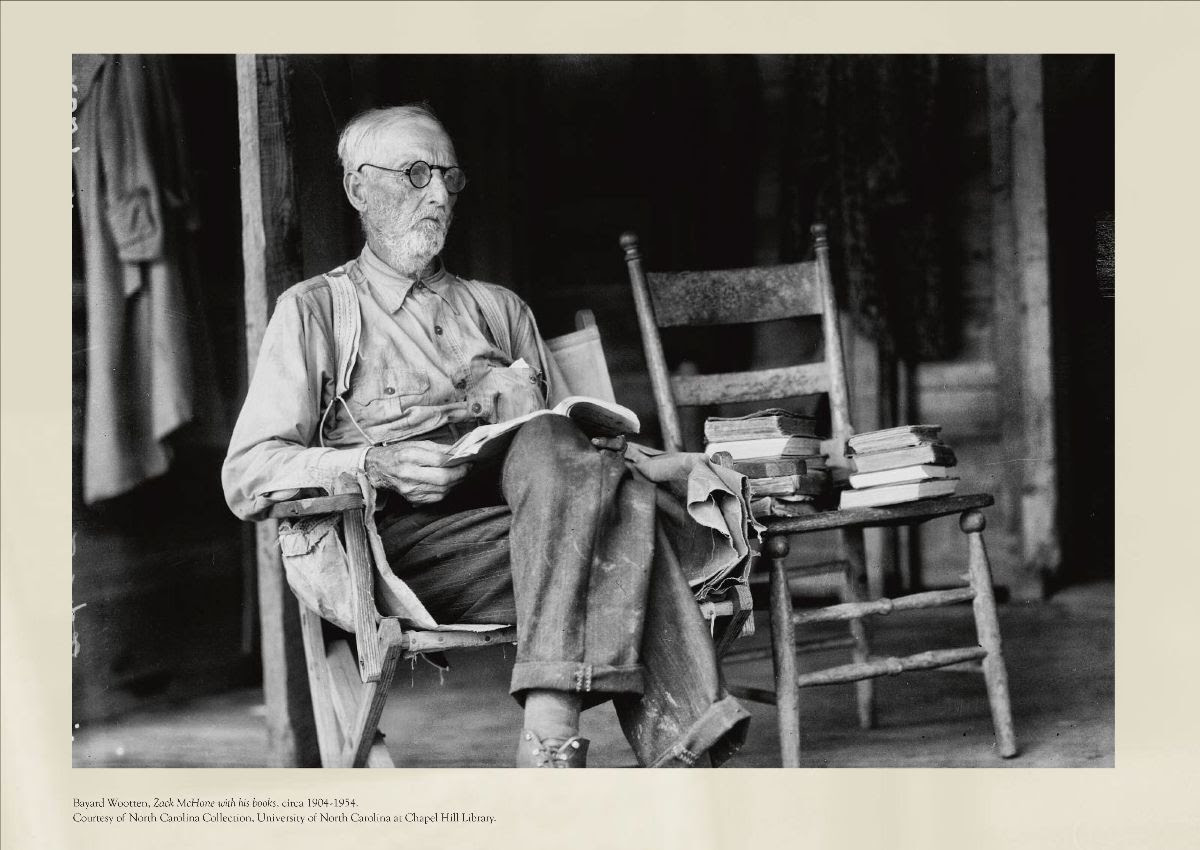
The Hillbillyland Exhibition explores the power, prevalence, and persistence of the hillbilly stereotype from the days of its beginnings in the late 19th century to the present day. The exhibit takes a unique approach by focusing on photography featuring the people of the region, some of them stereotypical images, combined with poetry and short prose pieces that challenge and complicate these stereotypes.
Visit the Virtual Exhibit
ABOUT THE EXHIBIT
In the midst of the 2020 Covid-19 pandemic, we take an in-depth look at the 1918 influenza epidemic in Western North Carolina through newspaper clippings, advertisements, ephemera, photographs, and oral history and place the events of 1918 into context with our present-day response to the coronavirus pandemic.

https://www.wnchistory.org/virtual-exhibits/influenza/?utm_source=Western%20North%20Carolina%20Historical%20Association&utm_campaign=78fa0bbdf8-EMAIL_CAMPAIGN_2020_01_23_05_25_COPY_01&utm_medium=email&utm_term=0_7424f63c4d-78fa0bbdf8-329482143
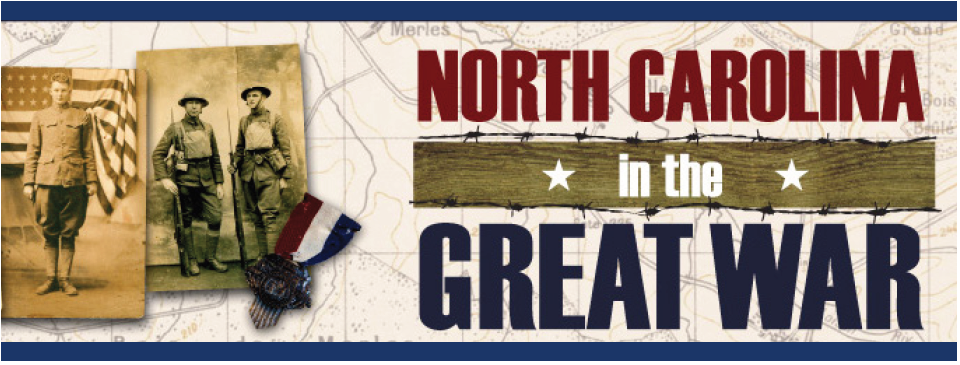
The exhibit is on loan from the North Carolina Department of Natural and Cultural Resources and has been supplemented with artifacts from the Smith-McDowell House collection. Entrance to the exhibit is included with Smith-McDowell House admission – and is always free for members – and runs through May 16, 2020.
The exhibit seeks to put the local men and women who served in context with the larger events happening in North Carolina, the United States, and the world. In the exhibit, visitors will find displays and interactive elements telling the stories of just a few of our hometown heroes.
https://www.facebook.com/AshevilleCommunityTheatre/
- We are featuring singers (and dancers!) from the community during our #ACTHappyHour parties M-F at 5:00 pm!
|
|

Here are five awesome library resources you can use from anywhere.
For any service that asks for a User ID or PIN, your User ID is your library card number (with no spaces) and your PIN is the last four digits of your phone number. If you have a Buncombe County or Asheville City school ID card, your ID is your card number and your PIN is the last four digits of your ID number.
Ebooks and Audio Books:
We have thousands of ebooks and audio books on the North Carolina Digital Library you can download to any device. Get the free Libby app from your app store and you are ready to go. Digital materials automatically return themselves at the end of the loan period, so there are never any overdue fines.
- Adult ebooks and audio books you can download right now
- Teen books you can download right now
- Children’s books you can download right now
Magazines:
We have a large collection of recent popular magazines on the NCDL. Your User ID and PIN stay the same.
Online Streaming Video:
For streaming video, you can use the North Carolina Digital Library, or Films on Demand on NC Live.
Tutorials and Courses:
Get unlimited access to an online library of high-quality instructional videos taught by industry experts on the latest software tools and skills with LinkedIn Learning. Learn a whole course or just the section you need. Topics include Microsoft Office, Adobe Photoshop, Illustrator, Web design, Social Media, Business and Career Skills and much more.
Want to learn another language? Mango Languages is an online language-learning system teaching actual conversation skills for a wide variety of languages. Mango uses real-life situations and actual conversations to more effectively teach a new language.
Local History Buffs:
If you love local history, our North Carolina Room at Pack Library has an extensive collection of materials available online that bring the past to life. The photograph collection documents over 200 years of Buncombe County history.
You can email the library for help with any of these resources at [email protected].
Want to access our online resources but don’t have a library card? While library branches are closed to prevent the spread of COVID-19, we’re issuing and renewing library cards by email.
- Email [email protected] and ask for a library card. You need to be a Buncombe County resident to get a card.
- We’ll respond with instructions on how to email a copy or photo of your local ID.
- We’ll send you back a library card number and PIN that you can use for all digital resources. The physical card will be mailed to you at a later date.
We’ll issue new cards by email as long as library branches are closed to the public. We can also renew cards by email.
We’ve turned some of our youth conservation education programs into videos to share online. Earlier this year, we asked elementary and middle school students what might prevent them from enjoying time outdoors – and many responded “snakes” or “spiders.” So, we developed fun lessons to help dispel myths and fears about snakes and spiders. These video adaptations of our youth education programs include short 5-minute lessons and step-by-step craft activities. Enjoy!
SPIDERS: https://www.youtube.com/watch?v=vRWaw6jPeN8&utm_source=SAHC+Default+MC+List&utm_campaign=6b1835d2ec-February_2018_COPY_01&utm_medium=email&utm_term=0_4717684d09-6b1835d2ec-144635353&ct=t%28February_2018_COPY_01%29&mc_cid=6b1835d2ec&mc_eid=cccced3ffd
SNAKES: https://www.youtube.com/watch?v=QpFcByki9xM&utm_source=SAHC+Default+MC+List&utm_campaign=6b1835d2ec-February_2018_COPY_01&utm_medium=email&utm_term=0_4717684d09-6b1835d2ec-144635353&ct=t%28February_2018_COPY_01%29&mc_cid=6b1835d2ec&mc_eid=cccced3ffd
ABOUT THE EXHIBIT The hillbilly stereotype is one that is alive and well in American popular culture as a quick survey of the cable dial reveals with such shows as Moonshiners, Appalachian Outlaws, Here Comes Honey Boo Boo, and countless others.
Surprisingly, it is one often displayed among educated sorts here in Western North Carolina who would never dream of disparaging any minority or “out group,” but do not hesitate to characterize native Western North Carolinians, as a group, as ignorant, in-bred, hopelessly retrograde, violent, snake-handling, moonshining/meth-making rednecks.
The Hillbillyland Exhibition explores the power, prevalence, and persistence of the hillbilly stereotype from the days of its beginnings in the late 19th century to the present day. The exhibit takes a unique approach by focusing on photography featuring the people of the region, some of them stereotypical images, combined with poetry and short prose pieces that challenge and complicate these stereotypes.
Visit the Virtual Exhibit
ABOUT THE EXHIBIT
In the midst of the 2020 Covid-19 pandemic, we take an in-depth look at the 1918 influenza epidemic in Western North Carolina through newspaper clippings, advertisements, ephemera, photographs, and oral history and place the events of 1918 into context with our present-day response to the coronavirus pandemic.
https://www.wnchistory.org/virtual-exhibits/influenza/?utm_source=Western%20North%20Carolina%20Historical%20Association&utm_campaign=78fa0bbdf8-EMAIL_CAMPAIGN_2020_01_23_05_25_COPY_01&utm_medium=email&utm_term=0_7424f63c4d-78fa0bbdf8-329482143
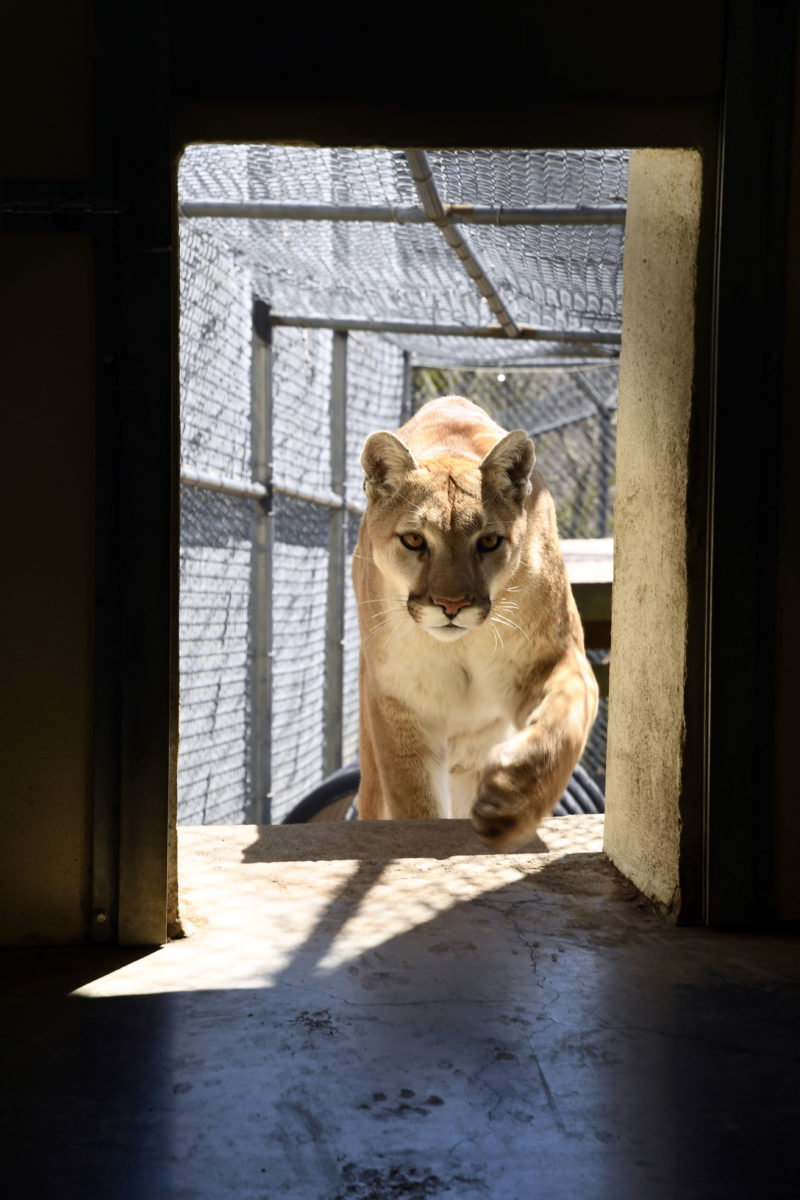
See where the cougars and otters sleep overnight, meet black bears that are not commonly on display, learn the ins and outs of what it takes to care for the animals year-round, observe a training session and find out why the animals call Grandfather Mountain home.
Offered on weekends, April – October.
The exhibit is on loan from the North Carolina Department of Natural and Cultural Resources and has been supplemented with artifacts from the Smith-McDowell House collection. Entrance to the exhibit is included with Smith-McDowell House admission – and is always free for members – and runs through May 16, 2020.
The exhibit seeks to put the local men and women who served in context with the larger events happening in North Carolina, the United States, and the world. In the exhibit, visitors will find displays and interactive elements telling the stories of just a few of our hometown heroes.
|
|
Here are five awesome library resources you can use from anywhere.
For any service that asks for a User ID or PIN, your User ID is your library card number (with no spaces) and your PIN is the last four digits of your phone number. If you have a Buncombe County or Asheville City school ID card, your ID is your card number and your PIN is the last four digits of your ID number.
Ebooks and Audio Books:
We have thousands of ebooks and audio books on the North Carolina Digital Library you can download to any device. Get the free Libby app from your app store and you are ready to go. Digital materials automatically return themselves at the end of the loan period, so there are never any overdue fines.
- Adult ebooks and audio books you can download right now
- Teen books you can download right now
- Children’s books you can download right now
Magazines:
We have a large collection of recent popular magazines on the NCDL. Your User ID and PIN stay the same.
Online Streaming Video:
For streaming video, you can use the North Carolina Digital Library, or Films on Demand on NC Live.
Tutorials and Courses:
Get unlimited access to an online library of high-quality instructional videos taught by industry experts on the latest software tools and skills with LinkedIn Learning. Learn a whole course or just the section you need. Topics include Microsoft Office, Adobe Photoshop, Illustrator, Web design, Social Media, Business and Career Skills and much more.
Want to learn another language? Mango Languages is an online language-learning system teaching actual conversation skills for a wide variety of languages. Mango uses real-life situations and actual conversations to more effectively teach a new language.
Local History Buffs:
If you love local history, our North Carolina Room at Pack Library has an extensive collection of materials available online that bring the past to life. The photograph collection documents over 200 years of Buncombe County history.
You can email the library for help with any of these resources at [email protected].
Want to access our online resources but don’t have a library card? While library branches are closed to prevent the spread of COVID-19, we’re issuing and renewing library cards by email.
- Email [email protected] and ask for a library card. You need to be a Buncombe County resident to get a card.
- We’ll respond with instructions on how to email a copy or photo of your local ID.
- We’ll send you back a library card number and PIN that you can use for all digital resources. The physical card will be mailed to you at a later date.
We’ll issue new cards by email as long as library branches are closed to the public. We can also renew cards by email.
We’ve turned some of our youth conservation education programs into videos to share online. Earlier this year, we asked elementary and middle school students what might prevent them from enjoying time outdoors – and many responded “snakes” or “spiders.” So, we developed fun lessons to help dispel myths and fears about snakes and spiders. These video adaptations of our youth education programs include short 5-minute lessons and step-by-step craft activities. Enjoy!
SPIDERS: https://www.youtube.com/watch?v=vRWaw6jPeN8&utm_source=SAHC+Default+MC+List&utm_campaign=6b1835d2ec-February_2018_COPY_01&utm_medium=email&utm_term=0_4717684d09-6b1835d2ec-144635353&ct=t%28February_2018_COPY_01%29&mc_cid=6b1835d2ec&mc_eid=cccced3ffd
SNAKES: https://www.youtube.com/watch?v=QpFcByki9xM&utm_source=SAHC+Default+MC+List&utm_campaign=6b1835d2ec-February_2018_COPY_01&utm_medium=email&utm_term=0_4717684d09-6b1835d2ec-144635353&ct=t%28February_2018_COPY_01%29&mc_cid=6b1835d2ec&mc_eid=cccced3ffd
ABOUT THE EXHIBIT The hillbilly stereotype is one that is alive and well in American popular culture as a quick survey of the cable dial reveals with such shows as Moonshiners, Appalachian Outlaws, Here Comes Honey Boo Boo, and countless others.
Surprisingly, it is one often displayed among educated sorts here in Western North Carolina who would never dream of disparaging any minority or “out group,” but do not hesitate to characterize native Western North Carolinians, as a group, as ignorant, in-bred, hopelessly retrograde, violent, snake-handling, moonshining/meth-making rednecks.
The Hillbillyland Exhibition explores the power, prevalence, and persistence of the hillbilly stereotype from the days of its beginnings in the late 19th century to the present day. The exhibit takes a unique approach by focusing on photography featuring the people of the region, some of them stereotypical images, combined with poetry and short prose pieces that challenge and complicate these stereotypes.
Visit the Virtual Exhibit
ABOUT THE EXHIBIT
In the midst of the 2020 Covid-19 pandemic, we take an in-depth look at the 1918 influenza epidemic in Western North Carolina through newspaper clippings, advertisements, ephemera, photographs, and oral history and place the events of 1918 into context with our present-day response to the coronavirus pandemic.
https://www.wnchistory.org/virtual-exhibits/influenza/?utm_source=Western%20North%20Carolina%20Historical%20Association&utm_campaign=78fa0bbdf8-EMAIL_CAMPAIGN_2020_01_23_05_25_COPY_01&utm_medium=email&utm_term=0_7424f63c4d-78fa0bbdf8-329482143
See where the cougars and otters sleep overnight, meet black bears that are not commonly on display, learn the ins and outs of what it takes to care for the animals year-round, observe a training session and find out why the animals call Grandfather Mountain home.
Offered on weekends, April – October.
|
|
We’ve turned some of our youth conservation education programs into videos to share online. Earlier this year, we asked elementary and middle school students what might prevent them from enjoying time outdoors – and many responded “snakes” or “spiders.” So, we developed fun lessons to help dispel myths and fears about snakes and spiders. These video adaptations of our youth education programs include short 5-minute lessons and step-by-step craft activities. Enjoy!
SPIDERS: https://www.youtube.com/watch?v=vRWaw6jPeN8&utm_source=SAHC+Default+MC+List&utm_campaign=6b1835d2ec-February_2018_COPY_01&utm_medium=email&utm_term=0_4717684d09-6b1835d2ec-144635353&ct=t%28February_2018_COPY_01%29&mc_cid=6b1835d2ec&mc_eid=cccced3ffd
SNAKES: https://www.youtube.com/watch?v=QpFcByki9xM&utm_source=SAHC+Default+MC+List&utm_campaign=6b1835d2ec-February_2018_COPY_01&utm_medium=email&utm_term=0_4717684d09-6b1835d2ec-144635353&ct=t%28February_2018_COPY_01%29&mc_cid=6b1835d2ec&mc_eid=cccced3ffd
Each year, the Week of the Young Child spotlights young children, families, and early educators. Buncombe Partnership for Children usually celebrates with a day of outdoor play and performance, but this year, we’re moving the party online!
It is so important to give hope to our children during what are uneasy times. We are excited for a fun-filled week of music, gardening, art, storytime, and family connection. Knowing that circumstances are different for everyone, we will focus on providing experiences you can enjoy wherever you are celebrating. All activities will be live-streamed and/or posted on YouTube.
There’s something special planned for each day of the week! For more information about Music Monday, Tasty Tuesday, Work Together Wednesday, Artsy Thursday, and Family Friday please visit https://www.facebook.com/events/216960056254414/.

Would you like to learn more about how literacy changes our students’ lives?
Please join us for coffee and a one-hour tour of the Literacy Council.
UPCOMING TOUR DATES for 2020
Friday, January 10 – 9am | Monday, February 10 – 4pm | Friday, March 13 – 9am
Monday, April 13 – 4pm | Friday, May 8 – 9am | Monday, June 8 – 4pm

Prospective parents and students: we are so excited to give you a glimpse of how Franklin is different!
Hosting an information session during our current global situation is not easy, but we also know how important making the decision about next year is for your child too. We hope that we make the process as simple as possible, and we are providing multiple different ways for you to get to know us.
1. You can visit our YouTube channel we have created specifically for prospective families to check out: https://bit.ly/GetToKnowFranklin
2. You can attend a Google Meet digital info session! During our info session, we will meet digitally to give a brief overview of the school and to answer any questions you may have. This will go live at 5:30 this Thursday, April 16. Here is the link to attend: https://bit.ly/FranklinInfoSession
3. You can email [email protected] to set up a one on one information session to get a detailed look at how Franklin is different from area schools.
4. You can visit our website: www.franklinschoolofinnovation.org

Blue Ridge Eco-Gardener Certificate of Merit
Ecological gardening is a way of thinking about gardens and landscapes in which gardens are no longer seen as a collection of plants, but a community with complex interdependencies between plants, animals, soils and the environment. This certificate program explores ecological principles for creating and managing a healthy, self-sustaining garden and landscape in a changing climate. Students enrolling in the Certificate of Merit program will work to complete 120 hours in core classes on topics including principles of ecological gardening, seasonal plants and tasks and sustainable landscape design along with electives on hardscape, edibles, seed saving and other subjects of interest to participants. View current class offerings for credit in the Blue Ridge Eco-Gardener program here.
To begin your program, complete an application and return it to the Education Center along with a one-time, non-refundable $55 application fee.

Join over one hundred students on a quest to deepen understanding of the natural sciences through the Blue Ridge Naturalist Certificate of Merit. The program offers adult learners a comprehensive curriculum of study about the natural world of Western North Carolina. Classes meet year round and students work to complete 240 hours in core courses on ecology, botany, geology and plant identification as well as electives on animals, lichens, insects and more. View current class offerings for credit in the Blue Ridge Naturalist program here. All students must complete and present a final project prior to graduation.
To begin your program complete an application and return it to the Education Center along with a a one-time, non-refundable $55 application fee.
|
|||||
|


Getting started gardening can be exciting, and it can feel daunting.
Your teachers, Natalie Bogwalker and Chloe Lieberman share experience-based, practical instruction for growing their top ten vegetables to really fill your plate, belly, and larder. We put together this class so that you can begin with the crops that are most likely to be successful and rewarding. Or, if you’ve got some experience gardening but want to expand your repertoire, this course will help you do so in a way that makes sense and yields abundantly.

Get to know the nature near you! This year, as part of the City Nature Challenge, the Arboretum’s ecoEXPLORE program has launched a special BioBlitz Bonus Badge. Children in grades K-8 who complete six “challenges” will earn the BioBlitz Bonus Badge and their adult helpers will also receive a North Carolina BioBlitz patch. ecoEXPLORE is an initiative of The North Carolina Arboretum and is free to all North Carolina residents due to the generous support from the North Carolina GlaxoSmithKline Foundation and the Duke Energy Foundation.
Be an ecoEXPLORER!
Are you a group or classroom? Choose the “Group” option on the signup form.
How it works:
- Sign up to be an ecoEXPLORER using the form on this page. Then have your parent check their email for an email where they can click a link to give permission for your participation.
- Go outside in your own backyard or at a designated ecoEXPLORE HotSpot to find wildlife species, including plants, reptiles, amphibians, insects and birds.
- Use your own device — or check out an iPod Touch at any LoanSpot location — and photograph your wildlife observation, noting the data, location, time, size, and species observed.
- Login to your ecoEXPLORE profile online and submit your observation.
- Arboretum staff will then review your observation and submit all approved submissions to the iNaturalist Network , which is used by real scientists!

NEW! North Carolina BioBlitz Patch
For adults looking for an extra challenge this spring, the Arboretum has created the North Carolina BioBlitz patch in conjunction with the 2020 City Nature Challenge (April 24 – 27). To earn the patch, participants will need to create a free iNaturalist account; attend the “Intro to iNaturalist” class on April 9 (or watch the recorded version later); make 50 nature observations during the City Nature Challenge; and help identify 50 species during the Challenge’s “identifying” stage (April 28 – May 3). Students in the Arboretum’s Blue Ridge Naturalist and Blue Ridge Eco-Gardener certificate programs can earn three elective credits if they complete the North Carolina BioBlitz program and one credit if they only take the “Into to iNaturalist” class.